
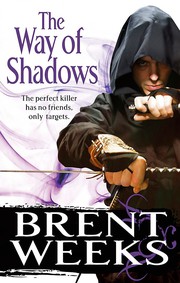
The Way of Shadows
2,965-word summary 13 min read 645 pages in the book
- First published
- 2008
- Publisher
- Orbit Books
- Pages
- 645
- ISBN
- 9781841497402
- Series
- Night Angel (#1)
Reading options
What's inside (8 sections)
I started The Way of Shadows because I wanted a big fantasy that actually commits to assassins. No cute thieves who never hurt anyone. No hero who talks about honor for six hundred pages and never pays for it. A friend told me this one opens in a gutter and stays dirty for a while. That sounded right for a cold week. I read it slowly, mostly at night, and I kept thinking about the cost of getting out.
The edition I am covering is the 2008 Orbit Books edition, cited at 645 pages. It is book one of the Night Angel series. That length gives it room for training scenes and street life and a war building in the background. I will retell the story in order, with spoilers, and I will be honest about where it lost me.
Why I picked up a fat assassin book
I have a soft spot for apprentice stories. Someone young and stuck gets picked by someone dangerous and skilled. Then comes the hard training and the slow change. I grew up on those tales. What drew me here was the promise that the teacher is not kind. Durzo Blint is not a wise old wizard with a beard. He is a killer for hire, famous and feared, and he does not want a student.
I also liked the size of it. Six hundred plus pages means the author has to build a city and a magic system and a war instead of a single duel. I wanted streets and guilds and safe houses. I wanted to see how killers get paid and how they hide. This book gives you that texture early. Food and mud and fear. Debts and threats. Kids trying to act tough while starving.
One warning I wish I had taken more seriously. This is a grim book. People hurt kids. Women get hurt to move male plots forward. Torture and murder sit on the page without much softening. If you need warm fantasy, this is not it. I kept reading because the core question pulled me. Can a boy raised in filth buy his way into a different life, and what will he have to cut off to do it.
Azoth in the gutters
Azoth is a street rat in the city of Cenaria. He belongs to a guild, but guild here does not mean a proud trade group. It means a gang of hungry kids run by older bullies who take their coin and hand out beatings. Azoth and his two friends live by stealing and begging and running. They sleep rough. They learn which alleys are safe and which men to avoid. They learn that crying gets you hit harder.
Azoth has pride under the dirt. He hates being helpless. He hates watching the guild leaders hurt smaller kids while he can do nothing. He has a soft spot for a girl his age, often called Doll Girl in early chapters, who later goes by Elene. I am using the name Elene for her through this summary because that is how Azoth thinks of the future he wants. A life where she is safe and fed and away from the streets. He does not have a plan to make that happen. He just has wanting.
The opening chapters show how cheap life is down there. A beating for holding back coins. A threat to sell or hurt the girl if the boys fail. Azoth starts looking for a way out that is bigger than running. He hears stories about Durzo Blint. A wetboy, which in this world means more than a common knife man. Wetboys are top killers, almost legends, tied to a kind of magic called Talent that lets them do things normal men cannot. Azoth decides to ask Blint to teach him. It sounds insane. It is insane. Desperate kids pitch insane plans.
I thought these early pages were strong. Weeks writes hunger well. He shows how Azoth counts coins and scraps and bruises. He shows how friendship works when no one has enough. My problem was how brutal it gets with children in danger. It is not there for shock alone, since it sets up why Azoth would agree to anything. Still, some scenes made me put the book down and stare at the wall. Know that going in.
The line that stayed with me early: Azoth would rather risk death with Blint than face slow death in the gutter.
Durzo Blint and the price of apprenticeship
Azoth finds Durzo Blint and begs for training. Blint says no in about ten ways. He is rude and cold. He tells the boy he has no gift and no future. He tells him to leave before he gets killed. Azoth keeps coming back. He offers anything. He means anything.
Blint finally sets a price that sounds impossible. Kill someone, or give up something that matters, or prove he can let go of his old self. I am keeping the exact test general here because different summaries remember the details a little differently and I do not want to state a wrong version as fact. The shape is clear. Blint wants Azoth to show he can act without freezing and that he can leave Azoth behind. The guild takes everything. Blint wants to see if the boy will take something back.
Azoth does what Blint asks, or close enough that Blint accepts him. He gets a new name. Kylar. A new name means a new life in this world. Azoth the rat dies in spirit so Kylar the apprentice can live. He leaves his friends and Elene, or thinks he has to for now. It hurts. The book lets it hurt. He does not march off excited. He walks off scared and guilty and hopeful all at once.
Training starts and it is miserable in a useful way. Blint is not a patient teacher. He hits. He mocks. He gives Kylar tasks that seem pointless until they save his life. He teaches him to watch hands and doors and roofs. He teaches him to lie still and to move quiet. He teaches him poisons and knives and how to read a mark. He also starts testing whether Kylar has Talent, the magic that marks true wetboys. Talent is rare. It lets users pull on extra strength and speed and shadow in ways that feel costly, not free.
I liked Blint a lot as a character even when I hated him. He is funny in a dry way. He drinks. He complains. He hides pain behind sarcasm. He also kills without much pause. The book never lets you forget that. Every lesson comes with a reminder. This skill is for ending lives. If you want it, you accept what it is for. Kylar wants out of the gutter badly enough to say yes, but saying yes changes how he sees himself.
Elene stays in his mind through all of this. He pictures earning enough to get her out. He pictures a small house and clean food. That dream keeps him going through beatings and drills. It also makes him lie to himself about what the work will require. He thinks he can learn killing and then stop. Blint knows better, or thinks he does, and says so in his own cruel way.
Learning to kill and learning Talent
The middle of the book is training mixed with city life. Kylar learns to fight dirty and clean. He learns to climb and hide and pick locks. He learns which poisons kill fast and which ones look like fever. He learns to wear fine clothes and act like a young lord when a job needs it. Blint throws him into jobs that grow harder. Watch this man. Follow that woman. Steal this item without being seen. Then later, hurt and kill.
Kylar is good but not perfect. He freezes. He bleeds. He throws up after his first real kills. He has nightmares. I appreciated that. Too many assassin books make murder feel like a video game. Here it feels heavy, at least early. Kylar tells himself the marks deserve it. Sometimes they do. Sometimes he is not sure. That doubt makes him human.
Talent wakes slowly. At first it is flashes. Extra speed when scared. Shadows that seem to bend. Healing that comes too fast. Blint watches and tests and warns him not to rely on it. Magic in this book has limits and prices. Using Talent tires the body. It draws attention from people who can sense it. It can fail at the worst time. Kylar has to learn control through practice and pain, not through a lecture. I liked that the magic felt physical. He sweats. He shakes. He pays.
Around him, Cenaria rots from inside while danger builds outside. Nobles plot. The court splits between weak rulers and hungry rivals. Crime lords trade favors. Blint takes contracts that pull Kylar into rooms where one wrong word means death. Kylar meets people who will matter later. A wise friend who teaches him letters and manners. A fighter who respects effort. A noblewoman with her own plans. I am leaving some names out because I want to avoid mixing up minor characters, but the sense is of a city full of threads pulling tight.
Elene reenters his life in a way that breaks his focus. She is older now and still poor and still kind. Kylar wants to save her in one move. He offers money and plans. She pushes back because she has pride too and because she sees he is hiding something. Their scenes are sweet and sad. He cannot tell her he kills for coin. She cannot trust a boy who vanishes and returns with clean hands and strange cash. I rooted for them even though I knew the book would use them to hurt me.
The guild past does not let go either. Old bullies remember Azoth. Old debts follow Kylar even under a new name. Friends from the gutter take different paths. One adapts. One breaks. That contrast hit me. Same start, different choices, different luck. The book does not pretend training fixes everything. Kylar still flinches at certain voices. He still counts exits in a room. You can take the boy out of the gutter, but his body remembers.
Invasion and the job that goes wrong
In the last third, war stops being rumor. A northern power with a hard faith and a cruel leader pushes toward Cenaria. Traders bring fear. Soldiers drill. Nobles argue about money while the threat grows. Inside the city, a struggle for the throne turns bloody. Contracts pile up. Blint gets pulled into high level kills that are less about coin and more about who will rule after the smoke clears.
Kylar gets a job that matters. Protect someone, or kill someone who will decide the fate of the city. I am phrasing it broadly because the late plot stacks betrayals and I do not want to misstate who hired whom. What matters is that Kylar stops being a student doing drills. He has to choose in real time with bad facts. He tries to save people he loves while finishing work he hates. Those goals collide.
The action gets big here. Rooftop chases. Fights in alleys and halls. Talent used openly. Wetboys facing each other with speed and shadow that normal soldiers cannot match. Weeks writes fights clearly. I could follow who was where and what each wound cost. One long night sequence had me holding my breath. Kylar takes hits and keeps moving because Talent and will push him past what should drop him. Then he pays for it after, shaking and sick.
Elene is caught in the middle, as loved ones always are in books like this. Without giving the exact beat wrongly, I will say she suffers because of Kylar's choices and because powerful men treat women as tools. That is also my biggest criticism, which I will get to below. For now, the plot point is that Kylar must decide what kind of killer he will be. One who walks away when the price gets personal, or one who finishes the job no matter who bleeds.
Blint's past comes forward too. He is older than he looks. He has lived through loss that shaped his cold rules. He cares for Kylar more than he admits, which makes him harsher, not softer. He tries to teach a final lesson. Power always bills you later. Magic always takes. Love makes you weak in the places enemies can reach. Kylar hears the lesson and rejects part of it. He wants to keep love and still be strong. The book does not tell you plainly if that is brave or stupid. It shows you what it costs.
The ending lands hard. The city falls or nearly falls, depending on how you count survival versus rule. Key deaths happen. Some are noble sacrifices. Some are wasteful. Kylar loses parts of himself he will not get back. He saves some people and fails others. Elene's fate and his choice about killing shape the final pages. There is no parade. There is quiet and grief and a sense that book two will pick up the pieces. I closed it feeling wrung out, which I mean as praise for impact even where I questioned choices.
What lands and what drags
What lands first is momentum. For a 645 page book, it rarely stalls. Training scenes teach skills that pay off in fights. Street scenes plant faces that return as allies or marks. Court scenes set up kills. I never felt I was reading filler. Even slow dinners teach manners Kylar will use to lie well later. That kind of setup and payoff kept me turning pages.
Blint also lands. He could have been a stock mentor. Instead he feels tired and funny and dangerous. His banter with Kylar gave me laughs in a dark book. His history gives the magic weight. When he talks about Talent and about the cost of long life, I believed him because his body shows it. He limps through pain other men would use as excuse. He works anyway.
The magic system mostly works for me. Talent is simple to grasp and hard to master. It boosts the body and bends shadow. It tires and fails. It can be sensed and tracked. True wetboys feel a step above normal killers without feeling like gods. Fights stay tense because Talent does not solve everything. Numbers and surprise and poison still matter. I like magic with bills attached, and this has them.
Now the drags, and they are real. The tone stays grim to the point of numbness. After a while I stopped flinching at cruelty, and I did not like that in myself. The book uses suffering to prove stakes, but it piles on. Dead friends. Hurt girls. Threatened kids. At some point grim stops feeling honest and starts feeling like a habit. Readers who like dark fantasy will take it as price of entry. I took it, but I noticed the toll.
Pacing of information is uneven. Weeks loves his world and sometimes stops the story to explain it. How the guilds rank. How magic channels work. How the court lines run. Some of this is needed. A lot arrives in lumps. I skimmed two or three explainers that read like notes. A steadier drip would have helped. Show me in a job, then tell me the rule once I care.
My sharpest complaint is how women are handled. Elene is kind and brave, but much of her role is to suffer and inspire Kylar. Other women get power and skill, yet the camera still lingers on their pain to fuel male choices. This is the classic fridge problem, where female hurt powers male growth. The book is from 2008, and tastes have shifted, but even then it would have stung. I wanted more scenes where Elene and others act for their own aims, not only as reasons for Kylar to bleed.
Kylar himself can annoy. He whines about being forced to kill while taking coin to kill. He keeps secrets from people trying to help him, then feels betrayed when they guess wrong. He makes the same mistake with Elene twice. I get it. He is young and raised in fear. Still, there were nights I wanted to shake him and say pick a path and own it. Blint feels that way too, which at least means the book knows.
Prose is plain and fast, which fits the story. Dialogue snaps. Descriptions of fights are clear. Descriptions of clothes and rooms can repeat. I did not mind. I was here for plot and pain, not poetry. If you want lush sentences, look elsewhere. If you want a page turner about a boy trying to outrun his name, this delivers.
Who should read it. Fans of assassin fantasy and apprentice tales who can handle gore and gloom. Readers who like magic with costs and fights with consequences. People who want a long series starter that ends with loss, not triumph. Skip it if you need kind mentors, safe kids, or women centered as actors rather than motives. Try a sample of the first eighty pages. If Azoth on the street grabs you, you will ride the rest. If the cruelty pushes you off, trust that instinct. The book does not soften.
I am glad I read it, and I am tired. I care about Kylar and Elene and even Blint with his sour jokes. I want to know what survival costs them next. I will pick up book two after a lighter read.
FAQ
Who wrote The Way of Shadows and when was it published?
Brent Weeks wrote it, published in 2008 by Orbit Books.
Is The Way of Shadows part of a series?
Yes, it is book 1 in the Night Angel series.
How long is the cited edition?
The cited edition runs 645 pages.
Similar books
More from Night Angel first, then related titles.
Shadow's Edge
Kylar fakes death as a king killer while Vi hunts him for the Godking.
2,245-word summary · 10 min read
Beyond the Shadows
Kylar Stern bargains with the Wolf, hunts a legendary sword, and faces a goddess wearing the face of the woman he loves in the Night Angel finale.
2,467-word summary · 11 min read
Fool's Errand
FitzChivalry Farseer has lived in exile for fifteen years. When Prince Dutiful vanishes before his betrothal, Fitz returns to Buckkeep to find him, with a wolf…
2,606-word summary · 12 min read
Towers of Midnight
Perrin faces Whitecloak judgment and the wolf dream while Mat enters the Finns' tower for Moiraine.
2,099-word summary · 9 min read
The Gathering Storm
Rand hardens toward breaking the world while Egwene holds the White Tower from a cell in the twelfth Wheel of Time book.
2,176-word summary · 10 min read
Rhythm of War
Kaladin breaks, Navani holds Urithiru, and Shallan faces the honorspren as war turns inward.
3,095-word summary · 14 min read
Assassin's Quest
Fitz returns from death with Nighteyes, walks the Skill road to Verity, and wakes stone dragons at a hard price.
3,081-word summary · 14 min read
The Fires of Heaven
Rand leads the Aiel to war over Cairhien while the White Tower splits, in book five of The Wheel of Time.
2,287-word summary · 10 min read
Royal Assassin
Fitz grows into Skill and Wit while Regal starves Buckkeep and Verity fades on a mountain road.
2,135-word summary · 9 min read
The Shadow Rising
Rand the Dragon heads for Rhuidean with the Aiel, while Perrin defends the Two Rivers and Elayne and Nynaeve hunt trouble in Tanchico.
3,194-word summary · 14 min read
The Great Hunt
Rand hunts the stolen Horn of Valere across the land while Egwene and Nynaeve face the Seanchan and the White Tower.
2,516-word summary · 11 min read
The Dragon Reborn
Rand flees to Tear to claim Callandor while Perrin, Mat, and Egwene are drawn after him to the fallen Stone.
2,644-word summary · 12 min read
Oathbringer
Dalinar chases unity in Urithiru while Kholinar falls and an old oath demands payment.
3,513-word summary · 16 min read
Words of Radiance
Kaladin guards Dalinar, Shallan hunts Urithiru, and the Everstorm gathers.
2,754-word summary · 12 min read
Assassin's Apprentice
Bastard Fitz trains Skill Wit as assassin for Buckkeep.
2,518-word summary · 11 min read
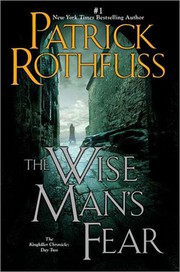
The Wise Man's Fear
Kvothe leaves the University to serve Maer Alveron in Vintas, then survives Felurian, the Adem and a trial back home.
2,788-word summary · 12 min read
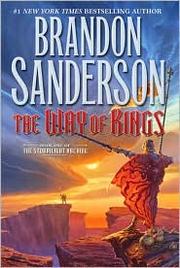
The Way of Kings
A slave, a warlord, and a scholar thief collide on a storm battered world marching toward an old war.
2,359-word summary · 10 min read
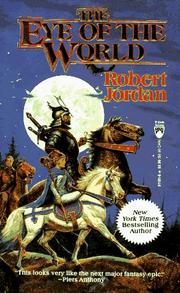
The Eye of the World
Farm boys flee Trollocs with Moiraine and Lan, split at Shadar Logoth, and trek to the Eye in the Blight.
2,454-word summary · 11 min read
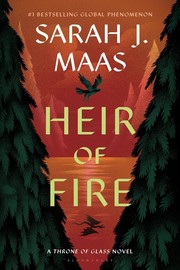
Heir of Fire
Celaena hides in Wendlyn as heir Aelin and trains with Rowan, while Dorian loves healer Sorscha, Chaol doubts his king, and Manon bonds with Abraxos. Full plot…
2,313-word summary · 10 min read
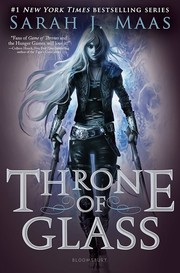
Throne of Glass
Throne of Glass book 1 retold: Celaena out of Endovier, the contest, Dorian, Chaol, and the castle tests.
1,926-word summary · 9 min read
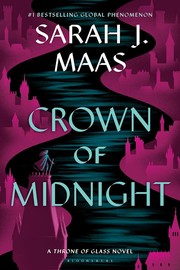
Crown of Midnight
Crown of Midnight, the second Throne of Glass book, follows Celaena as the King's Champion, a faked death, Nehemia's murder, and her return to Endovier.
2,255-word summary · 10 min read

The Blinding Knife
Kip trains to join the Blackguard while the Prism hides his true identity, loses his colors, and fights a war against a rogue drafter who wants to birth a god.
2,049-word summary · 9 min read
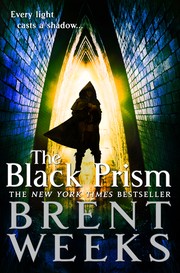
The Black Prism
Dying Prism Gavin Guile hides a secret son while war brews over color magic in the Seven Satrapies.
2,169-word summary · 10 min read

Inkdeath
The final Inkworld novel sends Mo into the land of the dead, leaves Meggie choosing between two boys, and ends the Adderhead's immortality with three written…
2,062-word summary · 9 min read
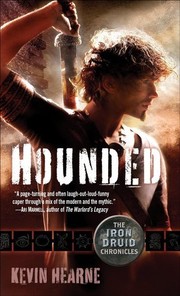
Hounded
A two-thousand-year-old druid runs a bookshop in Arizona, hides from an Irish god who wants his sword back, and talks to his dog.
2,159-word summary · 10 min read
Dawnshard
Rysn sails toward forbidden Akinah to save her dying larkin and finds a Dawnshard guarded by the Sleepless.
3,229-word summary · 14 min read
The Field Guide
Three siblings move into a creepy Maine estate, anger a brownie, and find a forbidden guide to the fairy world in the first Spiderwick book.
2,033-word summary · 9 min read

Magic Burns
A magic flare hits Atlanta, and mercenary Kate Daniels must recover stolen maps, find a missing witch, and keep a teenage girl alive while Celtic gods try to…
2,021-word summary · 9 min read
Year One
A plague released in Scotland kills most of humanity, and the survivors discover magic, build a town, and wait for a child who may save them.
2,029-word summary · 9 min read
The Secret of the Nagas
Shiva hunts the Naga who attacked Sati, discovers her hidden twin sister and lost son, and follows the trail to the Naga capital of Panchavati.
2,442-word summary · 11 min read