

Rhythm of War
3,095-word summary 14 min read 1232 pages in the book
- First published
- 2020
- Publisher
- Tor Books
- Pages
- 1232
- ISBN
- 9780765326386
- Series
- The Stormlight Archive (#4)
Reading options
What's inside (8 sections)
I finished Oathbringer on a Sunday and told myself I would take a break before the next Stormlight book. That lasted about two days. I kept thinking about Kaladin sitting on the floor in Urithiru, about Shallan hearing voices that were not quite hers, about Dalinar trying to hold a coalition together with promises and visions. So I picked up Rhythm of War, the fourth book in The Stormlight Archive, published in 2020 by Tor Books. It is a big one, 1232 pages in the Tor hardcover, and it reads like Sanderson decided to put the whole war inside one tower and then turn off the lights.
The setup is simple to describe and hard to live through. A year has passed since the battle at Thaylen Field. Dalinar Kholin and his Knights Radiant hold Urithiru, the old tower city high in the mountains. The enemy holds most of the world outside. Neither side can land a clean win. The Fused, ancient singers returned to war, keep coming back. The Radiants are stretched thin. Supplies move by spanreed and airship and prayer. Jasnah is now queen in Alethkar in practice, trying to govern while armies move. Szeth wanders the edges of the story with his strange sense of honor. Lift eats and jokes and dodges responsibility the way only Lift can. And in the middle of all that, the tower itself starts to fail.
I picked it up right after Oathbringer
What surprised me first was how quiet the opening feels for such a long book. There is a prologue set at a feast, the night Gavilar died, told from Navani's point of view. We have seen that night before through other eyes. Hearing it from her changes it. She loved Gavilar in a complicated way, she doubted him, she noticed the strange sphere he carried and the odd things he said. It reframes her. She is not just Dalinar's wife and the scribe who runs the scholars. She was already watching, already asking questions, already underestimated by the men around her.
That set the tone for me. This is Navani's book the way Oathbringer was Dalinar's and Words of Radiance leaned on Shallan and Kaladin. There are still Eshonai and Venli flashbacks woven through, which I will get to, but the emotional center kept pulling back to Navani in the tower, Kaladin on leave and falling apart, and Shallan pretending she is fine while she splits into pieces.
I should say plainly who this book is for. If you have not read The Way of Kings, Words of Radiance, and Oathbringer, do not start here. Sanderson does give reminders. He tells you what Stormlight is, what Shardplate does, who the Fused are. But the plot assumes you remember Moash killing Elhokar, Adolin killing Sadeas, Shallan killing her parents, Kaladin swearing the Third Ideal, Dalinar opening a Perpendicularity at Thaylen Field. Without that weight, the choices here will feel abstract. With it, they hurt in the right way.
Kaladin at the bottom of the tower
Kaladin Stormblessed starts this book exhausted. That is the only honest word for it. He has spent years pulling people out of burning buildings, literal and otherwise, and his body and mind are done. He cannot sleep without seeing the men he failed. Teft, his old sergeant turned Radiant, tries to help and mostly makes it worse by worrying. Dalinar gives Kaladin leave and a job that sounds kind and feels like a demotion: go home to Hearthstone, rest, check on your family.
I found these chapters hard to read in a good way. Sanderson writes depression without turning it into a puzzle to solve. Kaladin goes home and his father Lirin still disapproves of killing, his mother Hesina still fusses, his little brother Oroden still looks up to him. The town still fears the singers who now live among them. Kaladin tries to be useful. He sets a broken leg. He talks a young singer out of despair for one night. He sits with his own thoughts and loses. There is a scene where he just stays in bed while Syl, his honorspren, hovers nearby and does not know what to say. Anyone who has been there will recognize it. Helpful people say rest. Rest does not help yet.
Back in Urithiru, things get worse. The enemy sends a strike team into the tower through a way nobody expected. The Sibling, the ancient spren who powers Urithiru, is attacked and wounded. The tower's defenses go strange. Radiant powers flicker and cut out floor by floor. The Windrunners lose Stormlight when they need it most. Kaladin, barely functional, ends up as one of the few people who can still move and fight in parts of the tower because his bond works a little differently and because he refuses to stay down.
His arc through the occupation is brutal. He fights the Pursuer, a Fused who loves hunting him, in a running battle through corridors and shafts. He loses. He wins. He loses again. At one point he is climbing the outside of the tower in a storm with a broken body because there is no one else. Teft falls. That death broke me. Teft had been sober, then not sober, then trying again, and his last stand at the top of the tower with the Bridge Four motto on his lips felt earned and cruel at once. Moash, now called Vyre and serving the enemy, plays a part in it that made me put the book down and walk around the room. I hated him and I understood why Kaladin could not forgive him and could not save him either.
The payoff is the Fourth Ideal. I will not print the exact words here because hearing Kaladin say them in context matters, but the sense is that he accepts he cannot protect everyone, and that continuing to try is still worth doing. It lands because Sanderson does not cure him. After he swears it, Kaladin is still sad, still tired, still himself. He can fly again, he can fight, but the book lets him stay hurt. His father helps him build a kind of therapy group for other soldiers with shaking hands and bad dreams. Those pages, with Lirin finally respecting what his son knows about fear, moved me more than any duel.
Navani and Raboniel argue with light itself
While Kaladin bleeds in the corridors, Navani gets the other half of the siege. The Fused take the tower and instead of killing her, their leader Raboniel keeps her alive to work. Raboniel is a Fused scientist, ancient, polite, ruthless. She wants the secrets of Urithiru, the Sibling, and the lights that power Radiants and Fused alike. She tells Navani they are colleagues. Navani, who has spent her life being called a scholar but treated as a patron, decides to act like a scholar.
This is the part of the book people either love or skim. I loved most of it. Navani and her ardents have been studying fabrials, the devices that trap spren in gems to heat rooms or lift platforms or send messages. Now, with Raboniel watching, Navani starts testing Stormlight and Voidlight side by side. She measures tones. She hums. She notices that light has a rhythm, almost a song, and that opposite lights cancel each other. With the captive Sibling fading, Navani works out how to make Towerlight in a small way, then how the enemy could make anti-Stormlight, a light that can kill spren for good.
It sounds technical and sometimes it is. There are chapters where characters talk about gem frequencies and cymatics patterns while the tower shakes. I got sleepy once or twice around the middle. But the science is never just science. Raboniel wants anti-Stormlight to end the war by making Radiant bonds lethal. Navani realizes too late what she helped create. The moment when a scholar understands her discovery will be used as a weapon is written with real guilt. She had wanted respect. She got it from the worst possible peer.
Their conversations are the best dialogue in the book. Raboniel speaks Alethi well, remembers old wars, misses her daughter, and still orders executions. Leshwi, another Fused who has grown tired of cruelty, starts to question the war from inside. Navani bonds with the Sibling slowly, through pain and apology, and eventually speaks words that make her a Bondsmith. I cheered out loud. After three books of men swearing oaths on battlefields, watching a middle-aged mother and engineer swear an oath about listening and building felt right. Her power is not flashy at first. She connects, she steadies, she holds the tower together while Kaladin holds the people.
The climax of their thread is frightening. The enemy creates anti-Stormlight and uses it. Spren scream and die in a way we have not seen before. Navani has to choose whether to use the same knowledge back. She does, in defense of the Sibling, and the cost sits with her. Sanderson does not pretend this is clean. A weapon that kills a kind of soul is still a weapon, even when it saves your home.
Shallan and Adolin go to ask the honorspren for help
The third big thread leaves Urithiru entirely. The coalition needs more Radiants, but the honorspren in Shadesmar, the Cognitive side where spren live, have stopped bonding humans. Adolin and Shallan lead an embassy to Lasting Integrity, the honorspren fortress, to plead their case. They bring Maya, Adolin's deadeye spren, whose eyes are wrong and whose voice comes back in fragments. They bring Pattern, Shallan's Cryptic, and a small crew that includes a few fan favorites.
Travel in Shadesmar is strange and fun. The sea is made of beads. The sky is wrong. Spren cities have rules about law and oath that feel like courtroom drama mixed with fantasy. Lasting Integrity is cold in every sense. The honorspren put Adolin and Shallan on trial more than they negotiate. Humans broke oaths long ago, the Recreance, and the spren have not forgiven it. Adolin, who has never bonded a living spren and cannot use Stormlight, has to defend the idea that humans are worth trusting again. His only witness is Maya, who can barely speak.
I liked Adolin more here than in any earlier book. He is not the strongest or smartest person in the room. He is kind in a steady way. He cares for Maya without expecting a power-up. When he finally gets her to speak in court, and she says what was done to her people in a broken but clear voice, it hit harder than most battle scenes. The honorspren vote shifts a little. Not all the way. Enough to matter later when Kaladin needs help and the sky cracks open.
Shallan's part is harder to praise without reservation. Her arc is about her three selves: Shallan the girl, Veil the spy, Radiant the soldier. By now Veil and Radiant act on their own, argue, take over. Sanderson reveals there is a fourth, a hidden self who did the worst thing in her past. The reveal makes sense of her childhood murders and her bond with Cryptics who love hidden truths. But we have watched her fracture and fuse for two books already. Another round of “which voice am I hearing” slowed the embassy chapters for me. I started skimming her internal debates to get back to Adolin and the trial.
There is also spy business. One of Shallan's personas may be working with the enemy, or with the Ghostbloods, the secret group with off-world ties. The betrayal, when it comes, is sad and believable. Shallan has always wanted to belong somewhere that would use her cleverness. The Ghostbloods used it. Adolin loves her anyway, which is sweet and also a little too easy. I wanted one harder conversation between them about lies. We get part of one, then the plot rushes on.
Still, the Lasting Integrity sequence pays off. It explains why honorspren fear humans, it gives Maya a voice, it sets up future Windrunners, and it lets Adolin win by being decent rather than by being powerful. In a series full of godlike fights, that choice stood out.
Venli remembers Eshonai while Taravangian makes his move
The flashbacks belong to Eshonai, Venli's sister, who died in an earlier book. We see her as a scholar and explorer among the listeners, the singers who wanted freedom from both humans and gods. She finds Stormform, she pushes her people toward it to survive, she realizes too late what she unleashed. Venli in the present has to live with her part in that. She chose power, she served the wrong voices, she watched her sister die. Now she bonds a new spren, tries to be a Radiant of a different order, and fails a lot.
I did not expect to care about Venli this much. She is prickly, self-serving, often wrong. But her chapters with the work crews, trying to protect singers who are forced to fight for the Fused, give the war a ground-level view we rarely get. She learns the old rhythms, the songs her people use to hold emotion and memory. The title starts to make sense here. War has a rhythm, a beat that pulls people into marching even when they want to stop. Venli tries to hear a different one.
Dalinar, meanwhile, spends most of the book away from the front, trying diplomacy and visions. He sends missions, argues with Jasnah about ethics, worries about his nephew's throne and his own past. His visions from the Stormfather show the enemy moving, but Dalinar cannot act directly without breaking the fragile coalition. Some readers will find him passive here. I did at times. He feels like a general stuck in meetings while his tower burns. His big moments come late, and they are quieter than in Oathbringer: a decision about trust, a refusal to trade lives cheaply, a late arrival that matters because of what he chooses not to do.
Taravangian is the opposite. He moves constantly. The old Alethi king, brilliant on some days and slow on others because of his deal with Cultivation, plays both sides and tells himself it is to save everyone. His chapters are chilling because he is always kind in person and always calculating underneath. His endgame in this book changes the whole series. He goes to confront Odium, the godlike force behind the enemy, with a plan to trap or bargain. What happens instead is bigger. I will not spoil the exact mechanics, but the power that was Odium ends the book in different hands, with a different mind behind it, and a promise of a contest to come. If you thought the war was about armies, the last hundred pages tell you it was also about contracts, loopholes, and one very clever old man who outsmarted himself into godhood.
Szeth gets a smaller but memorable thread. He trains with Kaladin briefly, which is funny and sad, two broken killers trying to teach each other how to live. He follows Dalinar's orders, questions them, and ends the book pointed toward a reckoning with his own past that the next book will have to face. Lift pops in to steal food and save people by accident. Jasnah stabs a theological debate through the middle of a war council and makes a hard call about prisoners that I am still thinking about. Was she right? The book does not tell you. I liked that.
The parts that frustrated me
For all the things I loved, Rhythm of War is too long in the middle and it knows it. The siege of Urithiru is exciting, but the book keeps cutting away just as tension peaks to check on another group. Navani tests a gem. Shallan argues with herself. Venli walks through a tunnel. Kaladin sleeps. Repeat. Around page 600 I felt the pace sag. I started reading the Navani science chapters in bed and waking up with the book on my face. Not because they are dumb. Because they are paced like lab notes while people are dying upstairs.
The reliance on prior books is also a real barrier. A friend asked if she could read this one first because she likes tower sieges. I said no. You need to know why Teft matters, why Maya's voice matters, why Taravangian's intelligence changes daily, why Lirin hates the sword. Sanderson tries to remind you, but reminders are not relationships. Without three books of history, the Fourth Ideal is just a cool speech.
And Shallan's split selves, as I said, feel stretched. The final reveal about her past is strong, but getting there takes many internal arguments that sound similar. I found myself missing the Shallan who drew spren in a notebook and lied her way into a palace. She is still there, just buried under layers the book keeps adding instead of removing.
Even so, I closed the book satisfied. The last 200 pages move fast. Kaladin and Szeth fight together in a way that shows how far both have come. Navani holds a tower with song and will. Adolin gets a verdict he earned. Taravangian makes a choice that reframes everything Odium was. The epilogue, with Wit telling a story that is really a warning, left me uneasy in the best way. I immediately wanted the next book, Wind and Truth, even though I knew it would be another thousand pages.
Would I recommend it? If you made it through Oathbringer and still care about these people, yes, without hesitation. Give yourself time. Read it in chunks. Let the slow chapters sit. The highs here are among the best in the series: a surgeon learning to ask for help, an engineer learning the cost of knowing, a prince with no powers defending the idea that broken bonds can heal. That is a lot to carry in one tower. Most of the time, Sanderson carries it.
If you bounced off the series for bloat, this one will not win you back. It is longer, stranger, and more interested in magic physics than any Stormlight book so far. But if you stayed for Bridge Four, for Pattern's jokes, for Dalinar's stubborn hope that people can change, Rhythm of War gives you enough light to keep going. Just keep a bookmark handy. You will need to rest, same as Kaladin. That feels intentional, and I respected it.
FAQ
When was Rhythm of War published?
Tor Books published it on November 17, 2020. The US hardcover runs 1232 pages with ISBN 9780765326386.
Is Rhythm of War part of a series?
Yes. It is book four of The Stormlight Archive, after Oathbringer and before Wind and Truth, with Eshonai and Venli flashbacks.
Can I start with Rhythm of War?
No. Start with The Way of Kings. Rhythm of War assumes you know Kaladin, Shallan, Dalinar, Navani, Urithiru, and the Everstorm.
Similar books
More from The Stormlight Archive first, then related titles.

The Way of Kings
A slave, a warlord, and a scholar thief collide on a storm battered world marching toward an old war.
2,359-word summary · 10 min read
Words of Radiance
Kaladin guards Dalinar, Shallan hunts Urithiru, and the Everstorm gathers.
2,754-word summary · 12 min read
Edgedancer
Hungry street thief Lift and her vine-like friend Wyndle cross the Herald Nale in Tashikk when a child emperor shows Radiant signs and she refuses to step…
2,328-word summary · 10 min read
Oathbringer
Dalinar chases unity in Urithiru while Kholinar falls and an old oath demands payment.
3,513-word summary · 16 min read

Dawnshard
Rysn sails toward forbidden Akinah to save her dying larkin and finds a Dawnshard guarded by the Sleepless.
3,229-word summary · 14 min read

Towers of Midnight
Perrin faces Whitecloak judgment and the wolf dream while Mat enters the Finns' tower for Moiraine.
2,099-word summary · 9 min read

The Blinding Knife
Kip trains to join the Blackguard while the Prism hides his true identity, loses his colors, and fights a war against a rogue drafter who wants to birth a god.
2,049-word summary · 9 min read
The Tower of the Swallow
Ciri flees as a bandit while Geralt gathers allies to find her.
2,580-word summary · 11 min read
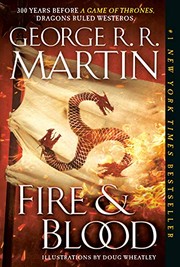
Fire & Blood
Archmaester Gyldayn chronicles Aegon the Conqueror through the Dance of the Dragons, with Doug Wheatley art across 752 pages.
3,268-word summary · 15 min read
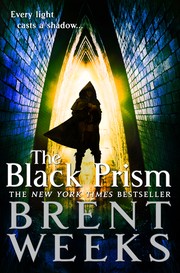
The Black Prism
Dying Prism Gavin Guile hides a secret son while war brews over color magic in the Seven Satrapies.
2,169-word summary · 10 min read
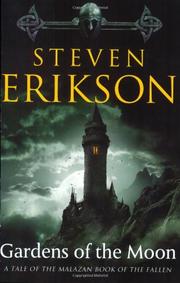
Gardens of the Moon
Empire, gods, and mages collide over Darujhistan as Bridgeburners bleed for Empress Laseen.
2,188-word summary · 10 min read
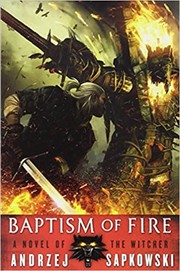
Baptism of Fire
Wounded Geralt crosses war country with odd allies to find Ciri after the Thanedd coup.
2,076-word summary · 9 min read

Winter's Heart
Trapped in Far Madding without the Power, Rand baits his betrayers while Mat plots escape from Ebou Dar and Elayne fights for Caemlyn.
2,906-word summary · 13 min read
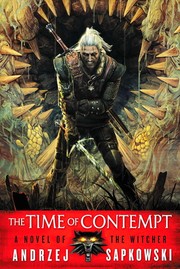
The Time of Contempt
Geralt and Yennefer shelter Ciri as mages split and war breaks over the Thanedd coup.
2,355-word summary · 10 min read

The Path of Daggers
Rand wields Callandor against Seanchan while Elayne and Egwene maneuver.
2,492-word summary · 11 min read
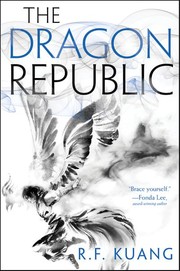
The Dragon Republic
Rin survives the last war only to join the Dragon Warlord against the Empress, trading one brutal fight for another.
2,810-word summary · 12 min read
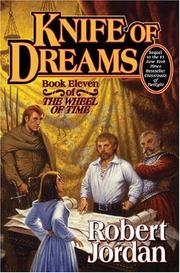
Knife of Dreams
Rand sets a Seanchan trap while Mat weds Tuon, Perrin storms Malden, Elayne takes Caemlyn, and Egwene defies Elaida.
2,988-word summary · 13 min read
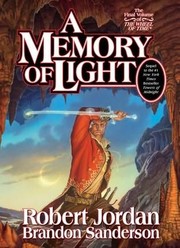
A Memory of Light
Rand faces the Dark One at Shayol Ghul as all armies join the Last Battle.
2,165-word summary · 10 min read

The Gathering Storm
Rand hardens toward breaking the world while Egwene holds the White Tower from a cell in the twelfth Wheel of Time book.
2,176-word summary · 10 min read
Rule of Wolves
A strained king, storm general, and spy witch face invasion, saints, and old shadows in finale.
2,372-word summary · 11 min read

The Way of Shadows
Street rat Azoth trades his old life to train as Kylar under killer Durzo Blint, learning wetboy skills and costly Talent as war threatens Cenaria.
2,965-word summary · 13 min read
The Fires of Heaven
Rand leads the Aiel to war over Cairhien while the White Tower splits, in book five of The Wheel of Time.
2,287-word summary · 10 min read
Blood of Elves
Geralt shelters Ciri at Kaer Morhen while Triss and Yennefer train her wild Source talent as Rience hunts her and Northern kings and Nilfgaard plot open war…
3,394-word summary · 15 min read
The Shadow Rising
Rand the Dragon heads for Rhuidean with the Aiel, while Perrin defends the Two Rivers and Elayne and Nynaeve hunt trouble in Tanchico.
3,194-word summary · 14 min read

The Poppy War
A war orphan wins a place at Sinegard academy, bonds with a fire god, and faces invasion.
2,977-word summary · 13 min read
The Great Hunt
Rand hunts the stolen Horn of Valere across the land while Egwene and Nynaeve face the Seanchan and the White Tower.
2,516-word summary · 11 min read

The Dragon Reborn
Rand flees to Tear to claim Callandor while Perrin, Mat, and Egwene are drawn after him to the fallen Stone.
2,644-word summary · 12 min read
Inheritance
Eragon and Saphira march on Uru'baen to end Galbatorix, with hidden hearts and hard goodbyes.
3,160-word summary · 14 min read
Brisingr
Eragon rescues Katrina, backs a dwarf king, and earns a burning sword.
2,214-word summary · 10 min read

House of Flame and Shadow
Bryce lands outside Midgard while Hunt sits in Asteri dungeons and the war for two worlds builds.
2,983-word summary · 13 min read