
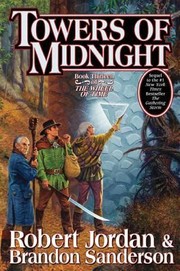
Towers of Midnight
2,099-word summary 9 min read 864 pages in the book
- First published
- 2010
- Publisher
- Tor Books
- Pages
- 864
- ISBN
- 9780765325945
- Series
- The Wheel of Time (#13)
Reading options
What's inside (11 sections)
I came to Towers of Midnight straight off The Gathering Storm because Rand's laughter on Dragonmount demanded follow through. Robert Jordan and Brandon Sanderson published it in 2010 with Tor Books. My reading follows the 864 page hardcover. It is the thirteenth in The Wheel of Time. Perrin reckons with the Whitecloaks and the wolf dream, Mat enters the Tower of Ghenjei for Moiraine, Egwene binds a fractured Tower, and Rand plans a final peace. It juggles more threads than its predecessor and mostly earns the spin.
After Veins of Gold, Rand is gentler and stranger. He visits followers personally, apologizes where he can, and summons the Borderland rulers who marched south to judge him. They expect a tyrant. They find a shepherd arranging a last muster. That meeting, with proud horse lords testing his temper and finding calm, resets the board for the Last Battle. Rand no longer demands. He asks, which frightens them more.
Perrin's hammer and trial
Perrin Aybara carries the book's heaviest arc, and it suited me fine after his thin Storm showing. Haunted by the wolf within and by men he killed, including Whitecloaks under a dark influence, he agrees to stand trial before the Children of the Light. The trial chapters test Sanderson's handling of Jordan's moral knots. Perrin admits killing, pleads the madness of battle and trolloc coercion, and accepts judgment from people who hate him. That humility, offered without groveling, is pure Perrin. Slow, stubborn, and fair.
Around the trial runs the wolf dream war. Slayer, the killer who walks Tel'aran'rhiod, hunts wolves and dreamers alike. Perrin trains with Hopper's memory and with Egwene's guidance, learning that the dream needs balance between wolf and man. His choice of hammer over axe crystallizes here. The axe takes. The hammer builds. Forging Mah'alleinir with help and sweat, Perrin names himself protector rather than executioner. That forge sequence, with heat, doubt, and Faile watching, is the book's most satisfying single scene. Work as redemption.
Faile's thread braids through with politics of her own. She manages refugees, supplies, and Perrin's temper, proving again that she leads as surely as he does. Their marriage, strained by jealousy and duty since Malden, steadies here through plain talk rather than grand vows. Perrin tells her what the wolves whisper. She tells him what armies cost. Those exchanges ground epic in household truth. A marriage can be a war council that holds.
The trial's verdict and its aftermath split readers. Some will find the resolution merciful to a fault. I found it consistent with the book's argument that justice in the Last Battle must bind rather than bleed. Perrin walks free but marked, owing weregild and memory. That debt will ride with him to the final volume, which feels right. Forgiveness that costs nothing means nothing.
Mat and the Tower of Ghenjei
Mat Cauthon's thread is pure adventure after books of buildup. To rescue Moiraine, lost since the docks, he must enter the Tower of Ghenjei, halls of the Eelfinn and Aelfinn, where wishes cost flesh. He prepares with Thom Merrilin and Noal, who proves to be the legendary Jain Farstrider grown old and kind. Their planning chapters fizz with Mat's humor covering fear. Dice in his head. A foxhead medallion. An ashandarei spear. Old songs sung too loudly before doors.
Inside, the Finns bargain in riddles and take prices literally. Mat demands exit, answers, and Moiraine. They take what they take. I will not detail the costs beyond saying Mat pays in body for what he wins in love and knowledge, and that Thom's courage with music against unkillable strangeness moved me more than any battle. Gleemen jokes become weapons. That turn feels deeply Jordan. The powerless talk their way past gods.
Moiraine's return lands with earned strangeness. Diminished in the Power, sharpened in purpose, she reunites with Lan and Rand in scenes that crackle with old debts. Lan's ride toward Tarmon Gai'don gathers its last riders. Those reunions payoff a thousand pages of absence. Readers who waited since the docks will weep a little. I did. The Tower took years. It gave back exactly enough.
Noal's fate deserves its own grief. The old hero finds the ending he chased across worlds and spends it freely for friends. Sanderson writes his last walk without fanfare, which honors a character built on quiet persistence. Heroes who outlive legends get to choose their final page. Noal chooses well.
Egwene binds the Tower
Egwene al'Vere, confirmed Amyrlin after the Seanchan raid, spends this book doing the unglamorous work of rule. She reunites rebels and loyalists without purges of pride, hunts the Black Ajah with Verin's list, and rebuilds trust floor by floor. Those council chapters could drag in lesser hands. Here they accumulate like masonry. Every small decision, who guards, who studies, who apologizes, steadies walls cracked by invasion.
Her dream war with Mesaana forms the spine. The Forsaken hides among sisters, striking in Tel'aran'rhiod where Egwene is strong but stretched. Their confrontations blend channeling duels with debates about authority. Mesaana serves power. Egwene serves the Tower. That distinction decides more than weaves. Perrin's aid in the dream, wolf backed and humble, tips balances without stealing Egwene's victory. She wins as Amyrlin, not as rescued girl. That ownership matters after books of men explaining her chair to her.
The Black Ajah purge pays off Verin's sacrifice with grim satisfaction. Sisters tested, exposed, and stilled or executed. Egwene hates the necessity and orders it anyway. Leadership without illusions. Longtime readers who waited volumes for this cleansing will feel relief braided with sorrow. The Tower survives smaller and harder. So does its mother.
Rand's arrival at the Tower with a startling revelation for Egwene closes their long estrangement. Student and Amyrlin, friends turned near enemies, meet as near equals before the end. Their scenes balance warmth and protocol. Old affection. New rank. Both intact. That reconciliation steadies the whole series for its final march.
Elayne, Aviendha, and the gathering
Elayne Trakand secures Andor and brokers alliances with the windfinders and border powers, proving the Lion Throne earns its place in the final order. Her chapters mix court bargaining with channeling logistics. Some readers find them slow. I found them necessary ballast. Wars need grain, oaths, and heirs. Elayne provides all while very pregnant and very stubborn. Mat's visit to her court adds spark and a very Mat gift that only he would think tactical.
Aviendha's Rhuidean journey delivers the book's most haunting visions. Walking the glass columns as Wise One apprentice, then seeing the future of the Aiel through rings, she witnesses descendants dwindling into irrelevance after the Last Battle. Those futures, bleak and specific, reframe victory as beginning rather than end. Her determination to change that fate gives the Aiel thread purpose beyond spears. A people must survive peace, which is harder than surviving war.
Rand's Dragon's Peace proposal ties all courts together. Nations will keep borders and settle disputes without war, under his oath and the threat of his return. That plan draws eye rolls from cynics in world and readership. Peace by dragon is still dragon. Rand knows. He offers it anyway as scaffolding while peoples learn. Whether it holds belongs to the final volume and to memory of his laughter on the mountain. A man who chose life can ask nations to try the same.
What towers and what wobbles
What towers is Perrin's completion, Mat's rescue, Egwene's rule, and Aviendha's visions. The Pattern feels genuinely close to breaking, with bubbles of evil, food spoiling, and the dead walking. Dread accumulates through small wrongness rather than set battles. That atmospheric pressure suits a penultimate volume. The end is not coming. It leaks.
What wobbles is balance. Rand himself gets less page time than his peace deserves. Elayne's bargaining circles. Some Perrin trial chapters repeat his guilt loop from earlier books. Sanderson's pace, fast and explanatory, still differs from Jordan's languor in ways longtime readers feel in clothing and custom shorthand. I noticed and kept turning because momentum serves endings. Languor built the world. Speed spends it.
Length at 864 pages demands commitment but rewards with four genuine climaxes across threads. No single battle dominates. Instead vows, hammers, rescues, and visions align like seals cracking in reverse. The Tower of Ghenjei sequence alone justifies the volume for adventure lovers. Perrin's hammer justifies it for character readers. Egwene's Tower justifies it for politics fans. Something here will carry you.
The Last Battle leaks through
What distinguishes this penultimate volume is how the end leaks rather than arrives. Bubbles of evil warp reality in small ways. Food spoils overnight. Mirrors show wrong faces. The dead walk in villages with messages no one ordered. Those wrongnesses, reported in brief interludes between main threads, accumulate dread better than any single battle. The Pattern itself unravels, and ordinary people feel it in milk and glass before soldiers feel it in swords. That domestic apocalypse suits Jordan's worldview. History happens in kitchens first.
Rand's own channeling shows the strain and the healing together. After Dragonmount he can no longer access the same rage yet senses the Dark One's touch more keenly. His meetings with Borderlanders, Aiel chiefs, and sea folk map a coalition built on apology as much as authority. He returns stolen authority, frees damane where he can, and asks Wise Ones to judge his plans. Those consultations slow the plot deliberately. A king who once commanded now convenes. That change is the book's quiet thesis. Power shared before the end prevents tyranny after it.
Nynaeve's thread deserves praise for how it completes her long arc from village Wisdom to Aes Sedai who keeps both. She heals madness where possible, confronts Egwene without flinching, and stands with Rand not as follower but as checker. Her marriage to Lan, facing his final ride, gets scenes of plain devotion that avoid melodrama through brevity. Wash his cloak. Sharpen his sword. Say what matters once. Those beats land because the book trusts readers to fill feeling around spare words. Less has become more for these two. It suits them.
Gawyn, Galad, and the whitecloaks turning
Secondary swordsmen carry surprising weight here. Gawyn Trakand, torn between sister and Tower, finally chooses Egwene with his life rather than his complaints. His duel work and his sulky guard duty resolve into devotion that acts instead of monologues. Galad Damodred, leading Whitecloaks toward the Last Battle, faces Perrin's trial with rigid honor that bends just enough to admit peace. Those parallel brothers, one blood to Elayne and one to Rand's cause through Egwene, show how the series redeems proud young men without excusing their blindness. Serve something larger badly, then better. Both learn.
The Black Tower thread hums underneath with dread about male channelers splitting. Logain's glory seeking and the Taim influenced turn toward shadow get setup rather than payoff here, which frustrates readers wanting resolution. Trust the deferral. The final volume needs its armies and its traitors staged. This book positions both while spending its climaxes on Perrin, Mat, and Egwene. Not every thread resolves per volume. Jordan trained readers in patience across fourteen books. Sanderson honors that rhythm by leaving Logain's drums beating off page. They will sound soon enough.
Aviendha's future visions
Aviendha's trip through Rhuidean's glass columns and the rings deserves isolated praise as the book's boldest swing. Where past viewings showed Aiel history, hers show possible futures where her descendants watch the Seanchan and a broken White Tower grind the Aiel into irrelevance. Those chapters read like science fiction inside fantasy, all dusty relentlessness and cultural fade. They reframe the entire Last Battle as prelude rather than finale. Winning means nothing if peace erases the winners. Her resolve to change that fate by demanding a place for Aiel in Rand's peace gives the finale political stakes beyond survival. Peoples must be written into treaties, not just thanked in songs.
Who should climb
Give Towers of Midnight to Wheel of Time readers who finished Gathering Storm and need Perrin and Mat restored. Do not start here. You will drown in wolves, Finns, and Ajahs. Pair it with Knife of Dreams memories of Malden to feel how far Perrin traveled from axe shame to hammer oath.
At 864 pages I read it across six nights, marking forge and Finn pages. Rand starts arranging peace and ends riding toward the last field with armies behind and laughter remembered. That image, a shepherd who was steel learning to ask, carries the series toward its close. One volume remains. The dice roll on.
FAQ
When was Towers of Midnight published?
Tor Books published it on November 2, 2010. The hardcover runs 864 pages and the ISBN is 9780765325945.
Is it part of a series?
Yes. It is book thirteen of The Wheel of Time, between The Gathering Storm and A Memory of Light.
Whose arcs carry it?
Perrin's hammer over axe, Mat's entry to the Tower of Ghenjei, and Egwene binding the Tower behind Rand's peace.
Similar books
More from The Wheel of Time first, then related titles.
The Eye of the World
Farm boys flee Trollocs with Moiraine and Lan, split at Shadar Logoth, and trek to the Eye in the Blight.
2,454-word summary · 11 min read
The Great Hunt
Rand hunts the stolen Horn of Valere across the land while Egwene and Nynaeve face the Seanchan and the White Tower.
2,516-word summary · 11 min read
The Dragon Reborn
Rand flees to Tear to claim Callandor while Perrin, Mat, and Egwene are drawn after him to the fallen Stone.
2,644-word summary · 12 min read
The Shadow Rising
Rand the Dragon heads for Rhuidean with the Aiel, while Perrin defends the Two Rivers and Elayne and Nynaeve hunt trouble in Tanchico.
3,194-word summary · 14 min read
The Fires of Heaven
Rand leads the Aiel to war over Cairhien while the White Tower splits, in book five of The Wheel of Time.
2,287-word summary · 10 min read
Lord of Chaos
Rand offers amnesty to men who can channel while Egwene is raised Amyrlin in exile. Book six of The Wheel of Time builds toward rescue and reckoning at Dumai's…
2,255-word summary · 10 min read
A Crown of Swords
After Dumai's Wells, Rand holds Cairhien while Egwene besieges Tar Valon and Elayne and Nynaeve hunt relief in Ebou Dar. Book seven crowns kings and queens at…
2,828-word summary · 13 min read
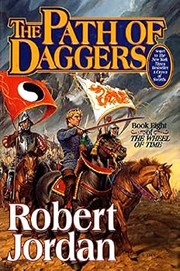
The Path of Daggers
Rand wields Callandor against Seanchan while Elayne and Egwene maneuver.
2,492-word summary · 11 min read
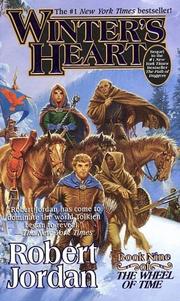
Winter's Heart
Trapped in Far Madding without the Power, Rand baits his betrayers while Mat plots escape from Ebou Dar and Elayne fights for Caemlyn.
2,906-word summary · 13 min read
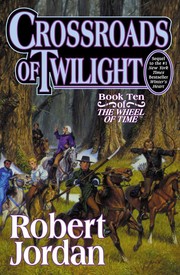
Crossroads of Twilight
Rand cleansed saidin and the whole world felt it. Book ten follows each faction as they react, stall, and choose sides.
2,264-word summary · 10 min read
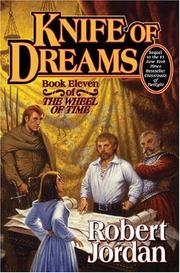
Knife of Dreams
Rand sets a Seanchan trap while Mat weds Tuon, Perrin storms Malden, Elayne takes Caemlyn, and Egwene defies Elaida.
2,988-word summary · 13 min read
The Gathering Storm
Rand hardens toward breaking the world while Egwene holds the White Tower from a cell in the twelfth Wheel of Time book.
2,176-word summary · 10 min read
A Memory of Light
Rand faces the Dark One at Shayol Ghul as all armies join the Last Battle.
2,165-word summary · 10 min read
The Time of Contempt
Geralt and Yennefer shelter Ciri as mages split and war breaks over the Thanedd coup.
2,355-word summary · 10 min read
Rhythm of War
Kaladin breaks, Navani holds Urithiru, and Shallan faces the honorspren as war turns inward.
3,095-word summary · 14 min read
Blood of Elves
Geralt shelters Ciri at Kaer Morhen while Triss and Yennefer train her wild Source talent as Rience hunts her and Northern kings and Nilfgaard plot open war…
3,394-word summary · 15 min read
Oathbringer
Dalinar chases unity in Urithiru while Kholinar falls and an old oath demands payment.
3,513-word summary · 16 min read
Words of Radiance
Kaladin guards Dalinar, Shallan hunts Urithiru, and the Everstorm gathers.
2,754-word summary · 12 min read
The Way of Kings
A slave, a warlord, and a scholar thief collide on a storm battered world marching toward an old war.
2,359-word summary · 10 min read

The Blinding Knife
Kip trains to join the Blackguard while the Prism hides his true identity, loses his colors, and fights a war against a rogue drafter who wants to birth a god.
2,049-word summary · 9 min read
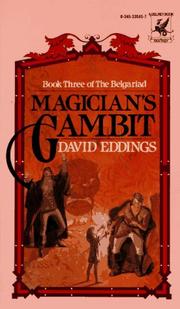
Magician's Gambit
Garion and his companions cross haunted Maragor and the caves beneath Rak Cthol to recover the Orb of Aldur.
2,391-word summary · 11 min read
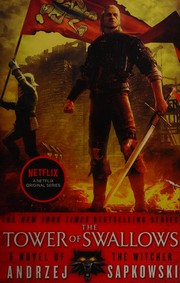
The Tower of the Swallow
Ciri flees as a bandit while Geralt gathers allies to find her.
2,580-word summary · 11 min read
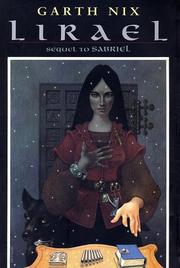
Lirael
A Sightless Clayr girl and a prince afraid of Death join the Dog and Mogget to stop necromancers from waking the Destroyer Orannis at the Red Lake while old…
2,692-word summary · 12 min read
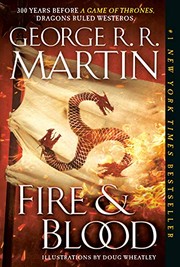
Fire & Blood
Archmaester Gyldayn chronicles Aegon the Conqueror through the Dance of the Dragons, with Doug Wheatley art across 752 pages.
3,268-word summary · 15 min read
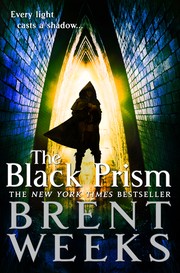
The Black Prism
Dying Prism Gavin Guile hides a secret son while war brews over color magic in the Seven Satrapies.
2,169-word summary · 10 min read
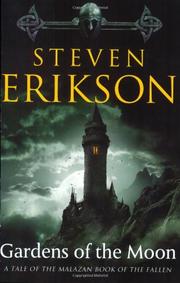
Gardens of the Moon
Empire, gods, and mages collide over Darujhistan as Bridgeburners bleed for Empress Laseen.
2,188-word summary · 10 min read
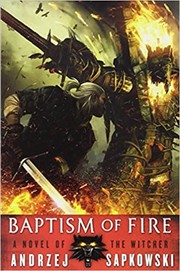
Baptism of Fire
Wounded Geralt crosses war country with odd allies to find Ciri after the Thanedd coup.
2,076-word summary · 9 min read
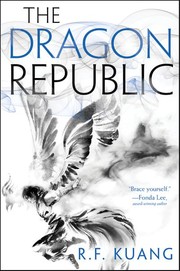
The Dragon Republic
Rin survives the last war only to join the Dragon Warlord against the Empress, trading one brutal fight for another.
2,810-word summary · 12 min read
Rule of Wolves
A strained king, storm general, and spy witch face invasion, saints, and old shadows in finale.
2,372-word summary · 11 min read

The Way of Shadows
Street rat Azoth trades his old life to train as Kylar under killer Durzo Blint, learning wetboy skills and costly Talent as war threatens Cenaria.
2,965-word summary · 13 min read