
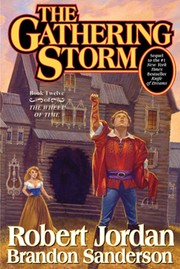
The Gathering Storm
2,176-word summary 10 min read 783 pages in the book
- First published
- 2009
- Publisher
- Tor Books
- Pages
- 783
- ISBN
- 9780765302304
- Series
- The Wheel of Time (#12)
Reading options
What's inside (12 sections)
I came to The Gathering Storm nervous. Robert Jordan died in 2007 with The Wheel of Time unfinished, and Brandon Sanderson was asked by Jordan's wife and editor Harriet McDougal to finish it from notes. This book, published in 2009 by Tor Books, is the twelfth in The Wheel of Time. My reading follows the 783 page hardcover. It splits into what was meant to be one final volume, so it ends with more beginnings than endings, but the two threads it follows are strong.
The situation is grim. Rand al'Thor, the Dragon Reborn, is hardened past kindness. He has a wound that never heals, a link to the Forsaken Moridin, and a plan to break the Seanchan truce and shatter the world to save it. Egwene al'Vere, raised as Amyrlin by rebels, is a prisoner in the White Tower, taking punishment daily while the Tower itself splits under Elaida. The Last Battle is close. Everyone feels weather wrong, food spoiling, the dead walking in villages.
Rand hardens past mercy
Rand dominates the first half, and he is hard to like. He laughs rarely, trusts almost no one, uses the True Power once with horror, and keeps lists of women who died for him that he recites like prayer. Nynaeve, Cadsuane, Min, and his Aiel guards watch him calcify.
Sanderson writes Rand's despair clearly. He tries to be steel because steel does not cry. He banishes Cadsuane for failing him, almost kills his father Tam in a rage when Tam brings a sword, and decides to destroy the Seanchan and perhaps the world to force peace. The scene with Tam is awful in a good way. Tam comes with love. Rand sees manipulation. The One Power crackles. Rand stops himself late, weeping, and the shame does not soften him. It scares him.
His campaign moves through Arad Doman and the Borderlands. He meets the Seanchan daughter Tuon, now Empress Fortuona, to seek truce. She demands his kneeling. He refuses. Talks collapse. He takes a city with balefire and fury, then wonders why people flinch. Min loves him and fears him. Nynaeve heals bodies but can not reach his head. Those dynamics carry the book.
What works here is that Rand's mistakes have costs. Crops fail. Allies plot. His own hand shakes. What drags is repetition of his internal spiral. Three chapters of Rand thinking the world must break can feel like one chapter three times. Still, the arc is heading somewhere, and you sense Jordan's outline underneath.
Egwene in the Tower
Egwene is the reason to read this volume. Captured, reduced to novice, beaten by Silviana for disobedience, she refuses to bend. Elaida orders her punished. Egwene accepts pain and uses it.
Her method is simple and brave. She does her chores perfectly, attends lessons humbly, and in every private talk with sisters, from cooks to Sitters, she speaks calmly about unity, the rebellion, the need for a whole Tower. She will not curtsy to a lie. She eats slops. She scrubs floors. She keeps her head.
Sanderson captures her voice well. She is stubborn, mannered, and politically sharp. Scenes with Silviana, who beats her fairly and comes to respect her, are excellent. Scenes with Elaida, who builds a palace while the Tower crumbles, show two kinds of authority. One commands rooms. One earns halls.
The White Tower politics can be dense. Names pile up, Ajahs scheme, the Black Ajah hides. But Egwene's chapters have clear stakes. Will the rebels hold? Will the Tower Ajahs turn on Elaida? When the Seanchan attack Tar Valon mid book, Egwene leads the defense from the walls while Elaida panics. That sequence, with damane collars, burning roofs, and novices throwing fire, is thrilling and pays off her suffering.
The Seanchan strike
The Seanchan assault on the White Tower is the set piece. They come by to'raken, seeking damane and revenge, guided by a Forsaken. Sisters are collared. Libraries burn. Egwene, still a prisoner in law, takes charge because no one else can organize.
I liked how messy it is. Aes Sedai who looked down on Egwene follow her orders. New weaves fail. Old terrors return. Gawyn bleeds trying to reach her. Siuan organizes boats. The Tower that seemed invincible proves fragile. Afterward, no one can pretend Elaida leads. That shift feels earned, not staged.
Rand hears of it late. His reaction, cold calculation about advantage, shows how far he has fallen. Egwene's reaction, grief for sisters even those who beat her, shows why she is Amyrlin in fact before title.
Mat, Perrin, and the edges
Mat Cauthon and Perrin Aybara get less room here, which annoyed me at first. This was meant to be one book, then split, so their arcs pause. Mat travels toward the Tower of Ghenjei to save Moiraine, argues with the Red Hand, dices with fate. Perrin wrestles with the wolf dream, Faile, and his hammer versus axe choice.
Their chapters feel like bridges. Mat's humor still lands, his charm with soldiers, his terror of Aes Sedai letters. Perrin's brooding circles a bit. If you love them, you will miss them. If you love Egwene and Rand, you will not mind. The book is honest about its focus. It says on the page that time is short and choices narrow.
Verin Mathwin gets a quiet, vital thread. Her long game, built over decades, pays off in a reveal about the Black Ajah list that changes the Tower war. I will not spoil the mechanism, but her final hour is one of the most moving in the series. A small brown sister who loved books outsmarts monsters by patience. That is very Jordan.
The Veins of Gold turn
The climax belongs to Rand on Dragonmount. After failing with Tuon, nearly killing Tam, and learning of a loss that breaks his last restraint, he goes to the peak to destroy the world and himself. He draws the Choedan Kal level of power through the access key, screams at the Creator, demands answers.
Then, slowly, memory returns. Not tactics. Joy. His fathers, his friends, the women he loved, the farm, the festivals, believed in him. He remembers that to live is to love and fail and try again. He laughs. The book calls the chapter Veins of Gold, and it earns the name.
I found this sequence powerful even though it is mostly internal. Rand chooses life. The wound in his side eases in meaning if not flesh. Light breaks over Dragonmount. For readers who suffered through his cruelty for six hundred pages, the turn feels like rain. It does not excuse what he did. It explains what he can still become.
Sanderson handles this without copying Jordan's cadence exactly. The sentences are shorter, the metaphors plainer. Some fans will notice. I noticed and did not care much by the end because the emotion lands.
What holds and what creaks
What holds is Egwene from start to finish, Verin's payoff, the Seanchan battle, and Rand's final hour. The politics of Arad Doman, the council with the Borderlanders, and Cadsuane's exile and return give texture. The White Tower feels like a real institution under stress, with cooks, novices, and guards mattering.
What creaks is voice shift. Jordan's languor, his clothes and customs and braid tugs, is trimmed. Sanderson moves faster, explains more, repeats key traits to keep you oriented. Nynaeve tugs less and acts more. Thom jokes less. Some dialogue sounds modern in a medieval world. Longtime readers will feel the seam.
Pacing also sags in the middle Doman chapters. Grain, councils, and skirmishes blur. Perrin's absence leaves a hole for his fans. Mat's dice and letters tease a rescue that waits for the next volume. If you wanted all threads advanced, you will be frustrated. This is really Rand and Egwene's book.
Cadsuane, Nynaeve, and holding Rand's leash
Cadsuane Melaidhrin, exiled by Rand in anger, does not vanish. She waits in a manor with sorrows and plans, interviewing Tam, questioning Min, sorting which of Rand's old teachers failed him. Nynaeve, who once shouted at warders, learns to work with Cadsuane because both love the same stubborn boy in different ways. Their scenes together crackle. Two strong women who refuse to flatter Rand try to save him from himself.
Tam's role deserves note. He raised Rand in the Two Rivers, taught him the flame and the void, gave him a heron sword. When Cadsuane sends him to Rand with that sword, it is both peace offering and test. Rand fails the test at first, nearly killing the man who taught him to shoot. Later, remembering Tam's hands mending fences, Rand finds the memory that pulls him back on the mountain. That through line, father to son to mountain, gives the book its spine.
Min keeps reading, keeps loving, keeps telling truth when Rand wants flattery. Her viewings show darkness around him thickening. She stays, shares his bed and his silence, and tells Nynaeve when she is scared. Aviendha, absent for much of the book, returns with Aiel wisdom about toh and duty that steadies Rand's Aiel guards. The women around Rand are not prizes. They are anchors, and the book shows what happens when a man cuts rope after rope.
Arad Doman itself, with its council of merchants, starving ports, and Forsaken Graendal pulling strings from a palace of compelled servants, could have been its own novel. Rand brings food, takes oaths, fails to find Graendal, burns a palace in fury. The grain details, ships stuck, ledgers empty, mothers begging, ground the epic in hunger. I wished for one less council and one more street scene, but the hunger stays with you.
The Tower heals and breaks
After the Seanchan attack, the White Tower must choose. Elaida, captured in the raid, vanishes into a collar. Silviana, who beat Egwene fairly, stands by her. Sitters meet in secret, novices whisper, the Ajahs count strength. Egwene, still technically a prisoner, is asked to lead because she already did on the walls.
Her healing of the Tower is political and personal. She reunites the rebel and loyalist sisters without shaming either side. She honors those who held, forgives those who dithered, and names the Black Ajah threat plainly using Verin's list. That list, compiled over seventy years at cost of soul, lets Egwene strike cleanly. Sisters are tested, arrested, stilled. The purge is painful and necessary. Longtime readers who waited books for this cleansing will feel relief.
Gawyn's arc intersects here. He loves Egwene, distrusts Aes Sedai, bleeds defending her, and finally kneels to her authority while keeping his stubborn honor. His duel with Seanchan bloodknives and his sulky guard duty add action and romance without derailing. Siuan, reduced in power but not wit, mentors Egwene in how to smile while counting votes. Those small lessons in power, when to speak, when to let silence work, are some of the best pages.
By the end Egwene is Amyrlin in law as well as fact. The Tower still has holes in its walls and its heart, but it has a leader who scrubbed its floors. That image, hands red from lye, leading sisters who once ordered her beaten, captures why her thread outshines all others here.
Traveling with Mat toward rescue
Mat's chapters, though fewer, give needed air. He drills the Red Hand, jokes with soldiers about dice, writes an unsent letter to Tuon that he crumples. His humor is not filler. It shows a man who copes with fate by laughing while loading crossbows. His march toward the Tower of Ghenjei, with Thom and Noal, promises a rescue that Jordan planned as emotional payoff for Moiraine fans. The Finns' rules, iron, music, and greed, are sketched enough to excite without spoiling.
Perrin's wolf dream sequences, with Hopper guiding and Slayer hunting, remind that the Last Battle is not only armies but spirit. His struggle to choose hammer over axe, building over killing, mirrors Rand's larger choice. Faile's captivity aftermath still shadows their marriage, with jealousy and pride flaring. Those domestic strains ground epic in marriage talks around campfires, which Jordan always loved.
Even minor Aes Sedai get moments. Silviana's fairness, Saerin's bluntness, Yukiri's curiosity. The Tower feels populated, not just led. That depth helps new readers sense history without info dumps.
Who should brave it
Give it to Wheel of Time readers who finished Knife of Dreams and need the turn toward the end. Do not start here. You will drown in names. Pair it with a reread of Egwene's rise in the rebel camp to feel how far she has come from innkeeper's daughter to Amyrlin who takes beatings without breaking.
At 783 pages I read it in five nights, marking Egwene pages with corners. Rand starts counting the dead and ends laughing on a mountain. That image, a man who tried to become iron choosing to be human again, is why the series endures past its flaws. The storm gathers, yes, but someone finally learns to stand in rain without cursing sky.
FAQ
When was The Gathering Storm published?
Tor Books published it on October 27, 2009. The hardcover runs 783 pages and the ISBN is 9780765302304.
Is The Gathering Storm part of a series?
Yes. It is book twelve of The Wheel of Time, the first of three volumes completing Jordan's story from notes, with Towers of Midnight next.
Why are there two authors?
Robert Jordan created the series and Brandon Sanderson completed it from notes after Jordan died in 2007, chosen by Harriet McDougal.
Similar books
More from The Wheel of Time first, then related titles.

The Eye of the World
Farm boys flee Trollocs with Moiraine and Lan, split at Shadar Logoth, and trek to the Eye in the Blight.
2,454-word summary · 11 min read
The Great Hunt
Rand hunts the stolen Horn of Valere across the land while Egwene and Nynaeve face the Seanchan and the White Tower.
2,516-word summary · 11 min read

The Dragon Reborn
Rand flees to Tear to claim Callandor while Perrin, Mat, and Egwene are drawn after him to the fallen Stone.
2,644-word summary · 12 min read
The Shadow Rising
Rand the Dragon heads for Rhuidean with the Aiel, while Perrin defends the Two Rivers and Elayne and Nynaeve hunt trouble in Tanchico.
3,194-word summary · 14 min read
The Fires of Heaven
Rand leads the Aiel to war over Cairhien while the White Tower splits, in book five of The Wheel of Time.
2,287-word summary · 10 min read

Lord of Chaos
Rand offers amnesty to men who can channel while Egwene is raised Amyrlin in exile. Book six of The Wheel of Time builds toward rescue and reckoning at Dumai's…
2,255-word summary · 10 min read
A Crown of Swords
After Dumai's Wells, Rand holds Cairhien while Egwene besieges Tar Valon and Elayne and Nynaeve hunt relief in Ebou Dar. Book seven crowns kings and queens at…
2,828-word summary · 13 min read
The Path of Daggers
Rand wields Callandor against Seanchan while Elayne and Egwene maneuver.
2,492-word summary · 11 min read
Winter's Heart
Trapped in Far Madding without the Power, Rand baits his betrayers while Mat plots escape from Ebou Dar and Elayne fights for Caemlyn.
2,906-word summary · 13 min read

Crossroads of Twilight
Rand cleansed saidin and the whole world felt it. Book ten follows each faction as they react, stall, and choose sides.
2,264-word summary · 10 min read
Knife of Dreams
Rand sets a Seanchan trap while Mat weds Tuon, Perrin storms Malden, Elayne takes Caemlyn, and Egwene defies Elaida.
2,988-word summary · 13 min read

Towers of Midnight
Perrin faces Whitecloak judgment and the wolf dream while Mat enters the Finns' tower for Moiraine.
2,099-word summary · 9 min read
A Memory of Light
Rand faces the Dark One at Shayol Ghul as all armies join the Last Battle.
2,165-word summary · 10 min read

Magician's Gambit
Garion and his companions cross haunted Maragor and the caves beneath Rak Cthol to recover the Orb of Aldur.
2,391-word summary · 11 min read
Lirael
A Sightless Clayr girl and a prince afraid of Death join the Dog and Mogget to stop necromancers from waking the Destroyer Orannis at the Red Lake while old…
2,692-word summary · 12 min read
The Wise Man's Fear
Kvothe leaves the University to serve Maer Alveron in Vintas, then survives Felurian, the Adem and a trial back home.
2,788-word summary · 12 min read

The Blinding Knife
Kip trains to join the Blackguard while the Prism hides his true identity, loses his colors, and fights a war against a rogue drafter who wants to birth a god.
2,049-word summary · 9 min read

Inkdeath
The final Inkworld novel sends Mo into the land of the dead, leaves Meggie choosing between two boys, and ends the Adderhead's immortality with three written…
2,062-word summary · 9 min read

Dawnshard
Rysn sails toward forbidden Akinah to save her dying larkin and finds a Dawnshard guarded by the Sleepless.
3,229-word summary · 14 min read
The Field Guide
Three siblings move into a creepy Maine estate, anger a brownie, and find a forbidden guide to the fairy world in the first Spiderwick book.
2,033-word summary · 9 min read
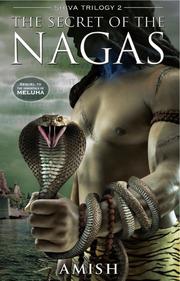
The Secret of the Nagas
Shiva hunts the Naga who attacked Sati, discovers her hidden twin sister and lost son, and follows the trail to the Naga capital of Panchavati.
2,442-word summary · 11 min read
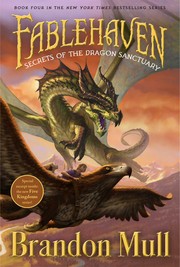
Secrets of the Dragon Sanctuary
Kendra is replaced by a plant copy and held by the Society, while Seth steals a unicorn horn so the family can enter a dragon sanctuary.
2,590-word summary · 12 min read

Lioness Rampant
Alanna searches for the Dominion Jewel with the Shang Dragon, then returns to Tortall to face Duke Roger at Jonathan's coronation.
2,478-word summary · 11 min read
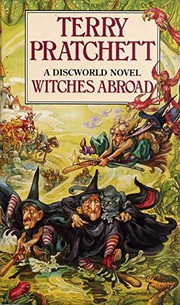
Witches Abroad
Three Lancre witches fly to Genua to stop a fairy godmother from forcing a servant girl into a storybook marriage, and find a city arranged around a happy…
2,651-word summary · 12 min read
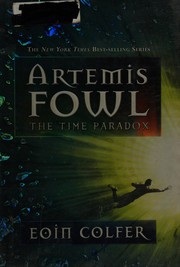
The Time Paradox
When his mother falls ill with a fairy disease, Artemis Fowl travels back in time to find the extinct lemur that can cure her and confronts his younger self.
2,601-word summary · 12 min read

The Golem's Eye
Two years after The Amulet of Samarkand, Nathaniel is a rising bureaucrat, Bartimaeus is his unwilling servant again, and something made of clay is tearing…
2,299-word summary · 10 min read
Homeland
Drizzt Do'Urden is born into the cruel drow city of Menzoberranzan, where his father teaches him to fight and to doubt everything his family believes.
2,303-word summary · 10 min read
Enchanters' End Game
Garion marches toward Torak while Ce'Nedra leads the West's army in the final Belgariad volume, where prophecy and war meet.
2,557-word summary · 11 min read

Nettle & Bone
Marra, a princess in a convent, leaves to save her abused sister, but first she must finish three impossible tasks: a bone dog, a nettle cloak, moonlight in a…
2,061-word summary · 9 min read
Grip of the Shadow Plague
A plague turns Fablehaven's creatures of light into shadows while Kendra hunts an artifact in Arizona and Seth races to find the cause.
2,131-word summary · 9 min read