
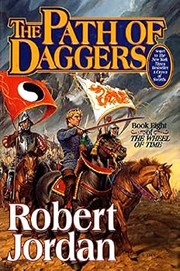
The Path of Daggers
2,492-word summary 11 min read 604 pages in the book
- First published
- 1998
- Publisher
- Tor Books
- Pages
- 604
- ISBN
- 9780312857691
- Series
- The Wheel of Time (#8)
Reading options
What's inside (8 sections)
I picked up The Path of Daggers knowing its reputation. People call it the slowest of the slow middle books, the shortest Wheel of Time book that still feels long. That tag made me curious rather than wary. I had just finished A Crown of Swords, where Rand took the Laurel Crown in Illian and Elayne and Nynaeve used the Bowl of the Winds in Ebou Dar, or started to. I wanted to see what Jordan would do with a shorter page count. This is The Path of Daggers by Robert Jordan, published in 1998 by Tor Books, 604 pages in the edition cited here. It is book eight of The Wheel of Time, right after A Crown of Swords.
My copy is a thick small print paperback with a bent cover. I read it over nine days, mostly on the couch after work, with notes on who was marching where. Spoilers follow. I will walk through the threads in order, the way the book lays them out, and I will keep some battle details general where the choreography blurs for me. I would rather say I am unsure than invent a formation that was never on the page.
The shortest book in the series
The first thing to know is the shape of this book. At 604 pages in the cited edition, it is the shortest novel in The Wheel of Time. That surprises people who remember it as a slog. Short does not mean fast here. Jordan spends those pages on councils, marches, sieges, and weather, with one huge channeling battle near the end and a lot of waiting before it.
That waiting is the point and also the problem. Rand has crowns now. Egwene has an army that is still more hope than steel. Elayne has a claim to a throne and a treasure that can fix the sky. Perrin has a wife and a camp and a growing fear that he cannot keep both safe. None of them can finish anything quickly, because every move needs carts, food, oaths, and permission from proud people who hate giving it.
I read the first hundred pages slowly and then found a rhythm. Read one thread at a time in your head. Pay attention when someone is tired or afraid, because Jordan writes fatigue well here.
If you come from A Crown of Swords expecting another coronation, adjust. This book is about holding what was taken. Holding Cairhien. Holding Illian. Holding the siege. Holding a marriage. Holding sanity when a voice in your head will not go quiet.
Rand, Callandor, and the Seanchan
Rand al'Thor opens this book in trouble that rank cannot fix. He holds Cairhien and Caemlyn and Illian after the events of A Crown of Swords, where he took the Laurel Crown in Illian. He has Min near him, reading his moods with plain honesty. He has the wound in his side that never heals clean. He has Lews Therin talking in his skull, angry and afraid in turns. And he has the taint on saidin, the male half of the True Source, pressing on every seizure of power.
His plan is bold. The Seanchan have taken Ebou Dar and much of Altara with armies, collared channelers called damane, and strange beasts. They fight in ordered ranks and they do not frighten easily. Rand means to meet them with a new kind of war. He brings Asha'man from the Black Tower, men led in practice by Mazrim Taim, trained to channel in formation like archers with the One Power for arrows. He means to strike hard and drive the invaders back into the sea.
To do it, he takes Callandor. That crystal sword has hung over the story since The Dragon Reborn. It sits in the Stone of Tear, waiting for the Dragon Reborn in prophecy. It magnifies the Power hugely but it has flaws. It lacks a buffer that keeps a man from drawing too much. It works best linked with women. Rand knows some of this and not all of it. He is in a hurry, which in this series always costs blood.
The march south and the battle that follows are the center of the book. I will keep the exact order of pushes general, because Jordan cuts between hilltops and I lost track of one flanking move on first read. The shape is clear enough. Rand sets his Asha'man on ridges above a Seanchan force near Ebou Dar. Channeling tears the ground. Lightning walks. Fire blooms. Seanchan ranks break and reform and break again. For a time it looks like the Dragon Reborn will win a clean victory of the sort songs like.
Then the Power takes him. Or he takes too much of it. Lews Therin howls. Rage fills the link. Rand keeps drawing through Callandor past sense, past orders, past pleas. His own men die in the storm he calls. Allies burn alongside enemies. The Seanchan suffer terribly but they do not collapse, and Rand has to be pulled back or he would have killed everyone on that hillside, friend and foe alike.
I found those pages awful in the right way. Jordan does not let Rand explain it away. Rand knows he lost control. His followers know it too. Men who had knelt in awe at Dumai's Wells now look at him sideways. Aes Sedai who swore to him go pale. Min stays, which says much about her, but even she cannot smooth this one over with a joke. Trust, once cracked here, stays cracked for books to come.
When strength starts to scare friends
What stayed with me after the battle was not the lightning but the silence after. Rand cannot sleep well. He snaps at people who bring true reports. He apologizes and then does it again. The sickness from the taint makes him dizzy when he seizes saidin. Lews Therin mutters about killing and about Ilyena and about never again, and Rand cannot always tell which thoughts are his.
This is where the book earns its title for me. The path of daggers is not one road. It is every meeting, every order, every link where one wrong word cuts. Rand tries to be gentle with Min and turns cold with commanders. He tries to be firm with the Asha'man and hears Taim's lessons coming out of their mouths, lessons about hardness that sound close to cruelty. He wants loyal soldiers and wise counsel and he gets fearful obedience instead.
The small ones like this carry the cost better.
He vanishes for long runs while other threads march, and I missed his voice.
Egwene and the siege of Tar Valon
Egwene al'Vere has the thread I admired most on this read, even though it moves slowly. At the end of the prior books she had been raised Amyrlin by the rebels in Salidar, young and supposed to be easy to guide. By The Path of Daggers she is anything but easy. She leads those rebels toward Tar Valon to press a siege against Elaida, who holds the White Tower in the city.
A siege here does not mean stone walls battered daily. It means boats stopped, food taxed, bridges watched, letters passed in secret, and long meetings where Sitters argue while the river keeps flowing. Egwene cannot storm the Tower. Her force is too small and too raw. She can choke supply and wait and show the world a lawful alternative to Elaida. That is slow work and Jordan does not hurry it.
What I liked was how Egwene learns to rule proud women. Romanda and Lelaine head rival blocks among the Sitters. Sheriam as Keeper tries to guard her. Siuan, stilled and humbled after being deposed as Amyrlin, coaches her on tone and timing. Egwene listens, then decides herself. She calls audiences. She asks direct questions that force clear answers. She studies maps and grain counts the way a captain would. She works in Tel'aran'rhiod, the World of Dreams, to gather news in ways that frighten even strong sisters.
There are long tent scenes. If you love council talk, they reward patience. Egwene lets rivals think they steer while she moves the rudder a finger at a time. She makes errors. She trusts a smooth voice once and pays for it. She has to swallow anger in front of women twice her age. But her aim stays plain. The rebels cannot beat Elaida by copying her pride. They need to be steady and lawful and ready when the Tower itself starts to doubt.
Give Egwene room. Her pages are the spine of the book even when Rand draws the fire.
Elayne, Nynaeve, and the Bowl of the Winds
Elayne Trakand and Nynaeve al'Meara carry the thread with the clearest prize. The weather has been wrong for a long time. Heat lingers when snow should fall. Crops fail. The Dark One's touch has set the seasons out of joint. In Ebou Dar they sought the Bowl of the Winds, an artifact that can mend the weather when used rightly with a linked circle. This book shows the use and the price.
Ebou Dar itself is hot and loud and strict about custom. Knives flash over honor. Women run much of the public order in ways that confuse Rand's men. Elayne acts like the queen she means to be even with few guards. Nynaeve tugs her braid less here, or I noticed it less, and shows the courage that has always lived under her temper. They quarrel and forgive and quarrel again. I laughed and sighed in turn. Jordan writes their friction with affection, though some readers will tire of the repeated tics.
Their search runs through the Kin, women who left the Tower quietly or failed tests and now live long hidden lives. That reveal changes how age and strength read across the series. It also gives the pair guides who know the city better than any Tower map. Danger shadows them, including Forsaken attention and thieves who want the Bowl for coin, and that threat keeps slower inn scenes from going slack.
The use of the Bowl is the warm heart of the book. I will keep method general and let the novel show the weave. A circle forms. Women link. Wind shifts far off and then near. Heat breaks. Rain comes where rain had failed. People who never cared for thrones notice the sky before they notice kings. That choice, to heal fields instead of chasing rank, felt like the moral center. It does not end the war, but it lets farmers plant and children sleep cool. That matters more than another oath.
Afterward comes the other half of their story. Elayne must press her claim to the Lion Throne in Caemlyn. Her mother Morgase is gone from the throne in practice, lost to events and rumor. Houses of Andor will not bow to birth alone. Elayne must gather support with law, proof, and presence, riding north with guards and kin and Aes Sedai advice she does not always want. Nynaeve stands with her, fierce and loyal, while carrying her own grief and growth.
These travel and claim scenes run long. Lords talk. Lists of houses pile up. I flagged pages where I thought, we have heard this caution before. Yet I also liked the clear eyed view of rule. Elayne learns that a throne is grain and guards and taxes before it is a crown. That lesson pairs well with Rand's. He takes crowns by force and finds them heavy. She seeks one by law and finds it slow. Both learn that ceremony does not hold land. Care does.
Mat Cauthon passes near this thread with his soldiers and his luck, but he gets less room here than you want.
Perrin, Faile, and the long road
Perrin Aybara and Faile get the thread that tests patience most. After the rescue at Dumai's Wells, Perrin marches with men, Aiel, and refugees, trying to keep oaths without losing his wife or his soul. Faile pushes him to act like a lord. He resists and then acts like one anyway. They love each other and argue about duty and home in ways that repeat points made two books ago.
Their pages here involve camps, scouts, supply, and the Shaido threat. The Shaido, a branch of the Aiel who refused Rand, move with captives and pride through lands that cannot feed them. Perrin must track and plan and parley while keeping hot tempered allies from starting fights he cannot finish. Faile rides beside him, sharp and brave, making choices that will cost both of them later. I will keep the details of who is taken and who marches where general, because the full weight of that story falls in the next books.
I care for these two, but I felt the drag. Their arguments circle and their camp scenes repeat.
That circling is the fair criticism of the whole book. The middle of The Wheel of Time slows because Jordan refuses to skip logistics. Armies eat. Rivers flood. Proud sisters repeat themselves. Dresses get described seam by seam. Braids get tugged and arms get crossed until those habits stop reading as character and start reading as habit. Viewpoints multiply, and each jump resets tension. Just as Ebou Dar heats up, we ride back to a siege tent. Just as Egwene finds her footing, we walk with Perrin through mud.
And yet I closed the book glad I had stayed. The Bowl use moved me. Egwene facing down Sitters gave me quiet joy. Rand's failure on the hillside scared me in a way clean victories never do. Small room scenes did as much as battles. Min telling a plain truth. Thom playing to calm a tense inn. Nynaeve choosing anger as a tool instead of a chain for once. Those beats remind me why I stay with this long series.
Should you read it. If you finished A Crown of Swords and need to know what the crowns cost, yes, at once. If you struggled with slow councils in book seven, know book eight stays slow and talky, with Rand sparse and Perrin circling. Give yourself time. Read a thread at a time. Let the repeated gestures pass without guilt. The weather breaks, the siege tightens, and the people you love move one step closer to the Last Battle, even when they walk in circles to get there.
I set my copy down tired and fond, the way I feel after a long day with old friends. Not every hour sang. Enough did that I reached for the next book within a day. For all its faults, The Path of Daggers holds the center of The Wheel of Time with care for food and boots and tired feet, and it shows that even the Dragon Reborn can fail, and must go on.
FAQ
Where does The Path of Daggers fit in The Wheel of Time?
It is book 8, published in 1998 by Tor Books after A Crown of Swords, and the cited edition runs 604 pages. It is the shortest novel in the series.
What is Callandor and why does it matter here?
Callandor is the crystal sword from the Stone of Tear that magnifies the One Power hugely. It lacks a buffer against drawing too much, so Rand loses control with it near Ebou Dar and kills allies along with enemies.
What do Elayne and Nynaeve achieve in this book?
They use the Bowl of the Winds to mend the weather, then Elayne rides to press her claim to the Lion Throne in Caemlyn while Nynaeve stands with her.
Similar books
More from The Wheel of Time first, then related titles.

The Eye of the World
Farm boys flee Trollocs with Moiraine and Lan, split at Shadar Logoth, and trek to the Eye in the Blight.
2,454-word summary · 11 min read
The Great Hunt
Rand hunts the stolen Horn of Valere across the land while Egwene and Nynaeve face the Seanchan and the White Tower.
2,516-word summary · 11 min read
The Dragon Reborn
Rand flees to Tear to claim Callandor while Perrin, Mat, and Egwene are drawn after him to the fallen Stone.
2,644-word summary · 12 min read
The Shadow Rising
Rand the Dragon heads for Rhuidean with the Aiel, while Perrin defends the Two Rivers and Elayne and Nynaeve hunt trouble in Tanchico.
3,194-word summary · 14 min read
The Fires of Heaven
Rand leads the Aiel to war over Cairhien while the White Tower splits, in book five of The Wheel of Time.
2,287-word summary · 10 min read
Lord of Chaos
Rand offers amnesty to men who can channel while Egwene is raised Amyrlin in exile. Book six of The Wheel of Time builds toward rescue and reckoning at Dumai's…
2,255-word summary · 10 min read
A Crown of Swords
After Dumai's Wells, Rand holds Cairhien while Egwene besieges Tar Valon and Elayne and Nynaeve hunt relief in Ebou Dar. Book seven crowns kings and queens at…
2,828-word summary · 13 min read
Winter's Heart
Trapped in Far Madding without the Power, Rand baits his betrayers while Mat plots escape from Ebou Dar and Elayne fights for Caemlyn.
2,906-word summary · 13 min read
Crossroads of Twilight
Rand cleansed saidin and the whole world felt it. Book ten follows each faction as they react, stall, and choose sides.
2,264-word summary · 10 min read
Knife of Dreams
Rand sets a Seanchan trap while Mat weds Tuon, Perrin storms Malden, Elayne takes Caemlyn, and Egwene defies Elaida.
2,988-word summary · 13 min read
The Gathering Storm
Rand hardens toward breaking the world while Egwene holds the White Tower from a cell in the twelfth Wheel of Time book.
2,176-word summary · 10 min read
Towers of Midnight
Perrin faces Whitecloak judgment and the wolf dream while Mat enters the Finns' tower for Moiraine.
2,099-word summary · 9 min read
A Memory of Light
Rand faces the Dark One at Shayol Ghul as all armies join the Last Battle.
2,165-word summary · 10 min read

The Blinding Knife
Kip trains to join the Blackguard while the Prism hides his true identity, loses his colors, and fights a war against a rogue drafter who wants to birth a god.
2,049-word summary · 9 min read
Magician's Gambit
Garion and his companions cross haunted Maragor and the caves beneath Rak Cthol to recover the Orb of Aldur.
2,391-word summary · 11 min read
The Tower of the Swallow
Ciri flees as a bandit while Geralt gathers allies to find her.
2,580-word summary · 11 min read
The Black Prism
Dying Prism Gavin Guile hides a secret son while war brews over color magic in the Seven Satrapies.
2,169-word summary · 10 min read
Gardens of the Moon
Empire, gods, and mages collide over Darujhistan as Bridgeburners bleed for Empress Laseen.
2,188-word summary · 10 min read
The Time of Contempt
Geralt and Yennefer shelter Ciri as mages split and war breaks over the Thanedd coup.
2,355-word summary · 10 min read
Blood of Elves
Geralt shelters Ciri at Kaer Morhen while Triss and Yennefer train her wild Source talent as Rience hunts her and Northern kings and Nilfgaard plot open war…
3,394-word summary · 15 min read
Homeland
Drizzt Do'Urden is born into the cruel drow city of Menzoberranzan, where his father teaches him to fight and to doubt everything his family believes.
2,303-word summary · 10 min read
Enchanters' End Game
Garion marches toward Torak while Ce'Nedra leads the West's army in the final Belgariad volume, where prophecy and war meet.
2,557-word summary · 11 min read
The Queen of the Tearling
Nineteen-year-old Kelsea leaves the woods to take her throne, ends a shipment of human captives, and draws the Red Queen's revenge.
2,357-word summary · 10 min read
Fool's Errand
FitzChivalry Farseer has lived in exile for fifteen years. When Prince Dutiful vanishes before his betrothal, Fitz returns to Buckkeep to find him, with a wolf…
2,606-word summary · 12 min read
The Sword of Shannara
A young half-Elf and a company of companions set out to recover a magic sword before the Warlock Lord destroys the Four Lands.
2,474-word summary · 11 min read
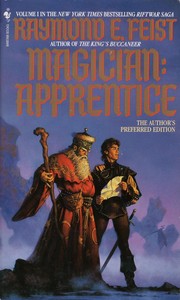
Magician: Apprentice
An orphan kitchen boy and a smith's son grow up in a frontier castle just as invaders from another world open a rift and begin a war that will change both of…
2,114-word summary · 9 min read

Best Served Cold
Left for dead by the duke she served, mercenary general Monza Murcatto recruits a broken crew and works through a list of seven men who owe her a debt of blood.
2,108-word summary · 9 min read
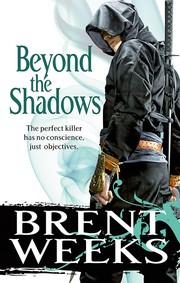
Beyond the Shadows
Kylar Stern bargains with the Wolf, hunts a legendary sword, and faces a goddess wearing the face of the woman he loves in the Night Angel finale.
2,467-word summary · 11 min read
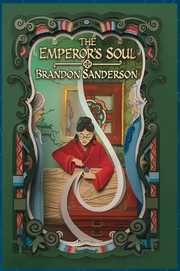
The Emperor's Soul
Forger Shai must stamp a new soul for the dying emperor in 100 days.
2,313-word summary · 10 min read
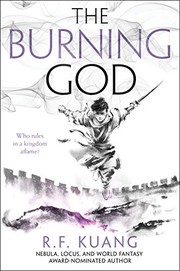
The Burning God
Rin burns south and bargains with the Phoenix as the Republic splits.
2,381-word summary · 11 min read