
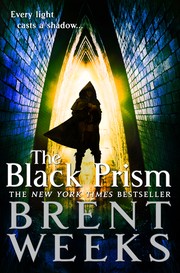
The Black Prism
2,169-word summary 10 min read 640 pages in the book
- First published
- 2010
- Publisher
- Orbit
- Pages
- 640
- ISBN
- 9780316075558
- Series
- Lightbringer (#1)
Reading options
What's inside (8 sections)
I started The Black Prism on a recommendation from a coworker who said, you like magic with rules and dads with secrets, and he was right on both counts. Brent Weeks published it August 25, 2010 with Orbit, a 640 page hardcover with ISBN 9780316075558. It is book one of the five book Lightbringer series, followed by The Blinding Knife. I knew Weeks from The Way of Shadows, which is darker and tighter. This book is bigger, brighter, and more interested in how power rots even good intentions.
The world runs on light. Drafters can split light into color magic called luxin. Blue is hard and logical. Green is wild and free. Red is rage and fire. Yellow is mind and light. Orange is trick and memory. Sub red and super violet do stranger things. Every use costs life. Drafters burn out young, especially those who use too much or break the halo, a colored ring in their eyes that means death is near. At the top sits the Prism, the only person who can split all colors, high priest and emperor, who frees slaves, judges disputes, and is expected to die young to keep balance.
Our Prism is Gavin Guile. He is handsome, funny, clever, worshipped. He ended a war, married a queen, freed thousands. He also knows he has about five years left before his eyes break. He hides exhaustion with jokes. He hides fear with work. And he hides a son. Sixteen years ago, during the war, he loved a woman in a far town. She had a boy. Gavin told no one. Now the boy may be in danger, and a new warlord called King Garadul claims Gavin is false and his brother Dazen, long thought dead, has returned.
Kip the nobody
Kip is fifteen, fat, bullied, clumsy, and my favorite part of the book. He lives with his mother in a small town, works odd jobs, gets beaten by local boys, and daydreams about heroes. When soldiers attack his town hunting for him, his life breaks open. His mother dies protecting him. He flees with a box she told him never to open. He meets outcasts, gets caught, gets saved by Gavin himself in a blaze of color that levels half a street.
Kip is not a natural hero. He vomits before fights. He says the wrong thing to girls. He eats when nervous. He tries to draft and fails, then tries again. Gavin takes him as a squire, partly from guilt, partly because Kip may be his son. Their scenes together are prickly and warm. Gavin teaches Kip to think in angles, to use cover, to lie well for good reasons. Kip teaches Gavin how ordinary people see Prisms, as distant suns, not men. One quiet scene stuck with me. Kip asks Gavin if he is his father. Gavin does not answer at once. He looks tired, not godlike. He says he does not know, which is true and cowardly at once.
Kip training at the Chromeria, the island school and seat of power, gives Weeks room to explain magic without info dumps. Lessons involve lenses, spectra, pushups while holding yellow, garden work to learn green control. Kip fails often. He befriends Teia, a slave girl who is supposed to spy on him, and Liv, a bright noble girl who likes his honesty. He crushes on Liv badly and handles it badly, which feels age right. He learns that being fat does not mean being useless, and that being smart does not mean being believed.
The box from his mother holds cards, old Prismatic lenses, and a dagger that should not exist. Kip carries it everywhere and tells no one. When he finally opens it fully, the contents shift what he thinks about his mother, about Gavin, about who started the war. I will not spoil it. It reframes early chapters in a way that rewards reread.
Karris and the Blackguard
Karris White Oak is a Blackguard, elite guard to the Prism, skilled with spear and pistol and politics. She was once engaged to Gavin, then to his brother Dazen, then to no one after the war killed too many. She returns from a failed mission where her team died, carrying blame and a secret order. She is angry at Gavin for sending them, angry at herself for living, angry at the system that uses young bodies to hold old peace.
Her chapters show the Chromeria as a workplace, not just a school. Meetings about grain. Arguments about slave labor that supports the war effort. Color wights, drafters gone mad from overuse, breaking loose in the countryside. Karris hunts one in a marsh and almost dies. The fight is wet, close, ugly. No hero poses. She stabs, slips, chokes, wins because she trained longer. Weeks writes action clearly. You always know where people stand, what color they hold, what it costs.
Karris and Gavin old love is handled with restraint. They flirt through insults. She calls him out when he performs. He drops the mask for seconds around her. She does not forgive him quickly for past lies. She has her own mission from the White, the old woman who rules the Chromeria in spiritual matters, to watch Gavin for signs of failure. Watching someone you loved for signs of rot is painful, and Weeks lets it be painful without making Karris cold.
Liv Danavis, Karris cousin in spirit if not blood, gets pulled toward King Garadul side. Her father was a hero betrayed by Gavin side, or so she was told. Garadul offers her respect, training, and a story where her father matters. She accepts, slowly, thinking she can keep her morals. Her chapters are important because they show how decent people join bad causes. Garadul is charming. He remembers names. He pays debts. He also burns villages that resist. Liv sees the burns and tells herself they were necessary. It is uncomfortable and well done.
How light becomes power
The magic system is the star. Each color has personality and price. Blue drafters build and become rigid. Greens run wild and go mad in forests. Reds rage and burn short. Yellows think fast and lie well. Drafting too much breaks eyes into halos. Breaking the halo means death within months. The Prism alone can balance all, but even he fades. This is not free power. It is a slow loan.
Weeks uses this to talk about empire. The Seven Satrapies stay together because the Prism enforces peace and because Chromeria controls drafting education. Satraps pay tribute. Slaves row ships and mine. The White preaches balance while the system eats young drafters. Gavin freed slaves in one region and gets praised, but slavery continues elsewhere because war needs rowers. Kip, who grew up poor, notices. He asks why the Prism who can do anything does not end it all at once. Gavin answer is honest and bleak. He tried. He failed. He chose smaller wins.
King Garadul rebellion feeds on that failure. He says the Prism is false, that Dazen lives, that the Chromeria lies about colors. He frees slaves who join him, which wins loyalty. He also uses wights as shock troops, which spreads terror. His camp scenes are persuasive. Soldiers eat. Wounds get treated. Promises get kept, until they do not. Weeks does not make him a monster from the start. He makes him a rival solution, faster and bloodier, which is harder to dismiss.
Thyon style puzzles appear here too. Gavin must solve who is moving against him, which satrap funds Garadul, which Blackguard leaks. There are codes, lenses, dead drops. One long sequence in the Chromeria library, with Kip and Teia decoding requisition orders while avoiding masters, is pure fun. It shows brains matter as much as blasts.
War comes close
The last third moves from school to siege. Garadul army pushes toward Garriston, a key port city. Gavin goes to defend with a small force, bringing Kip, Karris, and Liv, who is secretly passing notes to the other side. The battle is long and specific. Walls, tides, luxin batteries, mirrors to focus yellow, blue bridges that crack under weight. Civilians flee with carts. Kip freezes, then acts, then freezes again. He saves Teia. He fails to save someone else. That mix feels right for a first battle.
Gavin fight with Dazen, or the man claiming to be Dazen, is the emotional peak. They were brothers. They loved the same woman. They fought a duel years ago that ended the war and supposedly killed Dazen. Now the past walks back. Gavin, who always jokes, stops joking. He begs. He threatens. He drafts until his eyes bleed. The reveal about who is who, who fathered Kip, who burned whom, lands hard because Weeks planted clues in Kip box, in Karris memory, in Gavin dreams. I guessed half and missed half, which is ideal.
Garriston falls, or partly falls. People die who felt safe. Liv chooses Garadul openly. Karris chooses Gavin even knowing he lies. Kip chooses to stay and learn rather than run, which is braver than charging. Gavin, dying faster after overdrafting, hides his halo with lenses and smiles for the troops. The book ends not with victory but with a held line and a lie that will cost later.
Fair criticism is fair. At 640 pages, the book repeats lessons. Kip gets told the same rule three times by three teachers. Council scenes pile names of satraps and colors until eyes glaze. Some jokes feel modern in an old world, which can jar. Female characters get strong scenes but also get judged for looks more than men do. Kip weight is discussed constantly, sometimes with care, sometimes as punchline. Readers sensitive to fat jokes may flinch even though Kip arc pushes back.
Also, Gavin perfection strains belief early. He wins at cards, at duels, at speeches. Weeks needs him to crack sooner. When he finally does, in a small room with Karris after battle, the book soars. I wanted more of that tired man and less of the shining god.
Still, I turned pages fast. The system rewards attention. Colors combine in clever ways. Green and blue make traps. Yellow and red make signals. Black, which should not exist, appears in rumors and in Kip dagger, which hints at deeper history for later books. The politics reward attention too. Every ally has a price. Every kindness has a witness.
Should you start Lightbringer
Yes, if you like big epic fantasy with clear magic and moral gray. This is closer to Brandon Sanderson than to grimdark. Violence is present but not loving. Sex exists but not explicit. Language is mild. The book respects work, training, and friendship. Kip and Teia bond felt earned to me. Two outsiders sharing bread during drills, covering for each other, learning to trust.
Teia, Liv, and choices that cost
Teia deserves more than a side note. She is a slave who was promised freedom if she spies on Kip. She hates spying and hates herself for doing it. Her chapters show slavery from inside, the small humiliations, the way masters praise obedience while holding papers. Kip treats her as a friend without understanding what that costs her. When she finally tells him the truth, he reacts badly at first, then better. Their repair, slow, through shared drills and shared bread, is one of the truest friendships in recent fantasy I read. Neither saves the other. They cover each other while both still trapped.
Liv choice cuts the other way. Offered respect by Garadul, she takes it and tells herself she can stay good inside a bad army. Weeks shows her small compromises adding up. She passes one note. She ignores one burning. She justifies one beating as necessary. By the time she sees a massacre, she has already explained away three smaller ones. Her arc is a warning about clean stories. Good causes do not need you to lie for them early. If you must lie early, leave.
Karris holds the middle between them. She has power and knows its limits. She tries to free Teia through channels and fails. She tries to warn Liv and fails. She keeps showing up anyway, which is its own argument. Power used kindly in a cruel system still matters, even when it does not fix the system. That view feels adult without being hopeless.
Start here, not with later books. The Blinding Knife follows directly. Keep notes on colors and satraps. Skim council lists if needed, but do not skip Kip lessons. They pay off when he must improvise under fire.
I finished wanting to draft blue, just a little, to build a bridge that holds. Then I remembered the price, the halo, the short years. Weeks makes power cost. That is why the book stays with me. Gavin smiles and pays. Kip stumbles and pays less but learns. Light is beautiful and it burns. The Black Prism knows both.
FAQ
When was The Black Prism published and how long is it?
Orbit published it August 25, 2010. The hardcover runs 640 pages with ISBN 9780316075558.
Is The Black Prism part of a series?
Yes. It opens the five book Lightbringer series, followed by The Blinding Knife.
Is The Black Prism appropriate for younger readers?
Adults and older teens fit best. There is battle violence, slavery, sexual content, and political murder.
Similar books
More from Lightbringer first, then related titles.

The Blinding Knife
Kip trains to join the Blackguard while the Prism hides his true identity, loses his colors, and fights a war against a rogue drafter who wants to birth a god.
2,049-word summary · 9 min read
The Tower of the Swallow
Ciri flees as a bandit while Geralt gathers allies to find her.
2,580-word summary · 11 min read
Gardens of the Moon
Empire, gods, and mages collide over Darujhistan as Bridgeburners bleed for Empress Laseen.
2,188-word summary · 10 min read
Shadow's Edge
Kylar fakes death as a king killer while Vi hunts him for the Godking.
2,245-word summary · 10 min read
Magician's Gambit
Garion and his companions cross haunted Maragor and the caves beneath Rak Cthol to recover the Orb of Aldur.
2,391-word summary · 11 min read
Homeland
Drizzt Do'Urden is born into the cruel drow city of Menzoberranzan, where his father teaches him to fight and to doubt everything his family believes.
2,303-word summary · 10 min read
Enchanters' End Game
Garion marches toward Torak while Ce'Nedra leads the West's army in the final Belgariad volume, where prophecy and war meet.
2,557-word summary · 11 min read
The Queen of the Tearling
Nineteen-year-old Kelsea leaves the woods to take her throne, ends a shipment of human captives, and draws the Red Queen's revenge.
2,357-word summary · 10 min read
Fool's Errand
FitzChivalry Farseer has lived in exile for fifteen years. When Prince Dutiful vanishes before his betrothal, Fitz returns to Buckkeep to find him, with a wolf…
2,606-word summary · 12 min read
The Sword of Shannara
A young half-Elf and a company of companions set out to recover a magic sword before the Warlock Lord destroys the Four Lands.
2,474-word summary · 11 min read
Magician: Apprentice
An orphan kitchen boy and a smith's son grow up in a frontier castle just as invaders from another world open a rift and begin a war that will change both of…
2,114-word summary · 9 min read
The Emperor's Soul
Forger Shai must stamp a new soul for the dying emperor in 100 days.
2,313-word summary · 10 min read
Pawn of Prophecy
Farm boy Garion learns sorcerers watch him as an old Orb wakes.
2,331-word summary · 10 min read
New Spring
Moiraine and Lan hunt the newborn Dragon before the Black Ajah finds him.
2,475-word summary · 11 min read
Furies of Calderon
Furyless Tavi defends Calderon Valley when the Marat return and lords scheme.
2,587-word summary · 11 min read
Stone of Tears
After the veil tears, Richard seeks training from the Sisters while Kahlan holds a fracturing Midlands and Zedd hunts the missing Stone.
2,483-word summary · 11 min read
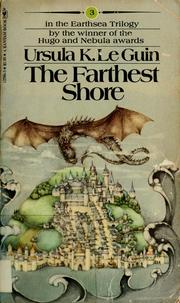
The Farthest Shore
Archmage Ged and Prince Arren sail to the far west to stop Cob, whose bid for endless life drains magic across Earthsea in Le Guin's sad 1972 third volume.
2,800-word summary · 12 min read
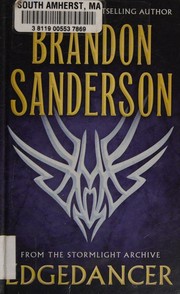
Edgedancer
Hungry street thief Lift and her vine-like friend Wyndle cross the Herald Nale in Tashikk when a child emperor shows Radiant signs and she refuses to step…
2,328-word summary · 10 min read
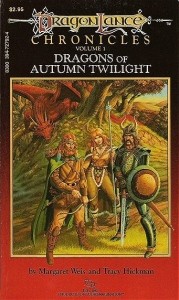
Dragons of Autumn Twilight
Old friends reunite at the Inn of the Last Home, guard a glowing Blue Crystal Staff, face black dragon Khisanth, and free slaves at Pax Tharkas in this 1984…
2,803-word summary · 12 min read
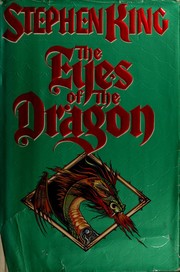
The Eyes of the Dragon
In the kingdom of Delain, a jailed prince and his younger brother face a magician whose long plot for the throne turns on a napkin clue.
2,018-word summary · 9 min read
The City of Brass
Cairo con artist Nahri summons djinn Dara and is drawn to Daevabad where Ali questions pureblood rule.
1,993-word summary · 9 min read
Crossroads of Twilight
Rand cleansed saidin and the whole world felt it. Book ten follows each faction as they react, stall, and choose sides.
2,264-word summary · 10 min read
Baptism of Fire
Wounded Geralt crosses war country with odd allies to find Ciri after the Thanedd coup.
2,076-word summary · 9 min read
Winter's Heart
Trapped in Far Madding without the Power, Rand baits his betrayers while Mat plots escape from Ebou Dar and Elayne fights for Caemlyn.
2,906-word summary · 13 min read
The Path of Daggers
Rand wields Callandor against Seanchan while Elayne and Egwene maneuver.
2,492-word summary · 11 min read
Knife of Dreams
Rand sets a Seanchan trap while Mat weds Tuon, Perrin storms Malden, Elayne takes Caemlyn, and Egwene defies Elaida.
2,988-word summary · 13 min read
A Memory of Light
Rand faces the Dark One at Shayol Ghul as all armies join the Last Battle.
2,165-word summary · 10 min read
Lord of Chaos
Rand offers amnesty to men who can channel while Egwene is raised Amyrlin in exile. Book six of The Wheel of Time builds toward rescue and reckoning at Dumai's…
2,255-word summary · 10 min read
Last Argument of Kings
Jezal takes the crown, Glokta serves two masters, and Logen faces Bethod as the Gurkish close on Adua.
2,479-word summary · 11 min read
A Crown of Swords
After Dumai's Wells, Rand holds Cairhien while Egwene besieges Tar Valon and Elayne and Nynaeve hunt relief in Ebou Dar. Book seven crowns kings and queens at…
2,828-word summary · 13 min read