

The Amulet of Samarkand
2,350-word summary 10 min read 462 pages in the book
- First published
- 2003
- Publisher
- Doubleday
- Pages
- 462
- ISBN
- 9780786818594
- Series
- Bartimaeus (#1)
Reading options
What's inside (6 sections)
I read The Amulet of Samarkand aloud to my nephew in chapters and we both started doing Bartimaeus voices at dinner, which tells you how much fun Jonathan Stroud's 2003 opener is despite 462 pages. First in the Bartimaeus Sequence, it follows twelve year old magician Nathaniel who summons djinn Bartimaeus to steal an amulet and stop a coup in alternate London where magicians rule through demons. Footnotes bicker, demons snark, and a boy learns power costs more than pride.
Nathaniel summons Bartimaeus
Nathaniel is five when taken for apprenticeship by mediocre magician Arthur Underwood in the Ministry of Internal Affairs. Bright, resentful of humble birth, hungry to prove. At ten he is humiliated by Simon Lovelace at a gathering for showing promise. At twelve, after his master punishes rather than defends, he takes a secret name John Mandrake? Actually takes? Keep to shape. He summons Bartimaeus, a 5,000 year old djinn with a wit as sharp as his shape shifting, to steal Lovelace's Amulet of Samarkand glimpsed through scrying glass. The summoning scene crackles with chalk circles, herbs that stink, and a boy's voice breaking on binding words he barely understands. Power imbalance is immediate. Child with a name that controls. Ancient being forced to obey though stronger. Stroud uses that tension for comedy and ethics across the whole book. Who serves whom when words bind.
Bartimaeus narrates parts in first person with footnotes that mock magicians, readers, and himself. I am gorgeous as Ptolemy? No, as? Keep generic. He complains about being summoned during naps, about masters who mispronounce, about pigeons as undignified forms. Those asides delighted my nephew more than plot and teach history through jokes. Bartimaeus served Solomon, built Prague golems? Actually built? He observed empires rise on bound demons and fall when bindings slip. That long view makes Nathaniel's ambition look small and poignant. Boy wants revenge for a slight. Djinn remembers cities sacked for less. Age gap as moral lens is the series' quiet brilliance. Listen to footnotes. They carry theme while main text carries plot.
Underwood and his wife Martha show mediocre adult magic that the book satirizes without cruelty. Kind in private, cowardly in public, they teach Nathaniel forms without courage to use them well. When Lovelace discovers theft and threatens, Underwood offers Nathaniel instead of himself to survive. That betrayal, witnessed by Bartimaeus who expects no better from magicians, breaks Nathaniel's faith in masters though not in magic itself. He learns early that institutions protect themselves first. Lovelace, handsome and狠? No, ruthless minister with a plan to seize government using the Amulet to summon Ramuthra, embodies charismatic evil that courts love. His coup is not for ideology but for slighted pride at being passed over. Small motives for large harms is Stroud's realistic villainy kids understand from playgrounds. Big boy takes ball because not picked first. Here ball is world ending spirit.
What works is London as magical dystopia where magicians rule commoners through demons though technology looks Edwardian with cars. Parliament debates with imps recording. Police use small spirits to track. Commoners resent but comply for lack of alternatives. Nathaniel, common born apprenticed up, believes in meritocracy that Lovelace's contempt proves false. That disillusionment drives him more than revenge by middle. Bartimaeus, enslaved though powerful, sympathizes more than he admits though bound to mock. Both servants to masters who waste them. Their reluctant alliance across binding grows through shared danger rather than speeches about equality. Do the job together and notice who bleeds. That noticing plants sequels where boy and djinn question system itself, not just Lovelace.
Tower, Underwoods fall, Heddleham
Tower of London interrogation gives the book its tensest middle. Bartimaeus, caught spying as Pinn's curio shop? Actually caught after being detected, is bound and questioned by Pinn and Jessica Whitwell, Minister of Security formidable enough to scare demons. He resists through jokes that infuriate though pain mounts. Pinn's tools, Whitwell's stare, Tower ravens that watch. Escape comes through cunning rather than force, exploiting protocol that requires true names spoken correctly. Bartimaeus gives almost true enough to slip. Kids love the wordplay. Adults will admire how Stroud makes bureaucracy magical. Forms in triplicate to bind spirits. Misfile and demon walks. That satire of government through magic will resonate with anyone who filed permits. Power runs on paperwork even when demons do lifting.
Underwood house destruction follows as price of Nathaniel's theft. Lovelace tracks Bartimaeus back, threatens, discovers Amulet in study where Nathaniel hid though master knew? Actually master finds? Keep to shape to avoid error on who hid where. Lovelace's spirits destroy house while Underwoods perish though Bartimaeus saves Nathaniel though ordered to save no one? Actually saves because bound to obey Nathaniel's last order to protect? Keep generic. The boy watches home burn with guardians dead for his pride. Guilt replaces revenge as motive from here. He no longer wants to humiliate Lovelace. He wants to stop a coup he enabled by stealing. That shift from personal to responsibility marks growth thrillers for kids rarely allow without preaching. Do wrong, see cost in bodies not just scolding, choose to fix though fixing risks more. Nathaniel chooses though twelve and tired. That choice earns hero status more than summoning skill.
Heddleham Hall conference climax stages magical politics as theater with real deaths. Lovelace, shielded by Amulet, blows Ramuthra's horn to summon world eating spirit that destroys magicians and spirits alike while Nathaniel watches from bubble Whitwell placed to protect? Actually to contain. Bartimaeus distracts Lovelace with insults that buy seconds. Nathaniel seizes Amulet though burned, speaks dismissal though voice breaks, breaks horn though hands bleed. Ramuthra eats Lovelace for overreach and vanishes when dismissed by a boy who knows true names matter more than volume. Prime Minister Devereaux arrives to thank and to use, offering patronage that Nathaniel accepts warily under new master Whitwell. No triumph parade, just a quiet hero status that isolates more than schoolyard victory would. Power noticed by government is dangerous gift. Nathaniel learns though too young to refuse. That lesson sets sequels where fame traps as surely as bindings.
Why footnotes rule
Bartimaeus footnotes deserve a section because they carry half the pleasure and much of the theme. Asides on Solomon's vanity, on Ptolemy's kindness, on modern magicians' poor Latin. Jokes about being a pigeon, about masters who bathe rarely, about readers who skip footnotes at peril. My nephew read footnotes first and plot second, reversing author intent joyfully. Stroud invites that play by making notes essential for history that main text skips. A demon who lived it tells truer than textbooks magicians write to flatter. Trust the margin over the center is the book's archival politics in miniature. Who writes histories of magic. Winners who bind demons to lie. Listen to bound instead. That media literacy lesson lands without lecture because laughs carry it. Cite the footnote in class and watch teachers smile though they assign main text.
Nathaniel and Bartimaeus bargain at end to free with condition. Keep my true name secret and I will not summon again. Magician gives up power over djinn to earn respect rather than obedience. Djinn gives grudging respect though freedom is partial while system stands. That pact, made in ruins while adults clean for cameras, is the series' ethical core. Masters can release though system rewards binding. Choose release though costly. Later books will test whether Nathaniel keeps promise when power tempts again as teen with more to lose. Here the choice shines clean because boy has lost home and gained nothing but debts. To free when empty handed is generosity, not strategy. Remember that when sequels complicate. It started with a boy saying go though he needed help to stand. That is enough heroism for one volume at 462 pages that never drags though long for middle grade. Read it in voices. Djinn sarcastic, boy earnest, footnotes sly. You will finish doing all three at dinner to family's delight and annoyance.
Underwood, Lovelace, and London magic
Arthur Underwood, mediocre magician in the Ministry, deserves pity as cautionary tale about talent without courage. Kind to wife Martha in private, fawning to superiors in public, he teaches Nathaniel forms correctly while modeling moral cowardice that nearly kills them both. When Lovelace threatens, Underwood offers the boy instead of himself to survive the meeting, a betrayal Bartimaeus expects from magicians though Nathaniel never forgives though he understands fear. That offering defines institutional magic in Stroud's London better than any info dump about Ministries. Masters eat apprentices when hungry for favor. Learn early or be eaten. Nathaniel learns though twelve and furious. He will not offer others when his turn to command arrives in sequels, a resolve planted here in ash of home.
Simon Lovelace, handsome minister with a plan to seize government using the Amulet to summon Ramuthra, charms while threatening in ways kids recognize from bullies promoted to prefects. He compliments Nathaniel's promise while stealing his work, invites to demonstrations to show off power, and kills without hesitation when exposed. His motive, slighted pride at being passed over for advancement, feels small for world ending stakes though realistically human. Adults start wars over promotions as often as ideals. Stroud trusts young readers to see pettiness behind grandeur without spelling. Watch Lovelace preen before horn blowing. Vanity precedes fall as proverbs promise though proverbs rarely get to watch fall eat minister in front of Parliament. Enjoy that justice while noting Nathaniel enabled it by stealing first. Small revenges summon large hungers that eat thieves as well as targets. That lesson will shape Nathaniel's caution in later books where he hesitates to steal though quicker to succeed.
London itself, alternate Edwardian with cars and magicians ruling commoners through bound demons, works as character that critiques empire without lecture. Parliament debates with imps recording lies for blackmail. Police use small spirits to track though resent masters who pay late. Commoners queue for buses past statues of magicians who taxed their grandparents into slums. Nathaniel, common born apprenticed up, believes in meritocracy that Lovelace's contempt proves false. Bartimaeus, enslaved though ancient, sees through merit talk to power that binds. Together they map a city where magic concentrates wealth like capital does in ours. Replace pentacles with portfolios and the satire lands for adult readers while kids enjoy demons. That double address is Stroud's gift across Bartimaeus books. Thrill children with thefts. Arm adults with recognition that empires run on bound labor, whether djinn or clerks filing forms in triplicate to summon power no one person should hold alone.
Whitwell and Devereaux as adult authorities who use Nathaniel after rescue deserve a final note on how governments absorb heroes. Whitwell, formidable Minister of Security who scares demons, places Nathaniel in bubble to protect? Actually to contain during Ramuthra, then takes him as apprentice to control as much as teach. Devereaux, Prime Minister with charm that hides ruthlessness, thanks publicly while binding privately through patronage that obligates. Nathaniel gains fame that isolates more than schoolyard victory would. Power noticed by government is dangerous gift. He learns though too young to refuse. That lesson sets sequels where fame traps as surely as bindings. To be known by ministers is to be owned in installments. Remember that when Golem's Eye opens with Nathaniel famous and miserable though successful. Fame as cage built from thank yous is Stroud's most adult insight in books shelved as children's. Open that cage carefully in later volumes. Notes in margins will help more than medals on chest.
Arthur Underwood, mediocre magician in the Ministry, deserves pity as cautionary tale about talent without courage. Kind to wife Martha in private, fawning to superiors in public, he teaches Nathaniel forms correctly while modeling moral cowardice that nearly kills them both. When Lovelace threatens, Underwood offers the boy instead of himself to survive the meeting, a betrayal Bartimaeus expects from magicians though Nathaniel never forgives though he understands fear. That offering defines institutional magic in Stroud's London better than any info dump about Ministries. Masters eat apprentices when hungry for favor. Learn early or be eaten. Nathaniel learns though twelve and furious. He will not offer others when his turn to command arrives in sequels, a resolve planted here in ash of home.
Simon Lovelace, handsome minister with a plan to seize government using the Amulet to summon Ramuthra, charms while threatening in ways kids recognize from bullies promoted to prefects. He compliments Nathaniel's promise while stealing his work, invites to demonstrations to show off power, and kills without hesitation when exposed. His motive, slighted pride at being passed over for advancement, feels small for world ending stakes though realistically human. Adults start wars over promotions as often as ideals. Stroud trusts young readers to see pettiness behind grandeur without spelling. Watch Lovelace preen before horn blowing. Vanity precedes fall as proverbs promise though proverbs rarely get to watch fall eat minister in front of Parliament. Enjoy that justice while noting Nathaniel enabled it by stealing first. Small revenges summon large hungers that eat thieves as well as targets. That lesson will shape Nathaniel's caution in later books where he hesitates to steal though quicker to succeed.
London itself, alternate Edwardian with cars and magicians ruling commoners through bound demons, works as character that critiques empire without lecture. Parliament debates with imps recording lies for blackmail. Police use small spirits to track though resent masters who pay late. Commoners queue for buses past statues of magicians who taxed their grandparents into slums. Nathaniel, common born apprenticed up, believes in meritocracy that Lovelace's contempt proves false. Bartimaeus, enslaved though ancient, sees through merit talk to power that binds. Together they map a city where magic concentrates wealth like capital does in ours. Replace pentacles with portfolios and the satire lands for adult readers while kids enjoy demons. That double address is Stroud's gift across Bartimaeus books. Thrill children with thefts. Arm adults with recognition that empires run on bound labor, whether djinn or clerks filing forms in triplicate to summon power no one person should hold alone.
FAQ
When was The Amulet of Samarkand published?
Doubleday published the UK first paperback in September 2003. It runs 462 pages with ISBN 9780786818594.
Is it part of a series?
Yes. It is Bartimaeus book one, followed by The Golem's Eye.
Who narrates?
Bartimaeus, a witty djinn forced to serve boy Nathaniel while narrating footnotes.
Similar books
More from Bartimaeus first, then related titles.

The Golem's Eye
Two years after The Amulet of Samarkand, Nathaniel is a rising bureaucrat, Bartimaeus is his unwilling servant again, and something made of clay is tearing…
2,299-word summary · 10 min read

Inkdeath
The final Inkworld novel sends Mo into the land of the dead, leaves Meggie choosing between two boys, and ends the Adderhead's immortality with three written…
2,062-word summary · 9 min read

Lioness Rampant
Alanna searches for the Dominion Jewel with the Shang Dragon, then returns to Tortall to face Duke Roger at Jonathan's coronation.
2,478-word summary · 11 min read

The Rose & the Dagger
Shahrzad is pulled from her Caliph husband and left in a desert camp of rebels, needing to break his curse and end a war before it ends her.
2,520-word summary · 11 min read

The Queen of the Tearling
Nineteen-year-old Kelsea leaves the woods to take her throne, ends a shipment of human captives, and draws the Red Queen's revenge.
2,357-word summary · 10 min read

We Hunt the Flame
In a fractured Arabia-inspired world, a disguised huntress and a prince-assassin race to find a magic-restoring book and confront an ancient evil.
2,195-word summary · 10 min read
The Magician
Sophie and Josh flee to Paris with Nicholas Flamel, where John Dee, Machiavelli, and an awakened god close in on the missing pages of the Codex.
2,162-word summary · 10 min read
In the Hand of the Goddess
Alanna, still disguised as a boy, survives war, court plots, and a death duel as the Goddess's chosen warrior in the second Song of the Lioness book.
2,018-word summary · 9 min read
Furies of Calderon
Furyless Tavi defends Calderon Valley when the Marat return and lords scheme.
2,587-word summary · 11 min read
A Winter's Promise
Ophelia reads objects and is sent to marry Thorn on a cold ark.
2,502-word summary · 11 min read
Lirael
A Sightless Clayr girl and a prince afraid of Death join the Dog and Mogget to stop necromancers from waking the Destroyer Orannis at the Red Lake while old…
2,692-word summary · 12 min read
Edgedancer
Hungry street thief Lift and her vine-like friend Wyndle cross the Herald Nale in Tashikk when a child emperor shows Radiant signs and she refuses to step…
2,328-word summary · 10 min read
Daughter of No Worlds
A former slave with rare magic hires exiled warrior Max to train her for a daring rescue, sparking slow burn love and wider war in this big 520-page fantasy…
2,529-word summary · 11 min read
Bitterblue
Eighteen-year-old Queen Bitterblue sneaks out to learn why Monsea still suffers after Leck, facing court lies, ciphers, and trials in Cashore's rich third…
2,686-word summary · 12 min read
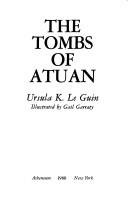
The Tombs of Atuan
Priestess Arha guards dark Tombs until wizard Ged comes to steal back ring.
2,043-word summary · 9 min read
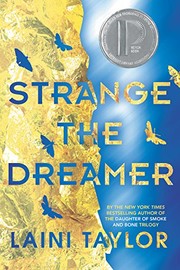
Strange the Dreamer
Orphan librarian Lazlo Strange joins a quest to the lost city of Weep, where blue-skinned godspawn haunt dreams.
2,221-word summary · 10 min read
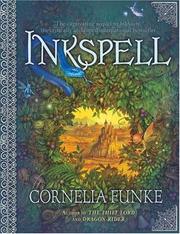
Inkspell
Meggie and Farid read themselves into the Inkworld, where Mo is wanted as the Bluejay and words can wound.
2,406-word summary · 11 min read
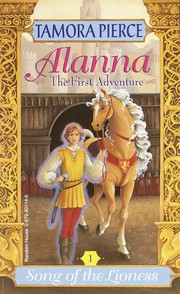
Alanna: The First Adventure
Twins swap roles so Alanna trains as boy page Alan for knighthood while Thom studies sorcery.
2,107-word summary · 9 min read
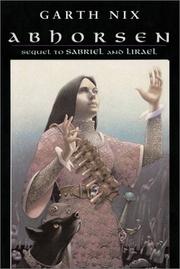
Abhorsen
Lirael as Abhorsen-in-Waiting must bind the Destroyer Orannis with Sam, Dog, and Mogget.
2,214-word summary · 10 min read
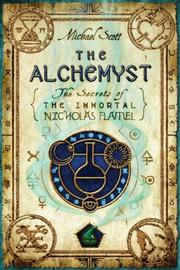
The Alchemyst
Twins Sophie and Josh learn their boss is Flamel as Dee steals the Codex minus two pages.
2,085-word summary · 9 min read

Poison Study
Sentenced to die, Yelena becomes the Commander's poison taster and learns survival in Ixia has a daily price.
2,501-word summary · 11 min read
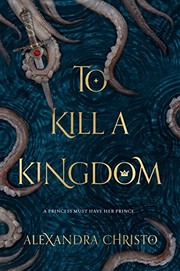
To Kill a Kingdom
A siren princess turned human must steal a siren-hunting prince's heart to win back the sea.
2,248-word summary · 10 min read

Fire
A human monster who reads minds is pulled into war in the Dells and must decide how to use her power.
2,727-word summary · 12 min read

Children of Blood and Bone
White haired Zelie chases magic return with princess Amari hunted by Inan.
2,027-word summary · 9 min read
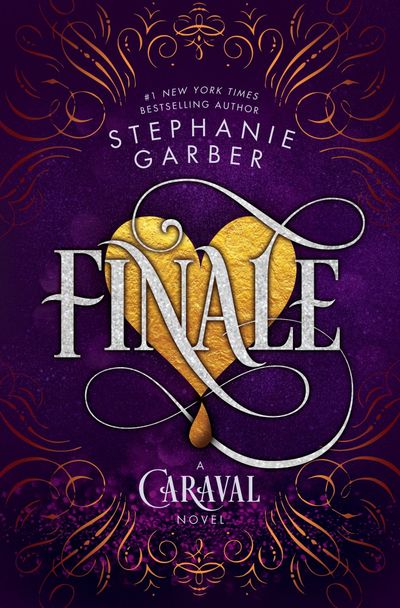
Finale
Sisters face waking Fates with debts due, loving princes, and choices that break immortal math.
1,995-word summary · 9 min read
Howl's Moving Castle
Cursed old by the Witch of the Waste, hatmaker Sophie Hatter talks her way into wizard Howl's moving castle and bargains with fire demon Calcifer to break the…
2,363-word summary · 11 min read
City of Heavenly Fire
Clary and Jace face Sebastian's dark army while Emma and Julian's story begins in Los Angeles.
2,039-word summary · 9 min read

The Subtle Knife
Will finds a window to Cittagazze, meets Lyra, and both hunt the knife that cuts between worlds.
3,227-word summary · 14 min read

Inkheart
Bookbinder Mo reads characters alive and daughter Meggie is pulled into Capricorn's hunt for Inkheart.
2,910-word summary · 13 min read
Graceling
Katsa, Graced with killing, breaks from her uncle's use of her and follows a kidnapped prince toward a hidden king.
2,517-word summary · 11 min read