
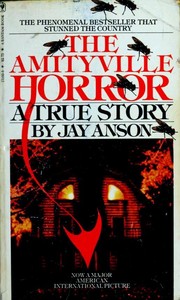
The Amityville Horror
2,088-word summary 9 min read 201 pages in the book
- First published
- 1977
- Publisher
- Prentice Hall
- Pages
- 201
- ISBN
- 9780553131604
Reading options
What's inside (9 sections)
I read The Amityville Horror late at night, which I do not recommend unless you enjoy checking locks. Jay Anson's 1977 book claims to tell what happened to George and Kathy Lutz and her three kids during 28 days in a Dutch Colonial house at 112 Ocean Avenue, Amityville, where Ronald DeFeo Jr. murdered six family members the year before. Whether you believe it or call it hoax, it reads fast and cold.
The house and the murders
The house is described in loving real estate detail. Five bedrooms, gambrel roof with quarter round windows like eyes, pool, boathouse on a canal. Price $80,000 in 1975, a bargain even then. Furniture from the DeFeos included for $400. The broker tells the Lutzes about the murders because law requires it. They discuss and decide a fresh start matters more than history. George, a lapsed Methodist, Kathy, a lapsed Catholic, three kids Daniel, Christopher, and Missy, plus dog Harry the Malamute Lab mix.
DeFeo history is laid out starkly. November 13, 1974, 3:15 a.m., 23 year old Ronald DeFeo Jr. shoots parents and four siblings with a rifle, claims voices told him. Convicted in 1975. Anson does not dwell on trial. He uses the murders as stain that may explain or may excuse what follows. Empty for thirteen months, the house waits. Neighbors watch. The Lutzes sign.
What hooked me is the ordinary move in. Unpacking boxes, arguing about where the couch goes, kids picking rooms, dog sniffing corners. Normalcy makes later cold spots feel colder. Anson writes domestic routine well because he worked from 45 hours of Lutz tapes. Brands, meals, TV shows. You believe these people shop and argue about money, which makes claims of green slime harder to dismiss outright and easier to question as stress.
A note on truth is needed early. Courts, journalists, and later owners dispute almost everything. No snowfall for hoofprints claimed, no bar called Witches Brew, heating bills unpaid, Weber the DeFeo lawyer claiming the Lutzes invented story over wine for profit. The Lutzes passed polygraphs, which skeptics note prove little. Keep that split in mind while reading. The book presents as true. Evidence says mixed at best.
Priest, cold, and flies
Day one sets tone. Friend Father Mancuso, called to bless the house, hears a masculine voice say get out in a sewing room that was a DeFeo bedroom, feels sick, develops blisters, and later warns by phone cut with static to avoid that room. Anson writes the scene flatly, which chills more than adjectives. A priest who does not tell the family at once because he doubts himself.
Cold follows. Rooms that will not warm despite heat on full. Odors of perfume and rot that move. Walls that ooze. Toilets that turn black. A small red room behind shelves in the basement the kids call secret, with a dog that refuses to enter. Missy talks to an imaginary friend named Jodie who looks like a pig with red eyes. Harry the dog growls at walls and one night tries to hang himself on a fence? No, he cowers and later refuses stairs. Details pile without pattern, which is either how hauntings work or how tired parents misremember.
George changes most visibly. Wakes at 3:15 nightly, the murder hour, to check the boathouse. Loses warmth, chops wood obsessively, grows beard, snaps at kids. Kathy finds blackened toilet bowls, sees hooded figures, feels touched in sleep. Kids get sick, fight, see eyes at windows. Flies gather in a second floor room in winter, hundreds, despite screens. A locksmith, a neighbor, friends confirm some cold and some sounds, though later some recant or say they saw nothing.
Anson structures by days, December 18 to January 14, with times and temperatures that give report feel. Short chapters end on chills. At 201 pages it moves too fast to bore. I found myself marking claims to check later. Hoofprints in snow on January 1 with no snow recorded. Cloven damage to doors later owners say are original. The Red Room as a closet anyone would notice. Doubt grows with each check, but night reading still prickles neck.
The last night and flight
By mid January the family sleeps in shifts, argues about leaving money sunk in the house, and tries a second blessing themselves with prayer that fails. The final night is told vaguely even in the book. Banging like a marching band, a tornado of coins, green black slime up stairs toward them at Kathy's mother's house after they flee to Deer Park. The Lutzes say full detail is too frightening to recount. Skeptics hear a dodge. Believers hear trauma that resists words.
They leave January 14 with kids, dog, and clothes, abandoning furniture and wedding gifts. A mover next day reports nothing odd while clearing. That detail cuts both ways. Ghosts quiet for strangers, or nothing there when calm and daylight help. Anson includes it because tapes included it, which lends odd credibility. A hoaxer would omit the normal mover.
Aftermath chapters cover Warrens Ed and Lorraine visiting with a TV crew, infrared photo of a demonic boy debated still, Hans Holzer visits, Kaplan the skeptic feuding, lawsuits flying. Weber sues, Lutzes sue, Cromartys who bought next say nothing weird except tourists. The house address changed, windows altered to deter gawkers. Anson, who died before most suits resolved, presents the Lutzes as sincere and tired rather than rich. They earned from the book but also lived with ridicule and threats.
Films took the bones and ran. The 1979 film with Brolin and Kidder keeps the priest, the flies, the get out, the 3:15 wakeups. The 2005 remake adds axe threats and coffin building the Lutzes denied and sued over. Dozens of cheap sequels use the name for unrelated cursed objects. If you watch after reading, the book feels quieter and stranger for its paperwork tone.
Neighbors, police, and paperwork
What convinced me to keep reading was not demons but neighbors. Friends who ate dinner in the house report cold drafts and odd smells, then argue later about what they felt. A locksmith changes locks and mentions doors that stick. Police logs show no calls from the Lutzes during the 28 days, a fact skeptics cite and believers explain as fear of ridicule. Anson includes both confirmations and gaps because tapes included them. That messiness feels like real memory, whether haunted or not.
Paperwork tells its own story. Mortgage $80,000 with high interest, heating bills huge for a drafty house, George's surveying business slow in winter, Kathy's waitress shifts. Money pressure explains why they stayed through fear as long as they did and why a book deal tempted after flight. It does not explain flies in January or a priest's blisters, but it explains why tired people might read drafts as demons and why broke people might polish stories for sale. Both can be true at once. Stress plus incentive shapes recall.
The Warrens and Holzer visits add circus. Ed and Lorraine Warren arrive with a TV crew, take infrared photos, claim a demonic boy on stairs. Holzer claims Indian burial ground and murder history. Kaplan the skeptic feuds on air. Each investigator leaves with footage for their own book or show. The house becomes stage where everyone performs expertise. The Lutzes, caught middle, look smaller and more tired with each crew. I felt sorry for the kids most, dragged through interviews about pig eyed friends.
Hoax or haunting and why it lasts
I land where many land. Something stressed this blended family in a murder house with money strain, winter cold, and instant fame available. Whether that something was demons, suggestion, or lie, Anson captured how a house can turn on occupants when history and bills press. The 3:15 detail still bothers me because DeFeo's murders at that hour are fact and George's waking could be knowledge turned habit or something else. I do not know, and the book does not prove.
A fair criticism is thin sourcing. Forty five hours of tapes filtered by an author who never lived there, no independent logs, dialogue reconstructed, priests renamed. Anson based the title on Lovecraft's Dunwich Horror, signaling fiction craft. Later admissions in trials that virtually everything was fiction, as reported by skeptics, weigh heavy. Read the skeptical appendix summaries alongside if you want balance. They do not kill the shivers but they explain pipes and bills.
Why read it then? For a time capsule of seventies paranormal bestsellers before found footage, for a fast 200 page scare, and for a case study in belief. Ten million copies sold because it hit suburbia where it lives. New house, new marriage, kids to protect, mortgage to pay. What if walls hate you? That question works even if answers fail.
Read with lights on and records nearby. Check snowfall tables, DeFeo trial transcripts, Cromarty interviews. Then decide what you felt at 3:15 when the house creaks. I checked my locks twice and still enjoyed the craft. Fear that survives footnotes earns its place on the shelf between true crime and ghost stories, which is exactly where bookstores file it.
The Warrens, Holzer, and Kaplan
Ed and Lorraine Warren arrive with a TV crew and holy water, declaring the house infested after a night of prayer and photos. Their infrared image of a boy with glowing eyes by stairs became famous and remains disputed as double exposure or statue. Lorraine, a medium, reports overwhelming sadness and pressure. Ed warns the Lutzes never to return. Believers cite their courage for entering. Skeptics note they arrived after the book deal and left with footage for lectures. Either way, their visit cemented Amityville in paranormal TV lore and linked it to later Conjuring films that borrow the house for prologues.
Hans Holzer, ghost hunter with books to sell, offers a different theory. Indian burial ground, vengeful Shinnecock spirits, DeFeo's violence opening doors. Local Shinnecock leaders deny the burial claim flatly, noting no such site existed there. Holzer also brings a medium who names details the Lutzes confirm through tears. Critics point out cold reading techniques. Leading questions, general statements, hits counted and misses dropped. Reading transcripts now, the sessions feel like performances where everyone wants a spirit to appear for cameras. Want shapes what is heard.
Stephen Kaplan, skeptic with a vampirology degree and a grudge after the Lutzes cut him off, spends years debunking. No snow for hoofprints, no Witches Brew bar, original fixtures unrepaired despite claims of ripped doors, police logs empty. He writes The Amityville Horror Conspiracy with his wife to answer Anson point by point. His tone is smug, but his checks hold up on weather and addresses. The feud shows how paranormal celebrity splits even believers. Warrens versus Kaplan fought in talk shows while the Lutzes moved, divorced, and died with story intact but money thin. Everyone performed certainty for audiences who paid.
What to read alongside
If the book leaves you curious, pair it with court and press records rather than sequels. Read the DeFeo trial summaries for timeline of shots and claims about voices. Read Newsday's February 1976 report for neighbors split between strange phenomena and broken furnace. Read the Cromartys' later interviews about original fixtures and quiet nights. Read Weber's People piece claiming hoax over wine alongside the Lutz polygraph claims of truth. Together they show how a story hardens into product while facts stay soft and contested.
For horror craft, compare Anson's flat report style to later haunted house novels that borrowed it. The cold spots, the 3:15 wakeups, the priest who will not speak plainly all recur in Conjuring films and King books. Anson did not invent these beats, but his bestseller packaged them for suburbs in plain prose that made readers check their own halls. The house with eyes for windows became visual shorthand because the book cover and films repeated it until it stuck. Architecture as face scares across cultures because homes should not watch.
For skepticism, read Kaplan and Nickell on snowfall, hoofprints, and Witches Brew with weather tables open. They are smug but useful. Then read the Lutz defenders on WNEW and Merv Griffin transcripts for tone. Fear sounds different from lying, though stress can mimic both. You will likely end where I did. Unconvinced of demons, convinced of distress, interested in why ten million bought a book that courts later called fiction. That interest is cultural, not paranormal, and worth the 201 pages plus footnotes you will chase after.
FAQ
When was The Amityville Horror published?
Prentice Hall published it on September 13, 1977. It runs 201 pages and claims Lutz tape records.
What crime happened in the house?
Ronald DeFeo Jr. shot six family members at 112 Ocean Avenue on November 13, 1974. The Lutzes moved in December 1975.
Similar books
Later
Boy Jamie Conklin sees dead people who must answer truthfully, pulling him into NYPD cases and a drug crew's greed.
2,009-word summary · 9 min read
Heart-Shaped Box
A washed-up rock star buys a haunted suit online and must face the vengeful ghost attached to it.
2,980-word summary · 13 min read
The Tale of the Body Thief
Lestat trades bodies with a psychic thief for one day of mortality and ends up trapped, sick, and hunting his own vampire body.
2,069-word summary · 9 min read

The Only Good Indians
Four Blackfeet men who killed a pregnant elk are hunted by her spirit a decade later, and the only person who can end the cycle is a teenage girl who was not…
2,010-word summary · 9 min read
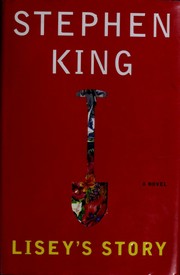
Lisey's Story
Two years after her novelist husband dies, Lisey Landon follows a trail of clues into his childhood and the other world that made him a writer.
1,998-word summary · 9 min read
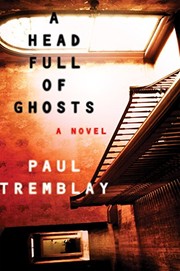
A Head Full of Ghosts
A broke Massachusetts family lets a reality TV crew film their daughter's exorcism, and fifteen years later the only survivor tries to explain what really…
2,588-word summary · 12 min read
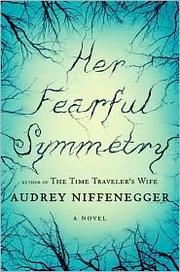
Her Fearful Symmetry
Twins Julia and Valentina inherit a London flat above Highgate Cemetery from an aunt they never met, then find a ghost in it and a family secret.
2,057-word summary · 9 min read
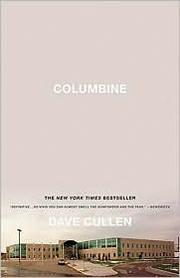
Columbine
Ten years of reporting on the 1999 school massacre, including a journalist's correction of the myths he helped create in the first hours.
2,232-word summary · 10 min read
Red Notice
An American financier in Moscow exposes a $230 million tax fraud, watches his lawyer die in prison, and turns the case into an international human rights law.
2,008-word summary · 9 min read
Locke & Key, Vol. 1: Welcome to Lovecraft
After their father is murdered, the Locke children move into a haunted family estate where keys unlock doors to ghosts, other places, and dangerous secrets.
2,019-word summary · 9 min read
Catch and Kill: Lies, Spies, and a Conspiracy to Protect Predators
Ronan Farrow recounts how NBC killed his Harvey Weinstein reporting, then how The New Yorker published it and helped ignite #MeToo.
2,057-word summary · 9 min read
Lullaby
A reporter discovers that a poem in a children's book kills anyone who hears it, and his attempt to destroy every copy turns into a road trip through grief,…
2,147-word summary · 10 min read
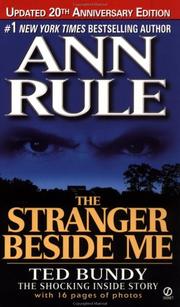
The Stranger Beside Me
Ann Rule's classic memoir of her friendship with Ted Bundy, written by the true-crime author who knew him long before the world learned what he had done.
2,481-word summary · 11 min read
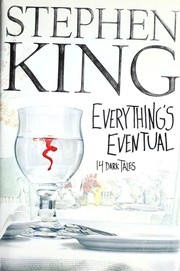
Everything's Eventual: 14 Dark Tales
Fourteen Stephen King stories shuffled by the deal of a card deck, from the haunted room of 1408 to quiet tales of grief that sting as much as the monsters.
2,000-word summary · 9 min read
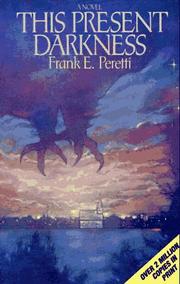
This Present Darkness
A pastor and reporter face demons over Ashton while angels answer prayer.
2,384-word summary · 11 min read

If It Bleeds
Holly Gibney faces an outsider plus three more tales of dread.
2,219-word summary · 10 min read
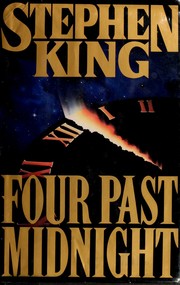
Four Past Midnight
Four novellas about a plane lost in time, a writer haunted, and horrors small and large.
2,584-word summary · 11 min read
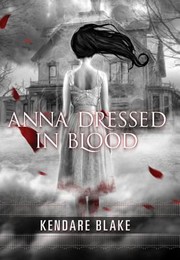
Anna Dressed in Blood
Ghost hunter Cas meets Anna, the ghost who kills back.
2,622-word summary · 12 min read
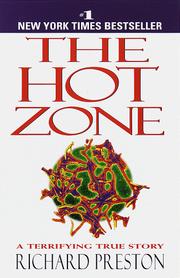
The Hot Zone
Ebola and Marburg move from African outbreaks to a Virginia monkey house and an Army response in suits.
2,291-word summary · 10 min read
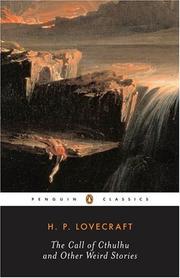
The Call of Cthulhu and Other Weird Stories
Seventeen tales from Dagon to Innsmouth, led by Cthulhu, the Colour, and the Whisperer, in S. T. Joshi careful Penguin edition with notes and corrected texts.
2,593-word summary · 12 min read
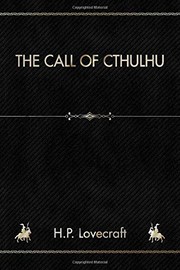
The Call of Cthulhu
A professor's papers link a sculptor's dreams, a Louisiana cult raid, and a sailor's voyage to a sleeping god under the sea.
2,530-word summary · 11 min read
The Broken Girls
A journalist revisits her sister's murder while a restored boarding school gives up a girl missing since 1950.
2,579-word summary · 11 min read
The Awakening
Chloe Saunders flees Lyle House with Derek, Simon and friends while her necromancy wakes fully and the Edison Group hunts them.
2,428-word summary · 11 min read
Horns
Accused of killing Merrin Williams, Ig Perrish wakes with horns that force strangers to confess their darkest sins.
2,264-word summary · 10 min read
Empire of Pain: The Secret History of the Sackler Dynasty
How the Sackler family sold OxyContin and shaped an overdose crisis while giving to museums.
2,048-word summary · 9 min read
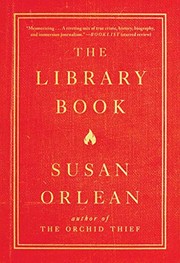
The Library Book
Susan Orlean investigates the 1986 Los Angeles Central Library fire and suspect Harry Peak while tracing library history, her mother's influence, and the…
2,319-word summary · 10 min read
Say Nothing
Patrick Radden Keefe traces Jean McConville's 1972 disappearance through the Price sisters, Brendan Hughes, and Gerry Adams, using Boston College tapes to…
2,846-word summary · 13 min read
The Talisman
Twelve-year-old Jack Sawyer flips between America and the Territories to find a Talisman that can save his dying mother.
2,050-word summary · 9 min read
Skeleton Crew
King's 1985 collection pairs The Mist with The Jaunt, The Raft, and Survivor Type: 22 stories of Maine dread.
3,209-word summary · 14 min read
Revival
Jamie Morton shadows preacher Jacobs from boyhood healings to electric cures that open a door best left shut.
2,037-word summary · 9 min read