
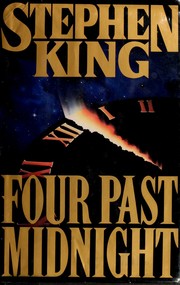
Four Past Midnight
2,584-word summary 11 min read 763 pages in the book
- First published
- 1990
- Publisher
- Viking
- Pages
- 763
- ISBN
- 9780670835386
Reading options
What's inside (7 sections)
I read Four Past Midnight one novella at a time over a week because 763 pages of King horror needs breathing room. First published in 1990 by Viking at 763 pages in hardcover, it is his second four novella collection after Different Seasons, but darker, more supernatural. The Langoliers, Secret Window Secret Garden, The Library Policeman, The Sun Dog. Planes lost in time, writers haunted, childhood fears alive, cameras that trap. I found it uneven in the best King way. Highs very high, lows still readable, all unmistakably his voice about ordinary people meeting impossible.
The Langoliers opens with a punch. Pilot Brian Engle takes a red eye to Boston after learning his ex wife died. He sleeps. Wakes to find crew and awake passengers gone, only eleven sleepers left, plane on autopilot over void. They land in Bangor to find world empty, clocks stopped, food tasteless, fuel dead, sound approaching. A blind girl Dinah hears Langoliers coming, creatures that eat the past. Craig Toomy, unhinged bank manager obsessed with meetings, thinks conspiracy. Bob Jenkins, writer, deduces time rip sent them to dead past. They must refuel with fresh fuel brought on board, induce sleep to pass back through rip, sacrifice one to restore pressure. Nick Hopewell, ex military with guilt, volunteers and vanishes. They land in present after waiting for time to catch up. Dinah dies. Toomy is eaten.
I loved the concept and struggled with length. Time as airport with cleaners who eat leftovers is brilliant. Empty Bangor with flat beer and no echoes chills. Dinah as moral compass breaks heart. Toomy as corporate monster turned literal food satisfies. But the novella runs long with exposition about time and repeated Toomy rants. About thirty pages could cut. Still, plane horror works because King knows travel fear. Falling asleep and waking wrong is universal. The science is hand wavy, but dread carries. Read it tired on a flight at your own risk. I did and checked windows too often.
Secret Window and Library
Secret Window Secret Garden is the tightest and most personal. Mort Rainey, successful writer in Maine going through divorce, is confronted by John Shooter, Mississippi man who claims Mort plagiarized his story Secret Window Secret Garden from Shooter's Sowing Season. Mort knows his story came first, tries to prove with magazines that vanish, cat killed, ex wife's house burned, caretaker and driver murdered and framed on Mort. He realizes Shooter is his split personality born from guilt over early plagiarism and current stress. Shooter takes over, tries to kill ex wife Amy, is shot by investigator. Mort dies addressing Amy. Later Amy finds Shooter's hat moved and note saying he went back to Mississippi with story. Character came alive.
This one hit close because King writes about writing without vanity. Mort is tired, divorced, blocked, living alone with a cat. Shooter is what he fears becoming. Country voice accusing city thief. The plagiarism anxiety feels real after King's own accusations by fans. Manuscripts, magazines, dates matter. Proof disappears like drafts. That bureaucratic horror of losing proof of work will resonate with anyone who writes. The split reveal is telegraphed but effective. Tom Greenleaf seeing Mort alone when Shooter supposed present lands. You knew and hoped otherwise. The ending where character lives beyond author chills more than murders. Stories can leave and harm. Anyone who ever wrote angry knows that fear. What if pages act.
The Library Policeman follows Sam Peebles, asked to give Rotary speech, directed to library by assistant Naomi. Elderly librarian Ardelia Lortz warns about returning books on time or she will send the Library Policeman. Books destroyed, monster terrorizes Sam at home. Naomi says Ardelia died years ago after killing kids and a deputy. With Dirty Dave Duncan, ex lover of Ardelia, they learn Ardelia is a fear feeding being seeking host. Sam recalls childhood rape by a man claiming to be Library Policeman. New monster merges that man and Ardelia, wanting Sam as host. Dave dies defending. Sam and Naomi defeat it, only to find it attached to Naomi as growth. Sam removes under train wheels.
This one is hardest to read because childhood sexual abuse is central and explicit in memory, though not lingered for thrill. King treats Sam's shame and anger with care. Fear of libraries as fear of authority that should protect but harms. Posters in children's section as warnings. Ardelia as institution rot. It works as horror about trusted places. It drags in middle with Dave's long exposition about Ardelia's past. About twenty pages of bar talk could tighten. Still, final train scene satisfies. Destroying fear by running it over with real world weight. Naomi as partner, not victim, helps. She fights beside, not saved. Good.
Sun Dog
The Sun Dog closes with black comedy. Kevin Delevan gets a Polaroid Sun 660 for fifteen. Every photo shows a black dog moving closer, growing monstrous, regardless of subject. He seeks help from Pop Merrill, junk shop owner in Castle Rock who sees profit. Pop switches cameras, Kevin destroys wrong one, Pop cannot sell the cursed one as customers feel unease, becomes compelled to photograph, dog advances. Kevin realizes Pop lied and returns to stop more photos before dog breaks through. Too late. Dog tears out and kills Merrill. Kevin traps it again by photographing with another Sun he brought, inspired by nightmares. Epilogue has Kevin typing fox sentence on a computer and getting message dog is loose, hungry, angry.
I enjoyed this most for fun after heavy predecessors. Cursed camera as addiction metaphor is clear without preaching. Pop's greed literally feeds beast. Each photo is a hit he cannot stop taking even as he fears. Kevin's nightmares as warnings give teen agency. He does not wait for adults. He brings a second camera as trap. Smart kid using rules learned from horror. The dog as developing evil, closer each shot, visualizes dread perfectly. You can picture Polaroids lined up, dog nearer. That image stays longer than Langoliers' balls with teeth. Technology as portal also ages well. Polaroid to computer in epilogue hints evil migrates formats. Replace camera with phone and story still works. King saw how devices hold us.
What ties all four is past midnight as time when rational thins. Planes, manuscripts, libraries, cameras all ordinary by day. After midnight, or in dead past, they turn. Guilt powers each. Brian guilt over ex wife, Mort over plagiarism, Sam over childhood silence, Pop over greed, Kevin over growing up. Monsters eat leftovers of choices. Langoliers eat dead time. Shooter eats denied theft. Ardelia eats fear. Dog eats attention. King suggests horrors persist because we feed them with avoidance. Face early and they shrink. Avoid and they grow teeth. That moral, never preached but shown, gives 763 pages unity beyond horror. Different Seasons was about hope in prison. Four Past Midnight is about facing in dark. Both humanist underneath scares.
What works and what sags
What works is voice and variety. Four distinct nightmares, one voice you trust to guide. King writes working people well. Pilots, writers, salesmen, teens. Dialogue sounds Maine and Mississippi without caricature. Exposition through talk feels natural. Dreams reveal character, as Washington Post noted. Dinah's hearing, Mort's drafts, Sam's posters, Kevin's nightmares. Inner lives matter as much as monsters. You care who lives, which raises stakes beyond body count.
Length at 763 pages tests. Langoliers and Library Policeman could each lose thirty pages. Secret Window is tightest. Sun Dog leanest. If you binge, fatigue sets. I spaced with daylight walks between. That helped. New readers to King should not start here. Start with Different Seasons or Night Shift. Veterans will enjoy seeing Castle Rock again in Sun Dog, Bangor airport in Langoliers, Maine woods throughout. Connections reward.
Content is heavy. Langoliers has child death, mental illness, plane peril. Secret Window has murder, cat killing, arson, split personality. Library Policeman has child rape memory, murder, suicide. Sun Dog has murder by monster, greed. Language strong throughout. Not for young teens. For adults who like supernatural with heart, this fits. If you prefer realistic King like 11/22/63, try that first. This is high concept horror with 1990 charm. Phones corded, cameras film, manuscripts mailed. Nostalgia adds for older readers, dates for younger. Still scares because fears timeless. Missing time, stolen words, trusted adults harming, photos watching. All current in new forms.
Who should stay up
Read it if you like novellas you can finish in sittings, like Different Seasons but darker. Read Langoliers for plane dread, Secret Window for writer horror, Library for childhood fear faced, Sun Dog for fun cursed object. Read with lights on and someone to discuss Toomy and Shooter. You will need to talk.
Skip it if you need tight plotting or dislike long King detours into backstory. He loves tangents about Toomy's father, Mort's divorce, Dave's drinking. Those build but slow. Skip if child harm triggers. Library Policeman centers it with care but directly. Take care.
For me, the image that stays is not monsters but people choosing. Nick staying awake to fly through rip so others sleep. Mort choosing to face Shooter by writing. Sam choosing to remember to fight. Kevin choosing to bring a second camera to trap what adults unleashed. Ordinary courage after midnight. At 763 pages, Four Past Midnight argues night is when past catches and you must act awake while others sleep. Someone must stay conscious to restore pressure, to type truth, to photograph back. That staying awake, lonely and necessary, is King's faith in people. I closed it tired, grateful for morning, thinking about what I avoid that grows teeth. Better to face at noon than feed at midnight. Keep lights on. Keep writing. Keep photographing only what you want to free.
Time, writing, fear, and film
I want to say more about each novella's craft, because 763 pages hold lessons. Langoliers uses time as place. Past as dead airport with flat food and silent clocks. To survive, sleep through rip and let one stay awake to restore pressure. That sacrifice logic, one must stay conscious while others rest, mirrors caregiving and piloting. Nick volunteers to atone for killing Irish kids mistakenly. His guilt seeks useful death. Brian, pilot weary from divorce and ex wife death, must land twice, in past and future, guiding others who panic. Leadership as staying calm while Toomy rants about meetings. Toomy himself, mentally ill bank manager shaped by abusive father who invented Langoliers to scare lazy boys, becomes food for his own monsters. That irony is cruel and perfect. Fathers' stories eat sons. Dinah, blind girl with psychic hearing, leads despite youth and dying from stab. Her disability as ability avoids trope by costing. She hears truth and pays with life. No miracle cure. Just brave kid who insists Toomy must live because group needs him, even after he stabs her. Forgiveness as strategy, not sainthood. Those moral knots lift disaster plot above TV movie, though TV movie exists and is cheesy fun. Read first, then watch to laugh kindly.
Secret Window works as writer horror because details are procedural. Mort tracks manuscript dates, magazine issues, postmarks. Proof vanishes as Shooter burns and kills. Greg the caretaker tails, Tom Greenleaf drives by and sees alone, Amy finds Shooter written everywhere. Each proof attempt fails, tightening noose. King knows publishing. Magazines keep copies? Actually his does not. The horror of losing proof of work will resonate with anyone whose files corrupted. Back up, Mort. Too late. The split reveal, that Shooter is Mort, lands because King shows Tom seeing only Mort in rearview, transparent Shooter beside. That image, a man alone seen as two, chills more than murders. Loneliness splits. Divorce, block, accusations split further. Shooter speaks in Mississippi dialect Mort affects when angry. Voice as other. Writers will recognize hearing characters talk back. Usually benign. Here malignant because guilt feeds. Mort stole Crowfoot Mile early, got away, now accused falsely of second theft. Guilt over first makes second accusation stick internally even when innocent. Mind punishes by inventing punisher. That psychology rings true beyond horror. Impostor syndrome made flesh with a hat. Write through, King suggests, but also face old thefts. Confess early before Shooter forms. Good advice for plagiarists and the rest who borrow too closely. Cite, apologize, move on.
Library Policeman uses childhood fear of authority figures who should protect. Sam's rape by a man claiming to be Library Policeman twists safety slogan into threat. Return books on time or else. Else becomes monster. Adult Sam must return books to defeat Ardelia, a fear feeding being who was a woman, then suicide after murdering kids and deputy, now seeking host. Dave Duncan, alcoholic sign painter and ex lover of Ardelia, explains with shame. He helped her feed from children's fear, complicit and disgusted. His alcoholism as avoidance mirrors Sam's forgetting. Both numbed. To fight, both must remember. Sam recalls St. Louis assault in therapy-like flash. Dave recalls helping Ardelia lure. Remembering hurts but frees. Naomi as assistant turned partner fights beside, not saved. Her attachment by Ardelia as growth on neck literalizes how fear clings. Sam removes under train wheels, brutal and satisfying. Trains as real world force crushing supernatural. Use mundane to kill mythic. That tactic repeats in Sun Dog with second camera. Ordinary tools wielded with knowledge beat monsters. Learn rules, use available. Do not wait for heroes. Be your own librarian, stamping due dates on fear.
Sun Dog charms as black comedy about greed. Pop Merrill, junk shop owner in Castle Rock, sees cursed Polaroid as inventory, not warning. He switches cameras to sell, lies to Kevin, then cannot sell because customers feel unease. He becomes compelled to photograph, dog advancing each shot, transforming more savage. His hallucinations, smashing cuckoo clock thinking it camera, show addiction logic. Just one more photo to get right price. Kevin, teen with nightmares, realizes Pop lied and returns to stop. He brings second Sun to trap dog when it breaks through after killing Merrill. That preparation, learned from dreams, saves. Dreams as warnings work here unlike Langoliers where dreams confuse. King varies. Sometimes mind knows. Listen. The epilogue with computer printing dog is loose again message is perfect 1990 fear of new tech carrying old evil. Replace Polaroid with phone and story still works. Evil migrates formats. Do not assume new is safe. Check what watches from lens. That paranoia suits now more than then. We photograph constantly. What advances with each shot. Think, then keep photographing anyway because useful. Ambivalence, not moral. Use tools knowing costs. That mature take lifts simple cursed object tale.
Reading all four in order shows King's range at 763 pages. Disaster epic, psychological duel, childhood trauma monster, comic cursed object. Pacing varies intentionally. Long, tight, medium, quick. Themes rhyme. Guilt, avoidance, facing. Each protagonist must stay awake in some way while others sleep or deny. Brian stays awake to fly. Mort must stay aware he is Shooter. Sam must stay with memory. Kevin must stay with nightmares. Staying awake hurts but saves. That moral, repeated without preaching, unifies. Past midnight is when avoiders sleep and the aware act. Be aware, even tired. Keep lights on. Keep pressure normal. Keep photographing only what you want to free. Simple, hard, enough to fill a thick book that, despite sags, earns its Stoker. Read spaced, discuss, sleep after. Morning will come. Make sure you are on the right side of rip when it does.
FAQ
When was Four Past Midnight published?
It was first published in 1990 by Viking at 763 pages. It collects The Langoliers, Secret Window, Library Policeman and Sun Dog.
What stories are included?
Passengers wake on a plane with crew gone, a writer meets his accuser, a man fears libraries, and a camera shows a dog.
Similar books
Everything's Eventual: 14 Dark Tales
Fourteen Stephen King stories shuffled by the deal of a card deck, from the haunted room of 1408 to quiet tales of grief that sting as much as the monsters.
2,000-word summary · 9 min read

If It Bleeds
Holly Gibney faces an outsider plus three more tales of dread.
2,219-word summary · 10 min read
Full Dark, No Stars
Four novellas about revenge where ordinary people do terrible things and live with it.
2,646-word summary · 12 min read
Skeleton Crew
King's 1985 collection pairs The Mist with The Jaunt, The Raft, and Survivor Type: 22 stories of Maine dread.
3,209-word summary · 14 min read
Revival
Jamie Morton shadows preacher Jacobs from boyhood healings to electric cures that open a door best left shut.
2,037-word summary · 9 min read
Later
Boy Jamie Conklin sees dead people who must answer truthfully, pulling him into NYPD cases and a drug crew's greed.
2,009-word summary · 9 min read
The Dark Half
A Maine novelist buries his violent pen name George Stark, then faces murders that carry his own fingerprints.
2,956-word summary · 13 min read
Night Shift
King's first story collection moves from haunted mills to killer cornfields, twenty early tales where ordinary places turn evil.
2,488-word summary · 11 min read
Doctor Sleep
Grown Dan Torrance gets sober in New Hampshire and helps gifted Abra Stone face the True Knot.
2,841-word summary · 13 min read
The Outsider
Coach Terry Maitland's DNA and witnesses point to an impossible murder, until Ralph Anderson and Holly Gibney trace it to El Cuco.
2,586-word summary · 11 min read
The Shining
The Shining retold: Jack winters at Overlook with Wendy and Danny, REDRUM, hedge maze chase.
2,011-word summary · 9 min read
Lullaby
A reporter discovers that a poem in a children's book kills anyone who hears it, and his attempt to destroy every copy turns into a road trip through grief,…
2,147-word summary · 10 min read
This Present Darkness
A pastor and reporter face demons over Ashton while angels answer prayer.
2,384-word summary · 11 min read
The Call of Cthulhu and Other Weird Stories
Seventeen tales from Dagon to Innsmouth, led by Cthulhu, the Colour, and the Whisperer, in S. T. Joshi careful Penguin edition with notes and corrected texts.
2,593-word summary · 12 min read
The Call of Cthulhu
A professor's papers link a sculptor's dreams, a Louisiana cult raid, and a sailor's voyage to a sleeping god under the sea.
2,530-word summary · 11 min read
Horns
Accused of killing Merrin Williams, Ig Perrish wakes with horns that force strangers to confess their darkest sins.
2,264-word summary · 10 min read
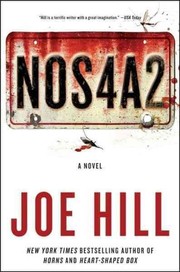
NOS4A2
Vic McQueen's bike finds lost things through a bridge, pitting her against Manx's Rolls-Royce ride to Christmasland.
2,060-word summary · 9 min read
Rosemary's Baby
A young couple's dream apartment in the Bramford turns dark when helpful neighbors and a trusted doctor take over Rosemary's pregnancy.
2,665-word summary · 12 min read
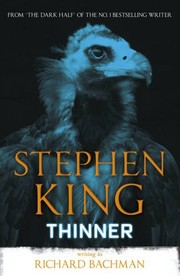
Thinner
A Connecticut lawyer escapes punishment after a fatal crash, then an old Romani father lays a wasting curse on him and the pounds start falling off.
2,502-word summary · 11 min read
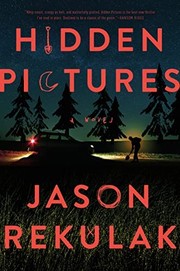
Hidden Pictures
Nanny Mallory sees Teddy drawings predict a murder in New Jersey.
2,332-word summary · 10 min read
Lisey's Story
Two years after her novelist husband dies, Lisey Landon follows a trail of clues into his childhood and the other world that made him a writer.
1,998-word summary · 9 min read
Hearts in Atlantis
Five linked stories follow Bobby Garfield, Carol Gerber, and their friends from a haunted childhood in 1960 to the long aftermath of Vietnam.
2,402-word summary · 11 min read
Rose Madder
After fourteen years of abuse, Rosie Daniels flees her cop husband and finds a painting that opens into a dangerous mythic world.
2,349-word summary · 10 min read
Duma Key
After losing his arm, Edgar Freemantle paints on a Florida island and learns his pictures can open doors for something hungry.
2,530-word summary · 11 min read
Desperation
Travelers on Highway 50 are hauled into empty Desperation, Nevada, where a possessed deputy serves an old thing in the mine.
2,993-word summary · 13 min read
The Mist
Mist full of creatures traps a Maine supermarket while Mrs. Carmody builds a congregation inside.
2,104-word summary · 9 min read
Insomnia
Widowed Ralph stops sleeping in Derry and sees small doctors with scissors deciding who lives and dies.
3,605-word summary · 16 min read
Dolores Claiborne
A Maine housekeeper confesses two deaths in one voice: Vera fall and husband lost in eclipse.
2,381-word summary · 11 min read
The Dead Zone
Coma waker Johnny sees futures in touch and faces demagogue Stillson.
2,132-word summary · 9 min read
Firestarter
Fugitive dad and fire starting daughter run from the Shop that made them.
2,275-word summary · 10 min read