
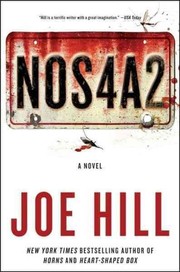
NOS4A2
2,060-word summary 9 min read 692 pages in the book
- First published
- 2013
- Publisher
- William Morrow and Company
- Pages
- 692
- ISBN
- 9780062200570
Reading options
What's inside (7 sections)
I read NOS4A2 over a hot week with the windows open and still felt cold during Christmasland chapters, which tells you how well Joe Hill builds dread. At 692 pages it follows Victoria McQueen, a girl who finds lost things by riding a bridge that should not exist, against Charles Manx, who takes children in a 1938 Rolls Royce to a place where it is always Christmas and never kind. Father son horror royalty collaboration? No, this is Hill proving himself beyond his surname with his own toll road to hell.
Vic finds lost things
Vic McQueen grows up in Haverhill, Massachusetts with fighting parents, a Raleigh bike, and a covered bridge in the woods that appears when she needs it. Ride through thinking of a lost bracelet and you exit where it waits. A diner in New Hampshire, a library in Iowa, a house across town. Each trip costs nosebleeds and fevers that worsen with distance. To hide the impossible, she invents excuses that make her look flaky. Mother drinks. Father works demolition. Both love her in frayed ways that cannot hold her secret without breaking.
Maggie Leigh, librarian with a stutter who reads future in Scrabble tiles, warns Vic at twelve about the Wraith. A man with a Rolls Royce plate NOS4A2 who takes kids to Christmasland and keeps them. Maggie knows because tiles spell horrors she cannot unsee and because her own stutter worsens each time she asks. Their meeting in an Iowa library, two girls with talents that cost, sets the book's rule. Gifts like these are inscape roads. Use them and they use you back. Vic promises to avoid the Wraith and means it until teen spite overrides fear.
At seventeen, furious at mother after a fight, Vic rides to spite her and finds Sleigh House in Colorado where Manx lives. She finds a boy locked in the back of the Wraith, tries to free him, discovers the child turned strange and loyal to Manx, and flees through fire she sets herself. Lou Carmody, overweight biker with a good heart, rescues her at a gas station. Manx attacks, kills a soldier, is caught by police who assume he kidnapped Vic rather than the reverse. Vic says nothing about bridges because who would believe. That silence lets Manx wait in prison rather than die, a mistake that will cost decades.
What I liked is how Hill writes kid logic with adult consequences. Vic is brave, rude, artistic, quick to lie to protect magic. She draws, makes jewelry, tags walls. Creativity is her engine and her toll road. Each ride feeds art while eating health. Parents see grades slip and assume drugs. Readers see the trade and ache. Being special here is not wish fulfillment. It is a chronic condition managed with lies.
Manx and Christmasland
Charles Talent Manx III is one of horror's great recent villains because he believes he saves. Born over a century ago, kept young by feeding on children's souls in Christmasland, he drives a 1938 Rolls Royce Wraith with plate NOS4A2 that runs on belief and bad roads to a place outside normal America. With helper Bing Partridge, the Gasmask Man who steals sevoflurane to gas parents and who rapes and kills while Manx takes kids, he builds a park where it snows daily, rides never stop, and children play forever while losing teeth, kindness, and humanity to become vampiric toys who call him Father.
Christmasland chapters chill through cheer. Gingerbread smell covering rot, carols on loop, children with sharp teeth who laugh while hurting. Manx tells them parents abandoned them and he loves them best. They believe because kids need to believe someone does. Hill, father himself, writes the grooming logic without sensationalizing the worst. Focus stays on Vic's fight rather than suffering detail. Fear comes from perversion of safety. Christmas, childhood's safest season, turned into prison with lights that never turn off.
Bing is harder to read than Manx because he has no magic excuse. Chemical plant worker, lonely, obedient to Manx for praise, he gases mothers, kills fathers, and videotapes? No, he simply serves. Hill gives him a backstory of bullying that explains without excusing. Lonely men who want fathers will follow monsters who praise. That warning lands in a book full of absent dads. Vic's father demolishes buildings for a living and cannot demolish Manx. Lou, who becomes good dad to Wayne, shows alternative. Stay, listen, drive through night without needing to be hero. Presence beats powers.
The car itself is character. Rolls Royce Wraith that needs no gas when running on inscape roads, that hums carols, that remembers every child taken. Destroying it is the only way to kill Manx and free Christmasland, a fact Maggie spells in tiles. Vic must kill a beautiful machine to save kids, which car lovers will feel as loss. Hill loves old vehicles and makes you love this one before asking you to blow it. That ambivalence powers the finale. Beauty that eats children must burn no matter how it shines.
Wayne, Maggie, and cost
Years later Vic is grown, with son Bruce Wayne Carmody with Lou, a successful children's book series, and a drinking problem that ended marriage. She avoids bridges, takes pills, tries normal. Calls from Christmasland children taunt her about Manx waking. Wayne, sweet and strange, hears them too and draws the Wraith without knowing why. Vic's terror that gift passes to son drives her to a hospital stay that helps and shames. Lou takes Wayne, loves him steadily, fears Vic's madness is genetic. Family here breaks not from lack of love but from truths that sound crazy.
Maggie returns with news. Manx died in prison, resurrected through the car, escaped with Bing to finish Vic's line. Police will not believe because dead men file no paperwork. FBI psychologist Tabitha Hutter profiles Vic as unstable mother in custody fight rather than victim of impossible crime. Hill writes procedural skepticism fairly. From outside, Vic looks ill. Only readers who saw the bridge know she is sane in an insane situation. That gap creates page turning frustration. Tell them, Vic. She tries and fails because truth needs a bridge they cannot ride.
Maggie dies getting Wayne from the library where tiles warned too late. Manx takes Wayne to Christmasland while Bing holds Vic's neighbors. Vic kills Bing by lighting sevoflurane, a brutal self defense that costs her sleep more than guilt. She gathers explosives from her father's demolition shed, rides the Shorter Way on a Triumph bike that replaces the lost Raleigh, and storms Christmasland with Lou. The assault mixes war and fairy tale. Roller coasters as battlements, gingerbread men as guards, children forced to attack the woman come to save them though she looks like monster to eyes fed on Manx stories.
The end costs everything. Vic blows the park, destroys the Wraith as it tries to flee through time to 1986, and dies of wounds after getting Wayne out. Manx drowns in a river where Vic first rode as a girl, a perfect loop. Wayne survives but hears Christmasland calls and fears he carries seed to rebuild. Lou and Hutter take him to burned Sleigh House to smash ornaments and free trapped children still young and human underneath. Healing comes through destruction of pretty things, a moral kids understand intuitively. Break the ornament to free the child. Vic's death, mourned without resurrection cheat, gives weight. Mothers cannot always walk home from saving sons. Some rides end at the bridge.
Inscapes, bikes, and costs
Inscapes need a closer look because Hill builds a whole system from small talents. Vic's Shorter Way bridge appears where need is strong, a covered bridge that was demolished but persists for creatives. Maggie's Scrabble tiles spell truths at cost of stutter. Manx's Wraith runs on a road to Christmasland fueled by children's souls. Others mentioned in passing use a treehouse of mind, a pool, a library cart. Each inscape reflects user. Vic finds because she seeks lost things as an artist who restores. Maggie learns because she reads. Manx takes because he collects. The roads match souls the way wands match wizards, but Hill charges tolls Rowling waives. Nosebleeds, fevers, stutters, aging. Use reshapes body the way rivers shape banks. Power as erosion rather than gift.
Bikes and cars as vessels matter more than brand trivia. Vic's Raleigh, then Triumph, carry her because she loves motion and freedom they give girls with little else. Manx's 1938 Rolls Royce Wraith carries him because he loves status that hides rot. Vehicles in Hill are moving rooms where Americans feel safe enough to think. Teens with bikes, adults with cars. Vic thinks best pedaling. Manx plots best driving. Their final chase pairs bike against Rolls on inscape roads where belief paves. Old girl on old bike versus old man in old car. Age of machine matters less than clarity of need. She rides to save. He drives to keep. Need beats greed when roads themselves judge.
Costs accumulate across a life in ways the book tracks carefully. Childhood fevers keep Vic from school and mark her as sickly. Teen rides to Sleigh House burn bridges with parents who cannot believe. Adult rides to find Wayne cost teeth, hair, and months. Maggie's stutter goes from cute to crippling as she asks bigger questions. Manx stays young only by stealing youth, a debt Christmasland collects in teeth and joy. Even Lou, who does not ride, pays through worry and waiting. Hill's moral accounting is strict. Every shortcut exacts interest. The only free ride is not riding, which Vic cannot choose while children call. Gifts like these are chronic illnesses to manage, not superpowers to enjoy. That honesty separates Hill from wish fulfillment fantasy and places him beside King at his best on cost.
Read it if you like long horror with heart, if you loved Doctor Sleep's True Knot and want Hill's answer from a son's angle, or if you want vampires without castles. At 692 pages it sags once in midlife drinking chapters that repeat. Push through for Maggie's tiles and the final park assault. Hill argues gifts cost and love pays. Vic pays full price to keep Wayne human. That is horror with love at center, not love as bait. Keep lights on for Christmas songs after. They will sound different.
Lou, Maggie, and Hutter
Lou Carmody, overweight biker turned good husband and father, provides the book's steady normal heart. He rescues teen Vic without asking for story, loves her through art school mood swings, fathers Wayne with diapers and patience, and stays after divorce to co parent without poison. When Vic drinks and rages, Lou sets boundaries and keeps door open. When Manx returns, Lou believes fast because love teaches listening even to impossible. He drives through night to Sleigh House demolition, holds flashlight while Vic wires explosives, and takes Wayne to smash ornaments after Vic dies. Heroism here is showing up with snacks and gas money rather than powers. Hill, writing as a father, honors that plain care as much as any inscape.
Maggie Leigh, librarian with tiles, pays for knowledge with worsening stutter that mirrors Vic's fevers. Each question costs fluency, yet she asks anyway to warn. Her tiles, which answer in anagrams and scraps, require interpretation that can mislead when rushed. She misreads timing once with fatal cost to herself, running to save Wayne without backup. Her death in the library she loved, surrounded by books that could not protect, hits hard because she chose cost knowingly. Knowledge workers in Hill often die for sharing. Librarians as martyrs feels right in a book about roads built from reading. Keep asking, Maggie's life says, even as voice thins.
FBI psychologist Tabitha Hutter starts as skeptic antagonist and grows into ally through evidence she cannot dismiss. Assigned to profile unstable mother, she notes inconsistencies that point to truth rather than lies. Cell maps distorted toward Christmasland, a dead librarian's tiles predicting Wayne's words, a father's explosives missing. She follows procedure while bending to listen, risking career to accompany Vic rather than detain. By the end she co parents Wayne with Lou, bringing professional care to a boy who heard dead children sing. Her arc argues systems can learn if people inside listen past forms. Paperwork plus attention saves more than cuffs.
FAQ
When was NOS4A2 published?
William Morrow and Company published it on April 30, 2013. It runs 692 pages. The UK title is NOS4R2.
What does NOS4A2 mean?
NOS4A2 sounds like Nosferatu. The plate on Manx's 1938 Rolls-Royce Wraith reads NOS4A2, NOS4R2 in the UK.
Is there a TV show?
Yes. AMC adapted it for two seasons with Zachary Quinto as Manx and Ashleigh Cummings as Vic.
Similar books
Horns
Accused of killing Merrin Williams, Ig Perrish wakes with horns that force strangers to confess their darkest sins.
2,264-word summary · 10 min read
The Tale of the Body Thief
Lestat trades bodies with a psychic thief for one day of mortality and ends up trapped, sick, and hunting his own vampire body.
2,069-word summary · 9 min read
Locke & Key, Vol. 1: Welcome to Lovecraft
After their father is murdered, the Locke children move into a haunted family estate where keys unlock doors to ghosts, other places, and dangerous secrets.
2,019-word summary · 9 min read
At Grave's End
Cat and Bones face Max, a zombie-raising ancient vampire, and a prophecy that ties their marriage to Patra's death in the third Night Huntress novel.
2,061-word summary · 9 min read
Lover Unleashed
Paralyzed vampire warrior Payne and surgeon Manny Manello collide in an adult paranormal romance, as Xcor's Band of Bastards arrives in Caldwell for revenge.
2,374-word summary · 11 min read
Lullaby
A reporter discovers that a poem in a children's book kills anyone who hears it, and his attempt to destroy every copy turns into a road trip through grief,…
2,147-word summary · 10 min read
Glass Houses
Claire Danvers moves off campus to escape a bully and lands in a house where the roommates know Morganville's real secret: the town belongs to vampires.
2,345-word summary · 10 min read
Everything's Eventual: 14 Dark Tales
Fourteen Stephen King stories shuffled by the deal of a card deck, from the haunted room of 1408 to quiet tales of grief that sting as much as the monsters.
2,000-word summary · 9 min read
Deadlocked
A dead woman on Eric's lawn starts a murder investigation, a vampire queen wants Eric as her consort, and the fairies in Sookie's life close in.
2,885-word summary · 13 min read
This Present Darkness
A pastor and reporter face demons over Ashton while angels answer prayer.
2,384-word summary · 11 min read

If It Bleeds
Holly Gibney faces an outsider plus three more tales of dread.
2,219-word summary · 10 min read
Four Past Midnight
Four novellas about a plane lost in time, a writer haunted, and horrors small and large.
2,584-word summary · 11 min read
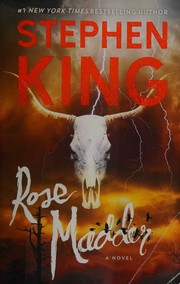
Rose Madder
After fourteen years of abuse, Rosie Daniels flees her cop husband and finds a painting that opens into a dangerous mythic world.
2,349-word summary · 10 min read
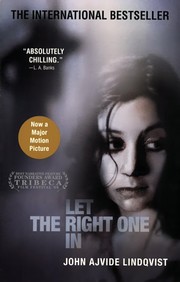
Let the Right One In
A bullied boy in 1981 Blackeberg befriends the strange child next door, where love and hunger grow side by side.
2,546-word summary · 11 min read
The Talisman
Twelve-year-old Jack Sawyer flips between America and the Territories to find a Talisman that can save his dying mother.
2,050-word summary · 9 min read
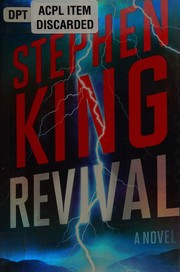
Revival
Jamie Morton shadows preacher Jacobs from boyhood healings to electric cures that open a door best left shut.
2,037-word summary · 9 min read
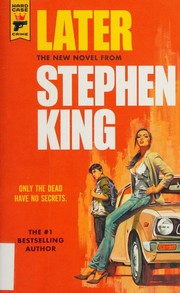
Later
Boy Jamie Conklin sees dead people who must answer truthfully, pulling him into NYPD cases and a drug crew's greed.
2,009-word summary · 9 min read
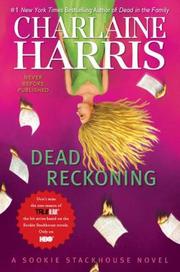
Dead Reckoning
Sookie confronts the firebombing of Merlotte's, Sandra Pelt's revenge, and a vampire power struggle while questioning her future with Eric.
2,391-word summary · 11 min read
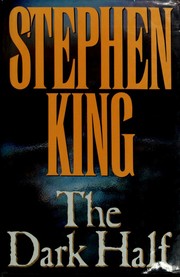
The Dark Half
A Maine novelist buries his violent pen name George Stark, then faces murders that carry his own fingerprints.
2,956-word summary · 13 min read
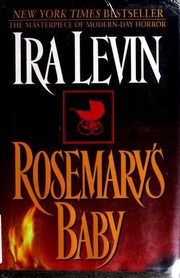
Rosemary's Baby
A young couple's dream apartment in the Bramford turns dark when helpful neighbors and a trusted doctor take over Rosemary's pregnancy.
2,665-word summary · 12 min read
Guilty Pleasures
Animator Anita hunts a vampire killer while Jean-Claude pulls her close.
2,136-word summary · 9 min read
Insomnia
Widowed Ralph stops sleeping in Derry and sees small doctors with scissors deciding who lives and dies.
3,605-word summary · 16 min read
From Dead to Worse
Sookie mediates a Were war and vampire takeover while learning about her fairy blood.
2,533-word summary · 11 min read
Dead and Gone
Weres reveal themselves as Sookie faces a murder, a Fellowship trap, and a brutal fairy war.
2,798-word summary · 12 min read
Thinner
A Connecticut lawyer escapes punishment after a fatal crash, then an old Romani father lays a wasting curse on him and the pounds start falling off.
2,502-word summary · 11 min read
Definitely Dead
Sookie heads to New Orleans for her dead cousin estate and finds witches, vamps, and family curses.
2,027-word summary · 9 min read
Club Dead
Sookie hunts missing Bill in Jackson, posing with a werewolf at vampire Club Dead.
2,324-word summary · 10 min read
Doctor Sleep
Grown Dan Torrance gets sober in New Hampshire and helps gifted Abra Stone face the True Knot.
2,841-word summary · 13 min read
The Outsider
Coach Terry Maitland's DNA and witnesses point to an impossible murder, until Ralph Anderson and Holly Gibney trace it to El Cuco.
2,586-word summary · 11 min read
Hidden Pictures
Nanny Mallory sees Teddy drawings predict a murder in New Jersey.
2,332-word summary · 10 min read