
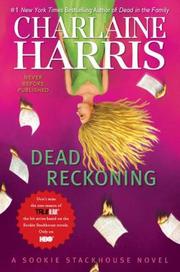
Dead Reckoning
2,391-word summary 11 min read 336 pages in the book
- First published
- 2011
- Publisher
- Ace Books
- Pages
- 336
- ISBN
- 9780441020317
- Series
- Sookie Stackhouse (#11)
Reading options
What's inside (7 sections)
I came into Dead Reckoning with mixed feelings, the way you feel starting the eleventh season of a show you love but know is running on fumes and habit. I liked Sookie Stackhouse a lot in the early books, when the mysteries were small and the Bon Temps bar gossip mattered as much as the vampire politics. By book eleven, the cast has grown huge, the fairy plot has taken over large parts of the story, and Sookie is tired in a way that feels real. I picked this one up because I wanted to see how Harris handled the endgame stretch. There are only two books after this one, and you can feel her moving pieces around the board. What surprised me is how much of this book is about Sookie asking what she actually wants, instead of just reacting to the next attack. There are still attacks, plenty of them, but the conversations between the fights stuck with me more.
If you have not read the earlier books, here is the short version of where things stand. Sookie Stackhouse is a waitress at Merlotte's bar in Bon Temps, Louisiana, and she can hear human thoughts, which makes normal life exhausting. Over ten books she has gotten tied up with vampires (Bill Compton, her first vampire boyfriend, and Eric Northman, the Viking sheriff of Area Five who is now much more than that), werewolves and shifters (her boss Sam Merlotte is a shapeshifter, her friend Alcide Herveaux runs with the local wolf pack), and the fairies on her grandmother's side of the family. The vampires came out to the world years ago, the shifters came out more recently, and Bon Temps has not handled any of it calmly. Dead Reckoning was published in 2011 by Ace Books, and it runs 336 pages in the hardcover first edition. It is a direct continuation, so do not start here. You need at least the last few books, especially Dead and Gone and Dead in the Family, for any of the fairy and vampire politics to make sense.
The fire at Merlotte's
The book opens with trouble at work, which is classic Sookie. Someone firebombs Merlotte's, the bar where she makes her living, and she is close enough to witness it. Nobody dies in the fire itself, but it rattles everyone, because Merlotte's is the center of Sookie's daily life and one of the few places she feels competent and safe. Sam, her boss, is now publicly known to be two natured, meaning a shapeshifter, and the quick assumption around town is that the bombing is the work of anti shifter bigots. There are people in the area with that kind of anger, including followers of the Fellowship of the Sun from earlier books, so the theory sounds reasonable at first.
Sookie does not buy the easy answer, or at least not all of it. She knows how Bon Temps grudges work. People smile at you at the grocery store and then try to burn down your workplace. She starts paying attention to who is asking questions, who is suddenly around more than usual, and who seems pleased by the damage. This part of the book reads like the early series at its best. Sookie waiting tables, listening to surface thoughts she cannot shut off, sorting lies from fear. Harris is good at this small scale stuff, and I was glad to get a chunk of it before the vampire summitry takes over.
The fire plot connects to a returning enemy. Sandra Pelt, the younger sister of Debbie Pelt, has come back with revenge on her mind. Readers will remember that Debbie was Alcide's girlfriend for a while and a genuinely nasty piece of work, and that Sookie killed her back in Dead to the World when Debbie tried to kill Tara. Sandra has never accepted that, and she has spent years stewing. She is not a supernatural powerhouse herself, but she is determined, she holds a grudge like nobody else in the series, and she is willing to hire help and set fires to get at Sookie. The Merlotte's bombing is part of her campaign. I found Sandra scarier than some of the vampires, because her hate is so plain and personal. She does not want territory or blood. She wants Sookie to hurt.
Eric, Pam, and Victor
The other big thread is vampire politics, and it takes up a lot of pages. Louisiana is under new management after the chaos of Hurricane Katrina and the takeover by Felipe de Castro, the vampire king of Nevada. His regent in Louisiana is Victor Madden, a slick and ambitious vampire who has set up his own flashy bar in Shreveport to compete with Eric's Fangtasia. Victor pushes, bullies, and skims, and he treats Eric and Pam, Eric's second in command and one of my favorite characters in the whole series, like servants instead of the established rulers of Area Five.
Eric and Pam are not the servant type. Much of the book is the slow build of their plan to get rid of Victor. Eric is bound to obey the chain of command, and open rebellion would get him killed, so everything has to be done through challenges, rules, and duels that vampire law allows. Pam, who is funny and dry and loyal in her own prickly way, is fully on board. Sookie gets pulled in because of her blood bond with Eric, which lets each of them sense the other's strong feelings, and because Eric keeps asking things of her that put her in danger. She runs errands, carries messages, shows up where she is told, and hates how little choice she has in it.
Bill Compton has a smaller role here than in some books, but his scenes matter. He and Sookie have settled into something like friendship after everything they did to each other, and Bill's quiet steadiness is a nice contrast to Eric's high handedness. There is also movement with Sam, Jason, Alcide, and Tara, all dealing with the shifter and pack fallout in their own ways. Jason, Sookie's brother, is married now and trying to be a better man than he was, with mixed results. Alcide is struggling to lead the pack without it tearing itself apart. None of these threads get huge page counts, because Victor and Sandra Pelt eat most of the book, but they keep Bon Temps feeling lived in.
I will be honest that the vampire meeting scenes dragged for me in the middle. There are a lot of conversations where powerful men talk around what they mean, and Sookie stands to the side reading thoughts and waiting. Harris tries to keep it lively with Pam's cracks and Sookie's internal commentary, and mostly it works, but around the two thirds mark I was flipping pages faster through the politics to get back to the personal stakes. If you love the True Blood style power games, you will enjoy this. If you came for waitress solves a murder, know that this is not really that book.
Fairies, letters, and Dermot
The fairy plot, which has been building for several books, gets a big push here. Sookie learns more about her heritage through a letter from her grandmother Adele, who died back in the first book but still shapes everything Sookie does. Adele knew more about the fairy side of the family than she ever said out loud, and her letter fills in painful gaps. It is one of the best parts of the book for me. Adele loved Sookie and Jason fiercely, and reading her words through Sookie's eyes reminded me why Sookie keeps going. She was raised by someone who paid attention.
Sookie's fairy relatives keep complicating her life. Niall Brigant, her fairy great grandfather, a prince among the fairies, drifts in and out with gifts and warnings that never come with full explanations. Claude, her fairy cousin who lives in the human world and works as a stripper, is as self centered as ever. And Dermot, her fairy great uncle, is back in a big way. Dermot looks exactly like Jason, he spent a long time enchanted and half mad, and his return shakes Jason badly. Imagine meeting a magical copy of yourself who remembers things from before you were born. Jason, who has always been vain about his looks and insecure about his brains, does not handle it well.
The most important fairy business in this book is the cluviel dor, a fairy gift of great power that Niall gives to Sookie. It is a single use object, a kind of wish or weapon she can spend only once, and the rule is that she has to be careful, because once it is gone it is gone. Sookie carries it for much of the book, turning over when to use it, the way you would carry an emergency fund you are afraid to touch. Harris does a good job making this small shining thing feel heavy. Every time Sookie walks into danger, you remember it is in her pocket, and you wonder if this is the moment. When she finally uses it, against Sandra Pelt's attack, the scene lands hard, because the cost is real. Power like that should have a price, and here it does.
Sookie and Eric talk about the future
What I liked best in Dead Reckoning is the stretch where Sookie stops and asks Eric what their life is supposed to look like. This is new for her. For most of the series she has taken things one crisis at a time. Here, maybe because the fire and Sandra Pelt make everything feel fragile, she pushes for answers. She is aging. He is not. She wants a home and safety and maybe children. He is a thousand year old Viking vampire who solves problems by killing them. She asks whether he would turn her, whether they could have anything normal, what he actually pictures. Eric's answers are honest in his way and also completely unsatisfying, because he loves her but he is who he is.
These scenes are uncomfortable in a good way. Eric can be high handed and possessive, and Sookie calls him on it more directly than she has before. She tells him she is not a prize or a servant, and that the blood bond does not give him the right to decide her life. He listens, or tries to, but old habits pull at him. There is a scene where they argue about how much danger she should be asked to face for his politics, and it felt like the most honest conversation they have had in books. I am not sure Harris wants us to root for them as a forever couple anymore, and that uncertainty gives the romance more weight than the earlier swooning did.
Sookie also reckons with what killing has done to her. She has taken lives by this point, always with reason, always when someone was trying to kill her or someone she loves, but it adds up. She thinks about Debbie Pelt, about the people she has shot or staked, about how fast her hand moves now. She is not sorry in a way that feels fake, but she is tired of being the person who has to do it. I appreciated that Harris lets her sit with this instead of brushing past it. Sookie prays, she goes to church suppers, she holds onto ordinary rituals, and those details keep her human when the body count climbs.
The showdown and where it leaves everyone
Everything comes together in the last stretch, with Sandra Pelt's revenge plot and the Victor problem both boiling over. I will keep the details light, because the order of events is fun to discover, but the shape is this. Sandra makes her move against Sookie directly, with hired muscle and a plan that shows how long she has been watching. Sookie survives it, barely, and the way she does changes what options she has left. Nobody walks away clean. People Sookie cares about get hurt, and one death in particular made me put the book down for a minute. Harris does not always let actions have lasting costs in this series, but here she does, and the book is better for it.
The vampire side ends with Eric getting what he wanted, though not in a way that feels like winning. Victor is dealt with through vampire law, in a confrontation that involves formal challenge and witnesses, and the outcome reshuffles who holds power in Louisiana. Eric steps up, Pam stands with him, and the local vampires fall in line, for now. But Sookie sees exactly what it costs to keep Eric where he is, and how much blood gets spilled to settle vampire pride. Her blood bond means she feels echoes of it whether she wants to or not. The victory tastes thin, and Harris knows it.
The book closes with Sookie alive, Merlotte's future uncertain, her family ties stranger than ever, and her love life unresolved in a way that feels deliberate. She has less than she started with in some ways and more self knowledge in others. The last pages set up the final two books without a cheap cliffhanger. You turn the last page knowing who is still standing and what the next fights will be about.
So who should read this. If you have come this far in the series, you should absolutely read it, because the Sandra Pelt and Victor plots pay off threads from way back, and the Sookie and Eric conversations matter for the finale. If you are new, skip it for now and start with Dead Until Dark. This book assumes you know everyone and does not slow down to introduce them. My fair criticism is that the middle sags under vampire procedure, some side characters get only cameos, and Sookie spends a lot of pages waiting on supernatural men to decide things. But the Adele letter, the cluviel dor, and the honest relationship scenes lift it above a mere table setter. I closed it worried about Sookie and curious about how Harris will land the ending, which after eleven books is probably the best compliment I can give.
FAQ
When was Dead Reckoning published and where does it fall in the series?
Dead Reckoning was published in 2011 by Ace Books and runs 336 pages in the hardcover first edition. It is the eleventh book in the Sookie Stackhouse series, between Dead in the Family and Deadlocked.
Who is behind the attacks on Sookie in Dead Reckoning?
Sandra Pelt, the sister of Debbie Pelt, whom Sookie killed in an earlier book. She targets Sookie over several attacks, including the trouble at Merlotte's.
Can I start the series with Dead Reckoning?
No. Start with Dead Until Dark and read in order. Dead Reckoning assumes you know the vampires, shifters, and fairy family, and it spoils major earlier deaths and reveals.
Similar books
More from Sookie Stackhouse first, then related titles.
Dead Until Dark
Sookie Stackhouse, a telepathic waitress in Bon Temps, falls for vampire Bill Compton as local murders close in.
2,751-word summary · 12 min read
Living Dead in Dallas
Sookie screens minds in Dallas for a missing vampire while a hate church sings nearby.
2,059-word summary · 9 min read
Club Dead
Sookie hunts missing Bill in Jackson, posing with a werewolf at vampire Club Dead.
2,324-word summary · 10 min read
Dead to the World
Sookie hides a blank Eric for Christmas while hunting the witch who cursed him and finding Jason.
1,997-word summary · 9 min read
Dead as a Doornail
Sookie tracks a sniper hunting shifters as Jason faces his first panther change and pack justice looms.
2,440-word summary · 11 min read
Definitely Dead
Sookie heads to New Orleans for her dead cousin estate and finds witches, vamps, and family curses.
2,027-word summary · 9 min read
All Together Dead
Sookie serves as human lie detector at a vampire summit where murder and trial threaten her weakened queen.
2,884-word summary · 13 min read
From Dead to Worse
Sookie mediates a Were war and vampire takeover while learning about her fairy blood.
2,533-word summary · 11 min read
Dead and Gone
Weres reveal themselves as Sookie faces a murder, a Fellowship trap, and a brutal fairy war.
2,798-word summary · 12 min read
Dead in the Family
Sookie shelters fairy kin and a telepathic boy while pack murder and Eric's vampire kin close in.
2,412-word summary · 11 min read
Deadlocked
A dead woman on Eric's lawn starts a murder investigation, a vampire queen wants Eric as her consort, and the fairies in Sookie's life close in.
2,885-word summary · 13 min read
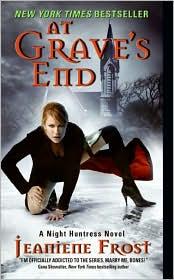
At Grave's End
Cat and Bones face Max, a zombie-raising ancient vampire, and a prophecy that ties their marriage to Patra's death in the third Night Huntress novel.
2,061-word summary · 9 min read
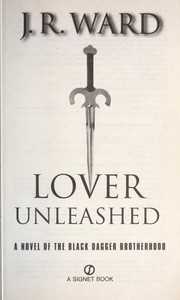
Lover Unleashed
Paralyzed vampire warrior Payne and surgeon Manny Manello collide in an adult paranormal romance, as Xcor's Band of Bastards arrives in Caldwell for revenge.
2,374-word summary · 11 min read
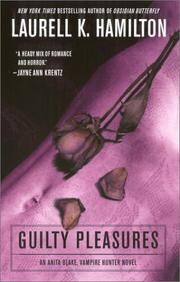
Guilty Pleasures
Animator Anita hunts a vampire killer while Jean-Claude pulls her close.
2,136-word summary · 9 min read

Blue Bloods
At an elite Manhattan school, Schuyler Van Alen learns she is a forbidden half-vampire as someone starts killing her kind.
2,725-word summary · 12 min read
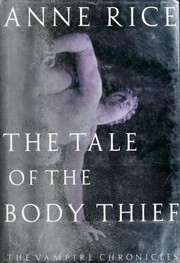
The Tale of the Body Thief
Lestat trades bodies with a psychic thief for one day of mortality and ends up trapped, sick, and hunting his own vampire body.
2,069-word summary · 9 min read
Six Scorched Roses
A dying scholar bargains with a reclusive vampire for blood, and six roses turn a transaction into a slow, dangerous romance.
2,663-word summary · 12 min read
The Awakening / The Struggle
A popular high school girl falls for a vampire, then discovers that his dangerous brother wants her too, in the first two books of the Vampire Diaries series.
2,660-word summary · 12 min read

Born at Midnight
Kylie Galen is sent to a camp for troubled teens and discovers it is a haven for vampires, werewolves, and witches, and that she may be something stranger…
2,310-word summary · 10 min read
Angels' Blood
Nalini Singh's 2009 Guild Hunter opener sends vampire hunter Elena Deveraux after a murderous archangel in New York, while its most powerful ruler watches.
2,367-word summary · 11 min read

Origins
Stefan's diary of 1864 and 1888: how he and Damon fell for Katherine, became vampires, and went looking for a killer in London.
2,056-word summary · 9 min read
Circus of the Damned
A rogue master vampire arrives in St. Louis and Anita Blake is caught in an undead turf war, with a science teacher in the crossfire.
2,757-word summary · 12 min read
Paranormalcy
A teenage agent who can see through glamour falls for a shape-shifter and learns the agency she works for is hiding her true nature.
2,041-word summary · 9 min read
Locke & Key, Vol. 1: Welcome to Lovecraft
After their father is murdered, the Locke children move into a haunted family estate where keys unlock doors to ghosts, other places, and dangerous secrets.
2,019-word summary · 9 min read
House of Salt and Sorrows
Annaleigh Thaumas investigates her sister's death in a cursed island manor where the balls are illusions and the sea god is always listening.
2,025-word summary · 9 min read
The Evolution of Mara Dyer
Back in Miami after the asylum collapse, Mara Dyer is treated at Horizons while Jude, who should be dead, stalks her. Noah stays close as the experiments…
2,577-word summary · 11 min read
Glass Houses
Claire Danvers moves off campus to escape a bully and lands in a house where the roommates know Morganville's real secret: the town belongs to vampires.
2,345-word summary · 10 min read

The Indigo Spell
Sydney Sage hunts an aging witch, learns forbidden magic, and finally admits she loves Adrian, while the Alchemist tattoo on her cheek may be controlling her.
2,604-word summary · 12 min read
Beautiful Chaos
Ethan Wate is losing himself piece by piece as the broken Order of Things demands a sacrifice, and the answer may be the last person anyone expected.
2,068-word summary · 9 min read