
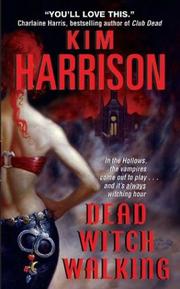
Dead Witch Walking
2,709-word summary 12 min read 416 pages in the book
- First published
- 2004
- Publisher
- HarperTorch
- Pages
- 416
- ISBN
- 9780060572969
- Series
- The Hollows (#1)
Reading options
What's inside (8 sections)
I came to Dead Witch Walking late, years after everyone had already told me Rachel Morgan was worth my time, and I started it expecting a standard bounty hunter romp with spells. What I found was weirder and more interesting: a post plague city where witches and vampires pay taxes and hold grudges, a heroine who quits her terrible job in chapter one and spends the rest of the book paying for it, and a found family that assembles itself out of spite and necessity. It is a first book in a long series, and it reads like one, bursting with ideas, occasionally clumsy, always moving. I had a great time, and I immediately understood why people stayed for eighteen more volumes.
The setup, quickly: decades before the story starts, a genetically engineered virus called the Turn swept through humanity and killed a huge share of the population. In the aftermath, the hidden supernatural population of the world stopped hiding. Witches, vampires, werewolves, pixies, elves, and plenty more came out of the closet and into ordinary civic life. They live in human cities, run businesses, get policed. In Cincinnati, the old human authorities handle human crime and a supernatural agency handles the rest, and across the river in the district called the Hollows, the night crowd pretty much runs things after dark. Rachel Morgan is a twenty something earth witch working as a runner, basically a bounty cop, for Inderland Security, the big supernatural agency. She is good at the work and terrible at the politics, and she is sick of being handed garbage assignments while her boss takes her for granted. So she quits. Quitting turns out to have a price she did not read closely enough: a mark on her head, a contract that says the agency's remaining runners can bring her in dead, and very few friends willing to stand next to her. She teams up with Ivy Tamwood, a fellow runner and living vampire with her own reasons to walk out, and Jenks, a four inch pixy with a giant attitude and a house full of kids. Together they open an independent runner agency in a run down church and try to survive long enough to buy Rachel's freedom by catching the one criminal nobody can touch.
Cincinnati after the Turn
The worldbuilding is the best reason to read this book, so let us sit with it. The Turn is a clever piece of design because it solves the eternal urban fantasy problem of how magic stays secret. It does not stay secret. The virus killed so many people, witches and supernatural folk included, though in different proportions, that the survivors on both sides had to cooperate or starve. Out of that cooperation came disclosure. By Rachel's time, the supernatural citizens are called Inderlanders, and they live alongside humans with a whole crust of law, slang, prejudice, and bureaucracy grown over the arrangement. There are slurs both sides pretend not to use. There are neighborhoods sorted by species and income. There is a federal bureau for human side cases and the Inderland agency for the rest, plus endless friction between them.
Harrison builds this out through texture rather than lectures, at least most of the time. Rachel's Cincinnati has spells as utilities: charms for disguise, potions for cleanup, amulets that ping your species at doorways. Magic has costs and rules and a black market. Brimstone, a dangerous drug tied to dark spellcraft, drifts through the Hollows clubs. Ley lines run under the city and skilled witches can tap them for power, which feels amazing and leaves you raw. Demon magic exists and it is exactly as bad an idea as it sounds, the kind of shortcut that experienced witches warn you about in the tone lifeguards use for riptides. None of this is explained in one place. You pick it up the way you pick up a new city's transit system, by watching Rachel ride it and make mistakes.
The Hollows itself, the district across the river where the night life concentrates, is drawn with real affection. Bars with mixed clientele, bouncers checking for spelled IDs, hookers and hustlers and day tripping humans who wander in looking for a thrill and sometimes find the wrong kind. The opening pages drop Rachel into exactly this scene, working a sad little stakeout in the rain in an outfit that makes her look like the thing she is supposed to be policing, trading insults with Jenks on her earring. It is a funny, damp, humiliated introduction to a heroine, and it tells you everything about her standing at work: three years a runner and they still send her to collar a leprechaun for tax evasion. The city feels lived in from page one, which matters, because the plot is going to ask this place to carry a lot of chases.
The worst resignation in runner history
Rachel quitting is the engine, and Harrison makes it both principled and reckless, which is exactly Rachel's brand for the whole series. Her boss at Inderland Security is the kind of petty tyrant who punishes competence that embarrasses him, and Rachel has spent years watching credit flow upward and blame flow down. The last straw is personal and professional tangled together, and she storms out without fully reckoning with the contract she signed. Inderlander employment law, it turns out, has teeth. Break your runner contract and the agency puts a death mark on you, payable to whoever collects. Suddenly every coworker Rachel ever showed up in a bar is financially motivated to drag her home in a bag.
This is a strong choice for a series opener because it converts the whole city into a threat and forces Rachel to earn every ally. She cannot call for backup. She cannot go home. She has no money and a price on her head and about forty eight hours of pride to burn through before reality sets in. What I like is that the book never pretends quitting was smart. Rachel knows by the second day that she miscalculated. She does not get to be the cool rebel who was right all along. She gets to be the stubborn witch who made a mess on principle and now has to clean it up with interest. That mix of courage and poor impulse control defines her, and if you cannot stand heroines who cause half their own trouble, consider this fair warning. Rachel causes plenty of hers.
The mark also sets up the book's deal structure, which drives the plot. Rachel's only way out is to pay off her contract, and the only currency the agency respects is results. So she has to do the thing no staff runner has managed: bring in a genuinely untouchable target. That target is Trent Kalamack, elven business prince of Cincinnati, philanthropist on paper, and by every whisper in the Hollows the man behind a web of smuggling, murder, and Brimstone money. He is young, polished, protected by lawyers and money and the reluctance of anyone to accuse elven royalty of anything. Rachel deciding to hunt him with no badge, no backup, and a bounty on her own head is either brave or insane, and the book knows it is both.
A vampire, a pixy, and a church
The team is the heart of the book and the reason the series lasted. Ivy Tamwood walks out of the agency alongside Rachel, or near enough alongside that they land together, and she is the most complicated person on the page. A living vampire, which in this world's rules means she is a human with vampire virus: strong, fast, with appetites she manages through discipline and distance. She is the best runner Rachel ever worked with, all control and precision, and she is also clearly obsessed with Rachel in a way that mixes professional admiration, hunger, and something she refuses to name. Their partnership is prickly from the start. Rachel needs Ivy's skill and is frightened of what Ivy wants from her. Ivy needs Rachel's warmth and hates needing anything. The push and pull between them, negotiated over takeout and stakeouts and slammed doors, gives the book its most electric scenes.
Then there is Jenks, and I mean this as praise: he steals the book. A four inch pixy with dragonfly wings, dressed like a tiny biker, possessed of a mouth that never closes and a code of honor the size of a cathedral. He signs on as Rachel's backup partly for hazard pay and partly because somebody has to keep her alive, and he bickers with her constantly while doing exactly that. What makes Jenks more than comic relief is his home life. He has a wife and a huge brood of kids in a garden, and his courage is always weighted by the knowledge that his family needs him to come home. Every time he follows Rachel into another stupid risk, he is spending something real. The scenes in his garden, domestic and warm and full of tiny voices, are the book's quiet anchor. When Rachel's choices endanger that family, the cost lands because we have sat in that garden with them.
The three of them set up shop as Vampiric Charms, an independent runner agency operating out of a deconsecrated church on the edge of things. The church is a perfect base: stone walls, a graveyard with opinions, wards layered over old consecration, cheap because nobody else wants to live where the neighbors are buried. Watching them make it habitable, arguing about money and wards and whose turn it is to answer the phone, is pure pleasure. This is the found family assembly montage, and Harrison plays it well. Nobody trusts anybody yet. Everybody needs everybody badly. The agency's first cases are small and scrappy, the kind of work that pays in exposure and bruises, and each one forces the trio to learn how the others fight.
Hunting the man nobody can touch
The Kalamack plot gives the back half its spine. Trent is a great early series villain because he barely has to raise his voice. He operates through layers: assistants, lawyers, deniable assets, legitimate companies with illegitimate basements. Rachel's plan to catch him is a patchwork of surveillance, charm work, informants, and bluff, assembled with no resources and constant interruption from the runners trying to collect her own mark. The book cuts between Rachel hunting Trent and various professionals hunting Rachel, and the crossings generate the best action set pieces: a stakeout that flips into an ambush, a chase through Hollows streets where Rachel has to decide which charms are worth the money, a confrontation with a shape changing assassin that shows how far out of her depth she still is.
I will not spoil the specific turns, but I can talk about the shape of them. The investigation keeps circling the same ugly questions. How does Brimstone move through the city, and whose money washes it clean. What happened to the people who tried to testify before Rachel. Whether Trent's polished grief over his own losses is real or performance. Rachel collects answers the hard way, by getting hurt and by watching people she is trying to protect get hurt worse. There is a genuinely nasty stretch late in the book where the cost of her crusade comes due all at once, and Harrison does not let her off with a quip. People bleed because she chose this fight. The book wants you to feel that weight even as it roots for her to win.
The climax works because it is not won by power. Rachel is not the strongest witch in Cincinnati and the book never pretends otherwise. She wins by preparation, by knowing her enemy's habits, by spending favors she cannot afford, and by accepting help from Ivy and Jenks in the exact ways she has been resisting all book. The resolution of her mark, when it comes, feels transactional in the right way: freedom purchased at a price, papers signed, debts tallied, nobody clean. And Trent, win or lose this round, is clearly not finished as a problem. The series needs him looming, and he looms.
Magic that bills you later
One thing that separates this book from lighter urban fantasy is how seriously it takes magical cost. Earth magic, Rachel's training, works through plants and familiar things, potions brewed and charms set, and it asks for preparation and money and cleanup. Ley line magic is faster and wilder, raw power pulled from the lines under the city, and it leaves burn marks on the careless. Demon magic, the forbidden tier, offers anything you want with a smile and a contract, and the contracts are always worse than they look. Rachel's relationship to these tiers is the book's quiet character test. She is tempted, more than once, to reach for the fast ugly option when someone she loves is in danger. What she chooses, and what it costs her to choose it, tells you who she is more honestly than any speech.
There is a throughline here about shortcuts that connects to everything else. Trent's empire is a shortcut. The death mark is a shortcut for the agency, outsourcing discipline to greed. Even Rachel's resignation was a kind of shortcut, feelings first and paperwork never. The book keeps showing that in the Hollows, the fast way always sends a bill, and the bill always arrives at the worst moment. I found this moral structure satisfying without finding it preachy, mostly because Rachel fails at it regularly. She is not a lecturer on magical ethics. She is a young woman who keeps grabbing the hot pan and then staring at her blistered hand in surprise. Her growth across this book is real but partial: she ends it more careful, not transformed. There are seventeen more books for a reason.
A note on the romance threads, since this shelf of fantasy usually includes them and readers will ask. The tension between Rachel and Ivy is the live wire, written with a frankness about hunger and boundaries that felt ahead of its time for 2004. There is also a softer thread with a human ally that offers Rachel something closer to normal, and the book uses that contrast well: safety versus voltage, breakfast versus blood. Nobody should go in expecting a resolved love story. This volume is about drawing the lines, not crossing them, and about Rachel insisting that her partnerships stay hers to define. Some of the banter and gender writing shows its era in small ways, a few winks that read dated now, but the core insistence on Rachel's consent and agency holds up.
Rough edges, honest accounting
Since this is a summary and not an ad, here is what drags. First book syndrome is real. The opening hundred pages carry a heavy info load, and Harrison sometimes stops the story to explain Inderlander law or magical theory right when a scene is catching fire. Rachel's inner narration can circle, especially about her appearance and her romantic confusion, and a few jokes get repeated past their best moment. The agency's money math wobbles if you poke it. And Rachel's decision making will make patient readers want to shake her: she withholds information from allies, walks into obvious traps, and spends her last dollar on the wrong charm more than once.
But here is the thing. I forgave all of it, because the virtues are exactly the ones that sustain long series. The world has rules and consequences. The trio's dynamic deepens every chapter. The villain is built to last. The heroine's flaws are consistent rather than convenient, which means her growth, when it comes, will mean something. By the final pages, with the church still standing, the agency's name on something like a door, and the city's powers recalculating around this stubborn witch who refused to die quietly, I felt the click of a series engine turning over. I went and got the second book. If you like your fantasy urban, your heroines stubborn, your vampires troubled, and your pixies foul mouthed and loyal unto death, come to Cincinnati. The Hollows keeps its promises, and its threats.
FAQ
When was Dead Witch Walking published?
HarperTorch published the mass market paperback in April 2004. It runs 416 pages and the ISBN is 9780060572969.
Who are the main characters?
Rachel Morgan, a witch and runner; Ivy Tamwood, a living vampire; and Jenks, a four inch pixy. They form Vampiric Charms.
Is Dead Witch Walking part of a series?
Yes. It is book one of The Hollows, followed by The Good, the Bad, and the Undead. This volume resolves its own contract plot.
Similar books
More from The Hollows first, then related titles.

The Indigo Spell
Sydney Sage hunts an aging witch, learns forbidden magic, and finally admits she loves Adrian, while the Alchemist tattoo on her cheek may be controlling her.
2,604-word summary · 12 min read

Magic Burns
A magic flare hits Atlanta, and mercenary Kate Daniels must recover stolen maps, find a missing witch, and keep a teenage girl alive while Celtic gods try to…
2,021-word summary · 9 min read
Glass Houses
Claire Danvers moves off campus to escape a bully and lands in a house where the roommates know Morganville's real secret: the town belongs to vampires.
2,345-word summary · 10 min read
One Foot in the Grave
Cat hunts vampires with Bones while her Sire plots from the grave.
2,200-word summary · 10 min read
Bone Crossed
Mercy faces vampire queen Marsilia after killing a vampire to save friends.
2,261-word summary · 10 min read
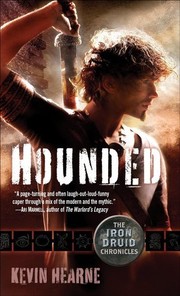
Hounded
A two-thousand-year-old druid runs a bookshop in Arizona, hides from an Irish god who wants his sword back, and talks to his dog.
2,159-word summary · 10 min read
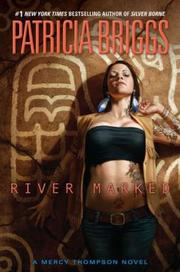
River Marked
Mercy and Adam's honeymoon on the Columbia River turns into a fight with an ancient river devil, and Mercy finally learns the truth about her father.
2,008-word summary · 9 min read
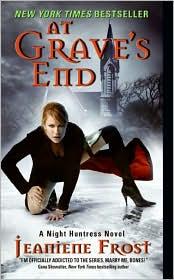
At Grave's End
Cat and Bones face Max, a zombie-raising ancient vampire, and a prophecy that ties their marriage to Patra's death in the third Night Huntress novel.
2,061-word summary · 9 min read
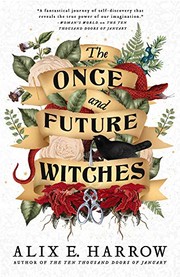
The Once and Future Witches
Three estranged sisters bring witchcraft back to an 1893 city where magic hides in nursery rhymes and the fight for the vote is also a fight for power.
2,132-word summary · 9 min read

Masquerade
After Cordelia's death, Schuyler flies to Venice to find her exiled grandfather, then returns to the Blue Bloods as they prepare for a masked ball and a hidden…
2,543-word summary · 11 min read

Blood Bonds
Oleander is chained in a Resistance camp, and her five Bonds have to find her before Silas Davies finishes what he started in this third Bonds that Tie book.
2,018-word summary · 9 min read
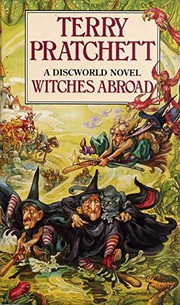
Witches Abroad
Three Lancre witches fly to Genua to stop a fairy godmother from forcing a servant girl into a storybook marriage, and find a city arranged around a happy…
2,651-word summary · 12 min read
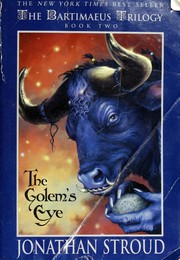
The Golem's Eye
Two years after The Amulet of Samarkand, Nathaniel is a rising bureaucrat, Bartimaeus is his unwilling servant again, and something made of clay is tearing…
2,299-word summary · 10 min read
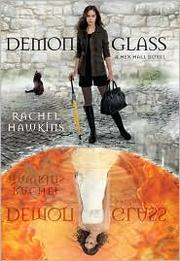
Demonglass
Sophie Mercer spends the summer at the Council's English estate, where two new demons, a suspicious host, and Archer's return complicate her plan to remove her…
2,771-word summary · 12 min read
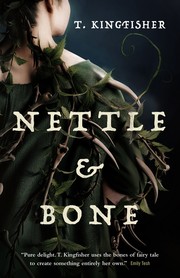
Nettle & Bone
Marra, a princess in a convent, leaves to save her abused sister, but first she must finish three impossible tasks: a bone dog, a nettle cloak, moonlight in a…
2,061-word summary · 9 min read
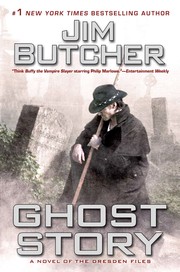
Ghost Story
Dead but not gone, Harry Dresden returns as a spirit to find his killer, protect the friends he left behind, and learn why the afterlife gave him a second…
1,978-word summary · 9 min read
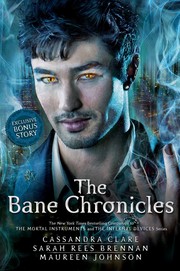
The Bane Chronicles
Eleven stories across five centuries follow Magnus Bane from a ban in Peru to his first date with Alec in this illustrated Shadowhunter companion.
2,470-word summary · 11 min read
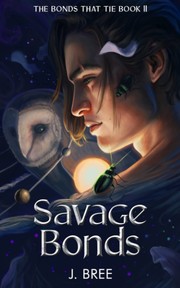
Savage Bonds
Oli's deadly gift is out in the open, her Bond runs the show, and the Resistance is closer than ever in the second Bonds that Tie novel.
2,431-word summary · 11 min read
Cold Days
Back from the dead as the Winter Knight, Harry Dresden must follow Mab's order to kill an immortal and defend Demonreach on Halloween night.
2,361-word summary · 10 min read
The Girl Who Drank the Moon
A witch who secretly rescues the town's sacrificed babies accidentally enmagicks one with moonlight, and the girl grows up with a power she cannot name.
2,078-word summary · 9 min read
Dreamfever
With the walls between worlds down and Mac broken by the Fae, Dreamfever is the darkest volume of the Fever series, and the one that changes everything.
2,007-word summary · 9 min read

Bitten
Elena Michaels is the world's only female werewolf, and keeping that world away from her human life in Toronto works fine until the Pack calls in a favor.
2,039-word summary · 9 min read
Turn Coat
Morgan asks Harry for sanctuary as the Council calls him traitor.
2,590-word summary · 12 min read
Soulless
A soulless spinster in Victorian London nullifies supernaturals and solves disappearances.
2,362-word summary · 10 min read
Small Favor
Harry owes Mab a favor and must find Marcone while Denarians hunt a holy girl.
2,741-word summary · 12 min read
Silver Borne
Mercy hides a Fae book while Samuel slips and the fae close in.
2,571-word summary · 11 min read
Shadowfever
Mac Lane hunts the Sinsar Dubh in Dublin as Fae walls fail and Barrons secrets surface.
3,016-word summary · 13 min read
Cry Wolf
Omega Anna joins Charles to hunt a rogue werewolf in Montana.
2,463-word summary · 11 min read