
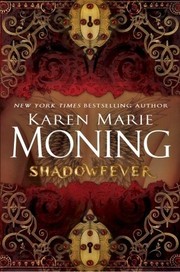
Shadowfever
3,016-word summary 13 min read 594 pages in the book
- First published
- 2011
- Publisher
- Delacorte Press
- Pages
- 594
- ISBN
- 9780385341677
- Series
- Fever (#5)
Reading options
What's inside (8 sections)
I picked up Shadowfever because I had lived with Mac Lane through four books and I needed to see how Moning would close it. This is the fifth book in the Fever series, published in 2011 by Delacorte Press, and it runs 594 pages in the hardcover. It starts with Dublin coming apart. The walls between the human world and Faery are failing. It snows in summer. Shades hunt in the dark. Fae that used to stay hidden walk the streets in daylight. And Mac is walking around with the most dangerous object in that world inside her own skin.
Mac came to Dublin from Georgia to find who killed her sister Alina. She stayed because she is a sidhe-seer, one of the women who can see through Fae glamour, and because Jericho Barrons pulled her into his war. Barrons runs a bookstore. He also runs everything else, or tries to. He is huge and scarred and precise about weapons and cars and books. He has been training Mac to fight and to sense objects of power. By the time this book opens she can hold her own in a street fight in a way the pink-loving girl from the first book never could. That change never stops mattering here. Every choice Mac makes in Shadowfever costs more because she finally understands the price.
The core problem is simple to state and brutal to live with. At the end of an earlier book Mac absorbed the Sinsar Dubh to keep it out of other hands. The Sinsar Dubh is a book of black magic made by the Unseelie King long ago. It is alive in the way a fire is alive. It wants out and it wants a body. It settled in Mac. So she spends this whole novel hearing it whisper. It offers her what she misses. Sleep without dreams. Alina back. Power enough that nobody can hurt her again. It shows her pictures of Barrons dead in her arms so she will reach for it. It learns her hungers fast. Moning writes those intrusions as short cold scenes. Mac will be making tea or shelving a book and then the voice slides in with something filthy or tender, whichever will unbalance her that hour.
Dublin coming apart
The city sections hit hard because Moning keeps them physical. Mac describes ice on streets that should be warm in August. She describes the parts of Temple Bar gone silent where the Shades took people. She describes Fae casting glamour over whole blocks so humans walk smiling into alleys and come out wrong. Barrons has warded his bookstore and his garage, so those rooms stay warm while the rest of the street freezes. That contrast does a lot of work. You sense how small the safe ground has become. A shop. A few rooms above it. A car with the engine running.
Mac keeps working her old job in the middle of this. She senses objects of power for Barrons and his men. She goes out with a spear. She checks the spots where Fae relics turn up. One early sequence has her tracking a relic through streets full of mirrors and shop windows because the Fae use reflections to cross over. She has to keep her eyes moving and her hands ready. It sounds routine after five books and Moning makes it feel routine in the good way, like muscle memory, and then she breaks the routine with something wrong. A street empties too fast. A Seelie prince stands where no Seelie should bother standing. The Book laughs inside her skull.
Vlane shows up in these chapters the way he always does, beautiful and irritating and oddly formal. He is a Seelie prince, one of the high Fae, and he has a claim on Mac from an earlier bargain that still makes her skin crawl. He wants the Book too, or wants it contained, and he keeps offering bargains that sound like help. Mac handles him better now. She tells him no to his face. She names the price of his help before he can dress it up. Their scenes have a strained politeness that I came to enjoy. He is trying to save his own people. She knows his people look down on humans. Neither of them pretends otherwise for long.
Barrons is different in this book in a way that took me a while to place. He is still the man who throws Mac into walls during training and then hands her a weapon without comment. He still refuses to answer direct questions about his age or his past or what he eats when nobody watches. But his control slips around Mac. He watches her longer. He checks her hands for shaking after she uses her sidhe-seer senses. He tells her things in fragments. Moning lets the romance sit inside the war plot instead of pausing the war for it. They argue about tactics and then stand too close in a doorway. They plan a raid and their hands brush over a map. It never feels stapled on. It feels like two tired people who keep choosing each other between fights.
The voice inside Mac
The middle of the book belongs to the Sinsar Dubh. Moning had to solve a hard problem here. The villain is inside the heroine and mostly talks. That could get static. She keeps it moving by giving the Book new tactics. Sometimes it tries seduction. It tells Mac she could rewrite the past so Alina never died. It paints Ashford, Georgia in warm light. Porch swings. Her parents waving. Her sister laughing. Then it flips the picture and shows Dublin burning because Mac was too weak to use it. Sometimes it tries disgust. It shows her what it would do with her mouth and her hands. It describes cruelty in detail meant to make her stop eating. Mac answers it the way she answers everything now. She talks back out loud. She names it. She tells it to shut up while she reloads.
Her resistance has a cost that shows. She stops sleeping. She stops trusting her own memory. There is a stretch where she cannot tell whether she walked to the bookstore or the Book walked her there. Barrons notices and does what Barrons does. He feeds her. He drills her until her body is too tired to listen to the voice. He makes her repeat what is real. Name five things you can see. Name who taught you to use a spear. Say where Alina is buried. Those scenes are spare and they carry weight because he never offers comfort he cannot back up. He offers food and weapons and a locked door.
One thread I admired is how Mac uses her sidhe-seer gift on herself. She has always been able to sense Fae objects and see through glamour. Now she turns that inward and tries to map where she ends and the Book begins. She finds places in her head that feel oiled. Thoughts that slide too easily toward cruelty. She marks them the way she would mark a bad street on patrol. It gives her a method instead of willpower alone. She cannot outwant an ancient book. She can watch it the way she watches a street, and that suits who she has become across the series.
The Book also goes after her through Barrons. It knows she loves him before she will say it plainly. It sends dreams where he dies in different ways. Torn by Rhino-boys in an alley. Burned by Seelie light. Turned to stone in Faery while she watches. She wakes from those dreams reaching for her spear and for him. Moning repeats this beat a few times and it risks feeling mechanical. For me it stayed effective because each dream takes something specific Mac said the day before and twists it. The Book listens. That is what makes it scary. It does not shout. It listens and then uses your own words.
Dani and Christian and the cost of help
Dani O'Malley steals every scene she walks into. She is fourteen, fast beyond reason, and loud to cover how scared she is. She calls herself Mega. Mac loves her and worries about her in equal measure. Dani wants to be treated as grown because she has survived things no kid should survive. Their talks on rooftops and in the bookstore kitchen give the book air. Dani chatters about comics and about Dancer, the boy she likes, and then asks Mac something raw about death. Mac answers straight.
Christian MacKeltar carries the heaviest subplot. He is a Highlander tied to old magic, and in a prior book he was captured and fed Unseelie flesh in the Unseelie Prison. That changes him. His skin marks. His appetites shift. He hears the Unseelie part of himself suggest things the human part hates. When he returns to Dublin he is colder and sharper and half ashamed of what he now enjoys. His scenes with Dani have a strange gentleness. She treats him as normal when nobody else can. If the series has a heart outside Mac and Barrons, it lives in those two looking out for each other.
Rowena runs the sidhe-seer organization and she might be the most human monster here. She took Mac in, taught her some of her history, and lied to her face about the rest. Rowena believes ordinary people cannot handle the truth about the Fae, so she edits everything. She hides records. She sends girls out unready. Mac starts pulling at those lies in this book and whole sections turn on what she finds in Rowena's rooms and in old journals. Moning does not make Rowena cackle. She makes her certain. That certainty has killed more girls than any Fae blade, and Mac finally says so to her face.
There is a hard scene about halfway where Mac confronts what Rowena did to Alina. I will not spoil the exact mechanics because the reveal works best as Mac pieces it together from sources that disagree. What matters is the shape. Alina died because she learned something Rowena wanted buried and because she trusted the wrong protector. Mac has to hold two facts at once. Her sister was brave and her sister was used. Grief in this series has always been practical. Mac cries while loading magazines. She mourns while warding doors. That continues here and it suits her.
Barrons and what he really is
Every Fever reader comes to Shadowfever with one question about Barrons. What is he. Moning answers it here, though she spreads the answer across scenes instead of dropping it in one speech. He is not human. He has lived a very long time. He and Ryodan and the others at the club are bound to something older than Dublin and older than the sidhe-seer order. They heal fast. They track like animals. They follow codes about territory and debt that sound like Fae law but colder. Barrons tells Mac pieces when he has to, usually after she catches him doing something impossible. Surviving a wound that should kill. Speaking a language of power over an old stone. Knowing the Unseelie King by something other than stories.
The reveal works because it reframes his distance instead of erasing it. He kept Mac at arm's length for reasons protective and selfish at once. He wanted her strong enough to survive what follows him. When Mac learns more, she does not forgive him all at once. She tests him. She asks who he has buried. He answers some of it and refuses the rest, and she accepts the refusal as part of him rather than as a puzzle to solve by morning. Love here is not confession that fixes everything. It is staying in the room after confession fails.
The Song and the King
The plot engine underneath all this is the Song of Making. Long ago the Unseelie King sang the worlds into shape, and parts of that song still exist in different vessels. Sung truly, the walls can be repaired and the Sinsar Dubh contained. Sung wrongly, everything gets worse. Mac spends much of the book hunting pieces of it. She follows rumors to old stones. She questions Fae who remember the King. She listens for music in places that should be silent.
Cruce, also called Darroc in his modern shape, is the pressure behind much of this. He was once close to the King and he wants the Book and the song for himself. In Shadowfever he moves openly. He takes ground. He offers Mac a place beside him that sounds like freedom and plays like a cage. Mac sees through him because Barrons trained her to hear the price inside praise.
The Unseelie King himself appears more directly here than before. He is vast and sad and terrifying. He made the Sinsar Dubh out of pride and grief, to bring back something he lost, and it poisoned everything he touched after. His scenes are strange and quiet compared to the street battles. He talks about making and unmaking. Those conversations slow the pace in a way some readers will dislike. They explain why the Book cannot simply be burned or drowned. It is part of its maker. To end it you have to reckon with him.
Mac also learns the full truth about her own blood in these chapters. She was raised in Georgia by parents who loved her. She learns they were not her birth parents. Her birth ties run into the sidhe-seer lines and into Fae history in ways Rowena tried to cut short. The blood explains why Mac can hold the Book and hear the song. It does not decide what she does with either. Being made for a purpose is not the same as agreeing to it, and Mac refuses to confuse the two.
Samhain night
Everything aims at Samhain, when the walls thin to nothing. Moning stages the climax across Dublin streets, the bookstore, and open ground where Fae armies meet. The sidhe-seers hold lines they can barely hold. Dani runs messages and cuts down things that get through. Christian fights beside people who fear what he has become. Barrons and his men hit where the line bends. Cruce brings his own force straight at Mac, because everything for him comes down to taking the Book out of her.
Mac spends the battle in two fights at once. Outside, she uses spear and senses and the training Barrons beat into her. Inside, the Sinsar Dubh screams for release. It offers her Barrons alive at dawn if she will let it speak through her. It offers Alina. It offers Dublin untouched. Those offers hurt because they are specific. They use phrases Alina used. They use the smell of her mother's kitchen. Mac keeps moving through them by naming what they are. Lies built from true things.
The Song sequence pays off threads from all five books. People she loves are bleeding nearby. Barrons is where she cannot reach him. She sings, or joins a singing, in a scene Moning writes as physical work rather than pretty music. It burns. It pulls. It asks for memory and intent, and it takes both. The Book fights hardest here because it knows what the Song means for it. It claws at Mac from inside. She holds by thinking of small true things. Shelving books. Dani laughing. Barrons saying her name without mockery for once.
I will leave the exact final beats for new readers, but the shape is this. The Sinsar Dubh is separated from Mac and contained by the means the whole series pointed toward. Cruce meets the end his hunger earned. Rowena answers for what she did to Alina and to the order, though not in a courtroom. The King pays what makers pay. Barrons and Mac survive to choose each other without a bargain forcing it, which after five books of debts and claims feels like the real happy ending. Christian lives with what he has become instead of being cured by a speech. Dani walks out with a future that is still dangerous but hers.
Fair criticism belongs here because the book is not seamless. The middle sags in places under lore. There are conversations about the King and old crimes that circle the same ground. A few revelations arrive through journals and told memories rather than action, and after a street battle those quiet pages can drag. Moning also keeps Mac and Barrons apart for stretches to build tension, and some of those separations feel engineered. One rescue late in the book bends belief even by Fever standards. I accepted it because the emotional payoff was strong, but I noticed the seams.
Moning writes in Mac's voice, which is funny and frank and sometimes repetitive about clothes and Barrons exiting cars. If that voice annoyed you in book one, five books will not fix it. Here the jokes thin out as Dublin freezes, which helps. Mac still notices coats and phones and food in the middle of horror. I find it human. People in crisis fixate on small normal things, and Mac counting spear strikes while thinking about hot tea sounds right for someone holding herself together on purpose.
What stays with me is not the lore chart. It is Mac standing in a cold street with a book screaming inside her head, choosing to walk toward her friends anyway. It is Barrons locking a door and teaching her to breathe. It is Dani asking for a job and getting one that respects her speed. It is Christian refusing a bargain in the dark when nobody would know if he said yes. Shadowfever closes its series by insisting that power answers to care. That is a simple claim for a 594 page novel to make. Moning makes it stick because she shows the feeding and the shielding, over and over, until belief follows.
FAQ
Who is Jericho Barrons in the Fever series?
He is Mac's mentor and love interest, a bookseller hiding great age and power. Shadowfever reveals his past as one of the ancient ones tied to the Unseelie King.
What is the Sinsar Dubh?
It is a sentient book of black magic created by the Unseelie King. Mac absorbed it in an earlier volume and spends Shadowfever resisting its voice while hunting the Song of Making.
When was Shadowfever published?
It was published in 2011 by Delacorte Press as the fifth book in the Fever series. This summary follows that edition and keeps its facts aligned.
Similar books
More from Fever first, then related titles.
Bloodfever
Mac hunts the Sinsar Dubh in Dublin while Barrons tests her.
2,124-word summary · 9 min read
Dreamfever
With the walls between worlds down and Mac broken by the Fae, Dreamfever is the darkest volume of the Fever series, and the one that changes everything.
2,007-word summary · 9 min read

Magic Burns
A magic flare hits Atlanta, and mercenary Kate Daniels must recover stolen maps, find a missing witch, and keep a teenage girl alive while Celtic gods try to…
2,021-word summary · 9 min read

Bitten
Elena Michaels is the world's only female werewolf, and keeping that world away from her human life in Toronto works fine until the Pack calls in a favor.
2,039-word summary · 9 min read
Silver Borne
Mercy hides a Fae book while Samuel slips and the fae close in.
2,571-word summary · 11 min read
One Foot in the Grave
Cat hunts vampires with Bones while her Sire plots from the grave.
2,200-word summary · 10 min read

Cry Wolf
Omega Anna joins Charles to hunt a rogue werewolf in Montana.
2,463-word summary · 11 min read
First Grave on the Right
Charley Davidson is a private investigator in Albuquerque and the grim reaper. When three murdered lawyers come back as ghosts, her two jobs collide.
2,770-word summary · 12 min read
The Lost Sisters
Taryn Duarte writes a letter to her twin, Jude, explaining how she fell for Locke and why she stayed silent while he used them both.
1,914-word summary · 9 min read
River Marked
Mercy and Adam's honeymoon on the Columbia River turns into a fight with an ancient river devil, and Mercy finally learns the truth about her father.
2,008-word summary · 9 min read
At Grave's End
Cat and Bones face Max, a zombie-raising ancient vampire, and a prophecy that ties their marriage to Patra's death in the third Night Huntress novel.
2,061-word summary · 9 min read

Masquerade
After Cordelia's death, Schuyler flies to Venice to find her exiled grandfather, then returns to the Blue Bloods as they prepare for a masked ball and a hidden…
2,543-word summary · 11 min read
Blood Bonds
Oleander is chained in a Resistance camp, and her five Bonds have to find her before Silas Davies finishes what he started in this third Bonds that Tie book.
2,018-word summary · 9 min read
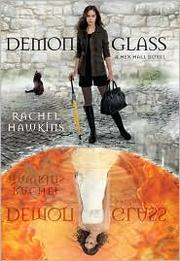
Demonglass
Sophie Mercer spends the summer at the Council's English estate, where two new demons, a suspicious host, and Archer's return complicate her plan to remove her…
2,771-word summary · 12 min read

Born at Midnight
Kylie Galen is sent to a camp for troubled teens and discovers it is a haven for vampires, werewolves, and witches, and that she may be something stranger…
2,310-word summary · 10 min read
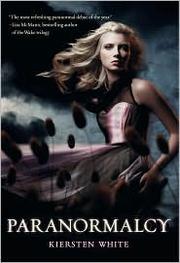
Paranormalcy
A teenage agent who can see through glamour falls for a shape-shifter and learns the agency she works for is hiding her true nature.
2,041-word summary · 9 min read

Lore
Lore Perseous, the last of a hunted bloodline, is pulled back into the Agon when a wounded Athena offers her revenge against the god who killed her family.
2,188-word summary · 10 min read
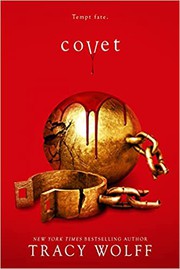
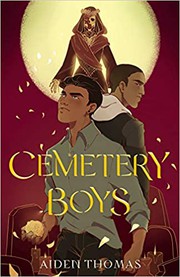
Cemetery Boys
A trans brujo in East Los Angeles summons the ghost of a boy who refuses to move on, and together they uncover a murder hidden beneath Día de los Muertos.
1,997-word summary · 9 min read
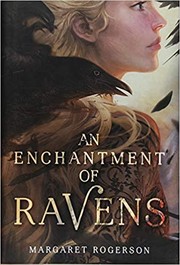
An Enchantment of Ravens
Isobel, a mortal artist in the fairy town of Whimsy, paints a portrait of the autumn prince and falls in love with him, breaking the laws of her craft.
2,087-word summary · 9 min read
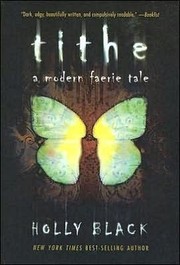
Tithe: A Modern Faerie Tale
A retelling of Holly Black's Tithe: Kaye Fierch returns to the Jersey Shore, discovers she is a changeling, and becomes the mortal sacrifice in a faerie power…
2,586-word summary · 11 min read
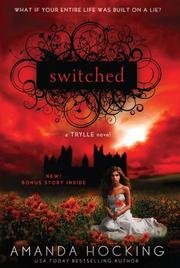
Switched
A Minnesota teenager who can make people obey her discovers she is a changeling troll princess, and the hidden kingdom she came from wants her back.
2,131-word summary · 9 min read
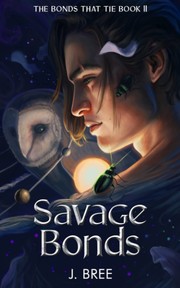
Savage Bonds
Oli's deadly gift is out in the open, her Bond runs the show, and the Resistance is closer than ever in the second Bonds that Tie novel.
2,431-word summary · 11 min read

Glass Houses
Claire Danvers moves off campus to escape a bully and lands in a house where the roommates know Morganville's real secret: the town belongs to vampires.
2,345-word summary · 10 min read
Cold Days
Back from the dead as the Winter Knight, Harry Dresden must follow Mab's order to kill an immortal and defend Demonreach on Halloween night.
2,361-word summary · 10 min read

The Indigo Spell
Sydney Sage hunts an aging witch, learns forbidden magic, and finally admits she loves Adrian, while the Alchemist tattoo on her cheek may be controlling her.
2,604-word summary · 12 min read
Deadlocked
A dead woman on Eric's lawn starts a murder investigation, a vampire queen wants Eric as her consort, and the fairies in Sookie's life close in.
2,885-word summary · 13 min read
A Deal with the Elf King
A village herbalist is exposed as the hidden Human Queen, married to a cold elf king, and given three months to save his dying kingdom or be bound to it…
2,094-word summary · 9 min read