
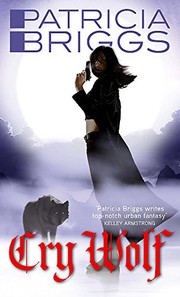
Cry Wolf
2,463-word summary 11 min read 307 pages in the book
- First published
- 2008
- Publisher
- Orbit
- Pages
- 307
- ISBN
- 9781841497945
- Series
- Alpha and Omega (#1)
Reading options
What's inside (8 sections)
I came to Cry Wolf after reading the first Mercy Thompson books and wanting more of Charles and Anna, who only flicker at the edges there. Cry Wolf by Patricia Briggs was first published in 2008, with the Orbit reprint in 2009 running 307 pages with ISBN 9781841497945. It opens the Alpha and Omega series, set in the same world as Mercy Thompson but up in Montana wolf country. I read it over a weekend, mostly in one long Sunday stretch, because the central pair pulled me forward even when the plot slowed to explain pack rules.
The setup is kind. Anna Latham, a young werewolf who was turned against her will and then abused by her former pack in Chicago, has been rescued and brought to Aspen Creek. She is an Omega, a rare kind of wolf whose presence calms others and who cannot be forced by dominance. Charles Cornick, son of Bran the Marrok who leads all North American wolves, is the pack enforcer. He does the hard jobs. He is also Anna mate, though both are still learning what that means. When hikers die in the mountains, Bran sends the two of them to look into it.
You do not need to have read Mercy Thompson first, but it helps. Moon Called introduces Bran, Charles, and the idea of walkers and fae. Cry Wolf reexplains enough to stand alone. It retells Anna rescue from the novella Alpha and Omega in brief flashback, then moves on to new trouble.
Anna, the Omega no one valued
Anna starts the book fragile in ways that feel earned rather than cute. She was attacked, turned, and then kept for years by a pack that treated her as weak because she would not submit prettily. Her old Alpha used her. She learned to go quiet, to clean up, to avoid notice. When Charles found her, he killed to get her out. Now she lives in his cabin, safe on paper, still flinching at raised voices.
What makes her different is the Omega trait. Most wolves live inside a dominance ladder. Alphas push, submissives yield, and the whole structure hums with pressure. Omegas stand outside it. They cannot be compelled the same way. Their calm spreads. An agitated pack settles when an Omega sits with them. Bran values that highly because one Omega can prevent fights that would otherwise need punishment. Anna does not know how to use it yet. She thinks calm is just her personality. Charles and Bran see a gift that was wasted by people who mistook gentleness for rank failure.
I liked how Briggs writes her recovery. Anna is not fixed by romance. She makes tea wrong in a new kitchen. She counts exits in a room. She practices shifting on purpose to reclaim a change that was forced on her. She takes a job answering phones for the pack to earn a place. Small steps accumulate. When she stands up to a dominant wolf early on, her voice shakes and she does it anyway. That rang true to me.
Her relationship with Charles is tender and awkward. She wants closeness but fears touch that turns rough. He wants to protect but fears his own temper because his wolf is old and lethal. He asks before he crowds. She tells him when quiet means fear rather than peace. There is a scene where he simply sits on the floor while she works, close enough to guard, far enough to let her breathe.
A fair note is pacing. The first third spends a lot of time on trauma aftermath, pack introductions, and mate bond mechanics. Readers who came for a murder hunt may fidget. I did for about fifty pages. The payoff is that later, when Anna walks into danger on purpose, you understand the cost. She is not a fearless heroine. She is a hurt person choosing to act while afraid.
Charles, the enforcer with old scars
Charles is the opposite of the chatty hero. He is quiet, precise, scarred, and tired. As Bran son and enforcer, he kills rogues, cleans up exposures, and carries out sentences other wolves cannot face. He was born in the 1800s, turned young, trained by his father to be a weapon with manners. That history sits in his shoulders. He fixes watches for calm. He braids leather. He speaks Salish with his grandfather when words in English get too sharp.
Briggs gives him a split that drives much of the book. Charles is human and wolf, but his wolf, called Brother Wolf in his head, is older and closer to the surface than most. When Charles is wounded or angry, Brother Wolf pushes forward with simpler rules. Protect mate. Kill threat. Bleed now, sort later. Anna Omega calm is one of the few things that can reach him in that state without a fight. Their bond is practical as well as romantic. She steadies the weapon. He shelters the healer.
His injury shapes the middle of the story. Hurt during Anna rescue and still weak, Charles should be resting. Bran sends him anyway because only Charles can read the mountain signs and because Anna needs field experience with backup. That decision bothered me at first. It feels like a father spending a hurt son. Later it reads as trust. Bran knows Charles will fade if kept home while others hunt. Work is how Charles steadies himself.
What works best are small craft details. Charles notices boot prints, broken twigs, scent age. He treats Anna as a partner to train, not luggage to guard. He shows her how to move downwind and how to leave a trail others can follow.
The drag here is interior repetition. Charles circles the same guilt about past kills and fear that Anna will see him as a monster. Two passes would have sufficed. A third pass in the cabin, plus another on the trail, slows momentum just when the hunt should tighten. I skimmed a little there, though fans of slow character study may enjoy the extra time inside his head.
A mountain town and a dead hiker
The case itself starts plainly. A hiker is found dead in the Beartooths in winter, torn in ways that suggest animal attack but smell wrong to wolves. More reports trickle in. Missing campers. A mauled tent with food left untouched, which real predators rarely do. The Forest Service wants bears. Bran smells rogue wolf, a wolf who has lost human control and kills without pack restraint. Rogues must be put down fast before humans notice a pattern.
Aspen Creek in winter is drawn with cold clarity. Snow that squeaks under boots. Diesel that gels if you forget additive. Search parties need snowmobiles and spare batteries. Cell signal dies in draws. Those limits keep the hunt tense. Power does not cancel weather.
Charles and Anna drive out with supplies and cover stories. He is a wildlife consultant. She takes notes. They interview a deputy, a store owner, a widow who rents cabins. Each talk adds texture rather than big clues. A stranger bought a lot of kerosene. A trail camera caught a large dog that moved too smoothly. A local kid swears he saw lights where no camp should be. None of it proves rogue. All of it points off the normal map.
Anna role in town surprised me in a good way. Because she looks young and harmless, people talk to her. Because she is Omega, tense witnesses relax without knowing why. She gets the widow to admit her husband had been guiding illegal backcountry trips for cash. She gets the store owner to recall a quiet man who paid in small bills and smelled of chemicals. Charles could compel answers with Alpha presence, but fear shuts people up. Anna openness opens them. The book quietly argues that soft skills find what force misses.
My gripe is structure. The investigation stalls in the middle while pack politics take over back home. Two chapters of interviews, then a long detour to Bran and pack business, then back to snow. The thread does not break, but it cools. A tighter cut would have braided town and pack scenes more evenly. As written, I had to flip back to recall who reported which sighting.
The rogue and the witch thread
Without spoiling the final names, the killing is not a simple rogue. A rogue wolf is involved, but someone is steering it. That someone uses old witchcraft, the kind that works through ties, hair, blood, and promises. In Briggs world, witches are human practitioners who bargain with powers for effect, and the price often eats the user. Here the craft suppresses a wolf human side and aims its hunger, turning a sick individual into a weapon.
Briggs handles magic with mechanic logic. Spells need materials and access. To aim a wolf, you need something of it. To hold it, you need a place it returns to. Charles and Anna therefore hunt like trappers as well as cops. Find the den. Find the cache. Burn what should not be kept. Anna, who was once controlled through pack abuse, recognizes the signs of coerced obedience faster than Charles does. She sees the flinch pattern. That lived knowledge matters more than lore.
The rogue itself is pitiable rather than grand. This is not a dark lord wolf with speeches. It is a sick, confused person turned into hunger with flashes of shame. One scene in deep snow, where Anna tries to speak to the human inside while Charles holds a line with silver ready, carries real ache. She knows what it feels like to be trapped in a body that obeys others. He knows what it feels like to end suffering he cannot cure. Neither enjoys the work. Both do it because leaving the creature loose would kill hikers and expose the pack.
Action, when it comes, is short and costly in classic Briggs style. No long duels with banter. A grab in trees. A snare that almost holds. Cold fingers failing at the wrong moment. Silver burns. Bones break and stay broken for pages. Anna gets hurt and stays hurt, limping through later chapters rather than bouncing back. Charles, still weak from earlier wounds, pays for each shift with shaking hands. I appreciated that cost. Too many shifter books treat change as a free reset. Here it spends blood to buy strength.
If there is a weakness, it is explanation density around witch rules. Briggs gives answers, but they arrive in talky lumps between chases. One clearing scene stops the pursuit cold for a lore talk that could have been split into two shorter exchanges on the move.
Bran, pack law and what it costs
Back in Aspen Creek, Bran Corless, the Marrok, holds the larger plot together. He looks forty, sounds reasonable, and carries centuries of authority that make Alphas go quiet when he enters. His problem is scale. He leads hundreds of wolves through regional Alphas, keeps them hidden from humans, and absorbs the failures personally. When a rogue kills under his watch, some Alphas whisper that age has softened him. When he defends an Omega mate for his killer son, others call it favoritism.
Scenes with Bran are the book most political and, to me, most interesting. Pack law is not fair by human standards. It allows execution without trial when exposure threatens all. It demands obedience that chafes modern minds. Bran enforces it because the alternative is discovery, panic, and slaughter by greater numbers. He hates parts of the job and does it anyway. One quiet talk with Anna about why he let her old pack fester too long before acting shows a leader admitting lateness. He misread Chicago as a local matter. People paid for that delay. His apology is brief and complete, without self pity.
Other wolves fill out the stakes. Asil, an old Moorish wolf with a reputation for madness held by courtesy, watches Anna with unsettling interest. Leah, Bran mate, dislikes Anna on sight from jealousy and fear that another Omega will shift standing. These threads do not all resolve here. They seed later books.
The theme that lands is cost of order. Every safety Bran buys is paid in blood or grief by someone like Charles. Every mercy he shows, like sheltering Anna, risks resentment from those who were denied mercy. Anna sees this clearly because she was once the denied one. Her Omega insistence on calming rather than punishing offers Bran a different tool. Not softness as weakness, but calm as strategy that prevents kills. Their late book alliance, tester and leader learning each other, promises good growth ahead.
A structural gripe applies. The Aspen Creek chapters and the mountain hunt chapters alternate in large blocks. Momentum in one location pauses while the other catches up. I would have preferred shorter cuts. Even so, both halves earn their pages. Home shows why the hunt matters beyond bodies. Hunt shows why home rules feel heavy to young wolves.
What sings and what sags
Stepping back, Cry Wolf works best as a mate story inside a job story. Anna and Charles learning to live together gives the hunt weight. The hunt gives their domestic talks stakes beyond feelings. Briggs writes both with plain prose, dry humor, and attention to work. Fix the truck. Pack the kit. Feed the pack visiting for dinner. Magic intrudes on chores rather than replacing them.
The strengths carry over from Mercy Thompson. Voice is practical. Violence has price. Pack hierarchy is explored as lived pressure, not explained in lectures, though some explaining is unavoidable in book one. Montana winter feels real.
The sags are real but not fatal. Middle pacing dips when lore and pack introductions crowd out hunting. Charles guilt loops. Witch rules arrive in lumps. New readers may also struggle with name load. By the end, Aspen Creek holds many wolves, plus human witnesses, plus history from the Chicago rescue. Briggs does not pause to reintroduce everyone. A simple cast habit, like Anna mentally sorting who is who when rooms fill, would have helped.
Who should read it. If you like urban fantasy where power is local and bills still need paying, start here or with Moon Called. If you like slow built romance between competent, damaged adults who ask before they touch, Anna and Charles are among the better pairs in the field. If you need every thread tied shut, you may chafe, because witch politics and Asil attention stay open for later volumes. I closed it satisfied and already reaching for Hunting Ground. For a 2008 opener whose Orbit reprint runs 307 pages, it sets table, serves a full meal, and leaves dessert for next time.
FAQ
When was Cry Wolf published?
It was first published in 2008. The Orbit reprint from 2009 runs 307 pages with ISBN 9781841497945.
Is Cry Wolf part of a series?
Yes. It is book one of Alpha and Omega, set in the Mercy Thompson world. Hunting Ground comes next.
Do I need to read Mercy Thompson first?
No. It stands alone, but Moon Called introduces Bran, Charles, and pack rules that help.
Similar books
More from Alpha and Omega first, then related titles.
Silver Borne
Mercy hides a Fae book while Samuel slips and the fae close in.
2,571-word summary · 11 min read

Bitten
Elena Michaels is the world's only female werewolf, and keeping that world away from her human life in Toronto works fine until the Pack calls in a favor.
2,039-word summary · 9 min read
River Marked
Mercy and Adam's honeymoon on the Columbia River turns into a fight with an ancient river devil, and Mercy finally learns the truth about her father.
2,008-word summary · 9 min read
Bone Crossed
Mercy faces vampire queen Marsilia after killing a vampire to save friends.
2,261-word summary · 10 min read

Magic Burns
A magic flare hits Atlanta, and mercenary Kate Daniels must recover stolen maps, find a missing witch, and keep a teenage girl alive while Celtic gods try to…
2,021-word summary · 9 min read
Dreamfever
With the walls between worlds down and Mac broken by the Fae, Dreamfever is the darkest volume of the Fever series, and the one that changes everything.
2,007-word summary · 9 min read
Shadowfever
Mac Lane hunts the Sinsar Dubh in Dublin as Fae walls fail and Barrons secrets surface.
3,016-word summary · 13 min read
One Foot in the Grave
Cat hunts vampires with Bones while her Sire plots from the grave.
2,200-word summary · 10 min read
Bloodfever
Mac hunts the Sinsar Dubh in Dublin while Barrons tests her.
2,124-word summary · 9 min read
Forever
Grace turns wolf, Sam scrambles for a cure, and Mercy Falls votes to hunt the pack in trilogy end.
2,217-word summary · 10 min read
Shiver
Grace Brisbane loves yellow eyed wolf Sam, human in summer, as winter cold threatens to take him back for good in small town Mercy Falls.
2,408-word summary · 11 min read
Iron Kissed
Mercy repays Zee by hunting a fae killer, clears his name, and finally chooses between Adam and Samuel.
2,944-word summary · 13 min read
Blood Bound
Coyote mechanic Mercy Thompson stands with vampire friend Stefan against a demon driven rival while pack ties strain.
2,636-word summary · 12 min read
Moon Called
A coyote mechanic in wolf country gets pulled into pack fights and fae bargains when a lost teen shows up.
1,943-word summary · 9 min read

First Grave on the Right
Charley Davidson is a private investigator in Albuquerque and the grim reaper. When three murdered lawyers come back as ghosts, her two jobs collide.
2,770-word summary · 12 min read
At Grave's End
Cat and Bones face Max, a zombie-raising ancient vampire, and a prophecy that ties their marriage to Patra's death in the third Night Huntress novel.
2,061-word summary · 9 min read

Masquerade
After Cordelia's death, Schuyler flies to Venice to find her exiled grandfather, then returns to the Blue Bloods as they prepare for a masked ball and a hidden…
2,543-word summary · 11 min read

Blood Bonds
Oleander is chained in a Resistance camp, and her five Bonds have to find her before Silas Davies finishes what he started in this third Bonds that Tie book.
2,018-word summary · 9 min read
Demonglass
Sophie Mercer spends the summer at the Council's English estate, where two new demons, a suspicious host, and Archer's return complicate her plan to remove her…
2,771-word summary · 12 min read
Born at Midnight
Kylie Galen is sent to a camp for troubled teens and discovers it is a haven for vampires, werewolves, and witches, and that she may be something stranger…
2,310-word summary · 10 min read
Paranormalcy
A teenage agent who can see through glamour falls for a shape-shifter and learns the agency she works for is hiding her true nature.
2,041-word summary · 9 min read

Lore
Lore Perseous, the last of a hunted bloodline, is pulled back into the Agon when a wounded Athena offers her revenge against the god who killed her family.
2,188-word summary · 10 min read
Cemetery Boys
A trans brujo in East Los Angeles summons the ghost of a boy who refuses to move on, and together they uncover a murder hidden beneath Día de los Muertos.
1,997-word summary · 9 min read
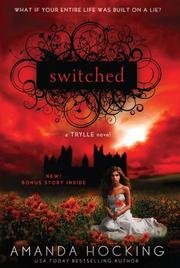
Switched
A Minnesota teenager who can make people obey her discovers she is a changeling troll princess, and the hidden kingdom she came from wants her back.
2,131-word summary · 9 min read
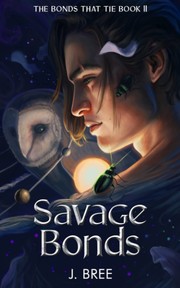
Savage Bonds
Oli's deadly gift is out in the open, her Bond runs the show, and the Resistance is closer than ever in the second Bonds that Tie novel.
2,431-word summary · 11 min read
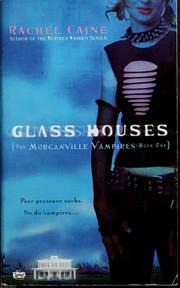
Glass Houses
Claire Danvers moves off campus to escape a bully and lands in a house where the roommates know Morganville's real secret: the town belongs to vampires.
2,345-word summary · 10 min read

The Indigo Spell
Sydney Sage hunts an aging witch, learns forbidden magic, and finally admits she loves Adrian, while the Alchemist tattoo on her cheek may be controlling her.
2,604-word summary · 12 min read
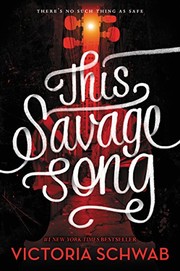
This Savage Song
Monster hunter Kate meets August, a monster who plays violin.
2,574-word summary · 11 min read