

Moon Called
1,943-word summary 9 min read 304 pages in the book
- First published
- 2006
- Publisher
- Ace Books
- Pages
- 304
- ISBN
- 9780441013814
- Series
- Mercy Thompson (#1)
Reading options
What's inside (6 sections)
I started this series because a friend who loves werewolves said skip the sparkle ones and read Mercy. Moon Called by Patricia Briggs was first published in January 2006 by Ace Books, a 304 page mass market with ISBN 9780441013814. It is book one of the Mercy Thompson series. Mercy is a Volkswagen mechanic in the Tri Cities, Washington, who happens to be a coyote shifter living next door to an Alpha werewolf. I read it in two evenings, partly for plot, mostly because Mercy voice is dry and practical in a way urban fantasy rarely sustains.
Mercy grew up among wolves. Taken in as a teen by the Marrok, Bran, the boss of all North American wolves, raised alongside his sons Samuel and Charles. She is not a wolf. She is a walker, old magic from Native lines, able to turn coyote at will and to resist some pack compulsion. That makes her useful and irritating to everyone. At the start she runs a garage, fixes a demon possessed Rabbit, and tries to stay out of pack business. Then a scared teenage boy shows up looking for work, and trouble follows him home.
The boy is Mac, new bitten, starving, terrified of the full moon. Mercy feeds him, hides him in her trailer, and calls Adam Hauptman, her Alpha neighbor, for help. Before help arrives, killers come. Fae, vampires, and a rogue wolf thread pull Mercy into a fight about who controls new wolves and what the fae took long ago.
The mechanic next door
Mercy setup is the best part. She lives in a beat up trailer by choice, works with her hands, and keeps a gun loaded with silver. Her neighbor Adam is an Alpha with a teenage daughter Jesse, an ex wife who hates magic, and a pack that watches Mercy with a mix of hunger and respect. Across town, Zee, her old fae boss, runs a pawnshop full of iron that burns his own kind. These details give the book texture without info dumps. You learn by watching Mercy negotiate.
Adam and Samuel orbit her from page one. Samuel, Bran son, a doctor and a wolf who once courted Mercy, now lives in her basement healing a broken heart. He is gentle, funny, and a little possessive in the way old wolves get. Adam is blunt, honorable, and newly divorced, trying not to claim Mercy while clearly wanting to. Mercy likes both and trusts neither fully with her freedom. The triangle never turns soppy in this book because survival keeps interrupting. A flirt scene ends when someone smells blood.
Mac story drives the first act. He was attacked, turned without consent, and used as bait by a sorcerer tied to a vampire chain. Mercy recognizes the signs because Bran taught her. New wolves starve fast. They need meat, orders, and touch to stay human minded. She locks her tools, makes stew, and sits with him through shakes while Samuel checks his fever. When Mac begs her not to hand him to the pack, she promises to ask first. That promise costs her later and defines her. Mercy keeps her word even when Alphas give orders.
The attack on her trailer is sudden and well staged. Windows break. Mac is taken. Mercy is beaten and left with a fae scent she cannot place. Adam arrives to find his neighbor bleeding and his control slipping. He wants to fold her into pack protection. She refuses to be claimed for safety. They compromise. She will help find Mac as a consultant, not as a pack member. It is a fragile deal and both know it.
If you are new to the genre, this opening teaches rules fast. Vampires own the night through seethe politics. Fae hide behind glamour after coming out to humans. Wolves follow rank, and rank smells like anger and pine. Walkers slip between all three because old magic does not bow to new hierarchies. I liked that Mercy power is modest. She cannot outfight an Alpha. She can out notice them, which matters more in a mystery.
Pack, seethe, and fae
The middle widens into three courts. Adam pack hall with its kitchen table politics. Marsilia vampire seethe with its plastic smiles. Zee fae network with its iron costs. Mercy moves between them with a mechanic bluntness that offends everyone and gets answers.
Pack scenes show Briggs strength. A meeting where Adam tries to keep young wolves from challenging him while Mercy sits against the wall, pointedly not pack, pointedly listening. A run where she shifts coyote and runs with them, faster in turns, smaller in jumps, learning who limps and who hides pain. A kitchen talk with Jesse, who is human and brave and tired of being protected from truth. These moments build loyalty so the later fights hurt.
Vampire scenes are colder. Marsilia, old and beautiful and tired, runs her seethe like a theater. Her boy Stefan, who loves cartoons and bad puns, befriends Mercy and pays for it. The sorcerer behind Mac uses vampire money and fae doors to move bodies. Mercy figures out the pattern by following repair logic. Who benefits from broken wolves. Who pays for cleanup. Who leaves no receipts.
Zee role is my favorite. He is fae, bound by old bargains, unable to lie directly, always charging a price that sounds small and lands large. He gives Mercy an iron walking stick that burns fae to hold, then asks her to remember who taught her to change oil. Their banter hides grief. He watched iron kill his people. She watched packs cull walkers. Both chose work over war, until work fails.
A fair critique. The book juggles many names in the middle. Warren, Darryl, Auriele, Honey, Ben, Kyle. Pack members blur unless you track who is dominant to whom. I kept a short list on my phone. It helped. The vampire side is thinner, two named vamps plus a sorcerer, which makes the final reveal easier to guess. I guessed half right and still enjoyed the how.
What keeps pages turning is Mercy problem solving. She tests silver loads. She asks Zee what fae cannot cross. She trades a favor to ride with Stefan into a trap house. She never waits for rescue, though she accepts backup when offered. That balance, stubborn but not stupid, makes her likable.
Mac and the hunger
Mac fate anchors the emotion. He is sixteen, turned against his will, used to lure Mercy, then chained in a basement to make more rogues. Briggs writes his hunger without sensationalism. Shaking hands. Apologies. A kid asking if he will hurt his mom. Mercy lies just enough to keep him calm, then tells the truth when it counts. You cannot go home yet. You need a pack or you will die.
Samuel tries to save Mac through medicine and dominance, holding him through a change, lending calm. It works for a night. Then the sorcerer pulls Mac strings through old bites. The scene where Mac begs Mercy to lock him up and she does, sitting outside the door talking about engines to keep him human, got me. Kindness as cage. Safety as grief.
Adam wants to claim Mac for his pack to protect him. Bran wants Mac sent to Montana for training. Marsilia wants him as evidence. Everyone argues over the boy like a tool. Mercy insists on asking Mac, which annoys every power in the room. It also saves them from a mistake, because Mac knows something about the house where he was held. A door that should not exist. A smell of river and rust. That clue breaks the case.
The rescue attempt goes wrong in a good way. Plans meet vampire speed and fae glamour and fail. Mercy shifts coyote to slip a fence, gets caught in iron wire that burns wolf and walker alike, and has to chew through pain while Samuel howls to cover sound. The fight is messy, short, and costly. No one walks out clean. Mac choice at the end, to fight the hunger rather than spread it, lands hard because Briggs let us like him in small scenes. Eating stew. Fixing a spark plug. Asking about Jesse music.
Some readers may find the violence abrupt. Throats, chains, basement rooms. It is not gory for long, but it is blunt. That bluntness fits Mercy world. Monsters do not monologue. They feed. Mercy response is equally blunt. Shoot, run, fix, mourn later. I appreciated that she gets hurt and stays hurt. A cracked rib in chapter ten still aches in chapter twenty.
Fae doors and old debts
The last third leans into fae lore, which is the freshest part. Zee explains that the fae left Underhill doors across the region, and someone is using one to move prisoners unseen. Iron blocks them. Running water confuses them. Old names open them. Mercy, as a walker, can sense the wrongness where a door breathes. She finds it by walking a creek with bare feet and feeling cold where no shade explains it.
The villain reveal ties money, magic, and pride. A vampire wants a private wolf army. A fae wants revenge for iron age losses. A sorcerer wants life extended through stolen change. None of them see Mercy as more than a pest until she jams their door with iron filings and oil, mechanic style. Fix the world by clogging its drain. I laughed, then held my breath, because jamming a fae door draws attention from things that eat pests.
Adam and Mercy relationship shifts here from neighborly sparring to trust. He follows her plan even when his wolves balk at taking orders from a coyote. She accepts his guard without accepting his claim. Their best scene is quiet. After a fight, he brings soup and does not ask for thanks. She eats and does not apologize for needing help. No kiss to fix fear. Just soup and a watch rotation. That restraint made me believe they could work later.
Stefan pays a price for helping Mercy against his Mistress, and Briggs does not undo it with a trick. Vampires remember debts. Zee pays too, in a way that sets up later books. Mercy ends the case with more allies and more marks. Bran calls to check in, proud and worried, and reminds her that walking alone does not mean living alone. She hangs up and feeds her cat, which is the most Mercy ending possible.
What wears a little is exposition near the end. Zee explains fae history in two long talks while everyone bleeds. Necessary, but I skimmed one paragraph about Unseelie courts and lost nothing. The final fight also relies on a power Mercy did not know she had, which feels close to rescue by lore. Briggs seeds it early with Bran lessons, so it passes, but just.
Still, as a series opener it succeeds. Mercy is competent without being invincible. The Tri Cities feel lived in. Pack, seethe, and fae have rules that cost. Mac story gives heart. Adam and Samuel give tension without hijacking. I closed it wanting book two, not for cliffhanger, there is none really, but to spend more time in the garage where monsters bring broken cars and broken kids and Mercy fixes what she can.
Read it if you like practical heroines, wolf politics with real bite, and mysteries solved with tools as much as teeth. Start here, not later. The pack order, the fae iron rules, and Mercy promise to ask first all matter going forward. And keep stew on hand. You will want something warm after the basement chapters.
FAQ
When was Moon Called published?
Ace Books published it in January 2006. It runs 304 pages and the mass market ISBN is 9780441013814.
Is Moon Called part of a series?
Yes. It is book one of the Mercy Thompson series, followed by Blood Bound. Start here for pack rules and Mercy background.
Similar books
More from Mercy Thompson first, then related titles.

Blood Bound
Coyote mechanic Mercy Thompson stands with vampire friend Stefan against a demon driven rival while pack ties strain.
2,636-word summary · 12 min read

Iron Kissed
Mercy repays Zee by hunting a fae killer, clears his name, and finally chooses between Adam and Samuel.
2,944-word summary · 13 min read

Bone Crossed
Mercy faces vampire queen Marsilia after killing a vampire to save friends.
2,261-word summary · 10 min read
Silver Borne
Mercy hides a Fae book while Samuel slips and the fae close in.
2,571-word summary · 11 min read

River Marked
Mercy and Adam's honeymoon on the Columbia River turns into a fight with an ancient river devil, and Mercy finally learns the truth about her father.
2,008-word summary · 9 min read

Magic Bites
A broke Atlanta mercenary takes her murdered guardian's last case and walks into a war between vampires and shapeshifters.
2,272-word summary · 10 min read
Blood Rites
Wizard Harry Dresden guards a porn set from entropy curses while learning brother Thomas and fighting Black Court nest.
2,211-word summary · 10 min read
Death Masks
Wizard Harry Dresden hunts the stolen Shroud of Turin while dueling a vampire lord and facing fallen angels.
2,979-word summary · 13 min read
Grave Peril
Chicago ghosts turn murderous as Harry Dresden faces a vengeful sorcerer and Bianca's vampire trap.
3,484-word summary · 15 min read
Fool Moon
Wizard Harry Dresden hunts a full moon killer through Chicago werewolf packs.
2,855-word summary · 13 min read

Cry Wolf
Omega Anna joins Charles to hunt a rogue werewolf in Montana.
2,463-word summary · 11 min read
At Grave's End
Cat and Bones face Max, a zombie-raising ancient vampire, and a prophecy that ties their marriage to Patra's death in the third Night Huntress novel.
2,061-word summary · 9 min read
Circus of the Damned
A rogue master vampire arrives in St. Louis and Anita Blake is caught in an undead turf war, with a science teacher in the crossfire.
2,757-word summary · 12 min read
Ghost Story
Dead but not gone, Harry Dresden returns as a spirit to find his killer, protect the friends he left behind, and learn why the afterlife gave him a second…
1,978-word summary · 9 min read

Glass Houses
Claire Danvers moves off campus to escape a bully and lands in a house where the roommates know Morganville's real secret: the town belongs to vampires.
2,345-word summary · 10 min read
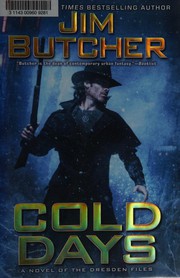
Cold Days
Back from the dead as the Winter Knight, Harry Dresden must follow Mab's order to kill an immortal and defend Demonreach on Halloween night.
2,361-word summary · 10 min read
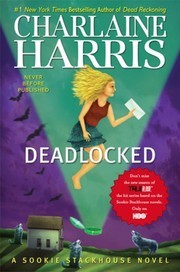
Deadlocked
A dead woman on Eric's lawn starts a murder investigation, a vampire queen wants Eric as her consort, and the fairies in Sookie's life close in.
2,885-word summary · 13 min read

Bitten
Elena Michaels is the world's only female werewolf, and keeping that world away from her human life in Toronto works fine until the Pack calls in a favor.
2,039-word summary · 9 min read
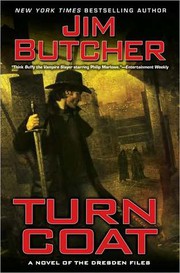
Turn Coat
Morgan asks Harry for sanctuary as the Council calls him traitor.
2,590-word summary · 12 min read
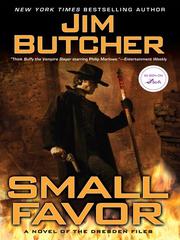
Small Favor
Harry owes Mab a favor and must find Marcone while Denarians hunt a holy girl.
2,741-word summary · 12 min read
One Foot in the Grave
Cat hunts vampires with Bones while her Sire plots from the grave.
2,200-word summary · 10 min read
White Night
Wizard Harry Dresden hunts fear-feeding White Court killers preying on Chicago's minor talents, reunites with Elaine Mallory, and faces a coup at Chateau Raith.
2,521-word summary · 11 min read
Changes
Harry Dresden learns he has a seven-year-old daughter Maggie, hidden for years. The Red Court seizes her for a bloodline rite, forcing him toward Chichen Itza.
2,855-word summary · 13 min read
Proven Guilty
Warden Harry defends teen Molly from White Council while fear phages stalk con.
2,068-word summary · 9 min read
Dead Witch Walking
Witch and runner Rachel Morgan quits the agency with a death mark on her head and hunts an untouchable crime lord.
2,709-word summary · 12 min read
Dead Reckoning
Sookie confronts the firebombing of Merlotte's, Sandra Pelt's revenge, and a vampire power struggle while questioning her future with Eric.
2,391-word summary · 11 min read
Dead Beat
Wizard Harry Dresden hunts the Word of Kemmler through necromancers to stop a Halloween godmaking rite.
2,883-word summary · 13 min read
Guilty Pleasures
Animator Anita hunts a vampire killer while Jean-Claude pulls her close.
2,136-word summary · 9 min read

Blue Bloods
At an elite Manhattan school, Schuyler Van Alen learns she is a forbidden half-vampire as someone starts killing her kind.
2,725-word summary · 12 min read
Summer Knight
Harry refuses Mab to solve a Summer Knight murder and stop fairy war.
2,147-word summary · 10 min read