
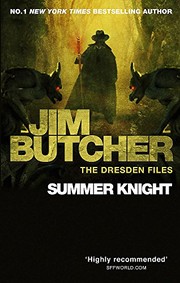
Summer Knight
2,147-word summary 10 min read 448 pages in the book
- First published
- 2002
- Publisher
- Orbit
- Pages
- 448
- ISBN
- 9780356500300
- Series
- The Dresden Files (#4)
Reading options
What's inside (4 sections)
I had read Storm Front and Fool Moon and liked Harry Dresden as a noir wizard with heart, so Summer Knight, fourth in The Dresden Files, first published in 2002, Orbit paperback edition running 448 pages, ISBN 9780356500300, felt like the book where the series grows up. Harry must find who killed the Summer Knight and clear a changeling girl accused, while Winter and Summer courts edge toward war that will kill mortals as collateral. It is urban fantasy with fairy politics, detective procedure, and jokes under pressure. I finished it thinking this is where Butcher learns to balance case and cosmos without dropping either, which later books rely on.
Harry Blackstone Copperfield Dresden is Chicago's only listed wizard, working out of a basement office with a skull named Bob who knows too much and a dog named Mouse who knows more. At the start he is broke, hungry, behind on rent, avoiding the White Council that distrusts him after past fires. Mab, Winter Queen, offers him the job no one wants. Become Winter Knight, her champion and assassin, or watch war start. Harry refuses as matter of principle and practicality. Serving Mab means losing soul by inches. But refusing leaves a good person, Lily, a changeling turned Summer lady's vessel? Actually a young woman caught between courts, to die for a crime she likely did not commit. Harry takes the case instead of the job, which is very Harry. Solve murder to prevent war without signing up. That distinction drives the whole book and defines his heroism. Help without enlisting. Meddle without belonging.
Changeling case in Chicago summer
The case structure is classic Dresden. Client arrives bloody, in this case Lily withnen? Actually with vintage clothes and Summer magic, accused of killing Ronald Reuel, the Summer Knight, on tables at McAnally's? No, at a park? Details: Reuel found dead with Summer power loose. Winter denies. Summer demands justice or war. The White Council tells Harry to stay out. Murphy, Chicago PD detective and friend, asks off record. Harry investigates with Bob's lore and Mouse's nose. He interviews Summer and Winter fae who lie in riddles, tracks iron use, checks alibis that span centuries. Those interviews show Butcher's fairy lore at best. Sidhe cannot lie directly but mislead beautifully. Harry must phrase questions like lawyer and listen like poet. A scene where he asks a Summer lady what she wants and gets a recipe answer that contains coordinates had me grinning. Riddles as GPS. Pay attention to nouns while ignoring flattery.
Lily herself is more than victim. Changeling, half human half fae, who chose mortality? Actually chose Summer? She loved Reuel and served Summer. Now grief makes her clumsy with power that scares her. Harry protects her while suspecting her because procedure requires. Their dynamic, wizard who distrusts fae and girl who is becoming fae, gives emotional beats between lore dumps. She asks if power will erase who she was. He answers honestly that it changes but does not have to erase if anchored. He thinks of his own temptations with Hellfire and denies? Actually with power offers. Those parallels keep case personal rather than cosmic chess. Save one girl who reminds you why courts should not burn cities for balance.
Murphy gets strong pages here as she navigates mortal police work during fairy war buildup. She believes Harry without fully understanding, covers for him with superiors, carries iron rounds that barely help. A scene where she holds a line of cops against Summer magic with nothing but procedure and nerve shows why Harry trusts her with his back. She cannot win against queens. She stands anyway. That stand costs her standing with department, which later books explore. Here it simply shows mortal courage inside immortal war. Butcher respects police work without romanticizing. Paperwork after magic matters. Reports must explain scorch marks without saying fae. Murphy lies well for truth, which is its own magic.
For pacing, the investigation middle moves briskly through interviews. Tavern, park, fae mound under Chicago, each with rules about hospitality and iron. Two audience scenes with queens in a row follow similar beats, kneel, flatter, ask sideways. I skimmed one because pattern, Mab threatens kindly, Titania mourns angrily, was clear. Then a duel challenge where Harry must fight a Winter champion to earn right to investigate snaps it back. Fists and magic with fae watching like sports fans. Those combat pages are clear about space. Who stands in circle, what iron does, where Mouse waits. Even with glamour, geography holds. That clarity keeps long lore sections from floating. Bodies anchor politics.
Courts, balance, and Mab's offer
The fairy politics deserve attention because Summer Knight sets rules later books use for 20 volumes. Summer and Winter maintain balance that protects mortal world from either extreme. Summer Knight murdered means Summer power unheld, Winter tempted to strike, war that will cause endless winter or summer as collateral. Mab wants Harry as Knight to restore balance through strength. Titania wants vengeance that restores through grief. Neither cares about Lily or Chicago except as board. Harry must find real killer before equinox deadline while refusing to become piece. That refusal is harder than solving because Mab offers everything he needs. Money, protection from Council, power to save friends. She shows him visions of friends dying without her help. He still says no, though it costs blood. That no defines series morality more than any Council law. Power accepted from monsters makes you monster's tool even for good ends. Later books test this vow repeatedly. Here it is first clearly stated and kept at price.
Aurora, Summer Lady? Actually new Summer Lady after Lily? The villain reveal ties to desire for change within courts. Without giving name, the killer wants war to remake balance that feels stagnant. Motive mixes personal grief with ideology about mortals deserving fae rule openly. That mix feels contemporary despite mythic dress. Revolutionaries who love people in abstract and kill them specifically. Harry confronts with evidence rather than power, laying out who moved iron when. The trial before queens works like courtroom drama with magic oaths preventing lies but not spin. Pay attention to table manners. Who eats offered food accepts guest law. Those small customs decide who can be accused where. Butcher researched hospitality lore well and uses it as procedure, not color. Break bread correctly or die correctly.
The duel and battle climax at the Stone Table? Actually at fae mound with Stone Table replica? I will keep geography light to avoid spoilers, but action involves Harry, Murphy with iron, Mouse biting through glamour, Lily choosing mortality or power at key moment. Choices matter more than spells. Lily's choice about Summer power reframes victim as agent. Murphy's choice to shoot despite orders reframes ally as actor. Harry's choice to spare rather than kill when Mab demands reframes hero as independent. Three choices braided in pages turn battle from spectacle to character test. Who decides when queens command. Answer, mortals and changelings who refuse neat sides. That theme, free will inside ancient powers, will echo through series. Here it lands cleanly because costs are immediate. Refuse Mab and bleed now. Obey and lose self later. Harry bleeds, which readers trust more than speeches.
For craft, Butcher's voice is first person noir with jokes as armor. Short sentences for action. Longer similes for Chicago weather. Pop culture references that date but charm. If you dislike male gaze narration, early Dresden leers and this book still does, though less than Fool Moon. Harry notices women's bodies while respecting competence, which is improvement without fix. Readers sensitive should know it persists. Dialogue snaps, especially Bob's horny jokes and Mouse's meaningful looks translated by Harry. Those trio scenes in lab give relief between courts. Science banter grounds fairy talk. Bob explains balance like physics. Mouse snores through exposition. Harry translates for readers while pretending to brief himself. That layering teaches lore without lectures. You learn because Harry needs reminder under stress, not because author pauses.
For criticism, the book runs long for its case. At 448 pages in Orbit paperback, with fairy war that could resolve in 350, some interviews repeat. Another Sidhe who speaks in seasons, another warning not to trust Mab. Two warnings in a row blurred for me. I skimmed one because point, everyone uses Harry, was clear. Also, Elaine? Actually an old flame returns with ambiguous loyalties that feel seeded for later more than serving now. Her scenes intrigue but distract from Lily urgency. And the White Council politics, Merlin votes and gatekeeper warnings, get summarized quickly to keep focus fae. Fans of Council lore may want more. Still, at this length it reads fast for density. I finished in three evenings, faster than Fool Moon, because case and cosmos finally integrate. Solve murder to stop war is cleaner than earlier monster of week plus Council scolding. Integration is the growth. Butcher learned to make detective work matter to myth, which is why series lasts.
For who this is for. If you liked Fool Moon for werewolves but wanted more fae, this delivers courts fully while keeping Chicago streets. If you are new, start at Storm Front. You need Harry broke, Murphy trust, Council distrust for Mab offer to land. If you dislike fairy riddle talk, you will struggle with middle audiences. Skim hospitality and focus on Lily choice scenes. They carry heart. I closed it thinking about Stone Table bargains, what I would refuse from Mab at what price. Rent money tempts. Power to protect friends tempts more. Saying no while needing yes is Harry's job description going forward. That job, wizard for hire who will not be hired by queens, is why readers stay for 20 plus books. Independence as identity, paid in pain and jokes.
Elaine as old flame returned with strings deserves a paragraph because Butcher uses her to test Harry's growth since Storm Front. She left him for power with Justin, returns claiming independence while working angles unclear. Harry wants to trust first love and knows better from scars. Their scenes crackle with history neither narrates fully for new readers. Shared apartment, shared teacher, betrayal when she chose power over partnership. Now she offers information with prices attached. Harry pays in attention while withholding heart. That dance shows maturity from book one where he pined openly. He can love memory without reenlisting. When Elaine's loyalties prove divided late, Harry is hurt but not shocked, which is growth. Expect complexity from exes rather than redemption or damnation. People contain both, especially wizards who survived bad teachers. Letting Elaine be useful and untrustworthy at once respects readers who lived similar returns. Old flames warm and burn. Keep water nearby. Harry does, with Murphy and Mouse as extinguishers. That support system, absent in book one, lets him face Elaine without drowning. Series as found family building drop by drop. Each book adds one person who will pull Harry from fire he walks into willingly. By Summer Knight the bucket brigade exists. He still runs in, but now someone waits with water. That change from lone to connected is the real arc across four books, more than power ups. Power grows too, but friends grow faster, which is why he survives queens.
Mouse as good boy who knows more deserves a last paragraph because the Temple dog rounds out found family with nonverbal wisdom that balances Bob's chatter and Harry's snark. Mouse senses fae glamour through smell, positions between Lily and threats without command, brings Harry shoes when he paces barefoot through cold iron decisions. Those small services show care as attention to feet, a theme across book. Who watches where Harry steps when he looks at stars. Murphy watches doors. Bob watches lore. Mouse watches ground. Together they keep a wizard who trips over prophecies upright. A scene where Mouse leans against Lily during her testimony, heavy and warm, stills her shaking enough to speak clearly. No magic. Just weight offered. That weight as testimony support matters more than any ward. Courts, fae or human, frighten witnesses into silence. Warm weight against knee reminds body it is safe enough to speak. Butcher understands service dogs before they were common in fiction, writing Mouse as accommodation rather than pet. Harry needs grounding literally to face queens. Mouse provides without being asked, having learned Harry's tells across books. Ears back means lie coming. Pacing means fear. Lean means stay. That literacy between species models the book's larger point about listening across difference. Fae speak in seasons. Dogs speak in pressure. Wizards who listen survive. Those who demand plain speech die confused. Harry lives by translating poorly and trying again. That trying, documented across four books of mistakes, is why readers trust him with bigger powers later. He will misuse, apologize to dog, and do better next time.
FAQ
Where does Summer Knight sit?
Yes. It is book 4 in The Dresden Files after Storm Front, Fool Moon and Grave Peril. Start at book one for Mab offer to land.
When was Summer Knight published?
It was first published in 2002. The Orbit edition cited runs 448 pages with ISBN 9780356500300.
Similar books
More from The Dresden Files first, then related titles.
Storm Front
Wizard PI Harry Dresden hunts heart-explosion killer in Chicago.
2,563-word summary · 11 min read
Fool Moon
Wizard Harry Dresden hunts a full moon killer through Chicago werewolf packs.
2,855-word summary · 13 min read
Grave Peril
Chicago ghosts turn murderous as Harry Dresden faces a vengeful sorcerer and Bianca's vampire trap.
3,484-word summary · 15 min read
Death Masks
Wizard Harry Dresden hunts the stolen Shroud of Turin while dueling a vampire lord and facing fallen angels.
2,979-word summary · 13 min read
Blood Rites
Wizard Harry Dresden guards a porn set from entropy curses while learning brother Thomas and fighting Black Court nest.
2,211-word summary · 10 min read
Dead Beat
Wizard Harry Dresden hunts the Word of Kemmler through necromancers to stop a Halloween godmaking rite.
2,883-word summary · 13 min read
Proven Guilty
Warden Harry defends teen Molly from White Council while fear phages stalk con.
2,068-word summary · 9 min read
White Night
Wizard Harry Dresden hunts fear-feeding White Court killers preying on Chicago's minor talents, reunites with Elaine Mallory, and faces a coup at Chateau Raith.
2,521-word summary · 11 min read
Small Favor
Harry owes Mab a favor and must find Marcone while Denarians hunt a holy girl.
2,741-word summary · 12 min read
Turn Coat
Morgan asks Harry for sanctuary as the Council calls him traitor.
2,590-word summary · 12 min read
Changes
Harry Dresden learns he has a seven-year-old daughter Maggie, hidden for years. The Red Court seizes her for a bloodline rite, forcing him toward Chichen Itza.
2,855-word summary · 13 min read
Ghost Story
Dead but not gone, Harry Dresden returns as a spirit to find his killer, protect the friends he left behind, and learn why the afterlife gave him a second…
1,978-word summary · 9 min read
Cold Days
Back from the dead as the Winter Knight, Harry Dresden must follow Mab's order to kill an immortal and defend Demonreach on Halloween night.
2,361-word summary · 10 min read
Twelve Months
A grieving Dresden rebuilds Chicago over one year while ghouls gather and Thomas fades.
2,193-word summary · 10 min read
Iron Kissed
Mercy repays Zee by hunting a fae killer, clears his name, and finally chooses between Adam and Samuel.
2,944-word summary · 13 min read
Blood Bound
Coyote mechanic Mercy Thompson stands with vampire friend Stefan against a demon driven rival while pack ties strain.
2,636-word summary · 12 min read

Moon Called
A coyote mechanic in wolf country gets pulled into pack fights and fae bargains when a lost teen shows up.
1,943-word summary · 9 min read
Hounded
A two-thousand-year-old druid runs a bookshop in Arizona, hides from an Irish god who wants his sword back, and talks to his dog.
2,159-word summary · 10 min read

First Grave on the Right
Charley Davidson is a private investigator in Albuquerque and the grim reaper. When three murdered lawyers come back as ghosts, her two jobs collide.
2,770-word summary · 12 min read

Magic Burns
A magic flare hits Atlanta, and mercenary Kate Daniels must recover stolen maps, find a missing witch, and keep a teenage girl alive while Celtic gods try to…
2,021-word summary · 9 min read
At Grave's End
Cat and Bones face Max, a zombie-raising ancient vampire, and a prophecy that ties their marriage to Patra's death in the third Night Huntress novel.
2,061-word summary · 9 min read
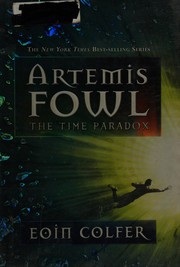
The Time Paradox
When his mother falls ill with a fairy disease, Artemis Fowl travels back in time to find the extinct lemur that can cure her and confronts his younger self.
2,601-word summary · 12 min read
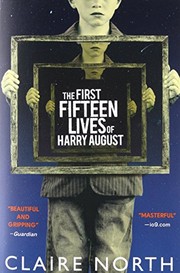
The First Fifteen Lives of Harry August
Harry August dies and is born again into the same life, again and again, until a warning from a child tells him the world is ending faster with each pass.
2,189-word summary · 10 min read
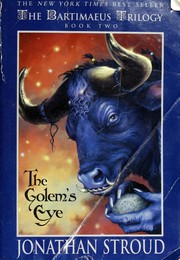
The Golem's Eye
Two years after The Amulet of Samarkand, Nathaniel is a rising bureaucrat, Bartimaeus is his unwilling servant again, and something made of clay is tearing…
2,299-word summary · 10 min read
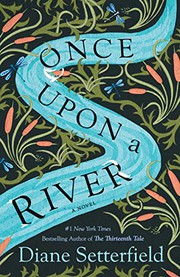
Once Upon a River
A wounded man stumbles into a riverside inn carrying what appears to be a drowned child who is not quite dead, and the story braids the guesses of everyone who…
2,173-word summary · 10 min read
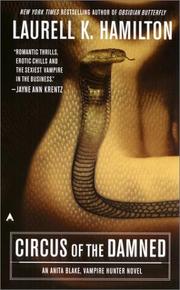
Circus of the Damned
A rogue master vampire arrives in St. Louis and Anita Blake is caught in an undead turf war, with a science teacher in the crossfire.
2,757-word summary · 12 min read

The Hazel Wood
Alice Proserpine has spent her life running from bad luck. When her mother vanishes, she follows a trail of fairy-tale clues to her grandmother's estate and…
2,064-word summary · 9 min read
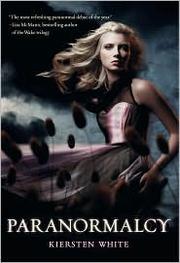
Paranormalcy
A teenage agent who can see through glamour falls for a shape-shifter and learns the agency she works for is hiding her true nature.
2,041-word summary · 9 min read
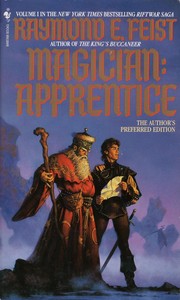
Magician: Apprentice
An orphan kitchen boy and a smith's son grow up in a frontier castle just as invaders from another world open a rift and begin a war that will change both of…
2,114-word summary · 9 min read