
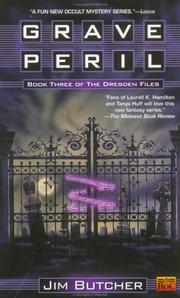
Grave Peril
3,484-word summary 15 min read 378 pages in the book
- First published
- 2001
- Publisher
- Roc Books
- Pages
- 378
- ISBN
- 9780451458445
- Series
- The Dresden Files (#3)
Reading options
What's inside (8 sections)
I came to Grave Peril right after Fool Moon, mostly because book two ended with Harry owing everybody and trusting nobody, and I wanted to see if Butcher could keep that going. He can. This is the third Dresden Files book, first published in 2001 by Roc Books, about 378 pages in the first paperback, and it is the one where the series stops feeling like a clever detective riff and starts feeling big. Ghosts all over Chicago are turning violent at once. An old enemy is pulling strings from beyond the grave. And Harry gets invited to a vampire ball where half the guest list wants to kill him and the other half wants to watch.
What hooked me fast was the opening run at Cook County Hospital. Harry and Michael Carpenter, a carpenter by trade and a Knight of the Cross, go in to deal with a ghost that is confused and loud and dangerous. Her name is Agatha Hagglethorn. In life she was a murdered servant woman with old grief stuck to her. In death she is wailing through wards and throwing things. Harry tries to talk her down the way he usually does, with a mix of sympathy and practical magic, and then something else tears into her. Not a second ghost. Something that eats ghosts.
That scene sets the rules for the whole book. The dead are not resting. They are frightened. A barrier that used to keep the spirit world in its lane is wearing thin, and something is feeding on the fear that leaks through. Mortimer Lindquist, the exhausted ectomancer Harry consults, spells it out in his weary way. Morty sees dead people all the time and mostly wants them to leave him alone so he can watch his stories. When even Morty says the ghosts are arming themselves, you know it is bad. He has wards and skulls and a house full of spirits who gossip like neighbors, and none of it is keeping him calm.
Ghosts with teeth
Chicago in this book feels damp and crowded with the unseen. Butcher piles on small hauntings before the main plot lands. A ghost on the El. A ghost in a hospital nursery. A ghost that scratches messages into walls. Harry explains, in his working stiff wizard voice, that most ghosts are just recordings, loops of strong feeling. The dangerous kind are the ones who remember who they were and refuse to move on. Those can learn. Those can grow.
The thing hunting them is called the Nightmare. It moves through dreams. It wears familiar faces. It hits Harry where he sleeps and leaves him wrung out, nose bleeding, magic running low. One of the nastiest beats has Harry flashing back to a case from a few months earlier, the takedown of a sorcerer and cult killer named Leonid Kravos. In the dream it goes wrong. Michael dies. Something with too many teeth eats Harry alive. He wakes up with the pain still in his ribs. That is not a normal nightmare. That is an attack that crossed over.
I liked how physical Butcher makes all this. Ghost stuff could easily go misty and vague. Here it bruises. When the Nightmare borrows Harry's shape and visits Lieutenant Karrin Murphy in her office, she ends up in a sleep she cannot wake from, full of bad dreams. Harry finds her slumped and still breathing and cannot reach her. He does what he can, a deep sleep spell to keep the dreams off until morning, and stands there feeling useless. Murphy has been his anchor to normal police work since book one. Seeing her taken out without a fight raises the stakes more than any prophecy could.
There is also a girl Harry is trying to protect, a young seer named Lydia who draws what she sees and sees too much. Two Red Court vampires, Kyle and Kelly Hamilton, come after her in a warehouse. Kelly is cruel in a way that made my skin crawl. Harry brings the roof down to hurt her and get Lydia out, and pays for it by getting dosed with vampire saliva through an open wound. That saliva is narcotic and addictive in this world. It makes you floaty and compliant and hungry for more. Butcher does not treat it as a sexy vampire kiss. He treats it like being drugged. Harry spends chunks of the book fighting that haze, which matters later at the ball when he drinks wine without checking it first.
Michael Carpenter walks into my life
Michael is the best thing in this book and also the most challenging for some readers. He carries Amoracchius, one of the Swords of the Cross, given to knights who fight fallen things. He is big, polite, devoutly Catholic, cheerful in a fight, and completely serious about his calling. He shows up asking Harry for help with the ghost killings, and Harry, who trusts priests about as far as he can throw them, goes along because Michael keeps showing up where people are dying and keeps being right.
The Carpenter house scenes slowed me down in a good way. Charity, Michael's wife, is heavily pregnant and furious with Harry on sight. She was once around knights and magic herself and walked away from it to raise kids, and she sees Harry as a magnet for trouble. Which is fair. He is. Their kitchen is loud with children, prayer before meals, laundry and homework and a dog. Molly, the oldest daughter, is a teenager with attitude who will matter much more later in the series. Little Daniel wants to hear about monsters. The baby, when he comes, arrives while everything is falling apart, and Harry ends up begging Michael to leave the hospital and help him work the spell instead of staying. It is an uncomfortable ask and Butcher lets it sit there. Michael chooses duty over the waiting room, and Charity pays part of the price.
Father Forthill at St. Mary of the Angels gives them a safe floor to stand on. He is not a warrior. He keeps records, hides people, says the words Harry cannot say for himself. I appreciated that faith here is not a superpower Harry borrows. It belongs to Michael and Forthill. Harry respects it without sharing it, and the book does not mock that. If church talk usually pushes you away from a story, know it is central here but never preachy in the boring sense. Michael lives it by fixing things with his hands and forgiving people faster than Harry can.
Fair criticism belongs here too. Michael is so good he can flatten scenes around him. Harry narrates in first person and keeps telling us Michael is the real deal, brave and clean and kind, and after a while I wanted someone to be wrong about him just to add texture. Charity gets closer to that. She calls Harry out for using people and treats Michael's mission as a choice with costs, not a glow. Those arguments kept the middle from going soft for me.
The Nightmare knows where you live
The middle third is basically Harry getting hunted in his sleep while trying to keep everyone else awake. The Nightmare, wearing Harry's face, goes after Charity in a convenience store while she is out late. It goes after Murphy. It circles Michael's family. Harry and Michael chase it to Graceland Cemetery, which in Dresden lore is big neutral ground, consecrated and old and full of rules. The fight there is messy. Harry is losing. Then his faerie godmother shows up.
The Leanansidhe, called Lea, is Winter Court nobility with a smile full of hooks. She helped raise Harry after his teacher died, under a bargain his mother made, and she has been circling since book one waiting to collect. Here she offers power to drive the Nightmare off, for a pledge of service. Harry agrees because Charity is about to die otherwise. Then, in one of his dumber gallant moves, he tries to trick his way out by grabbing Amoracchius and using it to cut the bargain. Treachery with a holy sword goes exactly as well as you would expect. Lea takes the sword as forfeit. Michael does not yell. That is worse. He just looks tired.
Harry loses Murphy to the coma, loses the sword, owes a faerie, and still has to read Kravos's journals to figure out what the Nightmare wants. Stallings, Murphy's partner, slips him the journals from the evidence locker. They are ugly reading. Kravos was a small time sorcerer who built a cult by promising power and used torture and murder to feed his magic. He died a few months back. His ghost did not move on. Instead it learned to eat fear and pain, growing stronger each time it scared someone to death in their dreams. Harry guesses, correctly, that someone is feeding it victims and aiming it.
The exorcism sequence tested my patience a little. Harry and Michael spend nearly twelve hours gathering ingredients for a summoning, hair and coins and chalk and old names, then Harry calls the Nightmare up near sunset and tries to cast it out. It fails. He then lays a compulsion on it to come for him and leave his friends alone, which is heroic and stupid in the exact ratio you expect from Harry in book three. I respect the choice even as I thought the ritual pages dragged. Butcher loves procedure, circles and candles and Latin-ish phrasing, and sometimes he loves it for three pages longer than I do.
Thomas Raith orders lunch during the apocalypse
Thomas Raith slides into this book like he owns it. Pale, pretty, hungry in a way that has nothing to do with food. He is White Court, House Raith, which feeds on lust and life force rather than blood. His girlfriend Justine is with him, thin and devoted and clearly being fed on. Thomas asks Harry for help. He says Justine is in danger from the Red Court. Harry assumes it is a con, because Thomas talks like every word costs him nothing.
I did not trust Thomas for a hundred pages and that was the fun. He banters with Harry, flirts with danger, knows clubs and back doors Harry does not. He also feeds to live, which means being near him feels good in a sick way. Butcher writes that hunger as addiction on both sides. Justine loves Thomas and is being hollowed by him. Thomas loves Justine and keeps feeding anyway because stopping might kill him. Neither of them can explain it cleanly. That mess is more interesting than a simple ally reveal.
Mavra enters around here and she is terrifying in a quieter register. She is Black Court, old school vampire, corpse pale and smart, and also a sorceress. Harry learns she has Lydia prisoner and plans to kill the girl with Amoracchius to spoil the sword, revenge on Michael for killing her children and grandchildren twenty years before. So the Nightmare is not working alone. Mavra has been steering it. Bianca, our Red Court hostess from book one, has been feeding it fear and bodies to build its strength. Kravos gets revenge and power. Mavra gets a desecrated sword. Bianca gets Harry dead at her party with witnesses.
Don Paolo Ortega, a Red Court duke, gets mentioned as the political weight behind Bianca. Ferrovax, who shows up at the ball as Mr. Ferro, is something else entirely. A dragon in a suit. Ancient and bored and polite. He barely speaks and everyone gives him room. I loved that touch. It tells you the vampire war Harry is about to start is one neighborhood fight in a much older city.
One more note on Thomas. Longtime fans know where his story goes, but in this book alone he works because Butcher never lets you settle. He saves Harry. He sells Harry out. He begs for help. He walks away. When he kicks Susan into a crowd of hungry Reds at Bianca's order, to buy Justine's safety, I gasped out loud on the train. It is a betrayal that makes sense and still feels awful. Keep that scene in mind when people argue about whether Thomas is good. This book says he is desperate, which is not the same thing.
Bianca's ball
The ball is the centerpiece and it earns its fifty pages. Harry is invited as the White Council's representative, which is a joke and a trap. The Council wants eyes there. Bianca wants revenge for Harry burning her club and humiliating her in Storm Front. The invitation comes with rules of hospitality. Do not break the peace. Do not draw power. Accept what you are offered. Harry dresses as Zorro, which is funny until you remember Zorro wears a mask because he cannot win as himself.
Susan comes with a forged invitation because she refuses to sit home while Harry walks into a nest. Harry begged her not to. She comes anyway. That choice ruins both their lives and I still sided with her. She is a reporter who has watched Harry lie to protect her for two books. Being kept safe feels like being kept small. The book lets both of them be right. Harry is right that the ball will kill her. Susan is right that love without honesty is just management.
Inside, the details curdle nicely. Costumes and string music. Wine that tastes too sweet because it is dosed with saliva. Lea in something out of winter. Mavra smiling with Lydia nearby. Bianca radiant and furious, playing the perfect host while telling Harry exactly how she will hurt him. The Leanansidhe tricks Susan into trading away a year of memories of Harry for a cure to the saliva haze. Susan agrees because she is foggy and scared and wants to help. She forgets kissing him, fighting with him, small mornings. Harry watches it happen and cannot stop it without breaking hospitality and getting them both killed.
Then it breaks. Bianca gives Thomas the choice, Harry and Michael and Susan or Justine. Thomas chooses Justine. Susan is thrown to the crowd and fed on by many mouths at once. Butcher writes it as violation, not seduction. Harry snaps and cuts loose with fire on a scale he has never managed before, burning Reds in their finery while Michael drags Lydia clear. It is cathartic and horrifying. Harry wins the minute and loses the night. He collapses. Michael carries him out. Thomas and Justine are taken. Susan is left half turned, caught between human and Red Court vampire. If she ever feeds and kills, she becomes one of them fully.
I have mixed feelings about how the book handles consent and assault here, and I think that is worth saying plainly. Kelly Hamilton assaults Harry earlier. Bianca assaults him later at her manor. Susan is fed on by a crowd. The text treats these as wounds, not thrills, and follows the trauma into later books, especially for Susan. Still, there is a lot of it in a short span, and some scenes use hunger and saliva as a stand in for desire in ways that blurred for me. If that content is hard for you, skip the warehouse and the manor chapters or read with someone to talk to. The story does not punish the victims. But it does linger on their helplessness longer than I needed.
Dying on purpose to win
Harry wakes up after two days on Michael's couch, patched and guilty. Thomas shows up with Amoracchius, offering a trade. Help me save Susan and Justine from Bianca's manor and I will return the sword. Lydia, now ridden by Kravos like a suit, attacks them in Harry's apartment and nearly kills him. Thomas does something brave and strange. He lets the thing wearing Lydia want him, using his White Court hunger as bait, and holds still while it tries to take him. That gives Harry room to see the truth. The Nightmare is not a demon. It is Kravos himself, a human ghost grown fat on fear, who timed his death to ride the thinning barrier and climb toward something like godhood.
The rescue runs through the Nevernever, the spirit world beside Chicago where distance and time bend. Lea blocks the path. Harry, Thomas, and Michael stall her long enough for Harry to eat a poisonous mushroom that will kill him without treatment. It is a gambit only Harry would try. Poisoned, he can demand Lea heal him under the old debt rules, and force her to let him pass and leave him alone in the mortal world for a year and a day. She agrees through clenched teeth, then sics other faeries on them because the deal only covers her and only covers the mortal world. That loophole felt very faerie and very Butcher. Rules matter, and every rule has teeth on the other side.
Bianca's manor is a horror show. Harry goes in expecting a fight and gets captured instead. Her people were waiting at the weak point between worlds. They strip his gear and his clothes. Bianca assaults him while the others feed and reinforce the saliva addiction, and he blacks out. He wakes in a cell with Susan and Justine. Susan is starving and newly half made. The only way she stays herself is to refuse to feed, and Harry is bleeding right in front of her.
What happens next is my favorite stretch of early Dresden. Harry realizes Kravos will come for him while he is weak and uses that. He taunts Kravos into stopping his heart, dying for a few seconds on purpose while the barrier is still thin. Because Harry has power and will and unfinished business, his own ghost rises fast and strong. Susan does CPR on his body while ghost Harry fights ghost Kravos with everything Kravos stole. It works because it was set up. Kravos feeds on fear. Harry brings defiance. Kravos borrows strength. Harry takes his own back. And when Kravos breaks, Harry turns the freed spirits of Bianca's victims loose on her and walks out with both women while the house burns behind him.
The fallout is what makes this book matter for the whole series. Harry's fire at the ball and his war on Bianca's household gives the Red Court an excuse to declare war on the White Council. Wizards start dying off page. Blanket orders go out. Later books live in that war for a long time. On the personal side, Susan refuses Harry's proposal and leaves Chicago. She knows the hunger in her will one day make her kill him if she stays, and she would rather be alone than risk it. It broke my heart a little. They love each other badly and bravely and it is not enough. That feels true in a way tidy breakups do not.
Michael survives but is badly hurt. Amoracchius ends up with Thomas for a bit, which is a strange image that pays off later. Lea still owns a piece of Harry. Murphy is awake but shaken. Justine is alive and changed. And Harry, who started the book joking about the phone book listing, ends it knowing he lit a war and lost the woman he wanted to marry.
So who should pick this up. If you liked Storm Front for the noir jokes and Fool Moon for the pack politics, this is the payoff where both styles click. The ghost plot gives Harry real detective work, tracking Kravos through journals and dream residue and Morty's gossip. The vampire plot gives him social combat, where one wrong toast gets you eaten. New readers could start here, since Butcher recaps just enough, but Susan's arc and Bianca's grudge hit harder if you read books one and two first.
What drags. The ritual prep chapters stall the pace right when the dreams are scariest. Harry's protectiveness toward Susan and Charity curdles into bossiness more than once, and the book knows it but does not always correct it. Power levels wobble. Harry goes from drained to city burning with little rest, fueled by rage, and you either buy that or you do not. I bought it because rage as fuel was set up early, but I noticed the seam.
Still, I closed it and immediately reached for Summer Knight. Grave Peril takes Harry's small life, his office and his Beetle and his skull sidekick Bob and his cop friend and his reporter girlfriend, and shows how fragile all of it is when old powers stop playing. It is messier than the first two and more alive for it. Chicago has ghosts. They have teeth now. And Harry Dresden, wizard for hire, just gave them and the vampires a reason to remember his name.
FAQ
Who is the Nightmare in Grave Peril?
The Nightmare is the ghost of Leonid Kravos, a cult killer who timed his death to feed on fear and grow stronger past the thinning barrier.
What happens to Susan at Bianca's ball?
Thomas trades her to the Red Court to save Justine, and the crowd feeds on her, leaving her half turned so she must leave Chicago.
Do I need to read the first two Dresden Files books first?
You can follow the ghost case alone, but Bianca's revenge and Susan's romance carry more weight after Storm Front and Fool Moon.
Similar books
More from The Dresden Files first, then related titles.
Storm Front
Wizard PI Harry Dresden hunts heart-explosion killer in Chicago.
2,563-word summary · 11 min read
Fool Moon
Wizard Harry Dresden hunts a full moon killer through Chicago werewolf packs.
2,855-word summary · 13 min read
Summer Knight
Harry refuses Mab to solve a Summer Knight murder and stop fairy war.
2,147-word summary · 10 min read
Death Masks
Wizard Harry Dresden hunts the stolen Shroud of Turin while dueling a vampire lord and facing fallen angels.
2,979-word summary · 13 min read
Blood Rites
Wizard Harry Dresden guards a porn set from entropy curses while learning brother Thomas and fighting Black Court nest.
2,211-word summary · 10 min read
Dead Beat
Wizard Harry Dresden hunts the Word of Kemmler through necromancers to stop a Halloween godmaking rite.
2,883-word summary · 13 min read
Proven Guilty
Warden Harry defends teen Molly from White Council while fear phages stalk con.
2,068-word summary · 9 min read
White Night
Wizard Harry Dresden hunts fear-feeding White Court killers preying on Chicago's minor talents, reunites with Elaine Mallory, and faces a coup at Chateau Raith.
2,521-word summary · 11 min read
Small Favor
Harry owes Mab a favor and must find Marcone while Denarians hunt a holy girl.
2,741-word summary · 12 min read
Turn Coat
Morgan asks Harry for sanctuary as the Council calls him traitor.
2,590-word summary · 12 min read
Changes
Harry Dresden learns he has a seven-year-old daughter Maggie, hidden for years. The Red Court seizes her for a bloodline rite, forcing him toward Chichen Itza.
2,855-word summary · 13 min read
Ghost Story
Dead but not gone, Harry Dresden returns as a spirit to find his killer, protect the friends he left behind, and learn why the afterlife gave him a second…
1,978-word summary · 9 min read
Cold Days
Back from the dead as the Winter Knight, Harry Dresden must follow Mab's order to kill an immortal and defend Demonreach on Halloween night.
2,361-word summary · 10 min read
Blood Bound
Coyote mechanic Mercy Thompson stands with vampire friend Stefan against a demon driven rival while pack ties strain.
2,636-word summary · 12 min read
Moon Called
A coyote mechanic in wolf country gets pulled into pack fights and fae bargains when a lost teen shows up.
1,943-word summary · 9 min read
Twelve Months
A grieving Dresden rebuilds Chicago over one year while ghouls gather and Thomas fades.
2,193-word summary · 10 min read
At Grave's End
Cat and Bones face Max, a zombie-raising ancient vampire, and a prophecy that ties their marriage to Patra's death in the third Night Huntress novel.
2,061-word summary · 9 min read
Circus of the Damned
A rogue master vampire arrives in St. Louis and Anita Blake is caught in an undead turf war, with a science teacher in the crossfire.
2,757-word summary · 12 min read
Glass Houses
Claire Danvers moves off campus to escape a bully and lands in a house where the roommates know Morganville's real secret: the town belongs to vampires.
2,345-word summary · 10 min read
Deadlocked
A dead woman on Eric's lawn starts a murder investigation, a vampire queen wants Eric as her consort, and the fairies in Sookie's life close in.
2,885-word summary · 13 min read
One Foot in the Grave
Cat hunts vampires with Bones while her Sire plots from the grave.
2,200-word summary · 10 min read
Bone Crossed
Mercy faces vampire queen Marsilia after killing a vampire to save friends.
2,261-word summary · 10 min read
The Awakening
Chloe Saunders flees Lyle House with Derek, Simon and friends while her necromancy wakes fully and the Edison Group hunts them.
2,428-word summary · 11 min read
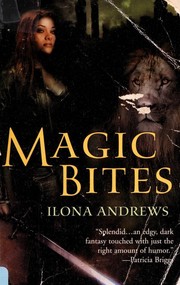
Magic Bites
A broke Atlanta mercenary takes her murdered guardian's last case and walks into a war between vampires and shapeshifters.
2,272-word summary · 10 min read
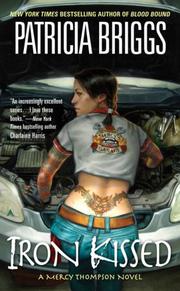
Iron Kissed
Mercy repays Zee by hunting a fae killer, clears his name, and finally chooses between Adam and Samuel.
2,944-word summary · 13 min read
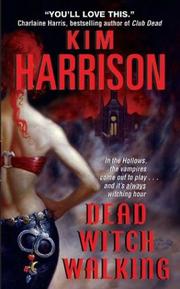
Dead Witch Walking
Witch and runner Rachel Morgan quits the agency with a death mark on her head and hunts an untouchable crime lord.
2,709-word summary · 12 min read
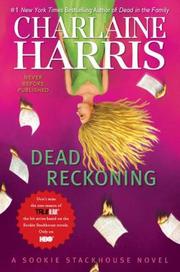
Dead Reckoning
Sookie confronts the firebombing of Merlotte's, Sandra Pelt's revenge, and a vampire power struggle while questioning her future with Eric.
2,391-word summary · 11 min read
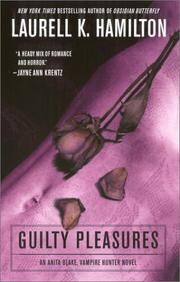
Guilty Pleasures
Animator Anita hunts a vampire killer while Jean-Claude pulls her close.
2,136-word summary · 9 min read
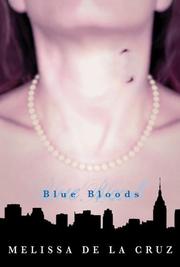
Blue Bloods
At an elite Manhattan school, Schuyler Van Alen learns she is a forbidden half-vampire as someone starts killing her kind.
2,725-word summary · 12 min read
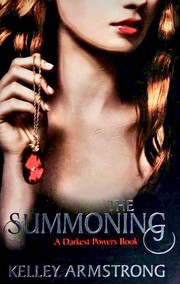
The Summoning
Chloe Saunders sees ghosts and lands in Lyle House, a group home for troubled teens with hidden powers and a secret tied to the Edison Group.
2,579-word summary · 11 min read