
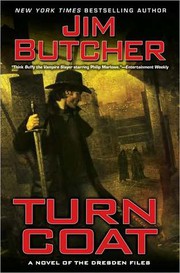
Turn Coat
2,590-word summary 12 min read 420 pages in the book
- First published
- 2009
- Publisher
- Roc
- Pages
- 420
- ISBN
- 9780451462565
- Series
- The Dresden Files (#11)
Reading options
What's inside (8 sections)
I came to Turn Coat right after Small Favor because book ten ends with Harry owing Winter and hurting for Michael, and I wanted to see where the Council war goes next. First published in 2009 by Roc at 420 pages, it is book eleven in The Dresden Files about Harry Dresden, wizard investigator in Chicago. This time the setup flips an old dynamic. Donald Morgan, the stern Warden who has chased Harry for years for breaking magical law, arrives bloody at Harry's door and asks for help. He has been accused of murdering a Senior Council member and the punishment for that crime is death. I liked it at once for that reversal, and stayed for the trial politics and the ugly reveal about who has been steering minds behind the scenes.
Harry has reason to hate Morgan. Since Storm Front, Morgan has treated Harry as a criminal waiting to happen, a warlock who got lucky at trial as a teen and never earned trust. Harry returns the feeling. Morgan is rigid, rude, loyal to the Council to a fault. So when Morgan appears cut up and gaunt, asking for sanctuary instead of giving orders, Harry hesitates. He also remembers what sanctuary means to wizards. Guest right is old and binding. If you take someone in, you protect them. Harry takes him in, hides him in his apartment, then moves him when that becomes unsafe. That choice drives the whole book. Help a man you dislike because the charge smells wrong and because the law you both serve should mean something.
The dead man is Aleron LaFortier, a Senior Council member. He was found killed in a way that points at Morgan, with Morgan's ritual knife left near the scene. The Council, already strained by war with the Red Court and whispers of a hidden traitor called the Black Council, wants a fast answer. The Merlin, Arthur Langtry, most powerful wizard in the West, favors order over mercy. He would rather execute a possibly innocent Warden than look weak. Harry, who is himself still distrusted and technically under the Doom of Damocles from his youth, demands procedure. A trial. Evidence. Time to investigate. Ebenezar McCoy, Harry's mentor and a Senior Council member himself, backs him partly from principle and partly from affection. That backing keeps Harry alive more than once.
Hiding Morgan
The early chapters are tense apartment farce with high stakes. Morgan is a terrible houseguest. He bleeds, eats little, criticizes Harry's wards, insults Bob the skull, glares at Mouse the big dog, and refuses to explain much. Harry is broke, tired, and already juggling an apprentice. Molly Carpenter, his young student, is learning control after her own brush with dark magic. She helps watch Morgan and runs errands, though Harry tries to keep her clear of Council eyes. Murphy, Chicago cop and Harry's closest ally, brings food and hard questions. Thomas Raith, Harry's half brother, brings humor and a car when needed. The apartment feels crowded and watched, which is the point. Harry knows the Wardens will come.
Harry starts with the obvious question. Did Morgan do it. Morgan says no, with the flat certainty of a man who has killed before but not like this. Harry believes him enough to work, not enough to relax. He checks the story around LaFortier's death. Who had access. Who benefits. What magic was used. He leans on Mouse to sense strange scents, on Bob for lore about ritual killings, on Molly for surveillance magic she should use carefully. He visits Council contacts through Ebenezar and through Anastasia Luccio, captain of the Wardens, who has been acting oddly distant and tired.
Luccio's state becomes a thread of its own. She was once a hard, seasoned leader in an older body, now minds a younger form after a body swap attack in a prior book. Here she seems foggy, forgetful, quick to defer to her aide. Harry notices but first reads it as stress. The war has thinned everyone. Only later does the fog look like design.
Moving Morgan becomes necessary when Harry's place draws attention. He uses safehouses, misdirection, Molly's veils, Murphy's police knowledge. One strong sequence has Harry smuggling a tall, wounded swordsman through a city full of mortal police and supernatural hunters. If caught, both die.
What I liked in this stretch is how Butcher makes Harry earn trust he does not want. Morgan slowly reveals pieces. His devotion to the Council. His loneliness. Harry slowly reveals his own code. He will lie to the Council, but he will not abandon a guest. It never turns warm exactly. It turns respectful, which feels more honest.
Council politics in wartime
The middle widens to Edinburgh, the hidden headquarters of the White Council inside the Nevernever. Butcher has built the Council over ten books as a mix of court, university, and army. Senior Council members include the Merlin, Ebenezar, Listens-to-Wind who is also called Injun Joe, Martha Liberty, and others grieving LaFortier. The war with the Red Court vampires has killed many younger wizards. Fear runs high. Everyone looks for the traitor who has been feeding information and sowing distrust for years.
Harry walks into this as both investigator and suspect. The Merlin dislikes him. Some Wardens want Morgan handed over at once. Ebenezar shields Harry with rank and bluster, but even he warns Harry not to push too far. Listens-to-Wind watches closely, kind and shrewd, a healer who misses little. Martha Liberty listens more than she speaks. The scenes in halls and antechambers carry real procedural weight. Who may speak. What evidence counts. How hospitality and rank limit what even the Merlin can order outright.
Molly matters here too. As Harry's apprentice, she is vulnerable to Council judgment. Harry tries to keep her out of the room while using her skills outside it. Murphy, having no standing with wizards, waits in Chicago and holds the mortal side. Thomas watches Harry's back and watches Morgan with open dislike.
Butcher handles exposition well for series readers and less well for newcomers. If you start here, names and old grudges will blur. He restates enough to follow the murder case, but the weight of Morgan hating Harry for a decade lands harder if you lived through those books. I would suggest starting with Storm Front or at least Dead Beat for the Council basics.
The trial pressure builds. Harry needs proof, not theory. He pushes for delays by invoking rights and by promising results. The Merlin grants little. Every day Morgan stays hidden increases the charge of harboring a fugitive. Harry knows this and keeps hiding him anyway. That stubbornness defines Harry across the series. He would rather be punished for doing right as he sees it than be safe for doing nothing.
Ink, mind magic, and Peabody
The investigation turns on small wrongnesses. Luccio forgetting basic Warden procedure. Young Wardens repeating phrases that sound coached. Documents altered in tiny ways. Molly sensing a wrong texture around certain memories when she looks lightly and carefully. Harry, who has reason to fear mind magic after past encounters, starts to suspect that someone has been editing people, going beyond simple lies.
The clerk is Samuel Peabody. He has served the Senior Council for years as secretary, quiet, fussy, always present with ink and paper. That ordinariness is the cover. Peabody has been dosing Council documents and even people with ink laced to carry subtle mental influence. Over time he has nudged decisions, dulled suspicion, shaped reports, and built a network of half controlled helpers who do not know they are being steered. It is a chilling method because it fits bureaucracy. No flashy curse. Just paperwork that makes you agreeable at the wrong moment.
I found this reveal strong because it reframes earlier books. How many Council mistakes were really mistakes. Butcher does not overexplain, which helps. He shows enough through Luccio. She has been under influence for a long while, her judgment softened, her memories smudged. That cost gives the reveal bite. People Harry respects were hollowed while he argued with them.
Peabody does not work alone. He has hired help. Binder, a cockney sorcerer for hire, commands a crew of grey suited servitors he calls from elsewhere, useful for muscle and intimidation. Madeline Raith of the White Court, cruel and hungry, ties in through vampire politics and old grudges. Above them sits the larger shadow of the Black Council, the hidden group working to rot the White Council from inside. Turn Coat does not unmask that whole group. It exposes one key agent and shows the method. That restraint works. One solved piece, larger war still open.
The action around this discovery moves fast. A confrontation in Edinburgh offices. Spells in tight halls. Wardens turning on each other as influence breaks or holds. Molly risking her mind to help untangle compulsions, which scared me more than the blasts because mind harm in this series lasts. Harry using law and lore together. He must show proof in a way the Merlin cannot ignore, while Peabody keeps pulling strings to make witnesses doubt what they saw seconds ago.
Morgan's role sharpens here. Cleared in Harry's mind long before the Council accepts it, Morgan insists on facing judgment rather than running forever. That pride could have felt stiff. In context, after chapters of watching him sick and stubborn in hiding, it felt consistent. He serves an ideal even when the institution fails it. Harry, who serves people more than institutions, clashes with him and also covers for him. Their uneasy pact holds.
The skinwalker on the road
Parallel to the paperwork hunt runs a monster plot. A skinwalker, a shapeshifting predator of Native legend called a Naagloshii, has been hired to kill Harry and those near him. Butcher names it Shagnasty in Harry's head to shrink the terror a little, though nothing shrinks it much. It can wear many skins, mimic voices, move fast, shrug off lesser magic, and enjoy fear. It first hits on the road and later near Harry's circle, testing wards and nerves.
These are the scariest chapters in the book. The apartment, usually a refuge with its wards and friends and dog, feels thin. Mouse stands up to the thing in a way that made me love that dog even more. Thomas, whose White Court hunger makes him sensitive to predation, is badly shaken. Murphy holds with a gun and guts though guns mean little to this old thing. Molly learns fast that some fights are about running smart, not standing tall.
Listens-to-Wind gets a strong moment here. As a shapeshifter and healer with deep knowledge of such beings, he meets the skinwalker on better terms than Harry can. Their clash is knowledge against hunger. I liked that Butcher lets an older, quieter wizard carry a key fight.
The skinwalker plot also raises the stakes for Morgan. If the Black Council wants Harry dead too, then Morgan's case is not isolated. Someone is cleaning house before trial. Harry uses that logic with Ebenezar and Listens-to-Wind to buy time. Look at who is being hunted. Look at who benefits if both the accused and his nosy protector die before speaking.
Pacing in this section runs hot. Road attack, hospital aftermath, ward repair, Council summons, then back to Chicago hiding. Some readers may feel whiplash between horror and procedure. I liked the mix because it mirrors Harry's life. But the middle does crowd with hired muscle and side schemes. I stopped tracking every grey figure and focused on Peabody and Morgan. That was enough.
What works and what drags
What works is character reversal done right. Morgan could have stayed a cartoon martinet. Instead Butcher gives him history, wounds, dry humor, and a code that costs him. His late scenes with Harry, short and formal, carry more feeling than speeches would. Harry's growth shows too. He protects without liking, investigates without grandstanding, admits where Council rules help keep monsters in check even as he fights their misuse. At 420 pages, the book has room for both case and theme. Justice versus order. Loyalty to persons versus loyalty to office.
The theme lands through Luccio as well. If a good leader can be edited by ink over years, what does loyalty mean. Obey the office, or protect the person inside it. Harry chooses person every time, which gets him in trouble and keeps him decent. Ebenezar chooses Harry even when it costs political capital, which deepens their bond after prior strains. Listens-to-Wind models a third way, patient attention that sees damage without rushing to punish the damaged.
Magic use stays concrete. Wards need upkeep. Veils slip if the caster tires. Summoned muscle follows orders literally. Mind magic leaves residue that a careful young talent like Molly can taste but should not chase alone. Harry's fire and force help, but paperwork, testimony, and timing win the trial. That balance of blast and brief suits Dresden at its best.
What drags is density for newcomers and a familiar middle sag. Too many names in Council halls. Too many similar fights with hired muscle before the real reveal. Madeline Raith feels thin next to Peabody. Readers who want tight standalone mystery may find the series baggage heavy.
Content runs adult as usual. Blood, torture threat, body horror around the skinwalker, mind violation which some readers will find harder than gore, strong language. The mind control material deserves care. Luccio's arc involves long term manipulation and its aftereffects, handled with sympathy but without flinching.
I also wanted a beat more with Molly after the climax. She risks much, yet the book keeps focus on Harry and Morgan at the end. That choice fits the title. Still, I missed her debrief. Later books pick up her thread, so patience helps.
Who should read it
Read it if you follow the series and want Council lore, trial scenes, and Morgan finally given depth. Read it if you like locked room style logic inside fantasy politics, where ink and procedure matter as much as fire. Read it for Mouse standing firm, for Listens-to-Wind stepping forward, for Ebenezar choosing his student in public.
Skip or delay if you have not met Harry yet. Start with Storm Front and move in order through Small Favor. You will still understand the murder charge here, but Morgan's turn will mean less without years of friction. Skip if mind control plots disturb you more than monsters do. This one leans into that discomfort on purpose.
For me, the image that stays is not a duel. It is Morgan sitting in Harry's cramped apartment, wrapped in a blanket, holding a sword he can barely lift, insisting on answering charges that could kill him. Across from him is Harry, tired and broke, making coffee and planning to break half the rules to give that process a chance. Enemies sharing wards. That picture holds the series promise. Law should protect even the unlikable. Help should reach even the rude. At 420 pages, Turn Coat argues that loyalty is proved when it costs, not when it flatters.
Morgan asks Harry for sanctuary as the Council calls him traitor. That request opens a murder case that exposes inked mind magic at the heart of the Council and forces Harry to defend due process while a skinwalker hunts his friends. Simple to state. Hard to survive. Worth reading in order to feel the full weight.
FAQ
When was Turn Coat published?
It was first published in 2009 by Roc. The edition cited runs 420 pages with ISBN 9780451462565.
Where does Turn Coat fit in The Dresden Files?
Yes, it is book eleven in The Dresden Files, after Small Favor and before Changes. Start earlier for Morgan and Council weight.
What is the central case?
Morgan is accused of killing Senior Council member LaFortier, while clerk Peabody uses inked mind magic and a skinwalker hunts Harry.
Similar books
More from The Dresden Files first, then related titles.
Storm Front
Wizard PI Harry Dresden hunts heart-explosion killer in Chicago.
2,563-word summary · 11 min read
Fool Moon
Wizard Harry Dresden hunts a full moon killer through Chicago werewolf packs.
2,855-word summary · 13 min read
Grave Peril
Chicago ghosts turn murderous as Harry Dresden faces a vengeful sorcerer and Bianca's vampire trap.
3,484-word summary · 15 min read
Summer Knight
Harry refuses Mab to solve a Summer Knight murder and stop fairy war.
2,147-word summary · 10 min read
Death Masks
Wizard Harry Dresden hunts the stolen Shroud of Turin while dueling a vampire lord and facing fallen angels.
2,979-word summary · 13 min read
Blood Rites
Wizard Harry Dresden guards a porn set from entropy curses while learning brother Thomas and fighting Black Court nest.
2,211-word summary · 10 min read
Dead Beat
Wizard Harry Dresden hunts the Word of Kemmler through necromancers to stop a Halloween godmaking rite.
2,883-word summary · 13 min read
Proven Guilty
Warden Harry defends teen Molly from White Council while fear phages stalk con.
2,068-word summary · 9 min read
White Night
Wizard Harry Dresden hunts fear-feeding White Court killers preying on Chicago's minor talents, reunites with Elaine Mallory, and faces a coup at Chateau Raith.
2,521-word summary · 11 min read
Small Favor
Harry owes Mab a favor and must find Marcone while Denarians hunt a holy girl.
2,741-word summary · 12 min read
Changes
Harry Dresden learns he has a seven-year-old daughter Maggie, hidden for years. The Red Court seizes her for a bloodline rite, forcing him toward Chichen Itza.
2,855-word summary · 13 min read
Ghost Story
Dead but not gone, Harry Dresden returns as a spirit to find his killer, protect the friends he left behind, and learn why the afterlife gave him a second…
1,978-word summary · 9 min read
Cold Days
Back from the dead as the Winter Knight, Harry Dresden must follow Mab's order to kill an immortal and defend Demonreach on Halloween night.
2,361-word summary · 10 min read
Twelve Months
A grieving Dresden rebuilds Chicago over one year while ghouls gather and Thomas fades.
2,193-word summary · 10 min read
Hounded
A two-thousand-year-old druid runs a bookshop in Arizona, hides from an Irish god who wants his sword back, and talks to his dog.
2,159-word summary · 10 min read

Magic Burns
A magic flare hits Atlanta, and mercenary Kate Daniels must recover stolen maps, find a missing witch, and keep a teenage girl alive while Celtic gods try to…
2,021-word summary · 9 min read
The Golem's Eye
Two years after The Amulet of Samarkand, Nathaniel is a rising bureaucrat, Bartimaeus is his unwilling servant again, and something made of clay is tearing…
2,299-word summary · 10 min read

The Hazel Wood
Alice Proserpine has spent her life running from bad luck. When her mother vanishes, she follows a trail of fairy-tale clues to her grandmother's estate and…
2,064-word summary · 9 min read
Magician: Apprentice
An orphan kitchen boy and a smith's son grow up in a frontier castle just as invaders from another world open a rift and begin a war that will change both of…
2,114-word summary · 9 min read

The Bane Chronicles
Eleven stories across five centuries follow Magnus Bane from a ban in Peru to his first date with Alec in this illustrated Shadowhunter companion.
2,470-word summary · 11 min read
Sourcery
A dying wizard hides his soul in a staff, his eighth son becomes a sourcerer strong enough to break the world, and Rincewind is sent to stop him with a sock.…
2,404-word summary · 11 min read

Magic Bites
A broke Atlanta mercenary takes her murdered guardian's last case and walks into a war between vampires and shapeshifters.
2,272-word summary · 10 min read
Iron Kissed
Mercy repays Zee by hunting a fae killer, clears his name, and finally chooses between Adam and Samuel.
2,944-word summary · 13 min read
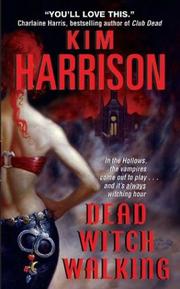
Dead Witch Walking
Witch and runner Rachel Morgan quits the agency with a death mark on her head and hunts an untouchable crime lord.
2,709-word summary · 12 min read

Blood Bound
Coyote mechanic Mercy Thompson stands with vampire friend Stefan against a demon driven rival while pack ties strain.
2,636-word summary · 12 min read
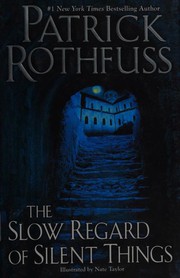
The Slow Regard of Silent Things
Auri tends the Underthing through seven days of naming and small rituals.
2,491-word summary · 11 min read
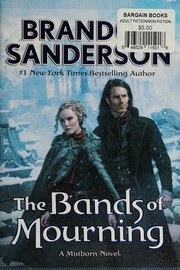
The Bands of Mourning
Wax and Wayne hunt a mythical metalmind while southern visitors and the Set close in.
2,461-word summary · 11 min read
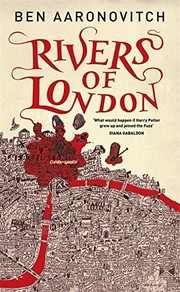
Rivers of London
A London constable takes a statement from a ghost and trains as a wizard, policing river gods and a riot spirit.
2,886-word summary · 13 min read

Hell Bent
Alex Stern risks Yale and Lethe to pull Darlington from Hell through a hidden gate.
2,994-word summary · 13 min read
Shadows of Self
Wax and Wayne hunt a rogue kandra through Elendel as labor riots rise and old grief returns.
2,643-word summary · 12 min read