
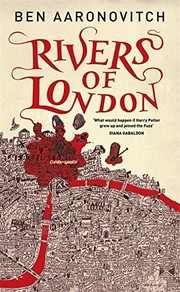
Rivers of London
2,886-word summary 13 min read 392 pages in the book
- First published
- 2011
- Publisher
- Gollancz
- Pages
- 392
- ISBN
- 9780575097568
- Series
- Rivers of London (#1)
Reading options
What's inside (8 sections)
I picked up Rivers of London because a friend who works nights kept telling me it was the only police story that made London feel like it does at 3 a.m., bright and tired and a bit strange. He was right. Ben Aaronovitch published it in 2011 with Gollancz, in a 392-page first edition with ISBN 9780575097568. It opens the Rivers of London series. Peter Grant, a young probationary constable in the Metropolitan Police, tries to take a witness statement from a ghost and ends up apprenticed to the last wizard in England. Murder, river gods, Latin homework, jazz records, and one very nasty spirit follow. I finished it in four days and then walked around my own city looking twice at rivers I had ignored for years.
Peter starts the book exactly where a lot of young coppers start, keen and stuck. He is mixed race, London born, the son of Richard Grant, a once known jazz trumpet player now mostly playing weddings, and a Sierra Leonean mother who cleans offices and keeps the family upright with practical love. Peter wanted to join CID. The Met put him in uniform instead, counting cones and guarding scenes. He is good at detail, bad at hiding boredom, fond of science and gadgets, and funny in the way people get when they are nervous. On a cold winter night he is posted outside Covent Garden station to guard a body. A man has been found dead with his head crushed, the pavement around him wrong in a way Peter cannot name yet. The crowd presses. Phones flash. Peter holds the line.
Then a man slips up and says he saw it happen. Peter takes notes. Only later does he learn the witness, Nicholas Wallpenny, has been dead for more than a hundred years.
That meeting pulls Peter into the orbit of Detective Chief Inspector Thomas Nightingale, a thin, polite, old fashioned man who looks forty and moves like someone much older. Nightingale runs a strange corner of the Met out of a white stucco house in Russell Square called the Folly. The Folly has a library full of uncomfortable chairs, a basement firing range for things that are not bullets, a housekeeper named Molly who barely speaks and cooks too much, and a quiet sense of grief. Nightingale tells Peter that magic is real, that it leaves a trace called vestigium, that London is full of old powers, and that someone needs to learn the job before Nightingale ages out. Peter says yes fast, partly from wonder and partly because anything beats another month of traffic duty. His friend Lesley May, another probationer, sharp and loyal and braver than Peter in interviews, begs to join too. She does not get the offer, which stings both of them, but she keeps helping on the edges.
A dead man who talks in Covent Garden
The opening case is simple and ugly. A respectable man out late, a sudden attack, a head injury that reads like rage rather than robbery. Then it happens again. Different people, different streets, same wild force. One victim beats another to pulp in front of witnesses and then looks confused, as if waking up. Peter and Nightingale interview families, pull CCTV, check phones. Phones matter here because magic eats phone batteries and scrambles electronics, so dead zones become clues. Peter, who loves method, starts mapping where calls drop and where lights burst.
The ghost helps more than anyone expects. Wallpenny, an actor and thief in life, loitered near the piazza for more than a century watching. He describes what he saw with stage timing, vain and kind by turns. Through him Peter learns the killer was not quite himself, pushed by something outside. Nightingale calls it being ridden. Peter starts to learn the word vestigium by touching door handles and walls and feeling the leftover buzz, tobacco and fear and cheap aftershave, or river mud and old coins. Early chapters balance procedure with strangeness well. Seawoll, the murder squad boss, wants arrests and hates woo talk. Dr Walid, the police doctor who handles odd deaths, wants samples and keeps an open mind. Lesley wants in on interviews and spots lies Peter misses. The team feels like a real murder team with one impossible member.
What I liked most in this stretch is how Aaronovitch keeps police work boring in a good way. Peter still files paper. He still gets shouted at for overtime. He still eats bad station food. Magic does not replace legwork. It adds a layer. A door to door becomes a door to door plus asking if anyone smelled the river at midnight. That mix kept me reading past bedtime.
The Folly, Nightingale, and homework in Latin
Once Peter moves into the Folly as apprentice, the book slows into training, and I mean that as praise with limits. Nightingale teaches in Latin because the old wizards wrote everything in Latin and kept the habit. Spells have names like forma, with shapes for light, water, fire, and force. Peter learns to make werelight, a small floating ball that should glow steady and at first pops and smokes. He learns impello, a push. He learns scindere, a cut. He practices until his nose bleeds and his hands shake. Aaronovitch treats practice like music practice, scales and breath and repetition, which fits Peter as a jazz kid. Richard Grant's old records play in the background while Peter tries to hold a light still for ten seconds longer.
Molly hovers at the edges of these chapters. She is thin, strong, odd eyed, possibly not human at all. She brings food without being asked and watches Nightingale with dogged care. She frightens Peter and then makes him laugh without meaning to. Dr Walid visits to test Peter's blood and to document burns, and their talks give the magic a physical price. Headaches. Dehydration. Teeth aching after big workings. Phones dying in pockets. Light bulbs blowing when Peter walks past. The Folly library holds casebooks from earlier wizards, including notes on two world wars when English magic thinned to almost nothing. Nightingale lost friends and pupils. He carries that loss in politeness rather than speeches.
Lesley hangs around the Folly when she can, learning first aid for magical injury and teasing Peter about his Latin accent. Their friendship is one of the best parts. They grew up wanting the same job, they cover for each other, they argue about music and food. Lesley is practical where Peter drifts. She tells him when a theory is thin. She charms witnesses he alienates. You can see why Peter wants her beside him even though Nightingale says only one apprentice can be taken now. The book plants that ache early and pays it later in a way that hurt to read.
If you love training arcs, you will enjoy this middle. If you want only murders, you may skim a page or two of Latin drills. I did not mind because the drills show cost. Magic here is not a gift. It is study plus risk.
Mama Thames against Father Thames
The river plot is the heart of the book and the part that surprised me most. London has two courts of river gods. Mama Thames, who came up from the sea and settled the tidal lower river, rules from a houseboat world of daughters named for lost and buried streams. Tyburn, Fleet, Effra, Wandle, Lea, and youngest Beverley Brook, who runs clear through south London parks and swims like she means it. Father Thames, called Old Man, rules the upper river above Teddington with sons like Oxley and Isis and Cherwell, rougher, rural, proud of weirs and pubs and old rights. The two courts have not spoken properly in decades. Pollution, building, and neglect cut old ties. Now both sides want Peter and Nightingale to carry messages because a truce would help everyone and because pride keeps them from meeting face to face.
Peter gets the envoy job because he is new and polite and because Beverley likes him. Beverley Brook is nineteen or so in human shape, bright, direct, funny, tied to her stretch of water in ways that make her brave and vulnerable at once. She teases Peter, feeds him, swims with him in cold water that should have left him blue and instead leaves him clear headed. Their scenes have warmth without turning the book into a romance. Aaronovitch writes attraction like a young man feels it, distracted and earnest, but he keeps Peter's attention on work. Mama Thames herself is formidable, Nigerian born in human story, businesslike, kind to her daughters, done with excuses. Father Thames is older in manner, river worn, fond of beer and old songs, protective of sons who test Peter with wrestling and boasts.
Oxley is the problem son. Big, loud, quick to insult Mama's line, quick to claim Peter is a southern soft boy. He nearly starts a fight at a parley in a Covent Garden bar where both courts drink too much and remember old slights. Tyburn, one of Mama's daughters, plays politics with a colder edge, well dressed, well connected, comfortable with police brass and councillors. Fleet is tired. Lea is watchful. Effra is wild. Keeping names straight took me a hundred pages. A piece of paper helped. Once I had them, the court scenes sang. A negotiation over cleaning a tributary, or over who answers when a body is found in shared water, reads like council politics with gods, petty and serious at once.
This is also where the book shows its London best. Markets, bridges, towpaths, night buses, housing estates near buried rivers. Peter drives all over with an A to Z in his head, naming streets as he goes. Aaronovitch clearly loves the city street by street. He notes where a river runs under a pavement, where a pub keeps an old name, where a theatre keeps old ghosts. Readers who know London will nod a lot. Readers who do not will still feel the weight, because Peter explains as he moves without sounding like a guidebook.
Punch in the crowd
Under the river talks, the murders keep climbing toward riot. Ordinary people flare into sudden violence at shows, in pubs, on buses. A teacher, a clerk, a young actor, each with no history of trouble, each blank after. Peter starts to see a pattern tied to performance and crowds, and to an old English figure with a hump and a stick. Mr Punch.
The spirit wearing people is sly and old, fed by laughter and anger, tied to Punch and Judy booths and to centuries of London crowds that watched punishment as fun. Its host in this book is a quiet man with stage links, and Aaronovitch keeps his identity held back long enough to build dread. Vestigium at scenes tastes of sawdust and greasepaint and beer, plus something sweet and wrong. Victims describe hearing jokes that were not funny and feeling brave in a bad way. CCTV shows a face in the crowd that should not be there. Peter and Lesley chase theatre lists, school fetes, street pitches. Nightingale remembers past outbreaks tied to public hangings and football surges and warns that the spirit grows stronger each time it rides.
The investigation peaks in and around Covent Garden, where it started, in theatres and alleys Peter now knows by smell. There is a long night sequence with a show, a crowd, and a push toward mass violence that Aaronovitch stages with care. Peter tries shields and pushes he has barely learned. Lesley runs messages and pulls people clear. Nightingale faces the spirit directly and pays for it. I will not spell out every beat because the book earns its reveals through procedure, but the logic holds. Punch needs a stage and permission, the crowd gives both, and stopping it means breaking the act rather than winning a duel. Peter uses law as much as magic, shouting, cordons, clear orders, the copper skills he already had.
The cost lands hard. Lesley is caught by a working meant for Peter and loses much of her face to magical burn. She lives, under Dr Walid's care, facing slow healing and hard choices. Nightingale is badly hurt and left weak. Molly keeps the Folly standing through will and soup. Peter, who wanted CID and glory, ends the book shaken, more skilled, less sure. The final pages do not tie a bow. They set a bedside watch and a promise to learn better.
The parts that sag
Fair criticism belongs here because the book is good enough to deserve it. The middle river courtship takes time. Two long parley scenes repeat points about pride and pollution. Readers who came for ghosts may fidget while Peter ferries messages between goddesses and old men. I liked those scenes on second thought, but on first read I wanted the murder thread to pull harder.
Second, the cast is wide. Daughters and sons blur unless you take notes. Tyburn and Fleet and Lea get short page time for how much they matter later. Oxley shouts enough to stand out, but Isis and Cherwell fade. A family tree at the front would have helped. I kept flipping back in my head to remember who belonged to which parent.
Third, tone wobbles near the end. The book is mostly warm and funny about procedure, then asks for real horror in hospital scenes. The shift works emotionally but the gore level jumps. Lesley's injury is described plainly and it stays with you. Readers who dislike body horror should know it comes late and sharp. Also, Peter's science talk sometimes repeats. We get the point about phones and magic after three examples. One fewer would have kept pace.
None of this broke the book for me. The strengths outweigh the drag. Still, if you need lean plots with no side travel, this may feel baggy around page two hundred. If you dislike obscure Latin or long London street lists, you will skim. I skimmed two pages of drills and missed nothing. Most readers will forgive the rest because Peter's voice stays likeable even when the plot pauses.
Why it sticks
What stays after closing is not one twist but a way of seeing. A buried river under a high street. A ghost who stayed because he loved applause. A copper who learns a dead language to do his job better. A goddess who worries about shopping and school runs for her tributaries. Aaronovitch mixes affection with clear eyes. He loves coppers and takes the mickey out of them. He loves London and shows its damp and its meanness. He loves magic and makes it cost sleep and skin.
Peter carries that mix. He is not a chosen one in the school story sense. He is a probationer who said yes and studies. He makes mistakes about women, about gods, about when to push and when to listen. He apologizes and tries again. His science mind helps him ask better questions. Why do spells fail near crowds. Why does iron bother some powers. Why does belief shape vestigium. Nightingale answers some and admits gaps in others, which I respected. A teacher who says practice and we will see feels true.
Beverley and Lesley give the book its emotional pull in different ways. Beverley offers wonder and a link to living water. She saves Peter more than once and asks for help in return, not as a prize but as kin. Lesley offers loyalty under strain. Her fate in this book changes the series path and gives Peter a debt he cannot pay with jokes. Mama Thames and Father Thames offer history with faces, migration and industry and clean up campaigns turned into family quarrels. Even minor players stick. Wallpenny the ghost with his actor pride. Dr Walid with his calm forms. Seawoll with his shouting that hides care for his team. Molly with her silence that hides grief.
For new readers, start here and read in order. This is book one and it sets terms. The US title for this same book is Midnight Riot, so do not buy both thinking they are different stories. The German title is Die Flüsse von London, also this same story in translation. Later books follow Peter and Lesley and the rivers onward, with Moon Over Soho next. You do not need to know London to enjoy it, though a map adds fun. You do need patience for procedure and for names. Give it a hundred pages. The ghost interview, the first werelight, and the first river meeting will tell you if the series is yours.
I closed it thinking about water. Rain on bus windows. Puddles in Covent Garden. The Thames at low tide with shopping trolleys showing. Aaronovitch takes those sights and adds a court behind them, arguing and flirting and sulking like any large family. Peter stands between with a notebook, trying to keep the peace and catch a killer. That image, a young copper writing statements for the living and the dead while gods wait for his report, is why I will keep going. It feels like policing and like wonder at once, and few first books manage both without forcing either.
FAQ
When was Rivers of London published?
It was published in 2011 by Gollancz in a 392-page first edition with ISBN 9780575097568. It opens the Rivers of London series.
Is Midnight Riot the same book as Rivers of London?
Yes. Midnight Riot is the US title for Rivers of London, and Die Flüsse von London is the German translation. They tell the same Peter Grant story.
Is it part of a series?
Yes. It is Rivers of London book one, followed by Moon Over Soho. Read them in order for Peter, Lesley, and the river courts.
Similar books
More from Rivers of London first, then related titles.
Ghost Story
Dead but not gone, Harry Dresden returns as a spirit to find his killer, protect the friends he left behind, and learn why the afterlife gave him a second…
1,978-word summary · 9 min read
Cold Days
Back from the dead as the Winter Knight, Harry Dresden must follow Mab's order to kill an immortal and defend Demonreach on Halloween night.
2,361-word summary · 10 min read
Turn Coat
Morgan asks Harry for sanctuary as the Council calls him traitor.
2,590-word summary · 12 min read
Small Favor
Harry owes Mab a favor and must find Marcone while Denarians hunt a holy girl.
2,741-word summary · 12 min read
White Night
Wizard Harry Dresden hunts fear-feeding White Court killers preying on Chicago's minor talents, reunites with Elaine Mallory, and faces a coup at Chateau Raith.
2,521-word summary · 11 min read
Changes
Harry Dresden learns he has a seven-year-old daughter Maggie, hidden for years. The Red Court seizes her for a bloodline rite, forcing him toward Chichen Itza.
2,855-word summary · 13 min read
Proven Guilty
Warden Harry defends teen Molly from White Council while fear phages stalk con.
2,068-word summary · 9 min read
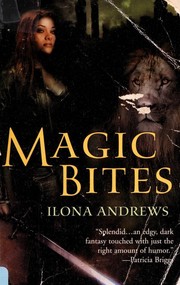
Magic Bites
A broke Atlanta mercenary takes her murdered guardian's last case and walks into a war between vampires and shapeshifters.
2,272-word summary · 10 min read
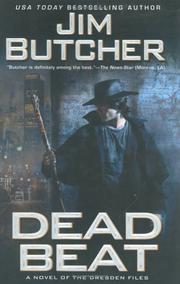
Dead Beat
Wizard Harry Dresden hunts the Word of Kemmler through necromancers to stop a Halloween godmaking rite.
2,883-word summary · 13 min read
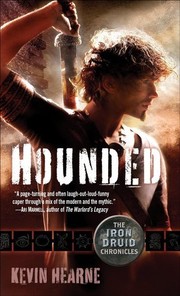
Hounded
A two-thousand-year-old druid runs a bookshop in Arizona, hides from an Irish god who wants his sword back, and talks to his dog.
2,159-word summary · 10 min read
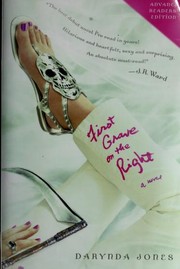
First Grave on the Right
Charley Davidson is a private investigator in Albuquerque and the grim reaper. When three murdered lawyers come back as ghosts, her two jobs collide.
2,770-word summary · 12 min read

River Marked
Mercy and Adam's honeymoon on the Columbia River turns into a fight with an ancient river devil, and Mercy finally learns the truth about her father.
2,008-word summary · 9 min read

Magic Burns
A magic flare hits Atlanta, and mercenary Kate Daniels must recover stolen maps, find a missing witch, and keep a teenage girl alive while Celtic gods try to…
2,021-word summary · 9 min read

The Golem's Eye
Two years after The Amulet of Samarkand, Nathaniel is a rising bureaucrat, Bartimaeus is his unwilling servant again, and something made of clay is tearing…
2,299-word summary · 10 min read
Circus of the Damned
A rogue master vampire arrives in St. Louis and Anita Blake is caught in an undead turf war, with a science teacher in the crossfire.
2,757-word summary · 12 min read

The Hazel Wood
Alice Proserpine has spent her life running from bad luck. When her mother vanishes, she follows a trail of fairy-tale clues to her grandmother's estate and…
2,064-word summary · 9 min read
Paranormalcy
A teenage agent who can see through glamour falls for a shape-shifter and learns the agency she works for is hiding her true nature.
2,041-word summary · 9 min read

The Bane Chronicles
Eleven stories across five centuries follow Magnus Bane from a ban in Peru to his first date with Alec in this illustrated Shadowhunter companion.
2,470-word summary · 11 min read
Iron Kissed
Mercy repays Zee by hunting a fae killer, clears his name, and finally chooses between Adam and Samuel.
2,944-word summary · 13 min read
Dead Witch Walking
Witch and runner Rachel Morgan quits the agency with a death mark on her head and hunts an untouchable crime lord.
2,709-word summary · 12 min read
Blood Rites
Wizard Harry Dresden guards a porn set from entropy curses while learning brother Thomas and fighting Black Court nest.
2,211-word summary · 10 min read
Blood Bound
Coyote mechanic Mercy Thompson stands with vampire friend Stefan against a demon driven rival while pack ties strain.
2,636-word summary · 12 min read
The Slow Regard of Silent Things
Auri tends the Underthing through seven days of naming and small rituals.
2,491-word summary · 11 min read
The Bands of Mourning
Wax and Wayne hunt a mythical metalmind while southern visitors and the Set close in.
2,461-word summary · 11 min read
Mary Poppins
A stern, vain nanny blows in on the East Wind to 17 Cherry Tree Lane and leads Jane and Michael through a year of small, strange magic.
2,729-word summary · 12 min read
Hell Bent
Alex Stern risks Yale and Lethe to pull Darlington from Hell through a hidden gate.
2,994-word summary · 13 min read
Death Masks
Wizard Harry Dresden hunts the stolen Shroud of Turin while dueling a vampire lord and facing fallen angels.
2,979-word summary · 13 min read

The Girl Before
Jane moves into minimalist One Folgate Street and must face what happened to Emma before it repeats.
3,562-word summary · 16 min read

Summer Knight
Harry refuses Mab to solve a Summer Knight murder and stop fairy war.
2,147-word summary · 10 min read
My Sister's Grave
Detective Tracy Crosswhite reopens her sister disappearance and finds town secrets still guarded.
2,084-word summary · 9 min read