
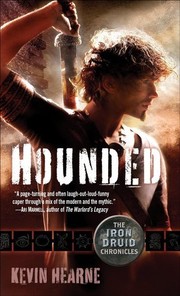
Hounded
2,159-word summary 10 min read 336 pages in the book
- First published
- 2011
- Publisher
- Del Rey
- Pages
- 336
- ISBN
- 9780345522535
- Series
- The Iron Druid Chronicles (#1)
Reading options
What's inside (9 sections)
The first thing to know about Hounded is that its hero is two thousand years old and still worries about what his dog thinks of him. Atticus O'Sullivan runs an occult bookshop in Tempe, Arizona, sells tarot decks to college students, and keeps a sword under the counter that once belonged to a god. He looks twenty-one. He has been alive since before the Romans crossed into Ireland. His dog, Oberon, is an Irish wolfhound with a telepathic link to Atticus and a strong opinion about poodles.
That combination, an ancient druid with a modern mortgage and a talking dog, is the whole pitch of Kevin Hearne's first Iron Druid novel, published by Del Rey in 2011. It is 336 pages and reads faster than that, because Hearne writes in short chapters with cliffhanger endings and jokes on nearly every page. The book knows exactly what it is: an urban fantasy beach read with Celtic mythology bolted onto a detective plot. That is not a criticism. It is a description of the pleasure.
A very old man in a very new city
Atticus has spent most of his long life moving. He was a druid in Ireland when the Tuatha De Danann were still walking around, and he took part in a battle in the first century where he ended up with Fragarach, the sword called the Answerer. The sword is the reason he cannot settle anywhere for long. Aenghus Og, the Irish god of love and a member of the Tuatha De Danann, wants it back, and he has been hunting Atticus for centuries.
The setup is explained early and without much ceremony. Atticus lives above his shop, Third Eye Books and Herbs. He has wards around the building. He has a routine of tea, customers, and walks with Oberon. He also has a lawyer named Leif Helgarson, who is a vampire, and another lawyer named Hal Hauk, who is a werewolf. That detail tells you most of what you need to know about the book's tone. The supernatural world is bureaucratic. Vampires have business hours. Werewolves handle contracts.
The plot kicks in when Atticus learns that Aenghus Og has finally located him. A local coven of Polish witches has been hired to help, and the police start sniffing around after a body turns up. Atticus has to decide whether to run again or stay and fight, and the book is mostly the process of him choosing the second option.
What makes that choice interesting is that Atticus is tired. He has been running for so long that running has become its own kind of death. Hearne does not spend many pages on the melancholy, because the book is comic, but the melancholy is there underneath. Atticus likes his shop. He likes his neighbor, the widow MacDonagh, who thinks he is a nice young man. He likes Arizona. The idea of packing up again is worse than the idea of dying, and that is the emotional engine of the story, even if the engine is mostly hidden under jokes about sausage.
The gods are petty
Aenghus Og is not a subtle villain. He is a god of love who behaves like a jealous ex-boyfriend with unlimited resources. He wants the sword because it is his, or because Atticus took it from him, or because losing it wounded his pride, and the book does not spend much time sorting out the legal ownership. What matters is that he is willing to burn down a city block to get it.
The Morrigan shows up early. She is the Chooser of the Slain, a goddess of war and death, and she has a complicated relationship with Atticus that goes back to his training. She warns him, flirts with him, and makes it clear that she will help only up to a point. Brighid, First among the Fae, also appears, and her interest in Atticus is political. The Fae want the sword out of Aenghus Og's hands, but they do not want to be seen helping a druid.
That political texture is one of the better things in the book. The gods are not cosmic forces. They are players with grudges, alliances, and an eye on appearances. Atticus survives because he understands that none of them are his friends. He survives because he is useful, and because he is willing to make deals that cost him something.
The witches are the weakest part of the cast. They are foreign, they are creepy, and they exist mostly to be killed. Hearne gives them a leader with a name and a personality, but the book is not interested in why they took the job. They are an obstacle, not characters. That is a fair criticism to make of a first novel that is otherwise generous with its supporting cast.
The Morrigan's help comes with strings, and the strings are the most interesting part of the book's politics. She does not offer Atticus safety. She offers him a version of himself that might survive, and the price is a kind of obligation he cannot fully see. Brighid's offer is cleaner and colder: the Fae will support him if it serves their interests, and they will abandon him the moment it does not. Atticus accepts both, because he has no better options, and because two thousand years of survival has taught him that a bad ally is better than no ally at all.
That cynicism is what separates Hounded from the softer end of urban fantasy. Atticus is not a chosen one. He is a man with a sword, a dog, and a list of people who would sell him out for the right price. The book's humor comes from his refusal to be solemn about any of it.
The widow next door
The best human character in the book is Mrs. MacDonagh, the elderly widow who lives beside the shop. Atticus mows her lawn and fixes her gutters. She feeds him. She has no idea what he is, and their scenes are the only places where the book slows down and lets Atticus be a person instead of a combatant.
Oberon is the other source of warmth. The telepathic dog is a gimmick, but Hearne uses him well. Oberon is not a wisecracking sidekick. He is a dog. He wants bacon, he is suspicious of the mailman, and he does not understand why Atticus will not let him eat the neighbor's cat. The bond between them is the most convincing relationship in the novel, which is a strange thing to say about a book where the hero negotiates with death goddesses, but it is true.
The supporting supernatural cast is thinner. Leif and Hal are fun in small doses, but they are types: the vampire lawyer, the werewolf lawyer. The book hints at a larger world of vampire politics and werewolf packs without doing much with it. That is fine for a series opener. It is also a reminder that this is a first book, and first books hoard their worldbuilding.
The rules
Hearne's magic system is one of the book's better decisions. A druid draws power from the earth, which means Atticus is strongest when he is barefoot on soil and weakest in the middle of a parking garage. He has spent centuries building tattoos that store energy and bind him to the land, and he carries cold iron because the Fae cannot touch it. The rules are simple enough to remember and flexible enough to create tension. When Atticus fights, you can follow what he is doing and why it might not work.
The limits matter more than the powers. Atticus cannot blast his way through a city. He cannot call on the earth through concrete. He cannot heal instantly. He can shift into animal shapes, which he does sparingly because the experience is disorienting and because Hearne seems to understand that a hero who can become a wolf at will has very few problems that a wolf cannot solve. The book keeps him vulnerable by keeping him out of his element.
The same is true of the sword. Fragarach is powerful, but it is not a wand. It cuts. It answers. It has a history that Atticus did not earn, and carrying it makes him a target rather than a champion. The weapon is a liability with an edge, and that is a more interesting object than a blade that solves every fight.
The police and the paperwork
One of the running jokes is that Atticus lives in a world with paperwork. He has lawyers. He has a business license. When bodies start appearing, he has to talk to the police, and the police are not stupid. The detective who questions him is not a comic foil. He is a suspicious professional who has noticed that the young man who runs the occult shop keeps being nearby when people die.
Hearne does not turn this into a procedural. The police thread is a source of pressure, not a mystery. It reminds you that Atticus cannot simply disappear into the desert and wait out the apocalypse. He has a life, and the life has obligations, and the obligations make him easier to find. That is a good structural choice in a book about a man who has spent two thousand years running.
The legal subplot also lets Hearne do some light worldbuilding about how the supernatural community handles disputes. Vampires have contracts. Werewolves have territory. The Fae have treaties they interpret creatively. It is a bureaucratic fantasy, and the bureaucracy is funnier than the battles.
The fight
The last third of the novel is a sustained action sequence. Atticus prepares a battleground, gathers what allies he can, and waits for Aenghus Og to come to him. Hearne writes violence clearly. The magic system is based on drawing power from the earth, and Atticus is at his strongest when he is standing on bare ground with his tattoos touching the soil. The limitation is simple and useful: cities are bad for him, because concrete and asphalt cut him off from his source.
The showdown itself is satisfying in the way that a well-staged boss fight is satisfying. Atticus uses the sword, he uses his knowledge of the gods' rules, and he takes a beating. The book does not pretend that killing a god is easy. It also does not pretend that killing a god is the end of anything. The final chapters make clear that Aenghus Og had allies, and that the vacuum he leaves will be filled.
There is a cost, too. People Atticus cares about are put in danger because of him. The book does not linger on the guilt, but it does not skip it either. Atticus is not a hero who walks away clean. He is a survivor who has learned to count the bill after the fight.
What it is and what it is not
Hounded is not a deep book. The prose is functional, the jokes are broad, and the plot is a straight line from threat to confrontation. If you want fantasy with moral complexity, this is not it. If you want a book that moves, that has a likable narrator, and that treats Celtic mythology as a toy box rather than a history lesson, it delivers.
The female characters are the clearest weakness. The Morrigan is interesting but distant. The witches are disposable. Mrs. MacDonagh is a plot device with a warm heart. Atticus himself is the only character with real interiority, and even his interiority is mostly delivered as quips. That is a limitation of the first-person voice. It is also the reason the book is fun.
Hearne knows his audience. He writes for people who have read a lot of urban fantasy and want the comfort of a familiar shape with a new coat of paint. The Irish mythology is the paint. It is applied generously, with actual research behind it, and it gives the book a texture that the average vampire-detective novel does not have.
The series gets bigger and better from here. Later books bring in more pantheons, more politics, and a wider cast. Hounded is the pilot. It introduces the rules, kills a god, and leaves the door open. If you like the voice in the first fifty pages, you will read the rest. If the voice annoys you, no amount of Celtic trivia will save it.
I finished it in two sittings and immediately ordered the second one. Not because I needed to know what happened next, exactly, but because I wanted to spend more time with Oberon. That is a strange recommendation for a book about a two-thousand-year-old druid, but it is an honest one. The dog is the best character. The sword is the second best. The plot is third, and the jokes carry the rest.
FAQ
Is Hounded the first Iron Druid book?
Yes, it is book one of The Iron Druid Chronicles and introduces Atticus, Oberon, and the sword Fragarach.
Who is Aenghus Og?
He is an Irish god from the Tuatha De Danann who has hunted Atticus for centuries because Atticus took the sword Fragarach from him.
Is Hounded a faithful retelling of Irish myth?
No. It uses Irish gods and heroes as characters in a modern urban fantasy, with a comic tone and a detective plot.
Similar books
More from The Iron Druid Chronicles first, then related titles.

Magic Burns
A magic flare hits Atlanta, and mercenary Kate Daniels must recover stolen maps, find a missing witch, and keep a teenage girl alive while Celtic gods try to…
2,021-word summary · 9 min read
The Bane Chronicles
Eleven stories across five centuries follow Magnus Bane from a ban in Peru to his first date with Alec in this illustrated Shadowhunter companion.
2,470-word summary · 11 min read

The Siren
Saved from a shipwreck in 1930, Kahlen becomes a siren who sings men to their deaths for the Ocean, until a boy in a college library makes her want a life she…
2,369-word summary · 11 min read
The Golem's Eye
Two years after The Amulet of Samarkand, Nathaniel is a rising bureaucrat, Bartimaeus is his unwilling servant again, and something made of clay is tearing…
2,299-word summary · 10 min read
Nettle & Bone
Marra, a princess in a convent, leaves to save her abused sister, but first she must finish three impossible tasks: a bone dog, a nettle cloak, moonlight in a…
2,061-word summary · 9 min read
Hogfather
Death fills in for a missing Father Christmas, Susan Sto Helit hunts the Hogfather, and the twentieth Discworld novel turns Santa into a management problem.
2,871-word summary · 13 min read
The Magician
Sophie and Josh flee to Paris with Nicholas Flamel, where John Dee, Machiavelli, and an awakened god close in on the missing pages of the Codex.
2,162-word summary · 10 min read

Lore
Lore Perseous, the last of a hunted bloodline, is pulled back into the Agon when a wounded Athena offers her revenge against the god who killed her family.
2,188-word summary · 10 min read
Ghost Story
Dead but not gone, Harry Dresden returns as a spirit to find his killer, protect the friends he left behind, and learn why the afterlife gave him a second…
1,978-word summary · 9 min read
A Fate Inked in Blood
In Norse-inspired Skaland, a fish gutter hiding a goddess's blood is claimed by a jarl, bound by oath, and guarded by the son she cannot want.
1,971-word summary · 9 min read
Cold Days
Back from the dead as the Winter Knight, Harry Dresden must follow Mab's order to kill an immortal and defend Demonreach on Halloween night.
2,361-word summary · 10 min read
Turn Coat
Morgan asks Harry for sanctuary as the Council calls him traitor.
2,590-word summary · 12 min read
Small Favor
Harry owes Mab a favor and must find Marcone while Denarians hunt a holy girl.
2,741-word summary · 12 min read
Reaper Man
Death gets fired and farms while Windle Poons refuses to die.
2,579-word summary · 11 min read
The Wee Free Men
Nine-year-old Tiffany Aching teams with the Nac Mac Feegle to rescue her brother from the Fairy Queen.
2,600-word summary · 12 min read
Wyrd Sisters
Three Lancre witches rescue a murdered king's baby, hide Lancre's future, and trap a guilty duke with a play in Ankh-Morpork.
3,085-word summary · 14 min read
White Night
Wizard Harry Dresden hunts fear-feeding White Court killers preying on Chicago's minor talents, reunites with Elaine Mallory, and faces a coup at Chateau Raith.
2,521-word summary · 11 min read
The Hammer of Thor
Magnus and Sam chase Thor's stolen hammer to a giant wedding heist, with Alex Fierro joining Floor Nineteen as Loki bargains and Ragnarok stirs.
3,068-word summary · 14 min read
Changes
Harry Dresden learns he has a seven-year-old daughter Maggie, hidden for years. The Red Court seizes her for a bloodline rite, forcing him toward Chichen Itza.
2,855-word summary · 13 min read
A Dirty Job
Grieving San Francisco secondhand shopkeeper Charlie Asher inherits the Death job, collecting souls into vessels while raising little baby Sophie as Minty…
2,454-word summary · 11 min read
The Golem and the Jinni
A clay woman and a fire spirit hide in 1899 New York, passing as immigrants while their makers' pasts close in.
2,726-word summary · 12 min read
The Dark Prophecy
Mortal Apollo and Leo cross America to free the Oracle as Commodus hunts them.
2,368-word summary · 11 min read
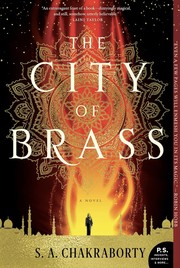
The City of Brass
Cairo con artist Nahri summons djinn Dara and is drawn to Daevabad where Ali questions pureblood rule.
1,993-word summary · 9 min read
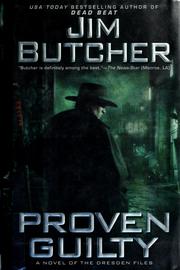
Proven Guilty
Warden Harry defends teen Molly from White Council while fear phages stalk con.
2,068-word summary · 9 min read
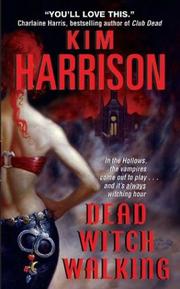
Dead Witch Walking
Witch and runner Rachel Morgan quits the agency with a death mark on her head and hunts an untouchable crime lord.
2,709-word summary · 12 min read
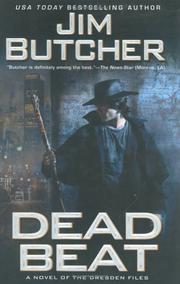
Dead Beat
Wizard Harry Dresden hunts the Word of Kemmler through necromancers to stop a Halloween godmaking rite.
2,883-word summary · 13 min read
The Alchemyst
Twins Sophie and Josh learn their boss is Flamel as Dee steals the Codex minus two pages.
2,085-word summary · 9 min read
The Hidden Oracle
Apollo lands as a teen in New York with no powers and must earn his way back with Meg and demigods.
1,933-word summary · 9 min read
Anansi Boys
A dull Londoner learns his dead dad was a spider god and his slick brother inherited all the magic.
2,036-word summary · 9 min read
Children of Blood and Bone
White haired Zelie chases magic return with princess Amari hunted by Inan.
2,027-word summary · 9 min read