
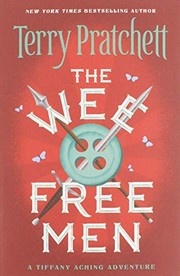
Reading options
What's inside (8 sections)
I picked up The Wee Free Men because I wanted Granny Weatherwax and got a nine year old instead, and for the first forty pages I kept waiting for the Lancre witches to walk in and take over. They do not, not really. This is Tiffany Aching's book, set far from the mountains on soft chalk hills where witches are stories and shepherds are practical people. I came to it late, after the City Watch books and most of the adult Discworld, and the shift in age caught me off guard in a good way. Pratchett does not talk down here. He changes the shape of the joke and the scare to fit a child who thinks hard.
The facts help place it. It was first published in 2003 by HarperCollins and runs 352 pages in the standard edition. On this site it is listed as Discworld 30, which follows the site habit of numbering the whole Discworld run in order. In bookshops you will also see it marked as Tiffany Aching 1, because it starts her run. You do not need the earlier twenty nine to follow it. I had read a lot of them and still felt like Tiffany did at the start, new to the strangeness and working it out from scratch.
A nine year old on the chalk farm
Tiffany Aching is nine and lives on a sheep farm on the Chalk, rolling white downland, short grass, flint paths and big skies. Her father keeps sheep. Her mother makes cheese that is famous in a small way and keeps the house moving. Tiffany has sisters older than her who tease and boss, and a little brother Wentworth who is six and sticky most of the time from stolen sweets. Tiffany's job includes minding him, fetching, carrying, and learning butter and cheese work. Her schooling is patchy. She teaches herself long words from a dictionary because she likes owning them.
What sets her apart early is attention. She notices which ewe limps, where the river cuts the bank, how grown ups speak when they think children are not listening. Pratchett gives her what he calls Second Thoughts and Third Thoughts, his plain way of showing a mind that checks itself. It sounds like a joke and it is, but it also explains how a nine year old can face things older people run from.
The Chalk itself matters more than backdrop. Tiffany knows chalk under her nails, fossils in the pit where she hunts, weather read off clouds. People from the mountains look down on chalk country as soft, no rocks, nothing dramatic. That local knowledge becomes her power later, when something old and cold tries to tell her she belongs nowhere.
The opening trouble starts at the river. Tiffany is minding Wentworth near the water when something with teeth rises where it should not be. It is Jenny Greenteeth, a drowner from stories. Tiffany does not scream for help. She remembers the iron in her pocket and a frying pan she has started to carry, and she swings. Later a traveling teacher named Miss Tick sees the signs and understands what happened. A child with a pan beat back a monster from folklore. That is a witch showing early.
I loved this start because it trusts a kid to be competent. Tiffany is not chosen by prophecy. She acts, then wonders if she did right, then goes back to chores. Miss Tick leaves her a small toad that used to be a lawyer and a hint to pay attention to stories changing around the farm. Dogs bark at empty hills. Tiffany files it all away while churning butter.
Granny Aching and what she left behind
Sarah Grizzel Aching, called Granny Aching, died two years before the book opens, and she fills it anyway. She was the shepherd of the Chalk, the best anyone knew, famous for a pipe of Jolly Sailor tobacco and two sheepdogs named Thunder and Lightning who moved like weather. She lived much of the year in a shepherding hut on wheels up on the downs, alone except for dogs and sheep and sky. She did not call herself a witch. On the Chalk nobody did. But other shepherds brought her their sick animals and their sick kin, and she knew what to do, and people stood a little straighter when she walked past.
Pratchett builds her without fuss. No wand. No school. She kept a small tin box with a fossil star creature and a book about sheep ailments she could barely read. She taught Tiffany by letting her tag along. How to hold a lamb. How to stay quiet. How to sit with a dying animal so it is not alone. Tiffany remembers the smell of lanolin and smoke, the sound of the hut door in wind. Those memories are lessons Tiffany reaches for when fear tries to empty her head.
The point Pratchett keeps circling is that Granny Aching did witch work under another name. She watched the edges. She helped at births and deaths. She took payment in tobacco or eggs or nothing. When Miss Tick later tells Tiffany she has the makings, Tiffany thinks of Granny Aching at once. If that was a witch, then the word means something different from pointy hats in picture books. It means responsibility for a patch of land and the people and beasts on it.
There is a scene I kept turning back to where Tiffany goes up to the old hut site and just stands there, trying to feel close to someone gone. Pratchett does not push it. She is also angry that no one told her plainly what Granny Aching was. Now Tiffany has to piece it together from scraps. That felt true to how families pass down strong people, in sayings and habits rather than clear accounts.
If I have a complaint about this thread, it is that Granny Aching can feel a touch too perfect in memory. Everyone agrees she was wonderful. I wanted one rough edge, one neighbor who found her hard, to make the love less smooth. But the payoff later, when Tiffany calls on that memory to hold herself together, earns a lot of the shine.
Wentworth goes missing
Wentworth is the kind of little brother who is easy to love from far away. Up close he is loud, obsessed with sweets, prone to yelling his own name. Tiffany loves him the tired way older sisters do, irritation on top and worry underneath. Pratchett writes him broadly for laughs and it works, though by page eighty I was ready for a break from the candy chant. You are meant to feel Tiffany's mix of duty and exasperation so the later fear hits harder.
The snatch happens around a fair day on the downs, with crowds and the Baron's son Roland mixed in. Roland is twelve or so, rich, awkward, lonely in the way of boys raised by tutors. Wentworth tags after them, eating. Then the hills open wrong. Hounds that are not hounds run. Music plays where no band stands. Wentworth follows lights and laughter into a hollow hill and does not come back. Roland is taken too, and both boys vanish from the waking grass.
What I liked is how Pratchett shows a kidnapping without making it neat. One minute the boys are there. The next there is trampled grass, a cold spot, laughter fading. Grown ups search and find nothing. Tiffany's father walks the banks till late. Her mother keeps cheese making going because work steadies her, and keeps looking at the door. Tiffany feels sick with guilt, the kind that comes from wishing a brother would vanish for an hour and then having it happen for real. She does not wail. She starts to plan.
Miss Tick returns with her broom parked in a firkin and speaks plainly at last. Tiffany is a witch by nature, already doing the work, and the taker is the Queen of the fairies, who collects children and dreamers. Miss Tick cannot go in after them herself. She tells Tiffany to find the Nac Mac Feegle, who know the ways under the hills. Tiffany, nine, takes a frying pan, some cheese and string, and walks out to a chalk pit to meet pictsies.
A fair criticism: this middle stretch leans on dream logic and Tiffany wandering between mounds and streams, and once or twice I lost the map. Pratchett is setting rules for Fairyland entrances and they blur on first read. I had to reread the drome passage to fix it in my head.
Meeting the Nac Mac Feegle
The Nac Mac Feegle are six inch high men, blue with tattoos, red haired, loud, drunk when possible, fighting always, wearing kilts and carrying swords. They speak in a Scots roar I had to sound out. Rob Anybody leads. Daft Wullie worries. Awfully Wee Billy Bigchin, small even for them, serves as bard. Fion fights as hard as any male and corrects the males without pause. They live under a mound in a muddy hall full of rabbits and arguments.
Their introduction is the funniest part of the book and the warmest. They have been watching Tiffany because the old kelda, their queen mother, dreamed of a new hag coming from the Chalk. When their old kelda died, they were left rowdy and leaderless, waiting. Tiffany, who beat Jenny with iron and who stands her ground, fits the dream. They pop out of rabbit holes, size her up, declare her their big hag, and start obeying in the most disobedient way possible.
Pratchett walks a fine line here between joke and clan. The Feegles are comic, always ready to headbutt a wall, but they keep codes. They do not abandon kin. They pay debts. They fear lawyers and paperwork more than monsters. Tiffany learns fast how to handle them. Give clear orders. Allow a fight before the plan. Share cheese. The scenes where she practices command, small girl shouting at thirty tiny warriors, made me grin and also sit up.
I will admit the dialect slowed me for a chapter. Pratchett phoneticizes hard and the jokes come fast, so I reread lines aloud. Read them aloud once and the ear catches up. Kids reading alone may need help here, or an audio version alongside. It is worth the effort because once the speech clicks, the Feegles stop being noise and start being people you would trust in a hole under a hill.
Their plan is simple in shape. The Queen has taken the boys into her land. Iron burns fairy folk, so Tiffany's pan is a weapon. Dreams trap, so they need dromes, crab like creatures that make shared dreams to catch sleepers, to find a door. They will go in noisy, grab the lads, and get out before the Queen turns the dream on them. Tiffany agrees, though she is scared, because waiting feels worse.
Into Fairyland to face the Queen
Fairyland in this book is not pretty in the way of picture books. It is cold, bright in patches, wrong in scale. The Queen rules it, tall, pale, beautiful in a way that feels carved, always collecting. She wants children who dream strong, boys like Roland who make stories. She feeds on attention and shapes the land to flatter herself. Summer in one glade, snow in the next, always her music underneath. She speaks sweetly and means ownership.
Pratchett shows her power through dreams rather than armies. Roland gets a version where he is brave and admired, with feasts and hounds. Wentworth gets endless sweets. Even Tiffany gets offered Granny Aching alive again, hut warm, dogs barking. Those are the hardest pages because Tiffany wants that dream badly enough to ache. What holds her is training she did not know was training. Look at hooves. Count teeth. Check the stitching on the wish. A shepherd knows a sick sheep by signs. A witch knows a false world the same way.
The dromes help and hinder. They spin shared sleep that lets the party walk between worlds, but inside shared sleep the Queen is stronger. The Feegles barge through, headbutting dream walls, shouting Tiffany awake when she falters. Daft Wullie, who seems simple, says plain things that cut through glamour. Awfully Wee Billy Bigchin keeps naming what he sees, which matters because naming breaks enchantment. Tiffany learns to use Third Thoughts like a tool. What am I seeing. Why do I want to see it. Who put the want there.
The fight, when it comes, is not swordplay. Tiffany has the pan and uses it, and iron hurts the Queen's kind, but the deciding move is waking. Tiffany remembers chalk. She presses her feet to imagined turf and thinks of flint, fossils, sheep bells, her mother's hands. She tells the Queen, in plain words, that dreams are not rule. People need to wake, work, eat, mend. The Queen hates this because she cannot feed on waking minds that choose.
This is where the book is strongest and, for some readers, thinnest at once. Strongest because Tiffany's method fits her age and place. She does not outspell an ancient power. She out attends her. Thinnest because the Queen's motive stays simple. She collects because she is that kind of ruler. No wound, no history. It suits a children's book and keeps the scare clean, but I finished wanting one more scene that showed why she cannot stop.
Coming home awake
Getting out is harder than getting in, which felt right. Dreams cling. The party has to carry sleepy boys uphill through cold and noise. Wentworth cries for sweets. Roland half wakes and tries to play hero and nearly ruins it. Tiffany keeps counting heads like sheep. When they break through to the Chalk grass, the air changes. It smells of thyme and sheep and rain coming.
Home does not magically mend. That restraint is one of the reasons I trust this book. Wentworth is still sticky and demanding, only now Tiffany holds him tighter. Roland returns changed, less puffed, kinder. Miss Tick nods like a teacher whose pupil passed a test she did not set. The farm resumes. Cheese is made. Sheep are moved. Granny Aching stays dead, which matters. Tiffany does not get her back except in the way we keep the dead, by doing what they taught.
The closing movement gives Tiffany a path rather than a prize. Two older witches arrive quietly at the edge of things, Mistress Weatherwax and Nanny Ogg from the mountains, to look over this chalk girl. Weatherwax, sharp as winter, sees a mind that will not be pushed. She offers respect and a future apprenticeship, with conditions and waiting. Tiffany accepts the waiting. The Feegles stay as her strange clan. The last images are domestic and wide at once. A girl on chalk, sky above, feet on flint, awake.
After two reads my sense is warm with clear limits I would tell a friend. The Feegle dialect and the dream mazes ask patience. Wentworth will test adults reading aloud. The Queen is more chill than depth. And because this is written for younger readers, the blood cost is low and the lessons are stated plainer than in the Watch books. None of that spoiled it for me. If you want Pratchett with jokes and heart but without Ankh Morpork politics, start here. If you want him at his darkest, read Night Watch first and come back to the Chalk when you need light.
FAQ
Is The Wee Free Men part of a series and where does it fit?
Yes. It is Discworld 30 in site numbering and the first Tiffany Aching book. It was first published in 2003 by HarperCollins and runs 352 pages. No earlier Discworld book is needed.
Who is Tiffany Aching and what makes her a witch?
She is a nine-year-old on a Chalk sheep farm who watches closely and thinks twice. A frying pan, iron, cheese and chalk sense carry her further than spells.
Who are the Nac Mac Feegle and are they hard to read?
They are tiny blue pictsies led by Rob Anybody who adopt Tiffany as their kelda. Their Scots roar slows first-time readers, so try reading their lines aloud.
Similar books
More from Discworld first, then related titles.
The Color of Magic
A failed wizard guides a tourist across a flat world on a turtle, with comic fantasy chaos.
2,032-word summary · 9 min read
The Light Fantastic
Rincewind and Twoflower fall off the world while wizards race a red star.
1,974-word summary · 9 min read
Equal Rites
A dying wizard passes his staff to a baby girl, and Granny Weatherwax escorts Esk to Unseen University in Pratchett's third Discworld book.
2,871-word summary · 13 min read
Mort
Death hires apprentice Mort in this 1987 Discworld comedy, where a spared princess splits reality and duty bends for love, with no Rincewind.
2,386-word summary · 11 min read
Sourcery
A dying wizard hides his soul in a staff, his eighth son becomes a sourcerer strong enough to break the world, and Rincewind is sent to stop him with a sock.…
2,404-word summary · 11 min read
Wyrd Sisters
Three Lancre witches rescue a murdered king's baby, hide Lancre's future, and trap a guilty duke with a play in Ankh-Morpork.
3,085-word summary · 14 min read
Guards! Guards!
A drunk captain, his last two guards, and an earnest recruit face a summoned dragon in Ankh-Morpork in Pratchett's funny eighth Discworld book.
2,307-word summary · 10 min read
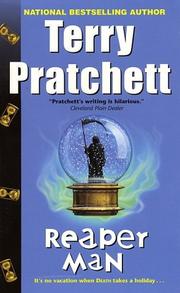
Reaper Man
Death gets fired and farms while Windle Poons refuses to die.
2,579-word summary · 11 min read
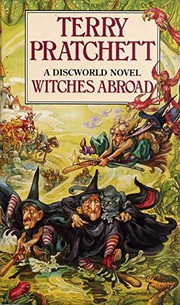
Witches Abroad
Three Lancre witches fly to Genua to stop a fairy godmother from forcing a servant girl into a storybook marriage, and find a city arranged around a happy…
2,651-word summary · 12 min read
Small Gods
God Om trapped as a tortoise must convince novice Brutha to save Omnia from its own church.
2,063-word summary · 9 min read
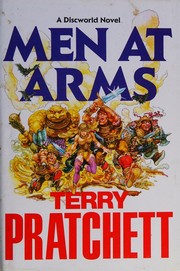
Men at Arms
The City Watch gets new recruits and a murder case when the Disc's only handgun turns up in Ankh-Morpork, in the fifteenth Discworld novel.
2,216-word summary · 10 min read
Hogfather
Death fills in for a missing Father Christmas, Susan Sto Helit hunts the Hogfather, and the twentieth Discworld novel turns Santa into a management problem.
2,871-word summary · 13 min read
Night Watch
Vimes is thrown back in time and must train his young self through a revolution.
2,003-word summary · 9 min read
Going Postal
A hanged con artist must revive Ankh-Morpork's dead Post Office and outwit a murderous rival in Pratchett's 33rd Discworld novel.
2,228-word summary · 10 min read
Nettle & Bone
Marra, a princess in a convent, leaves to save her abused sister, but first she must finish three impossible tasks: a bone dog, a nettle cloak, moonlight in a…
2,061-word summary · 9 min read

The Blinding Knife
Kip trains to join the Blackguard while the Prism hides his true identity, loses his colors, and fights a war against a rogue drafter who wants to birth a god.
2,049-word summary · 9 min read

Inkdeath
The final Inkworld novel sends Mo into the land of the dead, leaves Meggie choosing between two boys, and ends the Adderhead's immortality with three written…
2,062-word summary · 9 min read
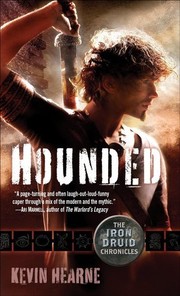
Hounded
A two-thousand-year-old druid runs a bookshop in Arizona, hides from an Irish god who wants his sword back, and talks to his dog.
2,159-word summary · 10 min read
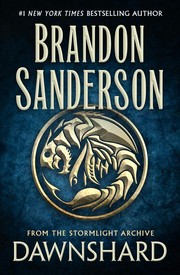
Dawnshard
Rysn sails toward forbidden Akinah to save her dying larkin and finds a Dawnshard guarded by the Sleepless.
3,229-word summary · 14 min read

Bone, Vol. 1: Out from Boneville
Three cartoon cousins are run out of Boneville, separated by locusts, and dropped into a valley where rat creatures and an old grudge are waiting.
2,155-word summary · 10 min read

The Field Guide
Three siblings move into a creepy Maine estate, anger a brownie, and find a forbidden guide to the fairy world in the first Spiderwick book.
2,033-word summary · 9 min read

Secrets of the Dragon Sanctuary
Kendra is replaced by a plant copy and held by the Society, while Seth steals a unicorn horn so the family can enter a dragon sanctuary.
2,590-word summary · 12 min read

Lioness Rampant
Alanna searches for the Dominion Jewel with the Shang Dragon, then returns to Tortall to face Duke Roger at Jonathan's coronation.
2,478-word summary · 11 min read
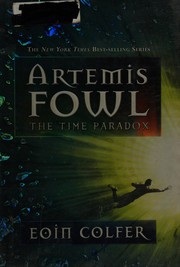
The Time Paradox
When his mother falls ill with a fairy disease, Artemis Fowl travels back in time to find the extinct lemur that can cure her and confronts his younger self.
2,601-word summary · 12 min read
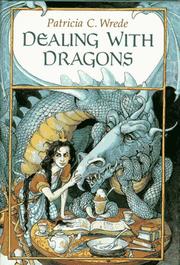
Dealing with Dragons
A princess who hates embroidery runs away to become the cook and librarian for a dragon, then has to outthink wizards, knights, and a plot against the dragon…
2,563-word summary · 11 min read

The Golem's Eye
Two years after The Amulet of Samarkand, Nathaniel is a rising bureaucrat, Bartimaeus is his unwilling servant again, and something made of clay is tearing…
2,299-word summary · 10 min read

Magician's Gambit
Garion and his companions cross haunted Maragor and the caves beneath Rak Cthol to recover the Orb of Aldur.
2,391-word summary · 11 min read

Homeland
Drizzt Do'Urden is born into the cruel drow city of Menzoberranzan, where his father teaches him to fight and to doubt everything his family believes.
2,303-word summary · 10 min read
Enchanters' End Game
Garion marches toward Torak while Ce'Nedra leads the West's army in the final Belgariad volume, where prophecy and war meet.
2,557-word summary · 11 min read

Grip of the Shadow Plague
A plague turns Fablehaven's creatures of light into shadows while Kendra hunts an artifact in Arizona and Seth races to find the cause.
2,131-word summary · 9 min read