
Reading options
What's inside (8 sections)
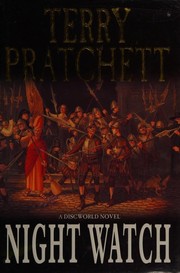
I love Discworld books that make me laugh and then sit quiet, and this one does both best. Sam Vimes, copper turned commander, is thrown back thirty years to a revolution he survived as a boy, and must train his young self without breaking time. First published in 2002 by Doubleday in the UK at 364 pages in hardcover, with HarperCollins in the US, it is 29th in Discworld and sixth in the City Watch arc. On this site it joins Guards Guards, Mort, and others under Terry Pratchett.
Vimes chases a killer named Carcer through a magical storm on the roofs of Ankh Morpork and wakes in the past. The city simmers toward the Glorious Revolution that will fill streets with barricades. Young Sam Vimes is a raw recruit. Old Vimes, using the name John Keel, becomes his sergeant and teaches policing that serves people rather than power. Around them move a young Vetinari learning statecraft, a kindly Sweeper who knows more than he sweeps, and rebels who want bread and votes.
The book is funny about boots and paperwork while serious about who gets hurt when crowds rise. That balance is why many fans call it the best Discworld. I agree most days, though best depends on mood.
A copper out of time
The setup drops fast. Carcer, cruel and charming in the worst way, kills and runs. Vimes follows without backup because that is who he is. A storm in the Unseen University library, which holds time like dust, throws both back to the days of the Treacle Mine Road revolt. Vimes knows how it ends. Barricades fall. Good men die. His younger self learns to stand in rain holding a line.
Old Vimes cannot simply warn. Time resists plain fixes, and the Sweeper, Lu Tze, explains rules in riddles about straws and stories. Do not kill your grandfather. Do not tell who will die. Mend the past where it frays so history holds. Vimes translates that to copper sense. Keep young Sam alive. Teach him to read streets. Hold the line without becoming the thing you fight.
Young Sam is keen, poor, and honest in a way the city punishes. He joined the Watch for food and boots, not ideals. Old Vimes sees himself before cynicism and wants to protect that spark without lying about costs. Their training scenes mix drills with talks. How to knock without breaking. How to listen to a market. How to write a report that tells truth to power that does not want it.
Carcer in the past is worse because he has room. He joins violent gangs, sells knives to both sides, and enjoys chaos for its own sake. He recognizes Vimes as a fellow traveler from the future and taunts him with what will happen. Their cat and mouse through alleys and roofs carries real menace beneath jokes. Carcer kills for fun, which makes Vimes look noble by contrast even when Vimes bends law.
I like how time travel stays practical here rather than paradox heavy. No long lectures on physics. Boots leak, pay is short, and food runs out in both times. Those details keep the marvel grounded. Vimes cannot fix history with knowledge of futures. He can only teach a boy to hold a street with decency for one night.
John Keel and young Sam
John Keel was the sergeant who taught Vimes everything in stories told earlier in the series. Now we learn Vimes must play Keel because the real Keel dies on arrival in this past. That turn hits hard for long fans. The legend Vimes quoted was himself all along, or rather the best self he tried to become. Time loops with heart rather than trick.
Training montages mix humor and moral weight. Keel teaches young Sam and other recruits to polish boots, learn names, and stand shoulder to shoulder. He bans looting, pays for food, and writes names of the dead correctly. Small disciplines build a unit that will not break when ordered to fire on neighbors. Those lessons feel like Pratchett's creed about policing by consent.
The recruits are vivid. Widdy, Snouty, and others with nicknames that hide fears. They steal, joke, and learn fast when treated fairly. Keel feeds them, drills them, and listens to home troubles. That care creates loyalty that outlasts pay. When barricades rise, they hold because Keel held them first. It is simple and moving without sentimentality.
Young Vetinari appears as a clever student assassin observing streets. He watches Keel with interest, asking sharp questions about power and order. Old Vimes recognizes the future Patrician and handles him with wary respect. Their talks about how cities run without breaking people are some of the book's smartest pages. Neither trusts the other fully, which is correct.
The emotional core is Vimes teaching himself to be decent before life made him hard. He corrects his own youthful cruelty gently. He stops Sam from hitting a prisoner. He shows him how to take a statement from a scared woman. Those small redirections accumulate into the commander readers love. The past does not change much in books. People do, one lesson at a time.
Barricades and bread
The Glorious Revolution in Ankh Morpork is not glorious in the moment. Taxes bite. Bread costs too much. The palace guards, led by men like Lord Winder, answer protests with swords. Students, workers, and coppers build barricades on Treacle Mine Road with carts and doors. They want votes, pay, and food rather than grand theory. Pratchett respects those practical wants.
Keel's watch holds a section of street with discipline that shames both mobs and guards. They feed locals, guard shops, and arrest looters from either side. That neutrality costs. Rebels call them traitors for not joining the charge. Authority calls them mutineers for not firing on crowds. Holding the middle in a revolution is lonely work, and the book shows bruises.
Sweeper Lu Tze drifts through with a broom and koans that actually help. Need a street cleaned. Need history swept back into place. His calm annoys Vimes, who wants straight answers. Yet his actions save lives at key turns. He represents a different power than swords, one of maintenance rather than glory. In a book about uprising, the man with a broom matters most, which is pure Pratchett.
Women in the revolt get real pages. Seamstresses run messages. Barmaids hide the hunted. A young mother feeds recruits while mourning a brother. These roles could be background, but Pratchett gives names and choices. Who risks a shop to shelter coppers. Who carries word through guards for bread. Revolution runs on such work more than speeches, and the book knows it.
Violence, when it comes, is brief and ugly rather than thrilling. A charge breaks. A friend falls. Rain washes blood into gutters. Keel writes names by lantern light with shaking hands. Those lists are the book's memorial. Glory fades. Names remain if someone writes them right. That is why Vimes later insists on paperwork that honors the dead.
Humor that holds grief
Pratchett's jokes do not pause for tragedy. They carry it. Boots theory of economics appears in sharp form. Coffee that is not coffee. Puns about Klatchian takeaways. Nobby Nobbs jokes that undercut heroics. Each laugh releases pressure so the next loss lands harder. Readers new to Discworld can enjoy gags without catching every callback, though old jokes reward.
British humor tags fit here in the best sense. Understatement, queue jokes, and paperwork satire. A form filed in triplicate during a riot. A sergeant insisting on proper procedure while roofs burn. That comedy is not escape. It is how tired people keep decency when fear wants cruelty. Laughing at absurd orders helps refuse them.
The book also satirizes revolution tourism. Young lords play at barricades for stories. Journalists invent heroes. Spies sell both sides. Keel navigates these with weary politeness and occasional shouting. He knows narratives will flatten the night into slogans. His answer is to protect people in front of him rather than chase History with a capital H.
Carcer provides dark mirror humor. He jokes while hurting, which curdles laughs. Pratchett uses him sparingly after setup so cruelty does not become entertainment. When Carcer returns late, fear spikes because you remember his laugh. That restraint shows mastery. Evil is scarier when the book looks away to tend wounds.
I laughed most at small copper details. Learning informants by tea preference. Marking alleys by smell. Arguing about overtime during a siege. Those bits sound like real police talk bent through fantasy. They also teach why community policing works. Know streets by heart and you will know when hearts break.
What endures and what needs context
The strength is moral clarity without simplicity. Vimes believes law should protect the powerless from the powerful, including powerful rebels. That line holds through barricades, time loops, and personal grief. It is easy to cheer and hard to live, which the book admits by showing costs. Friends die holding it. Careers stall. Sleep thins.
As Discworld 29 and Watch 6, it rewards series readers most. Callbacks to Guards Guards, to Vimes wedding, to Vetinari rise land with extra ache. New readers can still follow the revolution and training plot, but will miss why a name on a memorial matters so much. Start with Guards Guards on this site if new, then come here after two or three Watch books. The payoff triples.
Length at 364 pages feels right, though middle barricade logistics slow. Supply lists, roster checks, and street maps fill chapters that some will skim. I liked that grind because it shows how revolts live on bread and boots, but readers wanting quips may wander. Push through night patrols. Dawn assault repays.
At its close, the book returns to present grief with quiet grace. Old Vimes wakes with memory and loss that others cannot share. He goes back to work because work remains. That ending avoids triumph while honoring the dead. If fantasy for you means escape, this still entertains with chases and jokes. If it means facing how cities break and mend, Night Watch stands among the finest, not just on Discworld but on any shelf about power and care.
Boots, paperwork, and decency
The boots theory deserves its own pause because it condenses the book. Good boots cost more upfront and last years. Cheap boots cost less and rot in rain, so the poor pay more over time. Vimes lives that math in his feet. Keel teaches recruits to save for soles rather than shine. That lesson about poverty as tax runs under barricades and explains anger better than slogans.
Paperwork as care also repays attention. Keel insists on correct names for the dead, receipts for food taken, and reports that state what happened without polish. Those forms look dull beside speeches, yet they protect the living from lies after. When present Vimes keeps the same habits, readers feel continuity. Decency is a filing system as much as a feeling.
The city itself teaches policing by consent. Markets need regular beats. Pubs need known faces. Alleys need lamps rather than raids. Keel walks recruits through smells and shortcuts until streets become people rather than maps. That foot knowledge lets his unit hold a road without firing. Force becomes last resort because knowledge gives other options.
Young Vetinari scenes reward reread. He asks what keeps crowds from burning shops they need. Keel answers with bread and boots rather than theory. Those exchanges foreshadow a Patrician who will rule by balancing hungers rather than inspiring love. You see tyranny learning manners. It chills because manners work.
Reread the final memorial pages slowly. Names read aloud change the book from adventure to remembrance. That shift is intentional and worth honoring with quiet after closing. Vimes carries those names into every later Watch book. Hold the line with care and remember who stood beside you. Keel taught boots, names, and restraint that outlast any revolution night.
FAQ
When was Night Watch published?
Doubleday published Night Watch in 2002 in the UK, HarperCollins in the US. The UK hardcover runs 364 pages and is 29th in Discworld.
Is it part of a series?
Yes. It is Discworld book 29 and sixth in the City Watch arc. Sam Vimes mentors young Sam during the Glorious Revolution.
Similar books
More from Discworld first, then related titles.

The Color of Magic
A failed wizard guides a tourist across a flat world on a turtle, with comic fantasy chaos.
2,032-word summary · 9 min read
The Light Fantastic
Rincewind and Twoflower fall off the world while wizards race a red star.
1,974-word summary · 9 min read
Equal Rites
A dying wizard passes his staff to a baby girl, and Granny Weatherwax escorts Esk to Unseen University in Pratchett's third Discworld book.
2,871-word summary · 13 min read
Mort
Death hires apprentice Mort in this 1987 Discworld comedy, where a spared princess splits reality and duty bends for love, with no Rincewind.
2,386-word summary · 11 min read
Sourcery
A dying wizard hides his soul in a staff, his eighth son becomes a sourcerer strong enough to break the world, and Rincewind is sent to stop him with a sock.…
2,404-word summary · 11 min read
Wyrd Sisters
Three Lancre witches rescue a murdered king's baby, hide Lancre's future, and trap a guilty duke with a play in Ankh-Morpork.
3,085-word summary · 14 min read
Guards! Guards!
A drunk captain, his last two guards, and an earnest recruit face a summoned dragon in Ankh-Morpork in Pratchett's funny eighth Discworld book.
2,307-word summary · 10 min read
Reaper Man
Death gets fired and farms while Windle Poons refuses to die.
2,579-word summary · 11 min read
Witches Abroad
Three Lancre witches fly to Genua to stop a fairy godmother from forcing a servant girl into a storybook marriage, and find a city arranged around a happy…
2,651-word summary · 12 min read
Small Gods
God Om trapped as a tortoise must convince novice Brutha to save Omnia from its own church.
2,063-word summary · 9 min read
Men at Arms
The City Watch gets new recruits and a murder case when the Disc's only handgun turns up in Ankh-Morpork, in the fifteenth Discworld novel.
2,216-word summary · 10 min read
Hogfather
Death fills in for a missing Father Christmas, Susan Sto Helit hunts the Hogfather, and the twentieth Discworld novel turns Santa into a management problem.
2,871-word summary · 13 min read
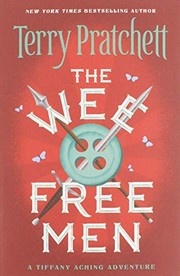
The Wee Free Men
Nine-year-old Tiffany Aching teams with the Nac Mac Feegle to rescue her brother from the Fairy Queen.
2,600-word summary · 12 min read
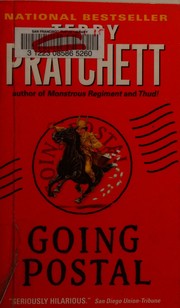
Going Postal
A hanged con artist must revive Ankh-Morpork's dead Post Office and outwit a murderous rival in Pratchett's 33rd Discworld novel.
2,228-word summary · 10 min read
The Eyre Affair
Literary detective Thursday Next chases a villain who kidnaps Jane Eyre from her own novel in an alternate 1985 England.
1,929-word summary · 9 min read
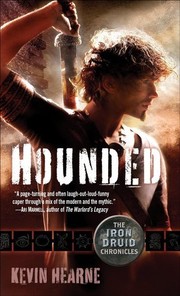
Hounded
A two-thousand-year-old druid runs a bookshop in Arizona, hides from an Irish god who wants his sword back, and talks to his dog.
2,159-word summary · 10 min read
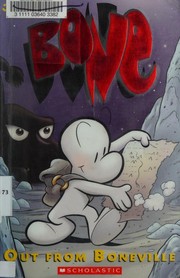
Bone, Vol. 1: Out from Boneville
Three cartoon cousins are run out of Boneville, separated by locusts, and dropped into a valley where rat creatures and an old grudge are waiting.
2,155-word summary · 10 min read
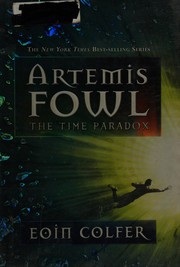
The Time Paradox
When his mother falls ill with a fairy disease, Artemis Fowl travels back in time to find the extinct lemur that can cure her and confronts his younger self.
2,601-word summary · 12 min read
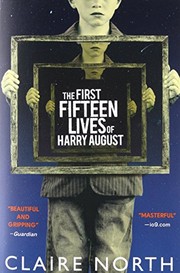
The First Fifteen Lives of Harry August
Harry August dies and is born again into the same life, again and again, until a warning from a child tells him the world is ending faster with each pass.
2,189-word summary · 10 min read
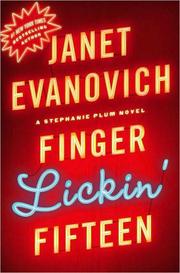
Finger Lickin' Fifteen
Lula sees a celebrity chef decapitated and talks Stephanie into entering a barbecue contest to lure the killers, while Ranger hires her to find a security leak…
2,248-word summary · 10 min read
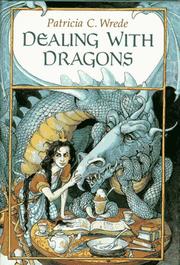
Dealing with Dragons
A princess who hates embroidery runs away to become the cook and librarian for a dragon, then has to outthink wizards, knights, and a plot against the dragon…
2,563-word summary · 11 min read

Tales from the Café
Four more visitors to a Tokyo café travel through time under strict rules, each hoping to say the thing they could not say before.
2,242-word summary · 10 min read
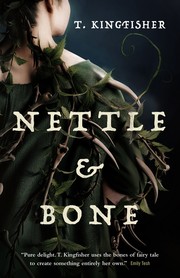
Nettle & Bone
Marra, a princess in a convent, leaves to save her abused sister, but first she must finish three impossible tasks: a bone dog, a nettle cloak, moonlight in a…
2,061-word summary · 9 min read

This Time Next Year
Two women give birth minutes apart on New Year's Day 1990, and one takes the other's lucky name. Thirty years on, their children meet again.
2,194-word summary · 10 min read
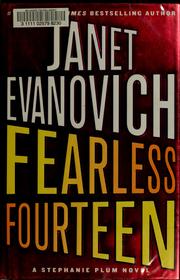
Fearless Fourteen
Bounty hunter Stephanie Plum babysits a teenager, guards a fading singer, and hunts nine stolen million dollars under her boyfriend's basement.
2,466-word summary · 11 min read
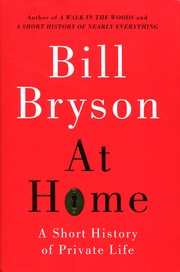
At Home: A Short History of Private Life
Bill Bryson tours his own Norfolk rectory room by room to explain how private life and the modern home got built.
2,334-word summary · 10 min read
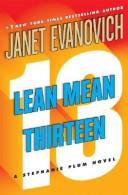
Lean Mean Thirteen
Stephanie Plum's ex-husband disappears after she attacks him, leaving her suspected of murder and chasing a forty-million-dollar secret through Trenton.
2,100-word summary · 9 min read
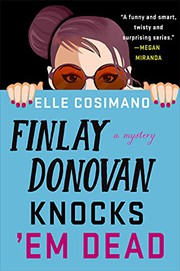
Finlay Donovan Knocks 'Em Dead
Someone has put a contract on Finlay Donovan's ex-husband, and the novelist and her nanny have to find the hitman before the school pickup.
1,990-word summary · 9 min read
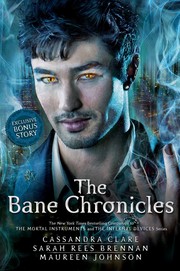
The Bane Chronicles
Eleven stories across five centuries follow Magnus Bane from a ban in Peru to his first date with Alec in this illustrated Shadowhunter companion.
2,470-word summary · 11 min read
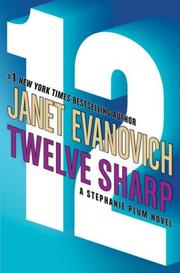
Twelve Sharp
Stephanie Plum is stalked by a woman claiming to be Ranger's wife, and when Ranger's daughter is kidnapped, Stephanie becomes both bait and target.
2,064-word summary · 9 min read