
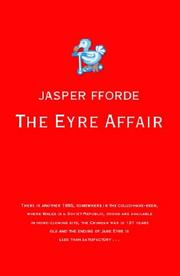
The Eyre Affair
1,929-word summary 9 min read 400 pages in the book
- First published
- 2001
- Publisher
- Hodder and Stoughton
- Pages
- 400
- ISBN
- 9780340820476
- Series
- Thursday Next (#1)
Reading options
What's inside (9 sections)
I went into The Eyre Affair expecting a clever joke about Jane Eyre and found a full alternate world with its own politics, tech, and heart. It follows Thursday Next, a literary detective in a 1985 England that never left the Crimean War, as she hunts a criminal who can enter books and steal characters. The joke is real, but the stakes turn out to be about war, work, and who gets to change a story.
Thursday Next and SpecOps
Thursday is thirty six, a Crimean veteran, single, living in London with a pet dodo named Pickwick. Dodos are back through cloning, along with neanderthals who work quiet jobs and face casual prejudice. England is a republic with a parliament, a beloved but absurd president, and one giant company, Goliath, that makes weapons and owns half of daily life.
Policing is done through SpecOps, with branches for time travel, vampires, and literature. Thursday works for SpecOps 27, the Literary Detectives. They handle forged Shakespeares, illegal poetry trading, and copyright raids. Work is dull until her old professor turned supervillain, Acheron Hades, resurfaces. He is charming, hard to kill, and able to lie so well people believe him against evidence.
Thursday is the only person who can recognize Hades on sight, which makes her valuable and doomed. An early stakeout goes wrong. Her team dies, she takes a bullet stopped by her copy of Jane Eyre, and a stranger in old clothes helps her and vanishes. She keeps his handkerchief marked E.F.R. and knows, impossibly, that Edward Fairfax Rochester just saved her.
Fforde sets all this up fast without info dumps. Forms, memos, newscasts, and pub talk carry the worldbuilding. I liked Thursday at once. She is brave but tired, funny about bureaucracy, loyal to her aunt and uncle, and still raw about her brother's death in Crimea and her split from fiance Landen Parke-Laine.
An England obsessed with books
In this England literature is pop culture. People debate who really wrote Shakespeare in bars that erupt into fights. Bootleg Coleridge sells on corners. Charity balls raise money to preserve original manuscripts. Hit musicals adapt Keats. Thursday's job matters the way vice squads matter here.
The Crimean War has dragged for over a century against Russia, now a cold stalemate with occasional offensives. Goliath promises a plasma rifle called STONK that will win it. Peace campaigners say the war feeds Goliath profits. Thursday privately backs peace. Her brother died there, Landen lost a leg, and she saw enough to doubt communiques.
Time travel exists but is tightly policed by SpecOps 12. Thursday's father is a rogue ChronoGuard agent who pops into her life to warn her, then is erased by his own service for meddling. These scenes are brief and oddly moving. He can meet her for tea but cannot stay for the wedding he wants to see.
Wales is independent and socialist in this timeline, a refuge with its own border checks. Swindon, Thursday's hometown, sits near that edge and becomes base when she transfers after the London shooting. Family chaos waits there. Her mother cooks, her brother sulks, her aunt and uncle invent impossible things in the shed.
Mycroft, Polly, and the Prose Portal
Uncle Mycroft and Aunt Polly are warm eccentrics who love Thursday fully. Mycroft, a tinkerer, builds the Prose Portal, a device of books, screens, and odd wiring that lets a person step inside a novel. Tests with Wordsworth poems go wrong in funny ways. Polly gets stuck in a poem about daffodils and has to be read out carefully.
The Portal is the book's big idea and Fforde uses it with discipline. Rules emerge. You need the original manuscript to change a story everywhere. Copies update instantly when the original changes. Characters inside know their lines and must repeat them, aware but unable to improvise unless an outsider intervenes. Time moves differently inside. Weeks in the book pass as minutes outside.
Hades steals the Portal by kidnapping Mycroft and Polly. He also steals the original manuscript of Martin Chuzzlewit and kills a minor character to prove he can. The literary world panics. If he can kill inside books, no beloved figure is safe. When he then steals the original Jane Eyre and pulls Jane out, every copy of Jane Eyre in England goes blank halfway through. Readers riot. Scholars weep on TV.
Jack Schitt of Goliath shadows Thursday, claiming to help while aiming to grab the Portal for weapons work. Goliath cannot make STONK function, so Schitt plans to pull working guns from a weapons manual as if it were fiction. It is a perfect satire of defense contracting. If reality will not supply a working gun, steal one from a story and bill the state.
Into Jane Eyre
Thursday follows Hades into Jane Eyre itself, and these chapters are the joy of the novel. Inside, Thornfield Hall runs on novel logic. Servants reset rooms, Rochester broods on schedule, Bertha laughs in the attic, Jane walks her appointed path to the interrupted wedding. The residents know Thursday is an outsider and react with curiosity, fear, and hope.
Jane is not a prop. She is furious at being kidnapped, worried her story will end, and sharp about her own constraints. Rochester is Byronic but also tired of repeating loss. He remembers every loop. He knows Jane leaves him when the secret marriage is revealed, and he must live it again each reading. Thursday befriends him over brandy and plain talk. She promises to try to give them a better loop if she survives.
The hunt through the book mixes action and literary jokes. Thursday hides in chapter breaks, dodges Hades in corridors that rewrite as she runs, and uses knowledge of the plot as a map. Hades is stronger inside fiction because belief bends there. She beats him not with force alone but by understanding how the original manuscript anchors change. The fight costs Thornfield its hall, Bertha her life, and Rochester his hand and eyesight, matching the injuries readers of Jane Eyre know but earned here through new causes.
I found these pages thrilling and surprisingly tender. Fforde respects Bronte even while spoofing her. He keeps Jane's plain courage and Rochester's rough charm, then asks what it would feel like to live the same ending forever. Thursday's answer, to alter the ending so Jane returns to a wounded Rochester out of choice, reframes the classic as mercy rather than duty.
Aftermath and peace
Back outside, Thursday must deal with Goliath. Schitt demands the Portal. She lets him use it but swaps the connected book to Poe's The Raven, trapping him in the poem's loop. Mycroft destroys the device to keep it from further misuse. Polly is freed from Wordsworth with careful reading. Mycroft retires from inventing world breaking tools, at least for a week.
Thursday uses sudden fame to speak on TV about the war. Asked if Goliath's rifles will bring victory, she says they do not work. Engineers confirm. The public mood shifts, peace talks gain ground, and the long Crimea nightmare edges toward end. It is a neat use of celebrity. She does not give a speech about ideals. She states a technical fact Goliath hid and lets voters do the math.
Her personal life resolves in a rush that still charmed me. Landen, about to marry another woman, is saved by Rochester's lawyer who proves the bride is already married. It is absurd and played straight. Thursday and Landen marry instead, with her time traveling father slipping in to give advice he should not be able to give. The book ends with Thursday famous, Goliath furious, Jane Eyre's new ending selling well, and more trouble clearly coming in sequels.
A fair criticism is sprawl. Time police, corporate satire, war politics, romance, and literary theory crowd each other. Some threads, like the Shakespeare authorship riots, get one joke and vanish. Hades can feel too powerful until the plot needs him beatable. If you want tight mystery, this may frustrate. If you enjoy Douglas Adams style pile ups with a detective spine, it delights.
Hades and what makes him scary
Acheron Hades earns his reputation in two scenes that stayed with me. In the stakeout he walks through gunfire while reciting poetry, not because bullets miss but because he convinces light and flesh to ignore them. Later he kills a minor Chuzzlewit character to prove a point about originals, choosing someone no one will miss except completists. That cruelty is colder than any shootout. He understands love for minor figures and uses it as pressure.
He was Thursday's professor, which adds sting. He taught her about narrative tricks, then turned those tricks into crimes. She remembers his lectures while hunting him, hearing his voice explain the exact trap she just entered. Fforde uses that past to avoid making Hades a faceless power. He is a teacher who decided rules were for students. Thursday beating him means rejecting a beloved mentor's cynicism, not just stopping a felon.
His weakness is vanity about being understood. He monologues when he should shoot, poses when he should hide, and cannot resist demonstrating cleverness inside Jane Eyre where the setting amplifies performance. Thursday, practical and tired, uses that delay. She does not outwit him with a better paradox. She outlasts his need for applause and acts while he savors it. That difference between showman and worker runs through the whole book. Goliath shows off STONK. Thursday checks if it fires. Hades shows off theft. Thursday does the paperwork to undo it.
Swindon family and Landen
Thursday's time in Swindon gives the book its soft center. Her mother, a busy widow with sharp opinions, feeds everyone and worries about Thursday marrying late. Her brother Joffy organizes overly sincere memorials. Landen Parke-Laine, the ex fiance with a prosthetic leg and a writer's patience, still loves her and still smarts from their breakup after the war. Their scenes are awkward in a good way. Tea goes cold while neither says the true thing.
Landen matters because he grounds the high concept. He asks Thursday what entering books costs her sleep, not just the world. He remembers Crimea from his own wound, not from briefings. When he gets engaged to someone else out of loneliness, Thursday's jealousy is not possessive so much as grief for a future she thought she had buried. Their reconciliation works because both admit fear rather than blaming fate.
Mycroft and Polly add grandparent warmth with mad science edges. Mycroft forgets names but remembers book品. Polly fusses over Thursday's coat while discussing poetry portals as if they were kettles. Their kidnapping raises stakes precisely because they are kind. You want them back from Hades not for the device but for Sunday lunch.
The dodo Pickwick deserves mention. Part pet, part sight gag, part plot help when feathers trigger a sneeze at the right moment. Thursday talks to Pickwick when she cannot talk to people, and the bird's blunt affection steadies her after shootouts. In a book full of clever talk, a squawking bird who loves toast keeps things human.
Read it with Jane Eyre nearby if you can, but you do not need to have just reread it. Fforde gives you the beats you need. The pleasure is watching a reader become a character who then edits the book she loves. For anyone who has ever wanted to step into a novel to fix one scene, Thursday Next lives that wish with bills, bruises, and a dodo waiting at home.
FAQ
When was The Eyre Affair published?
Hodder and Stoughton published it in the UK on July 19, 2001. The hardcover runs 400 pages and opens the Thursday Next series.
Is it part of a series?
Yes. It is Thursday Next book one, followed by Lost in a Good Book. The series mixes mystery, fantasy, and satire.
Do I need to have read Jane Eyre first?
No. It borrows Jane Eyre and its characters but changes the ending inside Fforde's alternate world as a plot point.
Similar books
More from Thursday Next first, then related titles.
The First Fifteen Lives of Harry August
Harry August dies and is born again into the same life, again and again, until a warning from a child tells him the world is ending faster with each pass.
2,189-word summary · 10 min read

Paper Girls, Volume 1
Four paper girls in 1988 Ohio chase a stolen walkie-talkie into a basement and stumble into a time war, flying dinosaurs, and an older version of themselves.
2,235-word summary · 10 min read
A Connecticut Yankee in King Arthur's Court
Hank Morgan, a Connecticut factory man, wakes in King Arthur's England, rises to chief adviser, and rebuilds the kingdom until his own inventions turn on him.
2,193-word summary · 10 min read
When You Reach Me
A sixth grader in 1970s New York gets strange notes that seem to predict the future.
2,456-word summary · 11 min read

A Swiftly Tilting Planet
Charles Wallace rides time with a unicorn to stop a dictator before birth.
2,193-word summary · 10 min read
Night Watch
Vimes is thrown back in time and must train his young self through a revolution.
2,003-word summary · 9 min read
An Absolutely Remarkable Thing
Hank Green's An Absolutely Remarkable Thing follows artist April May after she and Andy film a giant Carl robot in New York that appears in cities worldwide…
2,699-word summary · 12 min read
Gideon the Ninth
Swordswoman Gideon guards necromancer Harrow in a deadly Emperor trial.
2,232-word summary · 10 min read

Dirk Gently's Holistic Detective Agency
Holistic detective Dirk Gently links a Cambridge murder, a ghost, and time travel to stop a four-billion-year-old mistake.
3,000-word summary · 13 min read
Recursion
False pasts feel truer than true ones as a memory chair lets the grieving rewrite deaths.
1,995-word summary · 9 min read
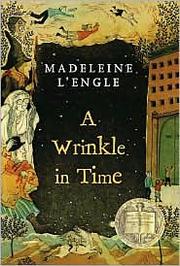
A Wrinkle in Time
Meg Murry, Charles Wallace and Calvin tessar past Mrs Whatsit, Mrs Who and Mrs Which to Camazotz to free Mr Murry from IT.
2,055-word summary · 9 min read

Size 12 Is Not Fat
Former teen pop star Heather Wells investigates two dorm elevator deaths while juggling her ex, her crush, and a size-12 wardrobe.
2,805-word summary · 12 min read
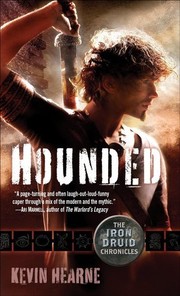
Hounded
A two-thousand-year-old druid runs a bookshop in Arizona, hides from an Irish god who wants his sword back, and talks to his dog.
2,159-word summary · 10 min read
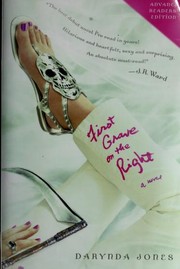
First Grave on the Right
Charley Davidson is a private investigator in Albuquerque and the grim reaper. When three murdered lawyers come back as ghosts, her two jobs collide.
2,770-word summary · 12 min read
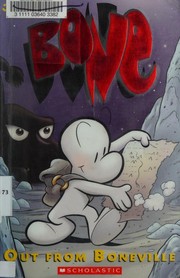
Bone, Vol. 1: Out from Boneville
Three cartoon cousins are run out of Boneville, separated by locusts, and dropped into a valley where rat creatures and an old grudge are waiting.
2,155-word summary · 10 min read
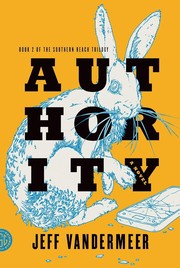
Authority
The new director of the Southern Reach takes over an agency that is hiding the truth about Area X, and the building starts to change around him.
2,029-word summary · 9 min read

Iron Widow
Wu Zetian enlists to avenge her sister, kills her pilot, and becomes an Iron Widow in a mecha Huaxia where the machines are built to kill women.
2,444-word summary · 11 min read

Archenemies
Nova steals for the Anarchists while Adrian hides his Sentinel identity, and a serum that erases prodigy powers puts them both at risk.
2,485-word summary · 11 min read
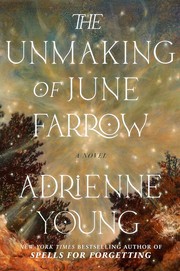
The Unmaking of June Farrow
A woman in a North Carolina flower-farming family walks through a red door into 1951, where she must solve her mother's disappearance and decide whether to…
2,701-word summary · 12 min read
The Time Paradox
When his mother falls ill with a fairy disease, Artemis Fowl travels back in time to find the extinct lemur that can cure her and confronts his younger self.
2,601-word summary · 12 min read
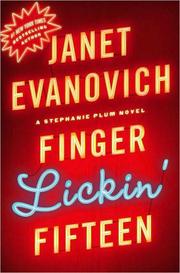
Finger Lickin' Fifteen
Lula sees a celebrity chef decapitated and talks Stephanie into entering a barbecue contest to lure the killers, while Ranger hires her to find a security leak…
2,248-word summary · 10 min read
Dealing with Dragons
A princess who hates embroidery runs away to become the cook and librarian for a dragon, then has to outthink wizards, knights, and a plot against the dragon…
2,563-word summary · 11 min read
Tales from the Café
Four more visitors to a Tokyo café travel through time under strict rules, each hoping to say the thing they could not say before.
2,242-word summary · 10 min read
Sleeping Giants
A girl falls into a field and lands in a giant metal hand. Years later a secret team assembles the rest of the machine, and it chooses its own pilots.
2,466-word summary · 11 min read
Leviathan
In an alternate 1914, a prince on the run and a girl disguised as a soldier meet aboard a living airship.
2,406-word summary · 11 min read

Heist Society
A teenage art thief gets expelled from boarding school, then has two weeks to steal five paintings back from a London museum and clear her father.
2,781-word summary · 12 min read
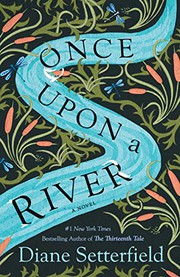
Once Upon a River
A wounded man stumbles into a riverside inn carrying what appears to be a drowned child who is not quite dead, and the story braids the guesses of everyone who…
2,173-word summary · 10 min read
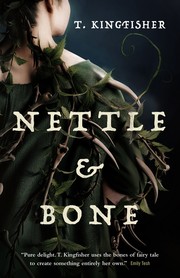
Nettle & Bone
Marra, a princess in a convent, leaves to save her abused sister, but first she must finish three impossible tasks: a bone dog, a nettle cloak, moonlight in a…
2,061-word summary · 9 min read
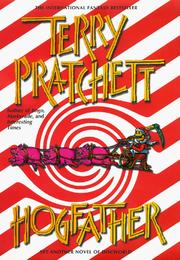
Hogfather
Death fills in for a missing Father Christmas, Susan Sto Helit hunts the Hogfather, and the twentieth Discworld novel turns Santa into a management problem.
2,871-word summary · 13 min read
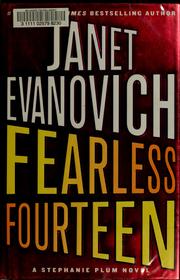
Fearless Fourteen
Bounty hunter Stephanie Plum babysits a teenager, guards a fading singer, and hunts nine stolen million dollars under her boyfriend's basement.
2,466-word summary · 11 min read