
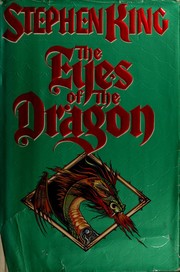
The Eyes of the Dragon
2,018-word summary 9 min read 326 pages in the book
- First published
- 1984
- Publisher
- Viking Press
- Pages
- 326
- ISBN
- 9780670814589
Reading options
What's inside (9 sections)
I read The Eyes of the Dragon because my daughter asked for a fantasy that was not too scary and a friend said King wrote one for his own kids. It is a straight fairy tale set in a kingdom called Delain, with kings, princes, a magician, dragons, and a prison tower. No clowns, no Maine highways, just storyteller voice from start to finish. King tells it the way a parent tells a long story across nights, pausing to explain, to tease, to warn that worse is coming.
Delain and old King Roland
Delain is a classic kingdom with a castle, villages, a Great Hall for feasts, and records kept by dry historians. King Roland the Good is old, fond of hunting with his dragon killing arrow, fond of drink, and fond of his two sons in different ways. Peter, the elder, is tall, strong, fair, and loved. Thomas, the younger, is slow, jealous, and mostly ignored except by the court magician Flagg.
Flagg is the engine of evil here. Tall, thin, ageless, with a voice that scrapes. King fans know him from other books as a wandering villain. Here he serves Delain for decades, advising kings while planning their falls. He keeps a book of poisons, a crystal that shows half truths, and a temper that flares when plans slip.
Roland's marriage is loveless but stable until Queen Sasha arrives. Sasha is kind and smart, loves Peter openly, tries to love Thomas, and distrusts Flagg at once. Her death in childbirth with Thomas wounds the family. Roland drinks more. Peter parents Thomas as best a teen can. Thomas watches and resents and listens at doors, which Flagg uses.
What I liked is King's narrator tone. He speaks to you directly, explains that dragons are real but rare, that Napkins matter, that history is written by nervous men. It feels like bedtime telling with room for asides. My daughter laughed at the jokes about royal underwear and leaned in for the poison parts.
Poisoned wine and a framed prince
Flagg wants Peter gone because Peter would be a strong king hard to control. Thomas would be weak and easy. The plan is simple and cruel. Poison Roland's wine with Dragon Sand that burns from inside, frame Peter by planting evidence, and crown Thomas while Peter rots in the Needle, the high prison tower in the castle center.
The murder night is tense. Roland asks for wine, Thomas is sent to fetch it, Flagg adds poison in the passage. Roland dies horribly. Peter arrives with wine from his own room, finds his father dead, and is caught holding the cup. Thomas, hidden, sees Flagg's part but is too scared to speak. Judges, already steered by Flagg, convict Peter fast.
Peter's trial shows how fear beats facts. Servants who love him doubt their memory. Lords who praised him vote guilty to please the new power. Only a few, like judge Anders Peyna and butler's son Dennis, keep doubt alive. Peter is sentenced to life in the Needle, displayed in a cage of stone high above the city.
Thomas is crowned at twelve and hates it at once. Lessons, seals, audiences, Flagg whispering at his elbow. He drinks secretly, has nightmares, and replays what he saw. King writes his guilt without making him hateful. He is a boy who failed a test and knows it every morning.
The Needle and napkin rope
Peter in prison could be grim, but King turns it into patience study. The Needle is tall, narrow, with one window, straw, and meals brought by rope. Peter at first despairs, then notices his mother left him her dollhouse with tiny napkins. Each dinner brings a real napkin. He begins to pull threads, knot them, and weave rope on a small loom he builds from chair parts.
This takes years. King counts napkins, seasons, and gray hairs. Peter exercises, reads what guards allow, watches birds, and keeps his mind by planning. He never tells anyone. When guards mock him for playing with dolls, he smiles and keeps weaving. The rope grows, coiled under straw, strong enough by his math to reach the ground.
I loved these chapters for their calm. After the rush of murder and trial, time slows to thread work. My daughter asked if Peter was bored. I said yes, and that boredom was his weapon. He turns waiting into work while Flagg assumes he rots. It teaches without lecturing that small steady acts beat brooding.
Dennis, the butler's son and Peter's childhood friend, serves Thomas and watches the new king crumble. He finds his father's old notes, hears Peyna's doubts, and starts asking questions Flagg notices. When Dennis finds proof that Flagg handled poison, he must run. His flight through castle passages and winter streets gives the book its chase energy.
Dennis, Thomas, and Flagg's endgame
Dennis flees Delain to find help and meets the exiled survivors of Flagg's older crimes. He learns Flagg's pattern across kingdoms. Poison, frame, rule through a weak heir, vanish when caught, return under a new name. Armed with names and dates, Dennis returns in disguise as the kingdom holds a funeral rite that will let Flagg finish Peter legally.
Thomas meanwhile breaks a little more each week. Flagg shows him his mother's death in the crystal in twisted form, feeds him wine, and urges him to order Peter's execution to prove strength. Thomas wants to be good but does not know how. A hard night comes when he finds Flagg without his mask of manners, eyes glowing, speaking of centuries. Fear finally turns to anger.
The climax moves fast. Dennis reaches Peyna with proof. Peter climbs down his napkin rope during a storm, hands bleeding, wind tearing at him. Thomas confronts Flagg in the throne room with his father's bow and dragon arrow. He shoots, blinds Flagg in one eye, and screams the truth before the court. Flagg flees through magic rather than die cleanly, promising return elsewhere.
Peter is cleared, but he does not simply take the throne and smile. He names Thomas's courage, pardons those who voted guilty from fear, and then leaves Delain for a time with Dennis to seek Flagg's trail and to grow beyond prison. Thomas rules as regent under Peyna's guidance, kinder for having failed and faced it. It is a gentle ending for a King book, with scars rather than graves.
Dragons, magic, and limits
Dragons here are beasts, not characters. Long dead except for one stuffed head and stories of hunts. Magic is Flagg's alone, and King keeps it vague. Potions, crystal visions, long life, teleport tricks. No school, no system. That vagueness works for fairy tale. Evil is will plus time, not rules.
Some readers may want more battles. There is one arrow shot, one tower climb, a few chases, and much talk. The tension is moral rather than martial. Will Thomas speak? Will Dennis run fast enough? Will Peter keep weaving when no one believes? My daughter found the rope chapters more exciting than any fight because she counted napkins with Peter.
A fair criticism is simplicity. Good brother, weak brother, evil wizard, brave servant. Women get short shrift after Sasha dies. Servant girls and village wives appear briefly to feed or warn, then vanish. King wrote this for his young daughter who found his horror too scary, so he leaned into archetype on purpose. Adult readers wanting knotty politics should look to his longer fantasies.
Peyna, Dennis, and doing right scared
Judge Anders Peyna gives the book its adult conscience. Old, gouty, fond of procedure, he votes guilty with the rest and then cannot sleep. He replays the trial, lists what bothered him about Flagg's calm, and starts asking quiet questions that put him at risk. His courage is not sword waving. It is an old man admitting error and writing it down. When Dennis returns with proof, Peyna acts fast despite fear, because law must correct itself or mean nothing.
Dennis carries the adventure load. Son of the butler, friend to Peter, servant to Thomas, he moves between worlds with a tray and sharp ears. His escape from the castle through laundry chutes and winter streets is the most film ready stretch. He is hungry, cold, and hunted, helped by a farmer who asks no names and a dog who shares warmth. Those small kindnesses balance Flagg's chill. Delain is not only its court. It is barns and kitchens where people choose help.
Thomas's arc deserves care. He starts as a jealous snooper, becomes a terrified king, and ends as a boy who tells truth with an arrow. King does not excuse his silence that killed his father in effect. He shows why a twelve year old might freeze when a magician smiles. Thomas drinks, wets himself in nightmares, and still shows up when Dennis needs a door opened. His apology to Peter is short and real. No hug fixes years, but acknowledgment starts repair.
Reading it with kids
We read the Needle chapters across three nights, and they sparked the best talks we have had about patience. My daughter wanted Peter to hurry, to tie faster, to shout. I asked what shouting from the Needle would win. She thought, then said a longer stay. That is the book's lesson in kid size. Doing the small right thing daily beats one brave burst.
King helps parents here with direct addresses. He warns that a character will do something foolish, invites you to judge Roland's drinking, asks if you ever listened at a door like Thomas. Those nudges let you pause and talk without breaking spell. We paused a lot. About jealousy between siblings, about why judges voted guilty when they liked Peter, about whether Flagg could be forgiven if he said sorry. My daughter said no fast, then thought about Thomas and said maybe for some.
The scares are mild by King standards but real. Poison death, a dead queen, a magician with glowing eyes, a high tower climb in storm. No gore for its own sake. The horror is being disbelieved or locked up unjustly, which kids understand deeply. Peter's calm under that fear gives them a model without preaching. He cries sometimes, which matters. Brave here includes tears and continued work.
We also liked spotting connections without needing other books. Flagg's name meant little to my daughter and everything to me from The Stand. King drops no homework. If you know, you shiver extra. If not, he is simply a scary wizard. That generosity makes the book a fine first King for ages nine and up, and a pleasant palate cleanser for adults between heavier novels. We finished wanting maps of Delain on the wall, which is about the highest praise a fairy tale can earn in our house. Peter's patience gave us a phrase we still use when homework drags. Do a napkin a day. It means steady work beats sulking, and it came straight from a tower cell built by King for his own kids.
The rope itself becomes a character in our house retelling. We counted threads at dinner, guessed how many napkins a year means, argued about whether guards would notice straw lumps. King gives enough numbers to play with without turning the book into math. That invitation to participate is why the book works for kids. You do not just watch Peter wait. You wait with him and plan.
Still, the clarity is the point. King shows he can hold attention without gore by using voice, pacing, and small objects that matter. A napkin, an arrow, a dollhouse, a dog's loyalty. When Peter finally touches ground, the relief is physical because you felt each thread.
Read it aloud if you can. The narrator asides invite voices. Flagg hisses, Roland booms, Thomas whispers, Peter stays steady. At around 300 pages it fits a week of bedtimes or two quiet evenings alone. It left our house with a new game of weaving pretend rope from yarn and a better talk about telling truth when scared.
FAQ
When was The Eyes of the Dragon published?
Philtrum Press issued a limited hardcover in 1984. Viking published the mass trade edition in February 1987, running 326 pages.
Is it part of The Dark Tower series?
No. It is a standalone fairy tale set in Delain, separate from The Dark Tower though King fans spot small links.
Who saves Prince Peter?
Dennis the butler's son carries proof of innocence across danger to free Peter, while Thomas must choose courage over Flagg.
Similar books
The Farthest Shore
Archmage Ged and Prince Arren sail to the far west to stop Cob, whose bid for endless life drains magic across Earthsea in Le Guin's sad 1972 third volume.
2,800-word summary · 12 min read
Dragons of Autumn Twilight
Old friends reunite at the Inn of the Last Home, guard a glowing Blue Crystal Staff, face black dragon Khisanth, and free slaves at Pax Tharkas in this 1984…
2,803-word summary · 12 min read

The Blinding Knife
Kip trains to join the Blackguard while the Prism hides his true identity, loses his colors, and fights a war against a rogue drafter who wants to birth a god.
2,049-word summary · 9 min read
Secrets of the Dragon Sanctuary
Kendra is replaced by a plant copy and held by the Society, while Seth steals a unicorn horn so the family can enter a dragon sanctuary.
2,590-word summary · 12 min read
Magician's Gambit
Garion and his companions cross haunted Maragor and the caves beneath Rak Cthol to recover the Orb of Aldur.
2,391-word summary · 11 min read
Homeland
Drizzt Do'Urden is born into the cruel drow city of Menzoberranzan, where his father teaches him to fight and to doubt everything his family believes.
2,303-word summary · 10 min read
Enchanters' End Game
Garion marches toward Torak while Ce'Nedra leads the West's army in the final Belgariad volume, where prophecy and war meet.
2,557-word summary · 11 min read
Grip of the Shadow Plague
A plague turns Fablehaven's creatures of light into shadows while Kendra hunts an artifact in Arizona and Seth races to find the cause.
2,131-word summary · 9 min read
The Queen of the Tearling
Nineteen-year-old Kelsea leaves the woods to take her throne, ends a shipment of human captives, and draws the Red Queen's revenge.
2,357-word summary · 10 min read
Fool's Errand
FitzChivalry Farseer has lived in exile for fifteen years. When Prince Dutiful vanishes before his betrothal, Fitz returns to Buckkeep to find him, with a wolf…
2,606-word summary · 12 min read
The Sword of Shannara
A young half-Elf and a company of companions set out to recover a magic sword before the Warlock Lord destroys the Four Lands.
2,474-word summary · 11 min read
Magician: Apprentice
An orphan kitchen boy and a smith's son grow up in a frontier castle just as invaders from another world open a rift and begin a war that will change both of…
2,114-word summary · 9 min read

When the Moon Hatched
An assassin who hears air takes a job that throws her to dragons and a hunter.
2,083-word summary · 9 min read
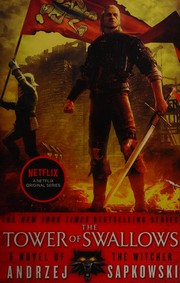
The Tower of the Swallow
Ciri flees as a bandit while Geralt gathers allies to find her.
2,580-word summary · 11 min read
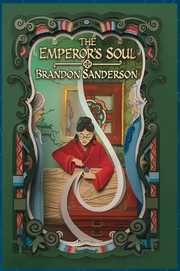
The Emperor's Soul
Forger Shai must stamp a new soul for the dying emperor in 100 days.
2,313-word summary · 10 min read
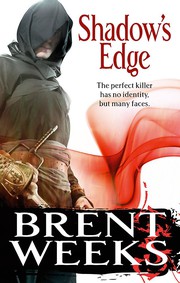
Shadow's Edge
Kylar fakes death as a king killer while Vi hunts him for the Godking.
2,245-word summary · 10 min read
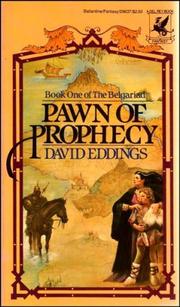
Pawn of Prophecy
Farm boy Garion learns sorcerers watch him as an old Orb wakes.
2,331-word summary · 10 min read
New Spring
Moiraine and Lan hunt the newborn Dragon before the Black Ajah finds him.
2,475-word summary · 11 min read
Furies of Calderon
Furyless Tavi defends Calderon Valley when the Marat return and lords scheme.
2,587-word summary · 11 min read

Stone of Tears
After the veil tears, Richard seeks training from the Sisters while Kahlan holds a fracturing Midlands and Zedd hunts the missing Stone.
2,483-word summary · 11 min read
Edgedancer
Hungry street thief Lift and her vine-like friend Wyndle cross the Herald Nale in Tashikk when a child emperor shows Radiant signs and she refuses to step…
2,328-word summary · 10 min read
The City of Brass
Cairo con artist Nahri summons djinn Dara and is drawn to Daevabad where Ali questions pureblood rule.
1,993-word summary · 9 min read
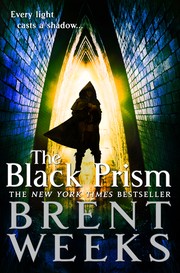
The Black Prism
Dying Prism Gavin Guile hides a secret son while war brews over color magic in the Seven Satrapies.
2,169-word summary · 10 min read
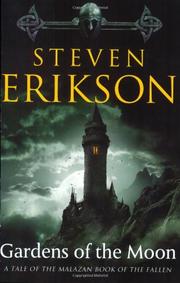
Gardens of the Moon
Empire, gods, and mages collide over Darujhistan as Bridgeburners bleed for Empress Laseen.
2,188-word summary · 10 min read
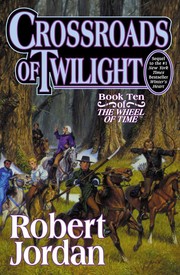
Crossroads of Twilight
Rand cleansed saidin and the whole world felt it. Book ten follows each faction as they react, stall, and choose sides.
2,264-word summary · 10 min read
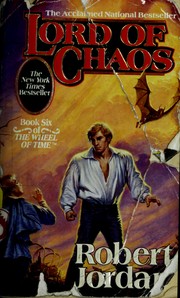
Lord of Chaos
Rand offers amnesty to men who can channel while Egwene is raised Amyrlin in exile. Book six of The Wheel of Time builds toward rescue and reckoning at Dumai's…
2,255-word summary · 10 min read
A Crown of Swords
After Dumai's Wells, Rand holds Cairhien while Egwene besieges Tar Valon and Elayne and Nynaeve hunt relief in Ebou Dar. Book seven crowns kings and queens at…
2,828-word summary · 13 min read
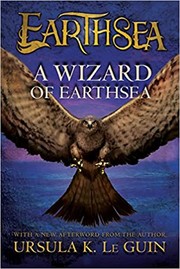
A Wizard of Earthsea
A proud goatherd becomes the wizard Ged, looses a shadow at Roke, and must hunt it across Earthsea to name it. Le Guin's lean 1968 series opener.
2,972-word summary · 13 min read
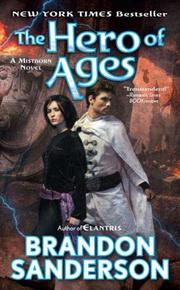
The Hero of Ages
Vin and Elend face ash, mist, and Ruin itself as the prophecies fail and Sazed searches old faiths for answers.
2,559-word summary · 11 min read
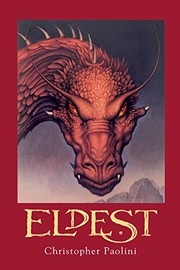
Eldest
Eragon trains with Oromis in Ellesmera while Roran defends Carvahall and Nasuada leads the Varden toward war.
2,652-word summary · 12 min read