
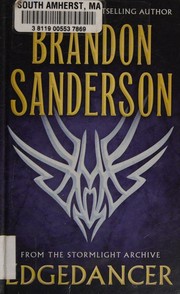
Edgedancer
2,328-word summary 10 min read 272 pages in the book
- First published
- 2016
- Publisher
- Tor Books
- Pages
- 272
- ISBN
- 9780765397898
- Series
- The Stormlight Archive (#2.5)
Reading options
What's inside (8 sections)
I came to Edgedancer after finishing Words of Radiance and feeling wrung out. That book ends big and bleak, and I wanted something smaller before Oathbringer. First published in 2016 in Arcanum Unbounded, with a Tor Books standalone in October 2017, this novella runs 272 pages in hardcover in the edition cited here, ISBN 9780765397898, and sits at 2.5 in The Stormlight Archive. It follows Lift in Tashikk with her companion Wyndle while Nale, the Herald called Darkness, hunts young Radiants. I expected a light side quest. It is light in places, dark in others, and very much about what mercy costs when law says no.
Lift is thirteen, or says she is, a Reshi street thief grown up too fast on rooftops and docks. She can make herself slick so hands slide off, she can feed on Stormlight to heal, and she can speak to Wyndle, a cultivationspren who looks like a vine with a face and sounds like a worried tutor. Wyndle chose her. He wanted a proper knight, someone dignified. He got a girl who steals dinners, naps in gutters, leaves mud on palace floors, and calls him Voidbringer when he nags. Their bickering carries the book. He explains Surgebinding rules and oaths. She asks when lunch is. He worries about propriety. She worries about whether pancakes are close.
Nale is the opposite pole. He is a Herald of Justice, ancient, tired, certain. After the old orders broke, he decided the new Radiants will bring another Desolation, so he hunts Surgebinders who show signs of power and kills them before they can speak oaths. He calls it protecting Roshar. On the page it looks like murder done politely. He wears black and white, carries a Shardblade, moves without wasted motion. In Tashikk, a port city full of scribes, sailors, thieves, and minor functionaries, word spreads that the Darkness has come. People who glow, people who heal strangely, people who hear voices, they disappear.
Short version: Lift tries to rob a palace, finds a child emperor in danger, gets in Nale's path, refuses to step aside, chases him across rooftops and streets, saves a life with Stormlight, and walks away hungry.
Lift, Wyndle and Tashikk
Tashikk is perfect Lift ground. Markets stacked with fruit she cannot afford. Laundry lines strung between windows. Guards who chase and then give up. Scribes with ledgers. Ships with names painted fresh. Lift arrives with Wyndle trailing her like ivy, invisible to most, audible to her as a prim voice only she hears. She is there to steal and eat. She stays because something feels wrong in the city, a pressure like weather before a highstorm.
Wyndle wants her to act like an Edgedancer. In his telling, Edgedancers are the kind who remember the forgotten, who listen, who help small people others step over. He talks about growth and care, about tending people the way a gardener tends vines. Lift hears lectures. She translates them into food. If she helps someone, will they feed her. If she climbs that wall, is there bread on the other side. Yet she does help, almost without deciding. She shares stolen rolls with urchins. She distracts a guard from a beggar. She listens to an old woman no one else has time for. Green shoots of Stormlight curl where she walks when she is full of Light, tiny and bright, gone when she blinks.
Sanderson writes her hunger as both joke and wound. She is always thinking about her next meal because she grew up unsure there would be one. She bargains with Wyndle. Ten minutes of listening for one pancake. One oath related errand for two dinners. He sighs, which is impressive for a vine. She grins. Under the comedy is a girl who learned early that adults leave, promises bend, and a full belly is the one truth you can check.
The palace job starts as a lark. Lift hears the emperor's kitchens are rich and the guards are slow. She plans to slip in, eat, take a little extra for the road, slip out. Wyndle objects on seventeen grounds. She goes anyway. Inside, the corridors are too quiet. Servants whisper. A scribe cries in a corner. Something has happened around the young emperor Gawx, a child lifted to rule, soft spoken, overwhelmed, kind in the way children are kind before courts teach them otherwise.
Nale, the Darkness and the hunt for Radiants
Nale does not sneak. He arrives, states his purpose in plain words, and expects obedience because he is a Herald and because he believes he is right. In his mind the logic is clean. Surgebinders draw the enemy's attention. New Radiants mean oaths, spren, powers, war. Kill the few to spare the many. He has done it before. He will do it again. He carries himself like a judge who stopped sleeping years ago.
What makes him frightening here is not power, though he has plenty, but courtesy. He listens to excuses and then shakes his head. He tells mothers their glowing sons must die for the greater good. He tells old men their visions are proof. He does not gloat. He pities. Lift watches one of these scenes from a rooftop and feels sick in a way hunger never made her feel. Wyndle goes very still, which for him means fear. A Herald hunting his own future knights breaks every story Wyndle was grown to believe.
Lift has no plan to fight him. She is small, untrained, running on stolen Stormlight and nerve. Nale is centuries of skill in a body that does not tire. But Lift has one advantage she does not name yet. She does not think like a soldier or a scribe. She thinks like a thief who learned to read rooms fast. Nale expects deference or terror. Lift gives him cheek. When he tells her to stand aside, she asks why his justice always looks like killing children. When he explains about Desolations and oaths, she asks who watches the watchers. He has no good answer that fits on a blade.
I liked how Sanderson keeps Nale's past general here rather than pausing for a history lesson. Readers who know the main books will catch hints about the Heralds, the Skybreakers, the broken Oathpact. New readers still get enough. A tired immortal policeman killing kids to prevent a war he fears. A hungry girl telling him no.
Gawx and the child on the throne
Gawx matters because he is not a symbol. He is a boy put on a throne too big for him, wearing robes that swallow him, repeating words scribes feed him, trying to be good. Lift meets him while hunting food and stays because he offers her cake without asking for anything. He asks her plain questions. Are you a thief. Are you magic. Will they kill me. She lies about the first, hedges the second, refuses the third.
The court around him is frightened and useless in the way courts get when a Herald walks in. Advisors argue about protocol. Guards grip spears they know will not help. Scribes write everything down because writing feels like action. Gawx sits very straight and tries not to cry. Lift, who has no respect for thrones, feels protective in a way that surprises her. She has spent this whole book insisting she looks out for herself. Faced with a child emperor who shares his dessert, she starts spending Stormlight she was saving for lunch.
Wyndle keeps urging caution. Heal, listen, tend, yes, but do not throw yourself at a Herald. Lift hears him and keeps moving toward trouble. There is a scene in a corridor where she holds Gawx's hand and tells him a stupid story about stealing a whole roast chicken to keep him from shaking. It is not heroic speech. It is babysitting under threat, and it works because Lift knows how to talk to scared kids. She was one five minutes ago.
Gawx begins to show signs that draw Nale's eye. A glow that should not be there. A healing that happens too fast. A spren hovering at the edge of sight. In Nale's book that is a sentence. In Lift's book that is a reason to stand in the doorway.
The chase across rooftops and streets
The middle of the novella turns into a pursuit through Tashikk that uses the city well. Tiles, gutters, washing lines, pigeon coops, fish stalls, narrow stairs that smell of salt. Lift runs because she is good at running. Nale follows because he does not need to run fast to arrive. Lift slides through gaps, makes herself slick when hands grab, drops through awnings, steals Stormlight from spheres as she passes. Nale cuts angles, uses gravity and pressure in ways that make Wyndle shout warnings too late.
Sanderson writes action clearly without turning it into a manual. Lift's powers are simple here. Slickness to escape grips. Growth to heal. Strength borrowed from Light that fades fast because she burns it fast. She cannot duel Nale. She knows it. So she annoys him, delays him, leads him away from Gawx, circles back, shouts for help where help cannot help. At one point she throws food at him, which is both ridiculous and perfect. A pancake hits a Herald of Justice in the chest. He looks down at the stain like it is a philosophical problem.
Wyndle is frantic through all of it. He grows along walls to cushion her falls. He shouts directions. He begs her to hide. He also, without meaning to, starts sounding proud. His thief keeps turning back toward danger instead of away. His disappointment keeps acting like an Edgedancer who remembers those who are forgotten. When Lift stops to heal a wounded guard instead of running, Wyndle goes quiet in a different way. That is the oath working under the jokes.
Nale catches up, as strong foes do. He corners Lift with Gawx behind her. He explains one last time, patient, sad, immovable. Step aside. Let justice happen. Lift refuses. Not with a speech about law. With a kid's logic that lands harder. If your justice needs dead children, it is wrong. She plants herself in front of Gawx and burns bright.
Healing, oaths and pancakes
What happens next is small and physical rather than cosmic. Lift pours Stormlight into Gawx when he is hurt, holding the wound closed with shaking hands while Wyndle guides her. She has healed before in pinches. This is deliberate. She chooses to spend herself for someone else when running would be easier. The Light moves. The boy breathes. The glow settles. Nale watches with an expression Lift cannot read, surprise or grief or both.
She does not speak a formal oath in fancy words here. The book keeps that beat general, and I think that is wise for a side story. What matters is the choice. Lift, who claims she wants only food and freedom, acts like the knight Wyndle wanted while insulting him the whole time. Wyndle, who wanted dignity, gets loyalty instead. He complains. He also curls around her wrist like a bracelet when she shakes after.
Nale leaves. Not defeated in a duel. Diverted, stalled, denied his kill, forced to reckon with a girl who will not move and a city watching. He has other names on his list and limited patience for witnesses. He warns Lift that this is not over, that law must hold or everything falls. She answers with something rude about his coat. He goes. Tashikk exhales.
The close is pure Lift. She eats. Pancakes, stacked, with syrup, eaten with her hands while Wyndle lectures about table manners. Gawx is safe for now, surrounded again by scribes who will try to turn survival into propaganda. Lift will not stay for medals. She steals an extra roll for the road, naps on a warm wall, wakes up sticky and content. There is a brief, quiet beat where she thinks about being remembered, about whether anyone will say she was here. Then she shrugs it off and asks Wyndle what city is next.
What sings and what drags
I enjoyed this more than most bridge books because it knows its size. At 272 pages it does not try to move the whole war. It spends time on one city, one child, one Herald, one hungry girl and her vine. Lift's voice made me laugh out loud twice, once at a negotiation over pancakes during a chase, once at her summary of Heraldic justice as old men making rules so they can punish kids. Wyndle is the find here. Fussy, anxious, decent, constantly outwitted by a teenager with better instincts than his manuals. Their friendship gives the Stormlight world something the main books often lack, warmth without a council meeting.
Fair criticism belongs here too, and Sanderson fans will know it. The plot is thin if you strip the chase. Arrive, steal, meet boy, run, heal, eat. Readers new to The Stormlight Archive will miss half the jokes and most of the dread around Nale because the book assumes you know Heralds, spren, Surgebinding, and why glowing is dangerous. Lift's voice, which I mostly liked, can grate across a long sitting. She repeats appetites and insults on a loop. A few gags about bodily functions and theft wear out before Tashikk does. The dialogue sometimes explains magic twice, once for Lift and once for us.
Still, as a 2.5 placed between Words of Radiance and Oathbringer, it works. It shows Nale as more than a rumor, gives Lift a past and a pull beyond comic relief, and argues without preaching that remembering small people is the job. Not councils. Not prophecies. A thief sharing rolls, a vine learning to be brave, a boy emperor alive because a girl refused to move. I finished it hungry in every sense and went straight to check what trouble Lift finds next.
FAQ
Where does Edgedancer fit in The Stormlight Archive?
It is book 2.5, set between Words of Radiance and Oathbringer. It was first published in 2016 in Arcanum Unbounded, with a Tor Books standalone in October 2017 that runs 272 pages.
Who are Lift and Wyndle?
Lift is a young street thief who can grow bright with Stormlight and heal. Wyndle is her cultivationspren companion, a vine-like guide who wanted a dignified knight and got a hungry teenager instead.
Do I need to read the main Stormlight books first?
You can follow the Tashikk chase alone, but much of Nale, the Heralds, and Surgebinding lands better after Words of Radiance. Readers new to the series may find the magic rules and in-jokes dense.
Similar books
More from The Stormlight Archive first, then related titles.
The Way of Kings
A slave, a warlord, and a scholar thief collide on a storm battered world marching toward an old war.
2,359-word summary · 10 min read
Words of Radiance
Kaladin guards Dalinar, Shallan hunts Urithiru, and the Everstorm gathers.
2,754-word summary · 12 min read
Oathbringer
Dalinar chases unity in Urithiru while Kholinar falls and an old oath demands payment.
3,513-word summary · 16 min read
Dawnshard
Rysn sails toward forbidden Akinah to save her dying larkin and finds a Dawnshard guarded by the Sleepless.
3,229-word summary · 14 min read
Rhythm of War
Kaladin breaks, Navani holds Urithiru, and Shallan faces the honorspren as war turns inward.
3,095-word summary · 14 min read

The Queen of the Tearling
Nineteen-year-old Kelsea leaves the woods to take her throne, ends a shipment of human captives, and draws the Red Queen's revenge.
2,357-word summary · 10 min read
Furies of Calderon
Furyless Tavi defends Calderon Valley when the Marat return and lords scheme.
2,587-word summary · 11 min read

The Emperor's Soul
Forger Shai must stamp a new soul for the dying emperor in 100 days.
2,313-word summary · 10 min read
The Hero of Ages
Vin and Elend face ash, mist, and Ruin itself as the prophecies fail and Sazed searches old faiths for answers.
2,559-word summary · 11 min read

The Blinding Knife
Kip trains to join the Blackguard while the Prism hides his true identity, loses his colors, and fights a war against a rogue drafter who wants to birth a god.
2,049-word summary · 9 min read

Inkdeath
The final Inkworld novel sends Mo into the land of the dead, leaves Meggie choosing between two boys, and ends the Adderhead's immortality with three written…
2,062-word summary · 9 min read

Lioness Rampant
Alanna searches for the Dominion Jewel with the Shang Dragon, then returns to Tortall to face Duke Roger at Jonathan's coronation.
2,478-word summary · 11 min read
The Golem's Eye
Two years after The Amulet of Samarkand, Nathaniel is a rising bureaucrat, Bartimaeus is his unwilling servant again, and something made of clay is tearing…
2,299-word summary · 10 min read
Magician's Gambit
Garion and his companions cross haunted Maragor and the caves beneath Rak Cthol to recover the Orb of Aldur.
2,391-word summary · 11 min read
Homeland
Drizzt Do'Urden is born into the cruel drow city of Menzoberranzan, where his father teaches him to fight and to doubt everything his family believes.
2,303-word summary · 10 min read
Enchanters' End Game
Garion marches toward Torak while Ce'Nedra leads the West's army in the final Belgariad volume, where prophecy and war meet.
2,557-word summary · 11 min read

The Rose & the Dagger
Shahrzad is pulled from her Caliph husband and left in a desert camp of rebels, needing to break his curse and end a war before it ends her.
2,520-word summary · 11 min read
Fool's Errand
FitzChivalry Farseer has lived in exile for fifteen years. When Prince Dutiful vanishes before his betrothal, Fitz returns to Buckkeep to find him, with a wolf…
2,606-word summary · 12 min read

We Hunt the Flame
In a fractured Arabia-inspired world, a disguised huntress and a prince-assassin race to find a magic-restoring book and confront an ancient evil.
2,195-word summary · 10 min read
The Sword of Shannara
A young half-Elf and a company of companions set out to recover a magic sword before the Warlock Lord destroys the Four Lands.
2,474-word summary · 11 min read
The Magician
Sophie and Josh flee to Paris with Nicholas Flamel, where John Dee, Machiavelli, and an awakened god close in on the missing pages of the Codex.
2,162-word summary · 10 min read
Magician: Apprentice
An orphan kitchen boy and a smith's son grow up in a frontier castle just as invaders from another world open a rift and begin a war that will change both of…
2,114-word summary · 9 min read
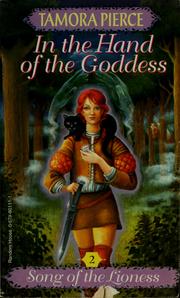
In the Hand of the Goddess
Alanna, still disguised as a boy, survives war, court plots, and a death duel as the Goddess's chosen warrior in the second Song of the Lioness book.
2,018-word summary · 9 min read
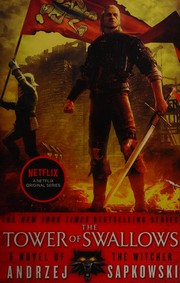
The Tower of the Swallow
Ciri flees as a bandit while Geralt gathers allies to find her.
2,580-word summary · 11 min read
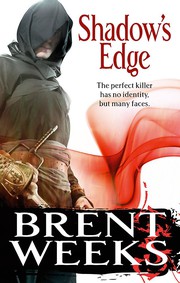
Shadow's Edge
Kylar fakes death as a king killer while Vi hunts him for the Godking.
2,245-word summary · 10 min read
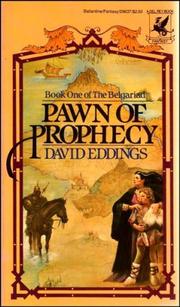
Pawn of Prophecy
Farm boy Garion learns sorcerers watch him as an old Orb wakes.
2,331-word summary · 10 min read
New Spring
Moiraine and Lan hunt the newborn Dragon before the Black Ajah finds him.
2,475-word summary · 11 min read
A Winter's Promise
Ophelia reads objects and is sent to marry Thorn on a cold ark.
2,502-word summary · 11 min read
Stone of Tears
After the veil tears, Richard seeks training from the Sisters while Kahlan holds a fracturing Midlands and Zedd hunts the missing Stone.
2,483-word summary · 11 min read
The Farthest Shore
Archmage Ged and Prince Arren sail to the far west to stop Cob, whose bid for endless life drains magic across Earthsea in Le Guin's sad 1972 third volume.
2,800-word summary · 12 min read