
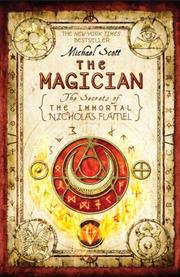
The Magician
2,162-word summary 10 min read 461 pages in the book
- First published
- 2008
- Publisher
- Delacorte Press
- Pages
- 461
- ISBN
- 9780385737289
- Series
- The Secrets of the Immortal Nicholas Flamel (#2)
Reading options
What's inside (12 sections)
I read The Magician in two evenings, which is exactly how the book wants to be read. It is the second volume in Michael Scott's six-book series, The Secrets of the Immortal Nicholas Flamel, and it picks up almost exactly where The Alchemyst left off. The twins are in Paris. The villains are closing in. The world is in danger. The chapters are short, the cliffhangers are frequent, and the historical cameos arrive on schedule.
Delacorte Press published the novel in the United States in 2008. The edition I used runs 461 pages and carries the ISBN 9780385737289. Doubleday published it in the United Kingdom. It was nominated for an Irish Book of the Year Award in the senior children's category. The series is aimed at young adult readers, but it has a large adult following, and it is easy to see why. It is fast, inventive, and built on a premise that is irresistible if you like history and fantasy: what if the famous people of the past were still alive, still fighting, and still keeping secrets?
The sequel problem
Sequels have a difficult job. They have to remind readers what happened before without boring them, and they have to raise the stakes without repeating the first book. The Magician handles the first task efficiently. The Alchemyst introduced Nicholas Flamel, the real fifteenth-century alchemist, and his wife, Perenelle. It introduced the twins, Sophie and Josh Newman, who are fifteen and have latent magical powers. It introduced Dr. John Dee, the Elizabethan magician, who wants to bring the Dark Elders back to power. It introduced Scathach, the warrior from Celtic myth, and Hekate, the goddess of three faces.
The Magician assumes you remember all of that. It does not spend much time on recap. It drops the reader into Paris and keeps moving. The effect is exhilarating if you have read the first book and confusing if you have not. This is not a series that welcomes latecomers. Start with The Alchemyst.
The stakes are higher this time. Nicholas and Perenelle are running out of time. Their immortality depends on a recipe from the Codex, the Book of Abraham the Mage, and Dee has stolen most of it. The twins are the only people who can stop him, but they are still learning how to use their powers. The Dark Elders are waking up. The clock is ticking. Scott uses that pressure to keep the pages turning.
Paris and the chase
The Paris setting is the book's best decision. The city is a character in its own right: the narrow streets, the old buildings, the catacombs, the river, the gargoyles. Scott knows how to use a landmark. The Eiffel Tower, the Louvre, and the Cathedral of Notre-Dame all appear, but they are more than postcards. They are places where magic happens and people get hurt.
The plot is a chase. Sophie, Josh, Nicholas, and Scathach are trying to find Saint-Germain, an immortal who was once Nicholas's student. Machiavelli, the Italian philosopher and diplomat, is trying to capture them for the Dark Elders. Dee is also in Paris, and he and Machiavelli are rivals as much as allies. The three-way pursuit gives the book a structure that is easy to follow and hard to put down.
The action is cinematic. Scott writes short chapters that often end with a reveal or a threat. The prose is not fancy. It is built for speed. That is not a criticism. The book is trying to be a page-turner, and it succeeds. The set pieces are imaginative: a battle in a rock club, a chase through the catacombs, a fight with animated statues. The gargoyle battle at the end is the best of them. It is absurd in a way that is completely committed, and it works.
Sophie and Josh
The twins are the heart of the series, and The Magician gives them separate paths. Sophie is learning to control the magic she received from Hekate in the first book. She also carries the memories of the Witch of Endor, an ancient sorceress, and those memories are crowding her own. Joan of Arc, who is alive and married to Saint-Germain in this version of history, helps Sophie sort through them. Joan is a good teacher because she understands what it is like to have a public identity that does not match your private self.
Josh is the other half. He has always been the skeptical twin, the one who distrusts Nicholas and questions the adults. In Paris, his magic is awakened by Mars Ultor, the Roman god of war, who gives him military knowledge and a sword called Clarent. Clarent is the twin of Excalibur, and it is a weapon with a history. Josh's transformation is the book's most interesting character arc. He gains power, but he also gains a reason to be afraid of himself.
The twins' relationship is the emotional core. They love each other, but they are growing apart. Sophie is more willing to trust the Flamels. Josh is more suspicious. The book plants seeds of conflict that pay off later in the series. It does not resolve them here. That is a smart choice. A good sequel should leave the characters changed but not finished.
The adults
Nicholas Flamel is a complicated mentor. He is brave, resourceful, and genuinely committed to saving the world. He is also secretive, manipulative, and willing to sacrifice the twins if the math requires it. The book does not hide those flaws. Josh sees them clearly, and his distrust is justified. Nicholas is not a wise old wizard who always knows best. He is a man who has been making hard choices for centuries and has learned to justify them.
Scathach is the series' best supporting character. She is a warrior, a vampire, and a teacher. She is also funny in a dry, dangerous way. Her history with the Disir, the three Valkyries who hunt her, gives the book a personal vendetta that is more compelling than the main plot. When she is captured by Dagon, a fish-like creature who serves Machiavelli, the loss is felt. Scathach is the person who makes the twins feel safe, and her absence raises the stakes.
Machiavelli is a better villain than Dee in this book. He is subtle, patient, and genuinely intelligent. He does not want to destroy the world. He wants to restore the old order, and he believes the Dark Elders are the only ones who can do it. His confidence makes him frightening. Dee, by contrast, is more of a blunt instrument. He is powerful, but he is also predictable. The rivalry between the two men is one of the book's pleasures.
Perenelle on Alcatraz
The best storyline in The Magician is not in Paris. It is on Alcatraz, where Perenelle Flamel is being held prisoner. Dee has left her there, and the island is guarded by ancient monsters. Perenelle is stripped of her magic by the Sphinx, a creature that absorbs power. She is alone, aging, and vulnerable.
She does not give up. She explores the island, befriends the ghost of Juan Manuel de Ayala, a Spanish sailor who discovered and named Alcatraz, and finds an ally in Areop-Enap, a spider-like Elder imprisoned beneath the island. Together, they find a way to fight back. The Morrigan, the Crow Goddess, arrives to kill Perenelle, and the battle that follows is strange, creepy, and satisfying.
Perenelle's storyline is the book's emotional anchor. She is not a damsel waiting to be rescued. She is a strategist, a fighter, and a woman who refuses to be afraid. Her relationship with Nicholas is tested by distance and danger, but it remains the strongest love story in the series. The fact that she is separated from the main action makes her chapters feel like a secret bonus. They are the best-written sections of the book.
The catacombs and the gargoyles
The catacombs sequence is the novel's centerpiece. Sophie, Josh, Nicholas, and their allies go underground to find Dee and Machiavelli. The tunnels are dark, narrow, and full of bones. The atmosphere is genuinely eerie. Scott uses the setting well. The silence, the dripping water, and the sudden appearance of enemies create a sense of claustrophobia that the open streets of Paris cannot.
Mars Ultor appears in the catacombs. He is the Roman god of war, and he is not friendly. He tests Josh, awakens his magic, and gives him Clarent. The scene is one of the few places in the book where the magnitude of the powers involved becomes clear. Mars is ancient, dangerous, and indifferent to human concerns. Josh is a fifteen-year-old boy. The gap between them is the point.
The escape from the catacombs leads to the gargoyle battle. Dee and Machiavelli animate the statues of Paris, and the twins, Saint-Germain, and Joan have to fight them. The scene is pure spectacle. It is also a good example of how the series handles magic: it is visual, physical, and a little ridiculous. The books are not interested in building a rigorous system of rules. They are interested in creating memorable images. The gargoyles are memorable.
The title
The title refers to John Dee, not to Saint-Germain or Nicholas. Scott has said that Dee was the original hero of the series, and that he was known in his own time as "the Magician." That is a useful piece of context. Dee is not a cardboard villain. He is a brilliant, bitter man who believes he has been denied the respect he deserves. His fall from grace is the series' long tragedy.
The title also suggests a theme. Magic in these books is not a neutral tool. It is a source of power that corrupts the people who use it. Dee is a cautionary example. Nicholas is another. The twins are at the beginning of that road, and the reader can see the choices ahead of them. The book does not moralize, but it does plant the question: what kind of person do you become when you can do anything?
What works and what does not
The pace is excellent. Short chapters, frequent twists, and a clear goal keep the reader moving. The book is ideal for reluctant readers. It is also a good choice for adults who want something light and entertaining between heavier books.
The historical cameos are fun. Saint-Germain is a rock star. Joan of Arc is a warrior. Machiavelli is a spymaster. Mars Ultor is a god with a grudge. The series treats history as a playground, and that is part of its charm. Readers who know the real history will enjoy the references. Readers who do not will learn a little without feeling lectured.
Perenelle's chapters are the best in the book. They are darker, stranger, and more emotionally grounded than the Paris sections. The Alcatraz setting is original, and the spider Elder is a genuinely creepy creation. Perenelle is a great character, and the book knows it.
What does not work
The twins are still a little bland. Sophie is defined by her powers and her protective instincts. Josh is defined by his suspicion and his sword. They are likable, but they are not as vivid as the adults. The series has a large cast, and the twins sometimes get lost in it.
The writing is functional rather than beautiful. Scott is good at plotting and bad at prose. The sentences are short and plain. That is fine for the genre, but it means the book does not reward close reading. It is a snack, not a meal.
The cliffhanger ending is manipulative. The book stops in the middle of the action to make the reader buy the next volume. That is a commercial choice, and it works, but it is not satisfying as a standalone novel. The Magician is one chapter in a longer story, not a complete book.
Who it is for
This is a book for young adult readers who like fantasy, mythology, and fast-paced adventure. It is for fans of Percy Jackson, Artemis Fowl, and Rick Riordan's other series. It is also for adults who enjoy historical fantasy and do not mind simple prose.
It is not a deep book, and it is not a literary one. It is a roller coaster. If you want complex characters and beautiful sentences, look elsewhere. If you want a fun, cinematic adventure with immortal historical figures and a talking sword, this is exactly what you are looking for.
I enjoyed it. It is not the kind of book that stays with me for months, but it is the kind of book that makes a long train ride pass quickly. The Paris sections made me want to visit the catacombs. The Alcatraz sections made me want to read the next book. That is enough.
FAQ
Is The Magician the second book in a series?
Yes. It is book two in The Secrets of the Immortal Nicholas Flamel, after The Alchemyst.
Who is the Magician in the title?
The title refers to Dr. John Dee, the Elizabethan magician and the series' main antagonist.
Does The Magician end on a cliffhanger?
Yes. It ends with Flamel and the twins escaping to London while Perenelle remains trapped on Alcatraz.
Similar books
More from The Secrets of the Immortal Nicholas Flamel first, then related titles.
The Alchemyst
Twins Sophie and Josh learn their boss is Flamel as Dee steals the Codex minus two pages.
2,085-word summary · 9 min read
Children of Blood and Bone
White haired Zelie chases magic return with princess Amari hunted by Inan.
2,027-word summary · 9 min read
The Thief
A boastful young thief is pulled from a prison to steal a legendary stone for the king's magus, and the story he tells about himself is not the whole story.
2,514-word summary · 11 min read

Inkdeath
The final Inkworld novel sends Mo into the land of the dead, leaves Meggie choosing between two boys, and ends the Adderhead's immortality with three written…
2,062-word summary · 9 min read

Lioness Rampant
Alanna searches for the Dominion Jewel with the Shang Dragon, then returns to Tortall to face Duke Roger at Jonathan's coronation.
2,478-word summary · 11 min read

The Siren
Saved from a shipwreck in 1930, Kahlen becomes a siren who sings men to their deaths for the Ocean, until a boy in a college library makes her want a life she…
2,369-word summary · 11 min read

The Golem's Eye
Two years after The Amulet of Samarkand, Nathaniel is a rising bureaucrat, Bartimaeus is his unwilling servant again, and something made of clay is tearing…
2,299-word summary · 10 min read
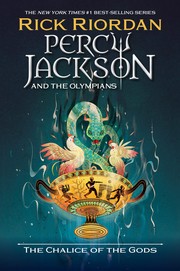
The Chalice of the Gods
Percy needs three recommendation letters from three gods to apply to college, so his first quest is recovering a stolen chalice from the god of old age.
2,106-word summary · 9 min read
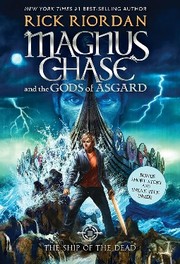
The Ship of the Dead
Magnus and his crew sail to the edges of the Norse worlds to stop Loki from launching Naglfar, the ship of the dead.
2,426-word summary · 11 min read

The Rose & the Dagger
Shahrzad is pulled from her Caliph husband and left in a desert camp of rebels, needing to break his curse and end a war before it ends her.
2,520-word summary · 11 min read

The Queen of the Tearling
Nineteen-year-old Kelsea leaves the woods to take her throne, ends a shipment of human captives, and draws the Red Queen's revenge.
2,357-word summary · 10 min read

We Hunt the Flame
In a fractured Arabia-inspired world, a disguised huntress and a prince-assassin race to find a magic-restoring book and confront an ancient evil.
2,195-word summary · 10 min read
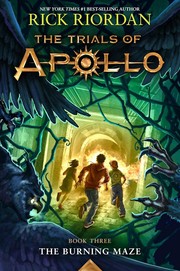
The Burning Maze
Apollo, still trapped in a mortal teenager's body, follows a dangerous prophecy through the Labyrinth with Meg and Grover as the Triumvirate's grip tightens.
2,248-word summary · 10 min read

Lore
Lore Perseous, the last of a hunted bloodline, is pulled back into the Agon when a wounded Athena offers her revenge against the god who killed her family.
2,188-word summary · 10 min read
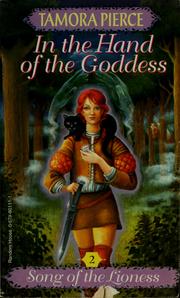
In the Hand of the Goddess
Alanna, still disguised as a boy, survives war, court plots, and a death duel as the Goddess's chosen warrior in the second Song of the Lioness book.
2,018-word summary · 9 min read
A Fate Inked in Blood
In Norse-inspired Skaland, a fish gutter hiding a goddess's blood is claimed by a jarl, bound by oath, and guarded by the son she cannot want.
1,971-word summary · 9 min read
Furies of Calderon
Furyless Tavi defends Calderon Valley when the Marat return and lords scheme.
2,587-word summary · 11 min read
A Winter's Promise
Ophelia reads objects and is sent to marry Thorn on a cold ark.
2,502-word summary · 11 min read
The Hammer of Thor
Magnus and Sam chase Thor's stolen hammer to a giant wedding heist, with Alex Fierro joining Floor Nineteen as Loki bargains and Ragnarok stirs.
3,068-word summary · 14 min read
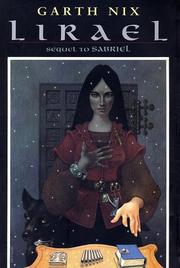
Lirael
A Sightless Clayr girl and a prince afraid of Death join the Dog and Mogget to stop necromancers from waking the Destroyer Orannis at the Red Lake while old…
2,692-word summary · 12 min read
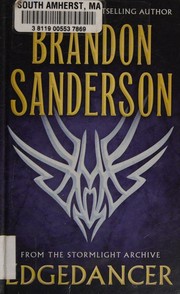
Edgedancer
Hungry street thief Lift and her vine-like friend Wyndle cross the Herald Nale in Tashikk when a child emperor shows Radiant signs and she refuses to step…
2,328-word summary · 10 min read
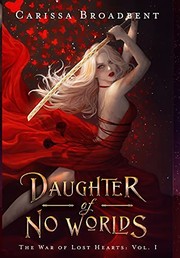
Daughter of No Worlds
A former slave with rare magic hires exiled warrior Max to train her for a daring rescue, sparking slow burn love and wider war in this big 520-page fantasy…
2,529-word summary · 11 min read
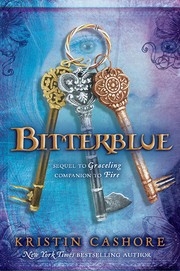
Bitterblue
Eighteen-year-old Queen Bitterblue sneaks out to learn why Monsea still suffers after Leck, facing court lies, ciphers, and trials in Cashore's rich third…
2,686-word summary · 12 min read
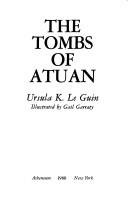
The Tombs of Atuan
Priestess Arha guards dark Tombs until wizard Ged comes to steal back ring.
2,043-word summary · 9 min read
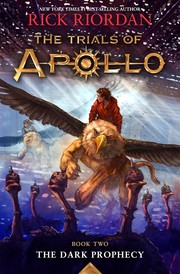
The Dark Prophecy
Mortal Apollo and Leo cross America to free the Oracle as Commodus hunts them.
2,368-word summary · 11 min read
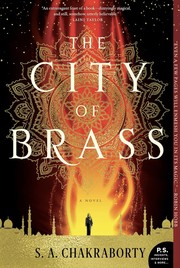
The City of Brass
Cairo con artist Nahri summons djinn Dara and is drawn to Daevabad where Ali questions pureblood rule.
1,993-word summary · 9 min read

The Amulet of Samarkand
Boy magician Nathaniel summons djinn Bartimaeus to steal the Amulet and stop Lovelace's coup in London.
2,350-word summary · 10 min read
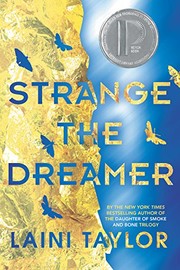
Strange the Dreamer
Orphan librarian Lazlo Strange joins a quest to the lost city of Weep, where blue-skinned godspawn haunt dreams.
2,221-word summary · 10 min read
Inkspell
Meggie and Farid read themselves into the Inkworld, where Mo is wanted as the Bluejay and words can wound.
2,406-word summary · 11 min read
Alanna: The First Adventure
Twins swap roles so Alanna trains as boy page Alan for knighthood while Thom studies sorcery.
2,107-word summary · 9 min read