
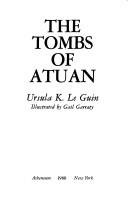
The Tombs of Atuan
2,043-word summary 9 min read 163 pages in the book
- First published
- 1971
- Publisher
- Atheneum
- Pages
- 163
- ISBN
- 9780689206801
- Series
- Earthsea Cycle (#2)
Reading options
What's inside (6 sections)
I read The Tombs of Atuan right after A Wizard of Earthsea and found it quieter, darker, and in some ways better. Atheneum published it in 1971, a 163 page hardcover with ISBN 9780689206801. It is Earthsea Cycle book two, after A Wizard of Earthsea. Tenar, taken young as priestess Arha, guards the Tombs until Ged comes to steal back a ring. If you like slow fantasy about unlearning darkness, this is essential. At 163 pages, it reads in two sittings and stays for years.
Tenar is taken at five because she was born on a dark night. Priests claim she is the reborn High Priestess. They take her name, home, hair. She becomes Arha, the Eaten One, servant of the Nameless Ones, ancient powers older than gods of Earthsea. She grows in the Place, a desert temple complex with tombs, labyrinth, dancing floor. Priestesses teach her rites, punishments, songs. Kossil, hard priestess, watches. Thar, kinder, teaches. Arha learns the Great Labyrinth by heart, every turn, trap, door. She kills intruders without doubt because duty says. Power over life and death at fourteen feels normal. That normalization chills more than monsters. Le Guin shows indoctrination from inside, patiently, without villain speeches. Just routine. That is how it works.
Ged, Sparrowhawk now Archmage? Actually young wizard still, comes to steal the lost half of Erreth Akbe ring hidden in Tombs treasury. He seeks to reunite archipelago peace. He enters Labyrinth with light and is caught. Arha finds him, starves him in a cell, debates killing. He speaks her true name, Tenar, which no one has said in years. That naming cracks everything. She remembers being a girl who loved red cloth. He offers stories of forests, seas, dragons. She brings food though rules forbid. Their slow trust in darkness is the book heart. No romance. Just two young people teaching each other light.
Darkness and names
Darkness in Tombs is theological, not just absence. The Nameless Ones are old, hungry, real. They grant priestesses power to kill, to command. They demand service and eat identity. Arha serves faithfully until Ged light shows alternative. Le Guin, who thought deeply about religion, does not mock faith. She distinguishes gods who ask from powers that take. Roke gods of Earthsea balance. Nameless take. Arha learns difference by feeling empty after rites that once thrilled. That emptiness is data. Pay attention to spiritual emptiness, the book says. It signals wrong worship. Leave, even if leaving means desert with no water. Better thirsty and named than fed and eaten.
Names carry all Earthsea magic and here carry freedom. Arha is a title that eats. Tenar is a girl who can leave. Ged tells her true name to return self. She tells his? Actually she learns Ged is Sparrowhawk? She calls him Ged, which he permits in trust. That mutual naming binds them as equals, not priestess prisoner. When they flee, they must speak door words with true names. Speaking true in dark places opens. Lying seals. The Labyrinth itself responds to naming. Corridors shift for the Eaten One but hold for Tenar who remembers girlhood. Identity as map. Lose name, lose way. Find name, find exit. Teach kids this. Names matter. Use them kindly. Do not rename others for power. Call them as they wish. Doors open.
The Labyrinth as place deserves detail because Le Guin maps psychology in stone. Upper halls for rites, bright with torches. Undertomb for old bones, dark and cold. Great Treasury with ring half. Painted Room with forbidden images. Each chamber teaches Arha history she was denied. The Tombs predate Kargish gods. They hold Earthsea old powers. Walking with Ged light, she sees for first time. Dust, cracks, chains. Splendor was shadow play. That disillusionment mirrors growing up in closed systems. Homeschool? Actually cults, strict sects, abusive homes all fit. Light hurts before it frees. Stay with hurt. Keep walking. Exit exists though no one mentioned. Trust the wizard who knows darkness from his own shadow days. He does. That is why Ged, not any hero, can guide. He was lost too.
Escape and unmaking close the book with earthquake, not battle. Joining the ring halves breaks the Tombs binding. Stones fall. Nameless howl. Arha and Ged run holding light. They emerge into desert sun blinded. The Place empties. Priestesses flee or die. Kossil chooses dark to end. Thar chooses life though broken. Arha becomes Tenar again with nothing, no home, no gods, only Ged friendship and a ring whole. Ged offers to take her to Roke? Actually to Havnor? He offers choices. She chooses to learn living first. That open ending respects trauma. No quick adoption. Just desert, sun, and a name. Enough to start. Later books return to Tenar grown. Remember her here, blinking, free, scared. Freedom feels like fear at first. Walk anyway.
Why it matters
The book matters for fantasy because it centers a girl unlearning, not a boy conquering. After Ged hero book, Le Guin turns to his opposite. Tenar has no magic. She has duty and doubt. Her victory is leaving, not winning. That quiet subversion influenced generations. Modern grimdark often misses the point by adding gore. Le Guin adds interiority. What does it feel to kill for gods at fourteen. Empty. What does it feel to be named after years. Like water. Those feelings teach more than battles. Teach them to teens ready for thought. Ages ten and up can handle with guidance, though ritual darkness scares. No explicit content. Just dread and light. Perfect for thoughtful middle grade graduates.
Fair criticism notes pace. At 163 pages, middle labyrinth wanders. Rites repeat. Tunnels blur. Readers wanting dragons should wait. One dragon? Actually none here. Magic is small, light spells, door words. Action is escape, not duel. Some find it slow. I found it meditative after reread. First read at twelve I skimmed tunnels. At thirty I savored. The book grows with reader. That is classic sign. Keep it on shelves. Return after Earthsea weiter? Actually after Tehanu where Tenar returns grown. Arc completes across decades. Patience pays across books as well as pages.
Who should read. Ages ten and up with guidance fits, though ritual darkness needs context. Fans of Earthsea must read in order. Pair with Wizard before, Farthest Shore after for Ged arc. Read with light on for tomb chapters. Note names as you go. Arha versus Tenar. Track when each used. You will see self return word by word. That tracking is the book lesson in miniature. Call people true names. Watch them find exits. Be Ged for someone in dark. Bring light, food, stories. Do not force. Wait. Doors open from inside when named. Tenar teaches. Learn.
Kossil, Thar, and leaving
Kossil and Thar as priestess poles deserve attention because they show choices within closed systems. Kossil, hard, ambitious, loves the Nameless for power they give her over life and death. She enforces rites cruelly and plots to keep Arha controlled. Thar, kinder, older, remembers girlhood before temple and doubts quietly. She teaches Arha songs with double meanings. She leaves doors unlocked once. Neither rebels openly. Both shape Arha differently. Kossil teaches fear works. Thar teaches kindness persists even inside. When escape comes, Kossil chooses dark to end, Thar chooses life though broken. Those endings argue that even in total places, small choices matter. Be Thar where you can. Leave a door unlocked. Teach a song with hope hidden. Someone young listens and remembers on the night she runs. Your small mercy becomes her map. Do not underestimate kitchen kindness in temples of dread. It saves more than sermons.
Leaving as victory needs underlining because fantasy usually rewards conquering. Tenar wins by abandoning power, not seizing. She was Eaten One with life and death rights. She leaves to be nobody with a name. That trade looks like loss to priests. To readers it is gain. Le Guin argues freedom outweighs status, even divine status. Modern readers raised on empowerment through power may need this lesson. True power here is walking away from altar. Try it with roles that eat you. Titles, cliques, jobs that demand worship. Leave though scared. Desert waits with sun. Ged waits with light, not orders. Walk with those who call your true name. Refuse those who only use title. Arha stays in tombs. Tenar leaves. Be Tenar when systems name you Eaten. Eat no more. Live. The desert is wide and kind to those who choose. First steps blind. Keep walking. Light follows.
Light, rings, and return
Ged light in darkness needs craft note because Le Guin writes magic as presence, not fireworks. A word and a staff glow. Shadows retreat but do not vanish. Light costs strength. Ged tires holding it while Tenar walks. He dims to save. That dimming teaches that power shares, not shows. When Tenar first sees Ged lit face in cell, she fears and longs. No one glowed for her before, only torches that burn. His light does not demand worship. It offers sight. She takes food from his hands in that light. Simple bread tastes like freedom because seen clearly. Remember light as care in dark places of life. Bring lamp, not lecture, to friends in tombs. Sit with them. Glow steady. They will find doors themselves. Ged knows. He waits more than leads. Follow his model when helping. Less pulling. More glowing. Doors open from inside, but light helps find handles.
Ring of Erreth Akbe as joined halves closes plot with symbolism worth holding. Broken for generations, half in Tombs, half with Ged? Actually Ged seeks to reunite to heal archipelago rift. Joining requires Tenar trust to carry her half out. She does, though it means Tombs fall and gods die. That choice destroys her home to save world. Heavy and right. When halves join, light flares, stones fall, Nameless scream. Tenar does not look back like Orpheus. She runs forward holding Ged hand. That forward run is the book final image before desert sun. Carry it. Some homes must fall to free. Tombs, titles, cages all kinds. Join what was broken in yourself to break what binds. Ring whole means Tenar whole, Ged whole, archipelago healing. Personal and political join like ring halves. Click felt more than heard. Wear it lightly after. It marks survivor, not queen. Tenar wears no crown after. Just name. Enough. Reread across decades as I did. At twelve, Tombs scared. At thirty, moved. At fifty, Tehanu will complete. For now, hold Tenar blinking. Free and scared. Walk with her a little. Then let her go ahead. She knows way now. So do you, after reading. Name truly. Leave kindly. Live.
Rereading across decades rewards as few books do. At twelve, Tombs scared me with dark halls. At thirty, it moved me with Arha silence. At fifty, Tehanu will complete Tenar arc as woman grown, but that is later. For now, hold Tenar blinking in sun. She has nothing. She has name. She has friend who waits without demanding. Enough to start. Give the book to thoughtful teens ready for slow dread. Read together if possible. Discuss when to leave places that claim you. Practice naming each other truly at home. Doors open from inside. Help hold light at threshold while they find way out. That holding is Ged work we all can do. Bring food. Tell stories of forests. Wait. They come.
Ged light in darkness teaches more than spells. A word and staff glow. Shadows retreat but do not vanish. Light costs strength. Ged tires holding it while Tenar walks. He dims to save. That dimming teaches power shares, not shows. When Tenar first sees Ged lit face in cell, she fears and longs. No one glowed for her before. His light does not demand worship. It offers sight. She takes food from his hands in that light. Simple bread tastes like freedom because seen clearly. Remember light as care in dark places. Bring lamp, not lecture, to friends in tombs. Sit with them. Glow steady. They will find doors themselves. Ged knows. He waits more than leads. Follow his model when helping. Less pulling. More glowing. Doors open from inside, but light helps find handles.
FAQ
When was it published?
Atheneum published it in 1971. The hardcover runs 163 pages with ISBN 9780689206801.
Is it part of a series?
Yes. It is Earthsea Cycle book two, after A Wizard of Earthsea.
What age is it for?
Ages 10 and up fits best. There is ritual darkness and mild peril.
Similar books
More from Earthsea Cycle first, then related titles.
A Wizard of Earthsea
A proud goatherd becomes the wizard Ged, looses a shadow at Roke, and must hunt it across Earthsea to name it. Le Guin's lean 1968 series opener.
2,972-word summary · 13 min read
The Farthest Shore
Archmage Ged and Prince Arren sail to the far west to stop Cob, whose bid for endless life drains magic across Earthsea in Le Guin's sad 1972 third volume.
2,800-word summary · 12 min read
Howl's Moving Castle
Cursed old by the Witch of the Waste, hatmaker Sophie Hatter talks her way into wizard Howl's moving castle and bargains with fire demon Calcifer to break the…
2,363-word summary · 11 min read

Inkdeath
The final Inkworld novel sends Mo into the land of the dead, leaves Meggie choosing between two boys, and ends the Adderhead's immortality with three written…
2,062-word summary · 9 min read

Lioness Rampant
Alanna searches for the Dominion Jewel with the Shang Dragon, then returns to Tortall to face Duke Roger at Jonathan's coronation.
2,478-word summary · 11 min read

The Golem's Eye
Two years after The Amulet of Samarkand, Nathaniel is a rising bureaucrat, Bartimaeus is his unwilling servant again, and something made of clay is tearing…
2,299-word summary · 10 min read

The Rose & the Dagger
Shahrzad is pulled from her Caliph husband and left in a desert camp of rebels, needing to break his curse and end a war before it ends her.
2,520-word summary · 11 min read

The Queen of the Tearling
Nineteen-year-old Kelsea leaves the woods to take her throne, ends a shipment of human captives, and draws the Red Queen's revenge.
2,357-word summary · 10 min read

We Hunt the Flame
In a fractured Arabia-inspired world, a disguised huntress and a prince-assassin race to find a magic-restoring book and confront an ancient evil.
2,195-word summary · 10 min read
The Sword of Shannara
A young half-Elf and a company of companions set out to recover a magic sword before the Warlock Lord destroys the Four Lands.
2,474-word summary · 11 min read
The Magician
Sophie and Josh flee to Paris with Nicholas Flamel, where John Dee, Machiavelli, and an awakened god close in on the missing pages of the Codex.
2,162-word summary · 10 min read

In the Hand of the Goddess
Alanna, still disguised as a boy, survives war, court plots, and a death duel as the Goddess's chosen warrior in the second Song of the Lioness book.
2,018-word summary · 9 min read
Furies of Calderon
Furyless Tavi defends Calderon Valley when the Marat return and lords scheme.
2,587-word summary · 11 min read
A Winter's Promise
Ophelia reads objects and is sent to marry Thorn on a cold ark.
2,502-word summary · 11 min read
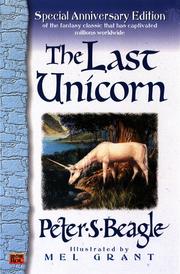
The Last Unicorn
A unicorn learns she may be the last of her kind and sets out to find the others, with a failed magician and a tired woman at her side.
2,245-word summary · 10 min read
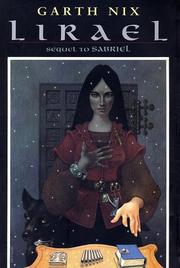
Lirael
A Sightless Clayr girl and a prince afraid of Death join the Dog and Mogget to stop necromancers from waking the Destroyer Orannis at the Red Lake while old…
2,692-word summary · 12 min read
Edgedancer
Hungry street thief Lift and her vine-like friend Wyndle cross the Herald Nale in Tashikk when a child emperor shows Radiant signs and she refuses to step…
2,328-word summary · 10 min read
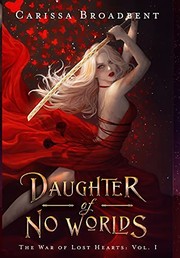
Daughter of No Worlds
A former slave with rare magic hires exiled warrior Max to train her for a daring rescue, sparking slow burn love and wider war in this big 520-page fantasy…
2,529-word summary · 11 min read
Bitterblue
Eighteen-year-old Queen Bitterblue sneaks out to learn why Monsea still suffers after Leck, facing court lies, ciphers, and trials in Cashore's rich third…
2,686-word summary · 12 min read

The Amulet of Samarkand
Boy magician Nathaniel summons djinn Bartimaeus to steal the Amulet and stop Lovelace's coup in London.
2,350-word summary · 10 min read
Strange the Dreamer
Orphan librarian Lazlo Strange joins a quest to the lost city of Weep, where blue-skinned godspawn haunt dreams.
2,221-word summary · 10 min read
Inkspell
Meggie and Farid read themselves into the Inkworld, where Mo is wanted as the Bluejay and words can wound.
2,406-word summary · 11 min read
Alanna: The First Adventure
Twins swap roles so Alanna trains as boy page Alan for knighthood while Thom studies sorcery.
2,107-word summary · 9 min read
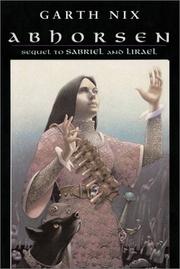
Abhorsen
Lirael as Abhorsen-in-Waiting must bind the Destroyer Orannis with Sam, Dog, and Mogget.
2,214-word summary · 10 min read
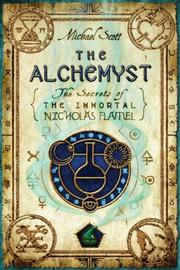
The Alchemyst
Twins Sophie and Josh learn their boss is Flamel as Dee steals the Codex minus two pages.
2,085-word summary · 9 min read
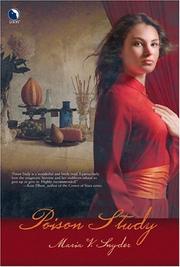
Poison Study
Sentenced to die, Yelena becomes the Commander's poison taster and learns survival in Ixia has a daily price.
2,501-word summary · 11 min read
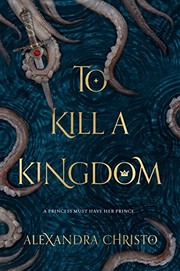
To Kill a Kingdom
A siren princess turned human must steal a siren-hunting prince's heart to win back the sea.
2,248-word summary · 10 min read

Fire
A human monster who reads minds is pulled into war in the Dells and must decide how to use her power.
2,727-word summary · 12 min read
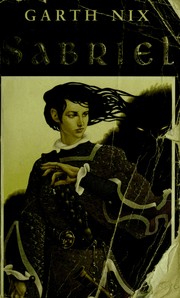
Sabriel
A girl who grew up outside the magic kingdom must take up her father's bells and sword to stop the dead from rising.
2,021-word summary · 9 min read
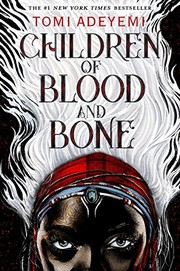
Children of Blood and Bone
White haired Zelie chases magic return with princess Amari hunted by Inan.
2,027-word summary · 9 min read