
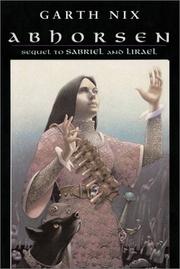
Abhorsen
2,214-word summary 10 min read 368 pages in the book
- First published
- 2003
- Publisher
- HarperCollins
- Pages
- 368
- ISBN
- 9780060278250
- Series
- Old Kingdom (#3)
Reading options
What's inside (8 sections)
I read Sabriel as a teen and waited years to finish the trilogy, then found Abhorsen heavier and stranger than memory. Garth Nix published it January 7, 2003 with HarperCollins, a 368 page hardcover with ISBN 9780060278250. It is book three of the Old Kingdom trilogy, after Sabriel and Lirael. It closes the original arc about the Destroyer Orannis, though later books continue the world. Go in having read Lirael. This one starts mid siege and rarely pauses.
When we left, Lirael, second daughter of the Clayr, had accepted she is not a Seer but the Abhorsen in Waiting. Sameth, son of Sabriel and King Touchstone, had faced his fear of Death and helped forge a new sword. Sabriel and Touchstone sailed to deal with rebels and vanished. The Dead stir. Chlorr of the Mask and Hedge, necromancers serving Orannis, dig for the final binding pieces. If Orannis, the Destroyer who was bound at creation, wakes fully, Life ends. Not a kingdom. Everything.
Abhorsen opens with the House besieged. The Abhorsen House on the river, with its wall, well, and bells, is attacked by Dead Hands while Lirael, Sam, the Disreputable Dog, and Mogget the cat try to hold. They have little sleep. They have less help. Messages do not get through. The Clayr glacier sees many futures and none clear. The King is missing. The Abhorsen is missing. Two young people must do what legends did.
Lirael takes the bells
Lirael carries the book. She spent Lirael feeling wrong, too tall, too dark haired among fair Clayr, no Sight. Now she has purpose and it terrifies her. She wears the bell bandolier, seven bells from Ranna to Astarael, each with a voice that can bind or free the Dead, each dangerous to the ringer. She practices while walking. She rings small bells to hold doors. She fears the larger ones that can throw her into Death. Nix writes bell magic with physical cost. Noses bleed. Hands shake. Ringing Saraneth wrong can bind the ringer instead of the Dead.
Her growth is quiet. She stops apologizing for not being a Seer. She learns to ask the Dog for help without shame. She learns to order Sam when needed and to listen when he is right. One strong scene has her choose to enter Death to save Sam rather than guard the House. It breaks protocol. It saves them both. Her aunt, the Clayr elders, would disapprove. The Dog approves, which matters more. Lirael stops waiting for permission from visions and acts on present need.
Sam carries fear openly. He is a prince who hates necromancy after his friend Nick was possessed. He broke his sword and his confidence. In Abhorsen he rebuilds both. He reforges a blade with the help of the Dog, using Charter magic and plain smith work. He learns to wear the bells as backup, not lead. He protects Lirael back in Life while she walks in Death. His chapters show siege work, boiling oil, Charter marks on walls, carrying wounded, falling asleep standing. He is brave the way tired teens are brave, by doing the next task.
The Disreputable Dog and Mogget steal every scene they enter, as usual. The Dog, a Free Magic creature bound in dog shape, loves Lirael fiercely and hides grief about her own fading. Mogget, white cat with red collar, sarcastic and bound, slips the collar at dangerous times and becomes something vast and unbound. Their bickering covers old love and old crimes. Late reveals about who they were before binding reframe Sabriel entirely. I will not spoil. Their choice at the end, to stay bound for love rather than seek freedom, moved me more than any battle.
Death and the binding
Nix Death is a place, not an end. Nine gates, each deeper river with different current, from the calm shallows of the First Gate to the final darkness beyond the Ninth where even Abhorsens fear to go. The Dead press back toward Life. Necromancers use bells, drums, and blood to call them. The Charter is the ordered magic of Life that holds them back. Free Magic is wilder, older, neither good nor evil but dangerous to use.
Abhorsen dives deep into this system. Lirael walks to the Seventh, Eighth gates seeking pieces of Orannis binding. She meets Dead who beg, threaten, bargain. She must judge quickly while her body in Life lies still and vulnerable. Sam guards her body while fighting off the living besiegers. The cross cutting between Life siege and Death search creates steady tension. When Lirael hesitates in Death, Sam bleeds in Life. When Sam falters, Lirael feels the cord tug.
Orannis itself is not a villain with speeches. It is a shining destruction that unmakes. Its servants, Chlorr and Hedge, do the talking. Chlorr was once a great Clayr who chose power. Hedge was a sorcerer who chose service. Both believe destruction is freedom. Nix does not debate them long. He shows what they do to villages, to children, to rivers. Their end, when it comes, is not redemption but binding at cost.
The binding of Orannis requires all Seven, bells, bloodlines, and sacrifice. Sabriel and Touchstone return, not as rescue but as parts. Nick, Sam friend possessed for two books, plays a key role that honors his suffering without making him a prop. The final working splits across Life and Death, with each character holding a tone. One falters. Another takes it up. The Dog does what Dogs do. Mogget chooses. Lirael speaks the last words. The cost is real and permanent for at least one beloved figure. I cried at the river, which is embarrassing to admit for a bell book, but true.
Sieges andDetails
The Life battles are muddy and specific. The House wall holds because of Charter stones laid centuries ago and because teenagers carry buckets. Ancelstierre, the non magical south, sends help that arrives late and confused. The King Guard holds a bridge. Paperwing scouts fly messages. Touchstone, when he returns, leads like a king who remembers being a guard, first through doors, last to eat. Sabriel, when she returns, rings like someone who has rung too long and knows the price. Their reunion with Sam is brief and practical. Hug later. Hold now.
Nix worldbuilding shines in small tools. Paperwings, Charter marked boats, bell ropes, necromancer drums made of skin, Dog nose for Free Magic, Mogget naps that are really watches. Food matters. They eat cold mutton, hard cheese, rain water. They sleep in shifts. Magic does not replace logistics. It complicates them. You cannot ring bells while running with a pack. You cannot enter Death while marching. Someone must guard the body. That rule drives plot more than any prophecy.
The middle can feel dense. Gates, bells, bloodlines, hemispheres of Orannis. Readers new to the series will drown. Even returning readers may need notes. Who holds which bell. Which gate they stand at. What Orannis piece is where. Nix trusts you to track. The appendix helps, but flipping breaks pace. I kept a card with bell names and uses. Ranna sleep, Mosrael wake, Kibeth walk, Dyrim voice, Belgaer thought, Saraneth bind, Astarael weep. That list saved me.
Fair criticism also notes Sam romance with Lirael stays thin. They respect each other, rely, maybe love, but the book gives them little time to talk beyond tasks. Nick recovery gets short shrift after long possession. Ancelstierre politics, so rich in Sabriel, barely appear. The book is all Old Kingdom, all siege, all binding. Focus helps climax but narrows world.
Still, the ending satisfies because it pays debts. Lirael, who felt extra, becomes necessary. Sam, who feared magic, uses it wisely. The Dog and Mogget, who joked, choose. Sabriel, who carried alone, shares burden. Touchstone, who ruled, serves. Orannis, who unmakes, is made to sleep, not killed, which fits a world where Death is a river, not an enemy.
The House, the river, and holding
The Abhorsen House itself deserves attention as a character. It sits on an island where river meets sea, with a wall that hums Charter marks, a well that goes deep, a kitchen that feeds whoever arrives. During siege it becomes hospital, barracks, school. Lirael runs messages up stairs she knows blind. Sam mans the wall with boys younger than him. The Dog sleeps across doors so none pass without her nose. Mogget naps on warm stones while listening to drums. The House holds because people tend it, not because stones are magic alone. Nix shows maintenance as heroism. Sweeping Charter marks clear matters as much as ringing bells.
The river crossing late, when Lirael and Sam must reach the binding place, is a strong set piece. They take a Charter marked boat through rain while Dead hands rise from water. Sam rows. Lirael rings Kibeth to make Dead walk. The Dog swims ahead to break currents. Mogget, small and dry in the prow, tells them where to steer by smell. No grand speech. Just row, ring, breathe. When a hand grabs Sam oar, Lirael does not panic. She touches the hand with Saraneth and speaks quietly. The hand lets go. That quiet is scarier and stronger than shouting.
Nick story closes with care. Possessed for two books, used by the Destroyer, he arrives broken and useful. He remembers being ridden and hates his body for it. Sam, who loves him as friend, does not push forgiveness. He gives Nick tasks, carry, watch, run. Work rebuilds him faster than talk. When Nick offers himself as bait for Orannis servants, Lirael refuses at first, then accepts because he insists and because the plan needs him. He lives, which matters. Too many possession stories discard the used. Nix keeps Nick and lets him be tired and alive.
Touchstone and Sabriel return shows how legends parent. They hug Sam hard, then put him back on the wall because the House needs every hand. They treat Lirael as equal Abhorsen, not child. Sabriel gives her a bell and takes it back when Lirael chooses another, without pride. Touchstone takes orders from Lirael in Death matters without flinching, though he is King. That humility from established heroes teaches younger ones more than any lesson. Power listens.
After binding, the river quiets. Dead settle. Bells stop. The Dog sleeps hard for a day. Mogget eats fish and pretends nothing happened. Lirael and Sam sit on the wall sharing bread and not talking about what they saw beyond the Ninth Gate. They will talk later, or not. Some things stay across the river. The House stands, scarred, held. That image, scarred and held, is the trilogy in small.
Bells, gates, and learning cost
Bell lore needs a plain summary because readers drown here. Seven bells, each with a voice and a risk. Ranna puts to sleep, gentle unless rung too long. Mosrael wakes, throwing ringer deeper into Death. Kibeth gives freedom of movement, hard to control. Dyrim stills voices, useful against wights. Belgaer thinks and erases, dangerous to memory. Saraneth binds strong Dead, heavy to hold. Astarael weeps all to the final gate, including ringer. Lirael practices with small bells on Hands, the Dead servants, before facing Greater Dead. Each practice costs nosebleeds and sleep. That cost curve teaches respect faster than lectures.
Gate lore matches. First Gate is misty shallows. Second is cliff and waterfall. Third is fog with hidden paths. Fourth is dark water with things. Fifth rules and bargains. Sixth drowns in current. Seventh holds choice. Eighth drowns memory. Ninth is darkness with stars that are gates closed. Lirael walks to the Seventh and beyond in this book, farther than Sabriel went and lived. Sam holds her body in Life, counting breaths, keeping fire lit. When cord tugs hard, he rings a small bell over her chest to call back. That image, boy ringing over still girl while siege bangs doors, holds the whole series tenderness and terror.
Learning cost extends to Nick. He was ridden by a Free Magic thing for two books. Now free, he flinches at bells. He cannot hear Saraneth without shaking. Lirael does not force him to listen. She writes instructions. He reads and nods. That accommodation, practical kindness for trauma, shows Nix at best. Magic systems often ignore aftermath. Here aftermath drives plot. Nick slowness saves them once because he checks twice where others rush. Slow becomes strength. The book honors that without speeches.
Where to go next
Read Sabriel then Lirael first. Abhorsen assumes you know bells, gates, Clayr, Wall, Charter. After, read Clariel for prequel depth or Goldenhand for continuation. This trilogy end stands alone as climax, but later books deepen Dog and Mogget choices. Ages thirteen and up fits. There is undead horror, body horror, battle death, sacrifice. No explicit sex, mild language. Younger fantasy fans ready for Le Guin will manage. Sensitive readers should know Nick possession scenes ache.
I closed it listening for bells. Not real ones. The idea that each choice rings somewhere. Lirael chose to act without Sight. Sam chose to stay though afraid. The Dog chose to stay bound. Those choices bound a Destroyer better than any spell. Nix argues duty is love with work clothes on. After three books of rivers and bells, I believe him.
FAQ
When was Abhorsen published and how long is it?
HarperCollins published it January 7, 2003. The hardcover runs 368 pages with ISBN 9780060278250.
Is Abhorsen part of a series?
Yes. It is book three of the Old Kingdom trilogy, after Sabriel and Lirael.
What age is Abhorsen appropriate for?
Ages 13 and up fits best. There is undead horror, battle death, and grim sacrifice.
Similar books
More from Old Kingdom first, then related titles.
Sabriel
A girl who grew up outside the magic kingdom must take up her father's bells and sword to stop the dead from rising.
2,021-word summary · 9 min read
Lirael
A Sightless Clayr girl and a prince afraid of Death join the Dog and Mogget to stop necromancers from waking the Destroyer Orannis at the Red Lake while old…
2,692-word summary · 12 min read

Inkdeath
The final Inkworld novel sends Mo into the land of the dead, leaves Meggie choosing between two boys, and ends the Adderhead's immortality with three written…
2,062-word summary · 9 min read

Lioness Rampant
Alanna searches for the Dominion Jewel with the Shang Dragon, then returns to Tortall to face Duke Roger at Jonathan's coronation.
2,478-word summary · 11 min read
The Golem's Eye
Two years after The Amulet of Samarkand, Nathaniel is a rising bureaucrat, Bartimaeus is his unwilling servant again, and something made of clay is tearing…
2,299-word summary · 10 min read

The Rose & the Dagger
Shahrzad is pulled from her Caliph husband and left in a desert camp of rebels, needing to break his curse and end a war before it ends her.
2,520-word summary · 11 min read

The Queen of the Tearling
Nineteen-year-old Kelsea leaves the woods to take her throne, ends a shipment of human captives, and draws the Red Queen's revenge.
2,357-word summary · 10 min read

We Hunt the Flame
In a fractured Arabia-inspired world, a disguised huntress and a prince-assassin race to find a magic-restoring book and confront an ancient evil.
2,195-word summary · 10 min read
The Magician
Sophie and Josh flee to Paris with Nicholas Flamel, where John Dee, Machiavelli, and an awakened god close in on the missing pages of the Codex.
2,162-word summary · 10 min read
In the Hand of the Goddess
Alanna, still disguised as a boy, survives war, court plots, and a death duel as the Goddess's chosen warrior in the second Song of the Lioness book.
2,018-word summary · 9 min read
Furies of Calderon
Furyless Tavi defends Calderon Valley when the Marat return and lords scheme.
2,587-word summary · 11 min read
A Winter's Promise
Ophelia reads objects and is sent to marry Thorn on a cold ark.
2,502-word summary · 11 min read
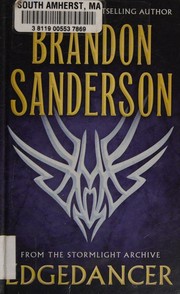
Edgedancer
Hungry street thief Lift and her vine-like friend Wyndle cross the Herald Nale in Tashikk when a child emperor shows Radiant signs and she refuses to step…
2,328-word summary · 10 min read
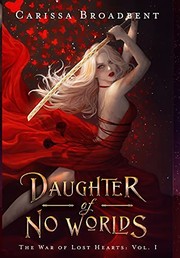
Daughter of No Worlds
A former slave with rare magic hires exiled warrior Max to train her for a daring rescue, sparking slow burn love and wider war in this big 520-page fantasy…
2,529-word summary · 11 min read
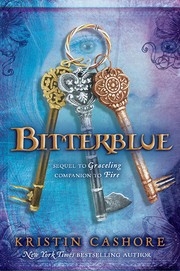
Bitterblue
Eighteen-year-old Queen Bitterblue sneaks out to learn why Monsea still suffers after Leck, facing court lies, ciphers, and trials in Cashore's rich third…
2,686-word summary · 12 min read
The Tombs of Atuan
Priestess Arha guards dark Tombs until wizard Ged comes to steal back ring.
2,043-word summary · 9 min read

The Amulet of Samarkand
Boy magician Nathaniel summons djinn Bartimaeus to steal the Amulet and stop Lovelace's coup in London.
2,350-word summary · 10 min read
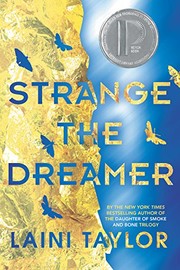
Strange the Dreamer
Orphan librarian Lazlo Strange joins a quest to the lost city of Weep, where blue-skinned godspawn haunt dreams.
2,221-word summary · 10 min read
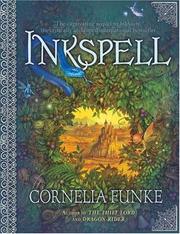
Inkspell
Meggie and Farid read themselves into the Inkworld, where Mo is wanted as the Bluejay and words can wound.
2,406-word summary · 11 min read
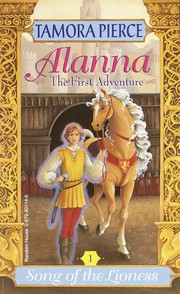
Alanna: The First Adventure
Twins swap roles so Alanna trains as boy page Alan for knighthood while Thom studies sorcery.
2,107-word summary · 9 min read
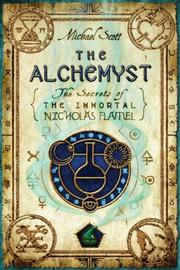
The Alchemyst
Twins Sophie and Josh learn their boss is Flamel as Dee steals the Codex minus two pages.
2,085-word summary · 9 min read
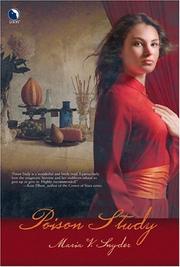
Poison Study
Sentenced to die, Yelena becomes the Commander's poison taster and learns survival in Ixia has a daily price.
2,501-word summary · 11 min read
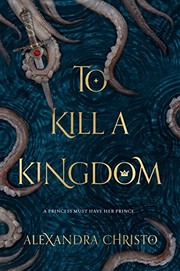
To Kill a Kingdom
A siren princess turned human must steal a siren-hunting prince's heart to win back the sea.
2,248-word summary · 10 min read

Fire
A human monster who reads minds is pulled into war in the Dells and must decide how to use her power.
2,727-word summary · 12 min read
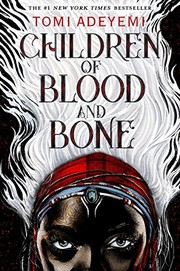
Children of Blood and Bone
White haired Zelie chases magic return with princess Amari hunted by Inan.
2,027-word summary · 9 min read
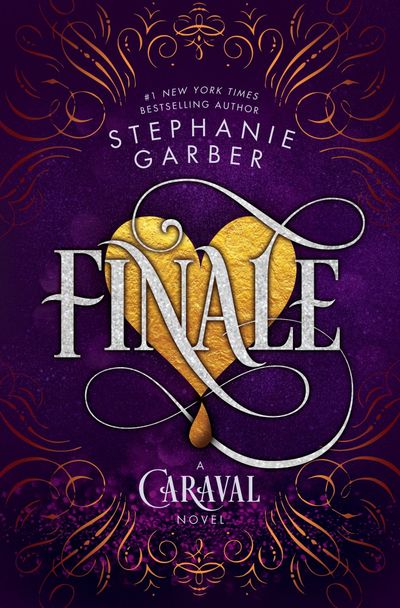
Finale
Sisters face waking Fates with debts due, loving princes, and choices that break immortal math.
1,995-word summary · 9 min read
Howl's Moving Castle
Cursed old by the Witch of the Waste, hatmaker Sophie Hatter talks her way into wizard Howl's moving castle and bargains with fire demon Calcifer to break the…
2,363-word summary · 11 min read
The Subtle Knife
Will finds a window to Cittagazze, meets Lyra, and both hunt the knife that cuts between worlds.
3,227-word summary · 14 min read
Inkheart
Bookbinder Mo reads characters alive and daughter Meggie is pulled into Capricorn's hunt for Inkheart.
2,910-word summary · 13 min read
Graceling
Katsa, Graced with killing, breaks from her uncle's use of her and follows a kidnapped prince toward a hidden king.
2,517-word summary · 11 min read