
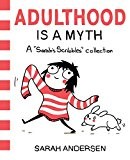
Adulthood Is a Myth
2,424-word summary 11 min read 112 pages in the book
- First published
- 2016
- Publisher
- Andrews McMeel Publishing
- Pages
- 112
- ISBN
- 9781449474195
- Series
- Sarah's Scribbles (#1)
Reading options
What's inside (7 sections)
I picked up Adulthood Is a Myth because a friend kept sending me the comics in messages. One showed a girl canceling plans and sinking into the couch like she had won something. Another showed the exact face I make when someone talks to me before coffee. After the fifth or sixth one, I stopped asking who drew them and just bought the book. It is small, square, and only 112 pages, and I finished it in one sitting on my bed with my phone face down next to me, which felt like the correct way to read it.
The book came out on March 8, 2016 from Andrews McMeel Publishing. It collects comics from Sarah Andersen's webcomic Sarah's Scribbles, which she started posting online around 2011 while she was in art school, plus dozens of new ones made just for the book. It is officially the first volume in the Sarah's Scribbles series. Andersen has said the strips are semi-autobiographical, meaning the girl in the striped sweater is her stand-in but the jokes are pushed a little further for effect. The book later helped her win Goodreads Choice Awards for graphic novels and comics, and you can see why. It reads fast, but a lot of the jokes stick around after you close it.
The art style and why it works
The first thing to say is that the drawings look simple on purpose. Almost everything is black and white line work with gray wash shading. The main character has a round face, big eyes, dark hair pulled into two messy buns, glasses sometimes, and usually an oversized striped sweater. Her boyfriend, when he shows up, is drawn the same way with tousled hair and a plain shirt. The cat is a blob with ears and strong opinions.
Nothing is fussy. Backgrounds are often just a couch, a bed, a laptop, a bathroom mirror. Hands are little mittens half the time. But the expressions carry everything. Andersen stretches faces the way feelings actually feel. Eyes go huge and shiny when the character is excited about staying home. Her whole body deflates into a puddle when she has to make a phone call. When she is anxious at night, she draws herself tiny under a giant blanket while thought bubbles multiply above her head. The simplicity is the point. Because the people look like doodles, you project yourself onto them fast.
The panel layouts stay plain too. Most strips run three to six panels in a grid, read left to right, one joke per page or spread. A few stretch across a full page when the punchline needs room, like the character sprinting home to put pajamas back on. The lettering is hand-drawn and casual, with emphasis words blown up big for comic timing. Words like NOPE or a long sigh sit in the panel like sound effects. If you have ever read webcomics on a phone, the rhythm will feel familiar, except on paper the timing lands better because you turn the page into the punchline instead of scrolling past it.
One detail I liked is how much acting happens without words. There is a recurring bit where the character just stares at the reader with a flat expression while something dumb happens, and that stare does half the joking. Animals get the same treatment. The rabbits and cats in the book look soft and round and then immediately judge her. It never looks slick or over-rendered, and that roughness makes the embarrassing jokes feel safer. She is drawing herself badly on purpose so you feel fine laughing at yourself.
The main theme: being an introvert in a world built for plans
The biggest cluster of comics in the book is about staying in. The Sarah character loves her friends in theory and dreads every step of seeing them in practice. Getting an invitation makes her happy for about four seconds, then the logistics set in. What to wear. How long to stay. Whether she can leave early without looking rude. Whether she can fake a reason to cancel entirely. One strip follows her excitement collapsing in stages as a night out gets closer, until staying home feels like a rescue.
The internet weekends get a lot of pages. She wastes entire Saturdays falling into her laptop, clicking from one thing to another until the sun goes down and she has nothing to show for it except seventeen open tabs and a vague sense of shame. Andersen draws this well. The character starts upright at a desk and ends up horizontal, twisted like a pretzel, eyes glazed, laptop glowing on her stomach. I recognized myself in the one where she keeps saying she will go to bed after one more video and then it is somehow 2 a.m. There is no lecture attached. The joke is just that we all do this and then act surprised the next morning.
Clothes form their own running joke. Bras are the enemy. Going-out clothes are the enemy. The hero outfit of the whole book is an old shirt and soft pants. One of my favorite strips shows the joy of coming home and changing back into pajamas treated like a religious homecoming, arms spread wide, face full of peace. Another shows her trying to look like a functioning adult in a fitted outfit and feeling like she is wearing a costume. Pajamas mean honesty. Everything else is a performance she can only hold for a few hours.
Social contact itself is drawn as physically tiring. Small talk at parties drains her like a phone battery with a red bar. Phone calls are treated as extreme sports. She rehearses what to say, paces, hangs up in her head three times before dialing. Texting is safer but has its own traps, like staring at the three dots while someone types and spiraling about what the reply will be. None of this is framed as a disorder to fix. It reads more like permission. Andersen keeps saying through the jokes that plenty of people feel this way and just never admit it at brunch.
Bodies, periods, and all the stuff nobody posts about
The second big section of the book, and the part that made it famous, is the body honesty. Andersen writes openly about having a body that does not match magazine pictures, and she draws it without flattering angles. There are strips about body hair and the endless cycle of deciding to shave, getting lazy, feeling guilty, and deciding again. There are strips about glasses fogging up, smudging, and sliding down her nose at the worst moment. There is a whole thread about the weirdness of bra fittings, underwires digging in, straps falling down, and the pure relief of taking the thing off at the end of the day.
The period comics hit hardest because they are so plain about it. Cramps that make her curl around a hot water bottle. Cravings that turn her into a different person for an evening. The particular rage of bleeding through something at a bad time. Mood swings drawn as weather changes, sunny one panel and storming the next. She never writes these as tragedy. They sit right next to jokes about pizza and naps, which is exactly how they feel in real life. Annoying, painful, routine, and somehow funny once the worst passes.
Self-image gets a careful touch too. One strip I kept thinking about shows her sucking in her stomach in front of a mirror and then giving up and letting it out, with the caption energy of fine, this is the shape today. Another shows the gap between how she looks getting ready in her head, smooth and stylish, and the reality of a cowlick and a stain she did not notice. Andersen never turns these into pep talks. She does not end with love yourself in big letters. She ends with a shrug and a snack, which felt more honest than most body positivity writing I have seen. The message is closer to everybody deals with this static, so you might as well laugh while you adjust your sweater.
There is also good material on being small and cold all the time. The character steals hoodies, wraps herself in blankets like a burrito, and treats winter as a personal insult. Pet owners will recognize the strips where the cat sits exactly where she needs to be and she just accepts it and stops moving her legs. These are not grand themes. They are the texture of living in a body that wants comfort more than it wants to look impressive.
Dating and friendship when you are bad at both
The relationship comics split into two kinds. The friendship ones are about loving people while having no energy. She stands up friends in her head, feels guilty, over-apologizes by text, and then is genuinely delighted when she actually shows up. There is a sweet strip about finally going out and having a great time, followed immediately by needing three days of silence to recover. Anyone with a small social battery will feel seen. Andersen never paints her friends as the problem. The problem is the gap between wanting closeness and wanting to lie still.
The dating comics with her boyfriend are warm and goofy. He appears as a calm, slightly bewildered guy who accepts her habits instead of trying to fix them. They hold hands and she narrates the internal panic of sweaty palms. They cuddle and she overheats and has to stick one leg out of the blanket. They try to look cute together and end up shaped like furniture. The affection is clear, but so is the awkwardness, and that combination keeps the romance from feeling fake. One recurring joke is that her grand romantic gestures mostly involve sharing food or staying in together, and he is fine with that.
There are also sharp little strips about crushes and early dating from before she settled down. Overthinking a casual hello. Replaying a conversation for hours and finding five things she wishes she had not said. Trying to act casual while feeling anything but. Andersen draws the internal monologue as a second character hovering over her shoulder, chiming in with terrible advice. It is funny because it is precise. She nails the specific spiral where you go from he smiled at me to we are getting married to wait, why did I say that about my sandwich, all in one afternoon.
What I appreciated is that nobody gets mocked for caring. The boyfriend is never the butt of the joke for long. Friends are drawn with fondness even when she hides from them. The humor points inward at her own fussing, not outward at other people for having needs. That keeps the book kind even when it is at its most self-deprecating.
Work, making things, and the 3 a.m. brain
The last stretch of the book turns toward creative life and worry, and these strips feel the most personal. Andersen was a young working artist when she made them, and she draws the freelance grind without glamour. There are comics about staring at a blank page while the deadline breathes down her neck. About redrawing the same hand until it looks worse than when she started. About the rush of finishing something good followed ten minutes later by deciding it is actually terrible. Anyone who makes anything will wince in recognition.
Procrastination gets its own anatomy. She cleans her whole room to avoid one email. She researches something unrelated for two hours and calls it process. She promises herself she will start after lunch, then after a nap, then tomorrow. The drawings show time leaking away in little puddles around her chair. Again, there is no scolding. The joke structure admits that knowing you are stalling does not stop you from stalling.
Then come the night worry strips, which slow the book down in a good way. The character lies awake while her brain replays every awkward thing she has ever said, inventories future disasters, and invents new ones. Andersen draws these thoughts as scribbly crowds pressing in from the edges of the panel. Some nights the worries are big, like whether she is wasting her twenties. Some are tiny, like whether she locked the door or offended a cashier. The effect is the same. Sleep stands in the corner waving while her mind runs laps. These pages got quiet laughs from me rather than loud ones, because they felt less like jokes and more like someone describing the inside of my head.
If the book has a weak spot, it is repetition. Because these started as one-off webcomics, a few themes circle back with only small changes. There are only so many ways to joke about hating bras and loving naps before the beats blur together. Reading in one sitting, I noticed the pattern around the two-thirds mark. The strips are still charming, but the surprises come less often. Spreading the book over a few days would probably fix this. It is also fair to say the humor aims at a particular age and stage. Jokes about entry-level jobs, shared flats, student loan dread, and figuring out adult paperwork land hardest in your late teens through early thirties. Older readers may still smile, but the recognition factor drops.
Still, the collection holds together because the voice never wavers. Andersen sounds like the same funny friend on every page. She is self-critical without performing misery, honest about insecurity without asking for pity, and romantic without going soft. The final pages leave her exactly where she started, on the couch, in soft clothes, mildly behind on everything, basically content. That refusal to wrap up with a transformation is the whole thesis. Adulthood does not arrive one morning with a checklist complete. You just keep muddling through, laughing at the gap between the grown-up you planned to be and the blanket burrito you are.
I would hand this book to anyone who likes comics about daily life, anyone who sends relatable memes instead of texts, and especially anyone who feels guilty about recharging alone. It is a fast read with a high joke density, and the art rewards a second look. Read a few pages at a time and argue with your roommate about which strip is most accurate. Mine is the one about canceling plans. No contest.
FAQ
When was Adulthood Is a Myth published?
Andrews McMeel Publishing published it on March 8, 2016. The paperback runs 112 pages and the ISBN is 9781449474195.
Is Adulthood Is a Myth the first Sarah's Scribbles book?
Yes, it is the first volume of the Sarah's Scribbles series, collecting webcomics plus new strips made for the book.
What does the art style look like?
The drawings are simple black and white line work with gray wash, built on expressive faces and plain three to six panel grids.
Similar books
More from Sarah's Scribbles first, then related titles.
Bone, Vol. 1: Out from Boneville
Three cartoon cousins are run out of Boneville, separated by locusts, and dropped into a valley where rat creatures and an old grudge are waiting.
2,155-word summary · 10 min read

Ms. Marvel, Vol. 1: No Normal
Kamala Khan, a Jersey City teenager and Carol Danvers fan, gains shapeshifting powers and has to decide what kind of hero she wants to be.
2,579-word summary · 11 min read
Don't Let the Pigeon Drive the Bus!
A bus driver leaves the reader in charge with one rule, and a very persuasive pigeon spends the rest of the book trying to break it.
2,084-word summary · 9 min read
Cabin Fever
Greg Heffley gets snowed in with his family before Christmas while dodging blame for school property damage.
2,221-word summary · 10 min read
The Ugly Truth
Greg faces puberty, a school lock-in and Uncle Gary's wedding while Mom returns to college in Wimpy Kid book five.
2,766-word summary · 12 min read
Fables, Vol. 1: Legends in Exile
Exiled fairy tales hide in New York, and sheriff Bigby Wolf must solve Rose Red's bloody disappearance.
2,984-word summary · 13 min read
Calvin and Hobbes
Bill Watterson's first collection introduces Calvin and Hobbes, a wild six-year-old and his tiger friend, in strips full of imagination and mischief.
2,972-word summary · 13 min read
Dog Days
Greg wastes summer perfectly through pools, dogs and dad fishing trips.
2,127-word summary · 9 min read
Batman: The Dark Knight Returns
A 55-year-old Bruce Wayne ends ten years of retirement to face gangs, the Joker, and Superman.
2,249-word summary · 10 min read
Batman: The Killing Joke
The Joker shoots Barbara Gordon and tortures Jim Gordon to prove madness is one bad day away from anyone.
2,016-word summary · 9 min read
Batman: Year One
Honest cop Gordon and returning Bruce Wayne start at the bottom of rotten Gotham in endless rain.
1,993-word summary · 9 min read
Diary of a Wimpy Kid
Greg Heffley records middle school survival in his journal, dodging the Cheese Touch and Rowley's popularity.
1,912-word summary · 8 min read
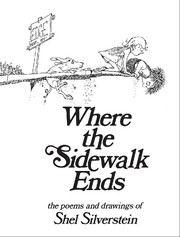
Where the Sidewalk Ends
Sidewalk Ends retold: poems and drawings, Sarah Cynthia, unicorns, homework and giants.
1,952-word summary · 9 min read
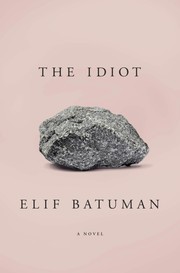
The Idiot
A Turkish-American freshman at Harvard falls in love through email with a Hungarian math student and spends a summer in Hungary trying to turn correspondence…
2,019-word summary · 9 min read
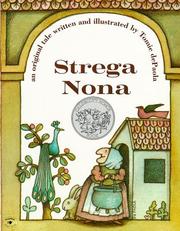
Strega Nona
A village witch doctor hires a boy who does not listen, and the pasta pot he was told not to touch floods Calabria with noodles he cannot stop.
2,587-word summary · 11 min read

Size 12 Is Not Fat
Former teen pop star Heather Wells investigates two dorm elevator deaths while juggling her ex, her crush, and a size-12 wardrobe.
2,805-word summary · 12 min read
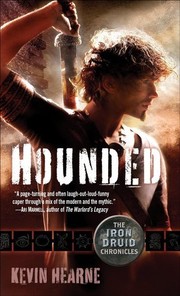
Hounded
A two-thousand-year-old druid runs a bookshop in Arizona, hides from an Irish god who wants his sword back, and talks to his dog.
2,159-word summary · 10 min read
Go the Fuck to Sleep
A rhyming bedtime book for adults in which an exhausted father narrates the fourth hour of a toddler's stalling, one profane couplet at a time.
2,291-word summary · 10 min read
First Grave on the Right
Charley Davidson is a private investigator in Albuquerque and the grim reaper. When three murdered lawyers come back as ghosts, her two jobs collide.
2,770-word summary · 12 min read
Austenland
A New York graphic designer obsessed with Mr. Darcy inherits a trip to a Jane Austen theme park, where the fantasy of Regency romance collides with the men…
2,030-word summary · 9 min read
A Long Way Down
Four strangers meet on a London rooftop on New Year's Eve, each planning to jump, and end up making a pact to stay alive until Valentine's Day.
2,145-word summary · 10 min read
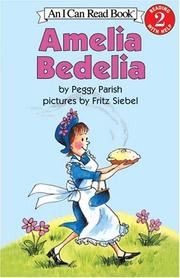
Amelia Bedelia
A literal-minded housekeeper follows her employer's list to disastrous and funny effect in the 1963 picture book that made wordplay a children's staple.
2,038-word summary · 9 min read
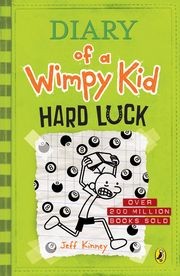
Hard Luck
Rowley has a girlfriend, so Greg turns to a Magic 8 Ball, a family Easter hunt and the school yearbook for answers.
2,586-word summary · 11 min read
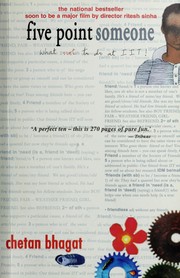
Five Point Someone: What Not to Do at IIT
Three friends at IIT drift to a five-point GPA, mock the system, and break into a professor's office for an exam paper.
2,458-word summary · 11 min read
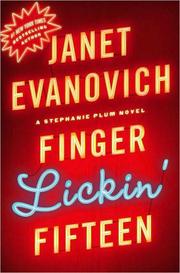
Finger Lickin' Fifteen
Lula sees a celebrity chef decapitated and talks Stephanie into entering a barbecue contest to lure the killers, while Ranger hires her to find a security leak…
2,248-word summary · 10 min read
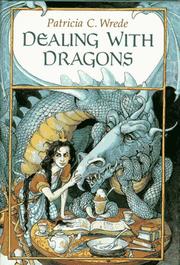
Dealing with Dragons
A princess who hates embroidery runs away to become the cook and librarian for a dragon, then has to outthink wizards, knights, and a plot against the dragon…
2,563-word summary · 11 min read
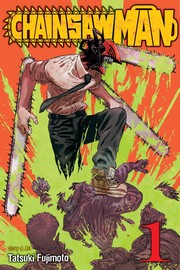
Chainsaw Man, Vol. 1: Dog and Chainsaw
A broke teenage devil hunter and his chainsaw dog get a second life, a government leash, and a fight that stops mid-swing in Fujimoto's horror comedy.
2,584-word summary · 11 min read
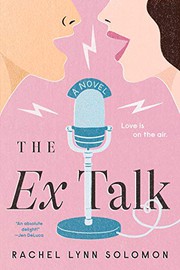
The Ex Talk
Two rival public radio producers pretend to be exes for a dating show, then fall for each other while the lie grows.
2,389-word summary · 11 min read
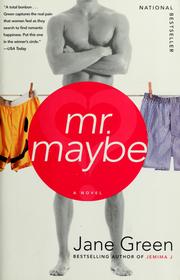
Mr. Maybe
Libby Mason wants a rich husband, but the wealthy man who proposes is dull and the broke writer she cannot forget is not offering forever.
2,322-word summary · 10 min read

Heist Society
A teenage art thief gets expelled from boarding school, then has two weeks to steal five paintings back from a London museum and clear her father.
2,781-word summary · 12 min read