
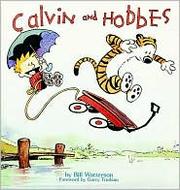
Calvin and Hobbes
2,972-word summary 13 min read 128 pages in the book
- First published
- 1987
- Publisher
- Andrews McMeel Publishing
- Pages
- 128
- ISBN
- 9780836220889
- Series
- Calvin and Hobbes (#1)
Reading options
What's inside (8 sections)
- How the strip started and what this book holds
- Calvin, Hobbes, and everyone stuck with them
- Pretend games, Spaceman Spiff, and boxes that do anything
- Wagons, sleds, school, and talk about life
- How it looks, how it is funny, and why it lasted
- Why Watterson ended it in 1995 and what still bugs me
- Key takeaways
- FAQ
I picked up Calvin and Hobbes because I kept seeing single strips passed around online and I wanted to see where it all started. This is the first collection, published by Andrews McMeel Publishing in 1987, 128 pages that gather the newspaper strips from November 1985 to August 1986. It has a short foreword by Garry Trudeau. That already tells you something. Other cartoonists knew right away that Bill Watterson was doing something different.
If you have never read it, the setup takes about ten seconds to learn and years to get tired of. Calvin is six, loud and full of theories about everything. Hobbes is his tiger. To Calvin, Hobbes is big and always ready to pounce or argue. To everyone else, Hobbes is a small stuffed animal sitting on the bed. Watterson never explains the trick. He just lets both versions live side by side. When Calvin and Hobbes are alone, Hobbes walks and talks. When a parent walks in, he falls over limp. You accept it after three strips.
What surprised me on this reread is how fast the world arrives. A lot of first volumes feel rough, like the author is still finding the voices. Here the voices are already there. Calvin is already staging disasters at school and flying off into wild daydreams. Hobbes is already the calmer one with sharper comments. The parents are already tired in a way that feels real.
How the strip started and what this book holds
Watterson was from Ohio, loved comics as a kid, and tried for years to get syndicated. He pitched a few ideas that went nowhere. One had a boy with a stuffed tiger as a side character. Editors liked that small part more than the main idea. He rebuilt the strip around that pair.
The name comes from two thinkers, John Calvin and Thomas Hobbes. That sounds heavy for a funny pages comic, and Watterson meant it half as a joke. He liked the contrast. One name tied to stern rules, the other tied to talk about human nature being messy and wild. It fits the two characters without turning the strip into a lecture.
Calvin and Hobbes launched on November 18, 1985. Newspapers were already shrinking their comics space, which annoyed Watterson for his whole career. This book covers roughly the first nine months. So you get the origin stretch. Calvin meets Hobbes in a trap with a tuna sandwich, or at least that is how Calvin tells it. He starts school, fights with Susie, gets in trouble with his teacher, tries to avoid baths and bedtime, and spends a lot of winter outside in the snow.
It is black and white here, like the dailies were. That matters because later books got to show off the big color Sundays. In this volume the art is simpler but still full of movement. Watterson adds little original drawings through the pages too, which makes it feel less like a stack of clippings and more like a book someone put together with care.
If you want the whole ten year run in one go, people usually point to the big Complete collection. This one is smaller and easier to carry around. It also has a charm the big set does not. You watch Watterson figure out what he can get away with, strip by strip.
Calvin, Hobbes, and everyone stuck with them
Calvin is the engine. He is six and absolutely sure he understands the world better than adults do. School is boring, rules are suspicious, and homework is a punishment invented to ruin afternoons. He wants speed, snacks and no bedtime. He also has huge fears. The dark, the basement, the doctor, the babysitter who knows all his tricks. What makes him fun to read instead of exhausting is that he talks like a kid trying out adult words. He will give a long speech about why he should stay up late that sounds almost reasonable until it falls apart at the end.
Then there is Hobbes. I think Hobbes is why adults stay for this strip long after the kid jokes stop being the point. He likes tuna and teasing Calvin. He pounces on Calvin when he gets home from school, which Calvin never expects even though it happens constantly. He is vain about his tiger nature and happy to explain how humans are strange. But he is also kind. When Calvin is scared or sad, Hobbes sits with him. Their friendship feels steady in a way Calvin has nowhere else. They argue and then go back outside.
Susie Derkins lives next door and goes to school with Calvin. She is polite, smart, and unwilling to put up with him. Calvin claims girls are awful, which of course means he thinks about Susie all the time. He throws things at her and tries to gross her out. She answers back, tells the teacher, or beats him at his own game. I like that Watterson lets her win a lot. She is not just a target. She has her own games and her own stuffed bunny, and her way of playing pretend is quieter than Calvin's but just as firm.
Calvin's parents do not get first names, which fits how Calvin sees them. Dad is the one with the camping trips and long explanations about why things cost money. Mom is the one who holds the house together, loses patience, then finds it again. They love Calvin but they are worn out by him, and Watterson lets them say so. There are strips where they sit up late after Calvin is finally asleep and just stare at nothing. Any parent will recognize that look.
You meet Moe in the school hallway. He is big and not interested in words. He wants lunch money or just wants to shove someone. Calvin, who can talk his way past almost anyone else, goes blank around Moe. Miss Wormwood, the teacher, is another wall he cannot charm. She has seen every excuse. The babysitter, Rosalyn, shows up in these early strips too, and she is the only person Calvin openly fears. Hobbes, funny enough, has a soft spot for her, which drives Calvin crazy.
Pretend games, Spaceman Spiff, and boxes that do anything
The heart of this first book is Calvin's imagination, and Watterson draws it so fully that you start to prefer it to real life too.
School is the main trigger. Calvin sits at his desk, the clock crawls, and then he is gone. Sometimes he pictures himself as a dinosaur crashing through the classroom. Sometimes he is a pilot or an explorer. The drawings change with the fantasy. Lines get wilder. Then a teacher calls his name and he snaps back to a small desk with a worksheet. That snap is the joke and also a little sad. You remember doing the same thing.
Spaceman Spiff shows up early and often in this period. Calvin puts on invisible goggles and becomes a lone space hero landing on strange planets. Those planets look a lot like the playground or his front yard. The aliens look a lot like his teacher or his parents. The plots usually end with Spiff getting captured and sentenced to homework or a bath. You see how Calvin turns small humiliations into big stories where he is brave instead of stuck.
The cardboard box deserves its own paragraph. Calvin finds a box and decides it can become anything if he writes the right label on the side. He scribbles a sign, climbs in, and the game is real. One panel it is a box with crayon writing. Next panel Calvin is flying past stars or meeting himself. Then Mom calls for dinner and it is a soggy box on the lawn again. Kids who grew up with this strip still talk about that box. I did the same thing with couch cushions, so it hit home.
Later in the run Watterson invents Calvinball, the game where you make up the rules as you go and never play the same way twice. That game is not really in this first book yet, since it came years later. I mention it because people expect it, and because you can see the seeds here. Calvin already hates losing at normal games and loves changing rules to win. In these early strips he argues about checkers and tag. Calvinball just gave that habit a name and a mask. If you come to this volume looking for it, you will not find it, but you will see where it came from.
The same goes for the snowmen. This book has winter strips with sleds and snowball fights and odd sculptures in the yard. The truly strange snowmen scenes get bigger in later books. Here they are starting. You get snow art as protest and sled rides as proof that gravity hates Calvin personally.
What holds all the pretend stuff together is that Watterson treats it with respect. He does not wink and say this is just a kid being silly. When Calvin is Spiff, the danger feels real for three panels. When the game ends, the letdown feels real too. That back and forth is why adults keep these books. The imagination bits help Calvin survive boring or scary parts of the day, and they do the same for the reader.
Wagons, sleds, school, and talk about life
Two running settings carry a lot of this book. One is the red wagon. The other is the sled. Both go downhill fast with Calvin steering and Hobbes hanging on.
The wagon rides usually start calm. Calvin asks a big question. What is the point of school, do tigers believe in fate, why do people get married, what happens after we die. Hobbes answers in a dry way. Then the hill gets steeper, the wagon shakes, they start shouting, and the talk ends in a crash in the bushes. It is a good pattern because it lets Watterson be thoughtful without getting heavy. The philosophy lasts exactly as long as the hill. Then physics takes over.
School strips are more grounded and often funnier in a sore spot way. Calvin forgets homework, tries to copy, tries to argue that reading is bad for you. He takes tests with total confidence and total wrong answers. He gives book reports on books he did not read. Miss Wormwood answers with flat patience. Susie raises her hand and knows the answer. It is a full little world, and Watterson remembers how school actually felt.
At home the talk turns more toward ethics and nature, though never in a preachy way. Calvin wonders why he should share, why bugs matter, why his dad makes him go outside when it is cold. Hobbes will point out that Calvin only cares about nature when it is fun, which is true. Dad will give a speech about character building while dragging Calvin on a walk in the rain. Those dinner table scenes do a lot of work. They show a family that argues but stays close.
There is also a thread about art and work that kids miss and adults catch. Watterson loved drawing animals and woods and snow. You can see it in backgrounds that did not need to be that good for a daily gag strip. A tree line, a night sky, a field with wind in it. He puts care into places where the characters only stand for a second. That care says something about how he saw his job. Even a quick joke deserved a real setting.
How it looks, how it is funny, and why it lasted
The art in this first collection is already strong. Faces tell you everything. Calvin's grin when he has a plan, his wide eyes when the plan fails, Hobbes padding along, Susie with her arms crossed. Bodies move. When Calvin runs, you feel the speed. When Hobbes pounces, you feel the weight. Watterson uses motion lines and snow spray without making it messy. Black and white suits the winter strips especially. Snow looks bright even without color because the ink around it is so dark.
His lettering helps the jokes land. A shout gets big and jagged. A mumble gets small and low. You hear it even though it is silent. Later Sunday pages would get famous for big open skies. Here, in small panels, he already knows how to stage a gag in three beats.
The humor works on two levels, which is why parents hand it to kids and then keep reading after bedtime. For kids, there is slapstick and gross stuff and school rebellion. Snow in the face, mud on the floor, monsters under the bed, schemes against the babysitter. For adults, there are jokes about work, politics, the environment, and how hard it is to raise a child who acts like Calvin. Hobbes often carries that second level. He will say something calm about human habits while Calvin is yelling.
Under the jokes there is a quiet view of life that people call philosophy. I would put it more simply. Calvin wants freedom and treats any limit as an insult. Hobbes wants comfort. Dad thinks hardship builds strength. Mom thinks everyone needs sleep and soup. Susie thinks rules matter. Nobody fully wins. Calvin has a point that school can crush curiosity. Dad has a point that you cannot quit every hard thing. The strip does not pick a winner. It just shows the argument continuing day after day.
That might be why it lasted past the 1980s. Newspaper comics from that time can feel dated now, full of references to old tech or old news. Calvin and Hobbes mostly skips that. There are no big guest stars or trendy gadgets in this book. The props are a box, a sled, a wagon, a stuffed tiger. Those things do not age. A kid bored in math class in 1986 and a kid bored in math class now have a lot in common.
Why Watterson ended it in 1995 and what still bugs me
Watterson ended Calvin and Hobbes on December 31, 1995, after ten years. He wrote a short farewell note saying he had said what he wanted to say and it was time to move on. Fans were upset, and papers begged him to continue. He did not. He has stayed out of the spotlight since, rarely giving interviews and turning down almost all licensing. You will not see a Calvin and Hobbes cartoon show or a movie with talking toys, because he did not want the characters sold that way.
I respect that choice, even though part of me wishes there were more. Ten years of daily deadlines is brutal. Watterson fought with his syndicate for space to draw bigger Sunday pages and for control over his work. He won more freedom than most cartoonists, then found the schedule still ate his life. The art got more detailed near the end, the stories got longer, and you can feel him pushing against the small boxes newspapers allowed. Stopping let the strip stay good instead of thinning out. A lot of long comics fade. This one did not get the chance to fade.
That said, this first book is not perfect, and it helps to say so plainly.
First, it repeats. That is normal for newspaper strips, which had to welcome new readers every day, but reading 128 pages in one sitting makes the loops show. Calvin fights bedtime. Calvin hates school. Calvin schemes and fails. Hobbes pounces. Wagon goes downhill. It is fun, but after a while you can guess the shape of a strip by panel two. Later books vary the rhythm more. Here Watterson is still leaning on what works.
Second, the grown ups can feel thin in this volume. Mom and Dad get good moments, but they are mostly there to block Calvin or clean up after him. They grow more distinct later, with their own jokes about marriage and work and camping. In these early months they sometimes blend into one tired parent voice. If you love them from later books, you might find them a bit flat here.
Third, this book is not for everyone, and that is fine. If you dislike kid chaos, if toilet humor bothers you, if you want stories that finish cleanly, parts will annoy you. Some strips end in a crash with no lesson. Some jokes rely on Calvin being rude to Susie or lying to his parents. Watterson does not punish him every time. He lets him get away with it or lets the snow hit him instead. Readers who want clear morals may find that unsatisfying.
Who should pick it up then. Kids around seven and up who like comics and outdoor play will get it right away. Parents who read out loud will find jokes for themselves in Hobbes and the dinner scenes. Anyone who draws or writes will enjoy watching a young artist get better page by page. Who should skip it for now. Very small kids may miss the wordplay. Readers who want one long plot may get bored by the strip format. And if you only want the most famous later inventions like Calvinball in full form, start here anyway but know those peak a few books ahead.
I finished this collection in two evenings and then went back to look at the snow drawings again. That is probably the best test. The jokes brought me in. The drawings made me stay. Calvin is still yelling about something unfair, Hobbes is still waiting with a calm reply, and the wagon is already rolling toward the next hill. It is a strong start to a strip that earned its long goodbye.
FAQ
What does the first Calvin and Hobbes collection include?
It collects the newspaper strips from November 1985 to August 1986, 128 pages published by Andrews McMeel Publishing in 1987, with a foreword by Garry Trudeau.
Is Calvinball in this first book?
No. Calvinball was invented years later. This volume shows the earlier games, box fantasies and school arguments that led to it.
Why did Bill Watterson end Calvin and Hobbes?
He stopped the strip on December 31, 1995 after ten years, saying he had said what he wanted and wanting to keep the work from thinning out under daily deadlines and licensing.
Similar books
More from Calvin and Hobbes first, then related titles.
Ubik
A psychic agency crew dies in a blast and reality decays unless a spray called Ubik saves them.
2,674-word summary · 12 min read
Miss Nelson Is Missing!
Room 207 gets kind Miss Nelson, then terrible Viola Swamp instead.
2,597-word summary · 12 min read
The Tao of Pooh
Hoff explains Taoism through Pooh, Piglet, and Eeyore in gentle chats.
2,006-word summary · 9 min read
The Monster at the End of This Book
Grover begs readers not to turn pages for fear of a monster, until the ending reveals himself.
2,061-word summary · 9 min read
Small Gods
God Om trapped as a tortoise must convince novice Brutha to save Omnia from its own church.
2,063-word summary · 9 min read
Adulthood Is a Myth
Andersen's debut Sarah's Scribbles collection jokes about staying in, bad bras, awkward dating, and the strange comfort of pajamas.
2,424-word summary · 11 min read
The Humans
An alien borrows Andrew Martin's life to erase a proof, then a dog, peanut butter, and a tired family win him over.
2,959-word summary · 13 min read
The Great Divorce
A bus from Hell to Heaven tests whether ghosts will trade pride and habit for joy.
2,045-word summary · 9 min read
Anthem
A sweeper finds a tunnel, builds light, flees with Liberty, and rediscovers the lost word I.
2,256-word summary · 10 min read
Inferno
Dante, lost at thirty-five, follows Virgil down through nine circles of Hell, from Limbo to the ice, and climbs back toward the stars.
3,131-word summary · 14 min read
Franny and Zooey
Two Glass family siblings wrestle with faith, phoniness, and breakdown across a weekend visit and a long phone call home.
2,286-word summary · 10 min read
The Prophet
A prophet delayed twelve years answers his city on love, work, sorrow and freedom before his ship sails.
2,852-word summary · 13 min read
The Holy Bible: King James Version
The 1611 King James Bible in a 1,472-page Thomas Nelson edition: from Genesis to Revelation, law, prophets, Gospels, and letters.
2,904-word summary · 13 min read
The Fountainhead
An architect who will not copy faces a rival who pleases everyone, a lover who fears the world, and a trial over dynamite.
2,988-word summary · 13 min read

Meditations
Marcus Aurelius, Roman emperor, reminds himself in Greek on campaign: mind your thoughts, do your work, accept nature, face death calmly.
2,827-word summary · 13 min read
Don Quixote
A poor gentleman maddened by knight romances rides out as Don Quixote with Sancho Panza, until the world answers back.
3,785-word summary · 17 min read
Candide
Voltaire's Candide follows a sheltered boy across earthquakes, wars, and Eldorado as his tutor's sunny optimism falls apart. Short, savage, and still funny.
2,614-word summary · 12 min read
The Idiot
A Turkish-American freshman at Harvard falls in love through email with a Hungarian math student and spends a summer in Hungary trying to turn correspondence…
2,019-word summary · 9 min read
Strega Nona
A village witch doctor hires a boy who does not listen, and the pasta pot he was told not to touch floods Calabria with noodles he cannot stop.
2,587-word summary · 11 min read
Size 12 Is Not Fat
Former teen pop star Heather Wells investigates two dorm elevator deaths while juggling her ex, her crush, and a size-12 wardrobe.
2,805-word summary · 12 min read
Hounded
A two-thousand-year-old druid runs a bookshop in Arizona, hides from an Irish god who wants his sword back, and talks to his dog.
2,159-word summary · 10 min read
Go the Fuck to Sleep
A rhyming bedtime book for adults in which an exhausted father narrates the fourth hour of a toddler's stalling, one profane couplet at a time.
2,291-word summary · 10 min read

First Grave on the Right
Charley Davidson is a private investigator in Albuquerque and the grim reaper. When three murdered lawyers come back as ghosts, her two jobs collide.
2,770-word summary · 12 min read
Bone, Vol. 1: Out from Boneville
Three cartoon cousins are run out of Boneville, separated by locusts, and dropped into a valley where rat creatures and an old grudge are waiting.
2,155-word summary · 10 min read
Austenland
A New York graphic designer obsessed with Mr. Darcy inherits a trip to a Jane Austen theme park, where the fantasy of Regency romance collides with the men…
2,030-word summary · 9 min read
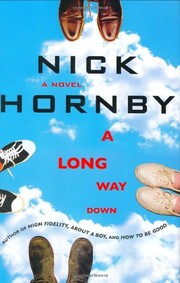
A Long Way Down
Four strangers meet on a London rooftop on New Year's Eve, each planning to jump, and end up making a pact to stay alive until Valentine's Day.
2,145-word summary · 10 min read

The Courage to Be Disliked: The Japanese Phenomenon That Shows You How to Change Your Life and Achieve Real Happiness
A philosopher and an angry young man argue over five nights about Adlerian psychology, trauma, approval, and the freedom to be disliked.
2,054-word summary · 9 min read
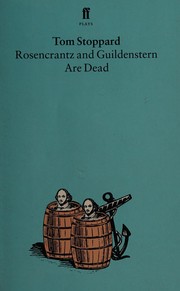
Rosencrantz and Guildenstern Are Dead
Stoppard's 1966 play retells Hamlet from the wings, where two minor courtiers wait, joke, and walk toward a death they cannot see.
2,021-word summary · 9 min read
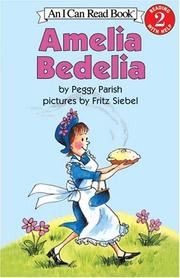
Amelia Bedelia
A literal-minded housekeeper follows her employer's list to disastrous and funny effect in the 1963 picture book that made wordplay a children's staple.
2,038-word summary · 9 min read

Hard Luck
Rowley has a girlfriend, so Greg turns to a Magic 8 Ball, a family Easter hunt and the school yearbook for answers.
2,586-word summary · 11 min read