
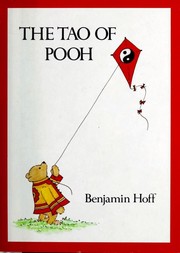
The Tao of Pooh
2,006-word summary 9 min read 158 pages in the book
- First published
- 1982
- Publisher
- Dutton
- Pages
- 158
- ISBN
- 9780525244585
Reading options
What's inside (7 sections)
I found The Tao of Pooh in a cabin with no signal, which felt arranged, because the book argues for doing less. Benjamin Hoff published it in 1982 with Dutton, a 158 page edition with ISBN 9780525244585. It is a standalone philosophy book that explains Taoism through Winnie the Pooh, followed by The Te of Piglet. Hoff chats with Pooh, Piglet, Eeyore while explaining Wu Wei, the art of doing without forcing. It is gentle, funny, and quietly radical. If you feel busy and buzzy, read slowly. Pooh will wait.
The conceit is simple. Hoff types. Pooh knocks. Pooh reads over shoulder. They talk. Hoff explains Taoist principles using Hundred Acre Wood stories. Pooh lives them without knowing names. That contrast drives humor and teaching. Hoff defines. Pooh demonstrates by being. Piglet shows small courage. Eeyore shows stuck mind. Rabbit shows busy brain. Owl shows clever confusion. Christopher Robin shows clear heart. Each character embodies a way. Taoism favors Pooh way, simple, present, responsive. Not stupid. Attuned.
Wu Wei, doing without forcing, is the core. Pooh does not plan honey heists with charts. He follows bees, floats with balloon, eats when hungry. Things work because he fits moment. Hoff contrasts with Rabbit, who plans, lists, worries, and fails. Or with Eeyore, who expects worst and finds it. Or with Owl, who knows words for things and misses things. Modern life rewards Rabbit busyness. Taoism suggests Pooh ease. Not laziness. Responsiveness. Do what needs doing when it needs it, no more. My cabin week tested this. No signal meant no planning. Walks, naps, soup. I felt better by day three. Pooh was right.
Bear, Piglet, and Eeyore
Pooh as master is the book delight and risk. He is called a Bear of Very Little Brain, yet he solves problems Rabbit cannot. How. By not overthinking. When asked how he finds honey, he says he just goes. When asked about Tao, he eats. Hoff argues this is wisdom, not idiocy. Mind empty of schemes notices. Body relaxed responds. Critics say Hoff romanticizes simplicity and ignores Pooh privilege of being loved and fed. Fair. Still, as corrective to striving, Pooh helps. Try his method for an afternoon. No lists. Follow nose. See what happens. You may nap. Naps help.
Piglet as Te, virtue of the small, gets lovely chapters. Small, scared, brave when needed. He faces Heffalumps because friends ask. He trembles and goes. Hoff says Te is power in smallness. Do not wish to be big. Be fully small and present. Piglet saves Pooh more than once by fitting where big cannot. That image suits anyone who feels too little for tasks. Go anyway. Tremble and go. Eeyore as stuck gets gentle handling. Gloomy, certain nothing works, he proves himself right by expecting wrong. Hoff does not mock. He shows how mind creates weather. Eeyore lives under cloud he carries. Offer him thistles without fixing. Sometimes he eats. Enough.
Rabbit as Busy Backson is the warning. Always late, always planning, never present. He organizes rescues that need no rescue. He writes plans Pooh ignores successfully. Hoff names this disease Busyness. Modern readers will see inboxes. Rabbit checks honey stores while honey drips. He misses now for later. The cure is Pooh practice. Sit. Breathe. Notice. Do one thing. Hoff gives exercises. Spare ten minutes to watch clouds. Eat one thing slowly. Walk without destination. I tried cloud watching in cabin. First minutes itched. Then shoulders dropped. Rabbit left. Pooh arrived. Small, real, enough.
Owl as clever confusion rounds the set. Knows long words, spells own name wrong. Gives advice no one needs. Hoff loves Owl because intellectuals, including Hoff, do this. Explain Tao with terms that hide. Pooh asks what it means. Silence follows. That silence teaches more than chapter. If you cannot say simply, you do not know. Try explaining your work to Pooh. If Pooh naps, simplify. My job talk failed Pooh test first draft. Second, with story, passed. Usefulness over cleverness. Owl means well. Mean well and be brief.
Cottleston Pie and going home
Cottleston Pie, Pooh song about nonsense making sense, becomes Taoist hymn in Hoff hands. A fly can not bird, but bird can fly. Ask me a riddle and I reply. Cottleston, Cottleston, Cottleston Pie. Meaning lives in doing, not defining. Hoff unpacks lines with stories. Pooh gets stuck in Rabbit door from eating. Instead of panicking, he waits, is read to, thins, pops out. Waiting as action. Western minds want to push. Tao waits. That week in cabin with rain, I waited instead of driving through. Rain stopped. Road cleared. Pooh nodded from shelf. Good bear.
Spelling Tuesday, where Owl cannot spell, teaches humility. Smartest in room fails basic. Pooh does not laugh. He helps. Hoff uses this to argue knowledge without kindness is noise. Schools test spelling. Life tests noticing. Be the bear who helps, not owl who shows. That ethic runs under whimsy. Kindness as Tao. Simple, hard, daily.
Critics note the book simplifies Taoism and uses Chinese thought as self help. True. Hoff is not scholar of classical Chinese, though later Eternal Tao translation tries. Read this as introduction, not text. Pair with Lao Tzu short version after. The book spent 49 weeks on bestseller list because it met need, Western stress seeking Eastern ease. That need remains. Use Pooh as door, not house. Walk through to deeper study if moved. If not, keep Pooh practice. Breathe. Notice. Snack honey mindfully. Enough.
Fair criticism also notes gender. All male bears, boy, men talking. Girls absent except Kanga briefly. Modern families may notice. Acknowledge and add voices. Read Piglet as brave regardless. Invite daughters to be Pooh, not just watchers. The Hundred Acre Wood welcomes all if we retell. Hoff wrote in 1982. We read now with wider eyes. Keep honey. Share with everyone.
Practice, not perfection
Practice matters more than theory and Hoff knows it, so here is how I use the book weekly. Monday, Pooh walk without destination. Leave phone. Follow nose. Notice. Tuesday, Piglet courage. Do one small scary kind thing. Call, apologize, ask. Tremble and go. Wednesday, Eeyore watch. Notice gloom stories without obeying. Write them down. Laugh gently. Thursday, Rabbit fast. Do one task slowly. Eat without screen. Feel time stretch. Friday, Owl check. Explain work to Pooh in three sentences. If Pooh naps, simplify. Weekend, Cottleston rest. Sing nonsense. Let meaning arrive sideways. These tiny rites sound silly. They steady better than apps. Try one week. Track mood. You will see.
Criticism about cultural borrowing deserves honest space because Taoism is deep tradition, not bear decoration. Hoff, a Western writer, uses Pooh to translate, which risks flattening. Scholars note he picks cozy parts and skips discipline, ritual, history. True. Read this as doorway, not temple. If moved, read Lao Tzu with a good commentary, Zhuangzi stories, then visit a teacher if called. Credit sources. Do not call yourself Taoist from one bear book. Call yourself a student of ease. That humility honors tradition more than slogans. Pooh would agree. He never claims mastery. He just lives. Follow that example. Learn lightly. Bow to roots. Share honey without claiming hive.
Who should read. General readers, stressed workers, parents, teens curious about philosophy fit best. No content issues. Pair with Te of Piglet next for Piglet courage, or with Milne originals for source joy. Read in cabin if possible, else in park without phone. Talk to Pooh in margins. Ask what Wu Wei means for your inbox. Listen for hum. Pooh will answer by napping. Follow his lead for an hour. The world will wait. Tao does. So can you, bearly, bravely, now. Keep the book where Rabbit cannot hide it. Open when buzzy. Smile. Breathe. Begin.
Rabbit cures and Eeyore clouds
Rabbit Busy Backson cures need specifics because modern readers live as Rabbits. Hoff suggests unplanning one hour daily. No lists. No optimization. Follow nose like Pooh. I tried with inbox. No sorting for an hour. Just answer oldest kindly. Inbox shrank less than with triage, but shoulders dropped. Trade accepted. Another cure is single tasking. Rabbit does six things badly. Pooh does one thing fully. Eat honey. Feel honey. Be honeyed. Try eating one thing without screen. Taste arrives. Time stretches. Work later goes faster for rest. Counterintuitive and true. Rabbit minds resist. Try anyway for a week. Track mood, not output. Mood predicts output tomorrow. Pooh knows. Trust the bear over the bunny when tired.
Eeyore clouds need gentle handling because gloomy friends hear mockery where help meant. Hoff does not mock. He shows Eeyore expecting rain and carrying umbrella that causes rain by attitude. The cure is not cheer up, which never works. It is small noticing. Thistles taste good today. A stick house stands. Friends visited. List three small goods nightly. Eeyore would scoff, then secretly list. Try with gloomy teens. Do not argue clouds away. Sit under with cocoa. Name one dry spot. Expand slowly. My gloomy week lifted not by advice but by Pooh walk where nothing needed fixing. Clouds passed as clouds do. They always do, though Eeyore doubts. Doubt the doubt once daily. Enough.
Owl cleverness as trap closes the set with humor for intellectuals. Owl uses long words to hide not knowing. Pooh asks what it means. Silence follows, then honey. That exchange should hang in meeting rooms. When jargon flies, channel Pooh. What does it mean for honey. Plain talk saves hours. I tried in one meeting. What will users feel. Silence, then plain answer. Decision made in minutes after weeks of decks. Owl in each of us means well. Thank Owl for vocabulary. Ask Pooh for use. Both live in Hundred Acre head. Let Pooh lead when tired. Let Owl help when precise. Balance, not banishing. Tao holds both. So can teams, families, selves. Breathe. Begin. Smile at bees.
Honey, bees, and enough
Honey as Tao symbol deserves loving detail because Hoff returns to it constantly. Pooh loves honey, seeks honey, gets stuck for honey. Bees guard honey fiercely. Hoff reads this as desire and supply. Want too much, get stung and stuck. Want lightly, float with balloon to treetop, eat enough. The balloon escape, Pooh floating with blue balloon pretending to be rain cloud, works because he believes lightly. Bees doubt, then accept. That gentle deception, harmless and playful, succeeds where force fails. Modern life chases honey with ladders and smoke. Pooh floats. Try floating once. Ask nicely. Wait. Share. Honey tastes better shared with Piglet anyway. Enough beats excess. The pot empties. Hunger returns. That cycle is fine. Wanting ends. Wanting returns. Tao does not promise full pots forever. It promises enjoyment of full moments while they last. Eat slowly. Notice. Thank bees, even stinging ones. They guard sweetness worth guarding. Keep one pot, not warehouse. Share. Smile. Begin again tomorrow.
Bees as teachers sting and guide. They chase Pooh when greedy. They ignore him when calm. That feedback trains without words. Hoff suggests listening to stings in life. Headaches after overwork. Snaps after overcommit. Those stings signal too much forcing. Rest instead of pushing. Cancel one thing. Nap like Pooh. The world will wait. Tao does. Bees return to flowers regardless. So can you to work after rest. Enough is not laziness. It is sustainability. Rabbit never learns. Eeyore never tries. Pooh lives it without naming. Name it now to remember. Enough. Honey today. Tea tomorrow. Breathe between. Smile at bees. They know.
Who should read. General readers, stressed workers, parents, teens curious about philosophy fit best. No content issues. Pair with Te of Piglet next for Piglet courage, or with Milne originals for source joy. Read in cabin if possible, else in park without phone. Talk to Pooh in margins. Ask what Wu Wei means for your inbox. Listen for hum. Pooh will answer by napping. Follow his lead for an hour. The world will wait. Tao does. So can you, bearly, bravely, now.
Keep honey close. Share often. Smile at bees.
FAQ
When was The Tao of Pooh published?
Dutton published it in 1982. The edition runs 158 pages with ISBN 9780525244585.
Is it part of a series?
No. It is a standalone philosophy book, followed by The Te of Piglet.
Who should read it?
General readers fit best. No content issues.
Similar books
The Road Less Traveled: A New Psychology of Love, Traditional Values and Spiritual Growth
M. Scott Peck argues that maturity begins with accepting difficulty, then builds discipline, love, and spiritual growth through honest, often painful work.
2,200-word summary · 10 min read

The Untethered Soul
Singer names the noisy inner voice and shows how watching thoughts, loosening old hurt, and keeping the heart open through surrender can ease daily suffering…
2,752-word summary · 12 min read
The Art of Happiness
The Dalai Lama and psychiatrist Howard Cutler link lasting happiness to training the mind, human warmth, compassion, and basic spiritual values for daily life.
3,394-word summary · 15 min read
Tao Te Ching: Annotated & Explained
Eighty one brief verses on the Way and effortless action, with Lin's translation and facing notes.
2,140-word summary · 10 min read
A New Earth
Tolle maps ego pain and shows how presence can loosen roles, thoughts, and suffering.
1,909-word summary · 8 min read
The Zookeeper's Wife: A War Story
The directors of the Warsaw Zoo hid roughly three hundred Jews in empty cages and outbuildings after the German invasion, while Jan worked for the resistance.
2,065-word summary · 9 min read
The Courage to Be Disliked: The Japanese Phenomenon That Shows You How to Change Your Life and Achieve Real Happiness
A philosopher and an angry young man argue over five nights about Adlerian psychology, trauma, approval, and the freedom to be disliked.
2,054-word summary · 9 min read
Love Does
A lawyer and activist tells stories of saying yes, showing up, and loving people through ordinary, often ridiculous actions.
2,411-word summary · 11 min read
Click, Clack, Moo: Cows That Type
Cows learn to type, demand electric blankets, and go on strike in a deadpan picture book about negotiation and withheld labor.
2,617-word summary · 12 min read
Caps for Sale
A peddler balances his caps on his head, naps under a tree, and wakes to find monkeys wearing his stock in this 1940 picture book.
2,787-word summary · 12 min read
Four Thousand Weeks: Time Management for Mortals
Oliver Burkeman turns the whole productivity project on its head, arguing that a human lifespan of roughly four thousand weeks is not a problem to optimize…
2,447-word summary · 11 min read
The Dharma Bums
Ray Smith rides freight trains, climbs Matterhorn Peak and argues about Zen with the poet Japhy Ryder in Kerouac's 1958 road novel.
2,729-word summary · 12 min read
Dry
A memoir of drinking, rehab and relapse, and the strange business of getting sober one morning at a time.
2,643-word summary · 12 min read

Dear Girls: Intimate Tales, Untold Secrets & Advice for Living Your Best Life
Ali Wong's debut collects fourteen letters to her daughters, covering sex, money, work, marriage, Vietnam, and being a working Asian American mother.
2,266-word summary · 10 min read
At Home: A Short History of Private Life
Bill Bryson tours his own Norfolk rectory room by room to explain how private life and the modern home got built.
2,334-word summary · 10 min read

America (The Book): A Citizen's Guide to Democracy Inaction
Jon Stewart and the Daily Show writers turn a high school civics textbook inside out, with a foreword from beyond the grave.
2,511-word summary · 11 min read

Scrappy Little Nobody
Anna Kendrick's essays trace her path from a Portland childhood and Broadway to Hollywood, with jokes, anxiety, and a refusal to pretend fame fixed her.
2,092-word summary · 9 min read
Letters to a Young Poet
Rilke's ten letters to a young officer cadet refuse easy criticism and ask whether he must write, offering patience and solitude as a way of life.
2,530-word summary · 11 min read

Beyond Good and Evil: Prelude to a Philosophy of the Future
A guide to Friedrich Nietzsche's Beyond Good and Evil: its attack on moral prejudice, the will to power, master and slave morality, and the philosopher of the…
2,597-word summary · 12 min read
90 Minutes in Heaven: A True Story of Death and Life
A pastor declared dead at a 1989 crash scene describes ninety minutes he says he spent in Heaven, then thirteen months of surgeries, depression, and recovery.
2,246-word summary · 10 min read
By the River Piedra I Sat Down and Wept
Pilar, 29, meets her childhood friend again in Madrid and finds a rumored miracle worker. One winter week through the Pyrenees to the river Piedra, and the…
2,845-word summary · 13 min read
The Artist's Way: A Spiritual Path to Higher Creativity
A twelve week course with morning pages and artist dates to recover creativity.
2,345-word summary · 10 min read

Seriously...I'm Kidding
DeGeneres strings show stories and home jokes into light life advice.
2,292-word summary · 10 min read

Open Book
Simpson replays pop fame, love and drink through recovery work.
2,552-word summary · 11 min read

My Horizontal Life: A Collection of One-Night Stands
Handler turns dating disasters and family chaos into brash comic essays about single life in Los Angeles.
2,304-word summary · 10 min read
How to Be a Woman
Moran mixes girlhood and work stories into plain feminist advice.
2,600-word summary · 12 min read
Hoot
Roy tracks a shoeless boy to save burrowing owls from a pancake house.
2,290-word summary · 10 min read
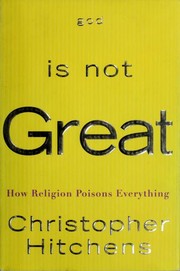
God Is Not Great
Hitchens argues religion poisons life across history and texts.
2,545-word summary · 11 min read
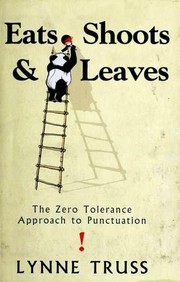
Eats, Shoots & Leaves
Truss defends commas with jokes about pandas and posters.
2,423-word summary · 11 min read

Drive Your Plow Over the Bones of the Dead
An old woman in Poland blames animal revenge for murdered hunters.
2,597-word summary · 12 min read