
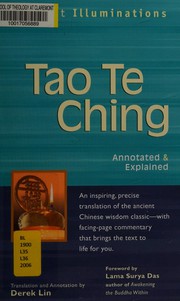
Tao Te Ching: Annotated & Explained
2,140-word summary 10 min read 208 pages in the book
- First published
- 2006
- Publisher
- SkyLight Paths
- Pages
- 208
- ISBN
- 9781594732041
Reading options
What's inside (11 sections)
I came to the Tao Te Ching because every philosophy list includes it and few explain how to read it. Attributed to Lao Tzu over two thousand five hundred years ago, my reading follows the 2006 SkyLight Paths paperback, Tao Te Ching Annotated and Explained, with Derek Lin's translation and commentary, 208 pages. Eighty one brief verses on the Way, virtue, and effortless action, with facing guidance. It reads in an afternoon and studies for a lifetime.
The text is famously elusive. The Tao that can be told is not the eternal Tao. That opening warns you. Words point. They do not grasp. What follows are short poems about water, valleys, infants, rulers, and sages. Themes recur. Simplicity over ornament. Flexibility over force. Small over large. Feminine over masculine as metaphors for receptivity. Rulers who govern least govern best. Strength that bends like bamboo survives storms that snap oak.
How the verses work
Each verse is a few lines, paradoxical and practical at once. Bend and be straight. Achieve goals by transcending obstacles the way water flows around rocks. Believe small changes grow like saplings into trees. Those images, highlighted in Lin's commentary, carry the philosophy without jargon. You can test them. Push a door that says pull and feel the lesson. The verses invite experiment rather than belief.
Lin's translation aims for accuracy plus lyrical clarity, and his facing commentary gives history, imagery notes, and daily life applications. A verse about the sage leading from behind gets a note on parenting and managing. A verse on emptiness, thirty spokes share the wheel's hub but the hole makes it useful, gets notes on rooms, cups, and schedules. Leave space. That pairing of ancient poem plus modern gloss suits beginners who fear they will miss the point. You will still miss plenty. The notes admit that. Missing is part of reading.
The eighty one verse structure helps. Read one a morning. Carry it. Argue at lunch. Reread at night. The book's short length, 208 pages with commentary, supports that rhythm. Short enough for an afternoon cover to cover, subtle enough to revisit for years. I read three verses daily for a month and found favorites shifting. What comforted in week one challenged in week three. That movement is the text working as designed. It does not lecture once. It seasons.
Key concepts repay slow attention. Tao, the Way, the organizing pattern of nature that precedes names. Te, virtue or power that flows from aligning with Tao. Wu wei, effortless action, doing without forcing. Pu, the uncarved block, simplicity before shaping. Those terms appear across translations with varying English, which confuses newcomers. Lin defines each plainly and uses them consistently. Follow his glossary first. Compare others later if curious.
Reading across translations
Every Tao Te Ching is a translation argument. The Chinese is terse, rhymed in places, and layered with puns lost in English. Lin, born in Taiwan and fluent in both languages, claims a new standard for accuracy while keeping music. Critics generally receive his version as faithful and clear, though scholars debate lines no two translators render alike. That debate is feature, not bug. Read two versions side by side and watch meanings multiply. One says the sage does nothing. Another says nothing is left undone. Both point.
The Annotated and Explained format sits in the SkyLight Illuminations series, which presents sacred texts with gentle guidance. Foreword by Lama Surya Das frames the Tao for spiritual seekers. Some scholars find such framing soft. Practitioners find it welcoming. Know which reader you are. If you want philology, try D. C. Lau with notes. If you want practice, Lin serves well. If you want poetry, try Ursula Le Guin's version, spare and strange. Many readers end up owning two. That is normal for this text. No single English holds it.
What to watch for across editions is trimming. Some popular versions cut verses or reorder. Lin keeps all eighty one in traditional order with the Tao section before Te. That completeness matters for study. A verse skipped is a question never asked. Check tables of contents when buying. Eighty one chapters means whole. Fewer means selection, fine for taste but not for first serious read.
My own path started with a pocket edition that mystified me, then Lin clarified without flattening. A verse on governing a large state like cooking a small fish, do not overdo, finally made sense through his note on stirring. Leave it alone. Turn gently. That kitchen wisdom now guides my inbox. Answer less. Stir rarely. Flavor keeps. Such transfers from text to Tuesday are the book's real test. It passes when lunch improves.
What clarifies and what clouds
What clarifies is brevity plus commentary that respects mystery. Lin explains imagery, bamboo, water, valleys, infants, without explaining away. Historical notes place Lao Tzu as legendary archivist who wrote at a guard's request before vanishing west. Whether he lived matters less than that the story fits the teaching. Leave no monument. Let words work. The foreword and introduction frame without preaching. You can be secular and use this book daily. Many do.
What clouds is paradox fatigue. Eighty one verses of reversals, high becomes low, doing is not doing, can blur into sameness if read fast. The commentary sometimes repeats simplicity and balance until those words thin. Take breaks. Read in small doses with walks between. Also note the text's politics. Advice to rulers about keeping people simple reads differently across centuries. Scholars argue whether it counsels humility or control. Lin leans humility. Other readings warn of quietism that serves power. Hold both while reading verse three and its cousins. Question commentary, including his.
Length at 208 pages, much of it guidance, suits beginners. Carrying the book helps. So does reading aloud, since the verses keep rhythm even in English. Try one verse spoken before sleep. Notice breath slow. That bodily response is data about the text's design. It was sung before it was studied. Let it sing a little now.
Verses worth sitting with
A few chapters deserve individual attention because they anchor the whole. Chapter one on the nameless origin sets the method. Name and the named arise together, which means every label creates its opposite. Use labels lightly. Chapter eight praises highest good like water, benefiting all without striving, dwelling low. That water image recurs whenever ambition tightens. Be low. Flow around. Chapter eleven on the wheel's hub, vessels, and rooms teaches usefulness of emptiness. Walls make the house. The empty inside makes it livable. Schedule blank hours after reading it. Feel the use.
Chapter sixty four on saplings and towers grounds patience. A journey of a thousand miles begins beneath the feet, in Lin's careful rendering. Tend small. Do not force harvests. That counsel steadies anyone managing projects or children. Small daily care beats heroic pushes. Chapter eighty one closes with the sage hoarding nothing and growing richer through giving. Heaven's way benefits without harming. Read that last when news depresses. Generosity as strategy reframes a week. Give something small. Watch returns compound.
What to do when verses contradict, and they will. One urges withdrawal. Another urges service. Sit with both without forcing synthesis. The text holds opposites the way valleys hold rivers, by containing. Lin's commentary helps here by noting historical contexts where different counsels fit different rulers. A warring state needs restraint. A miserly court needs generosity. Apply to your own season. Are you forcing or drifting now. Choose the verse that corrects, not the one that flatters. That diagnostic use makes the book practical across years. It meets you where you lean and pushes back gently.
Practice and community
Reading alone works, but the text rewards shared study. A weekly group taking one verse at a time will argue productively because translations differ. Bring two versions and compare a single line about the sage. Watch meanings fork. Those forks teach humility about language itself. Words fail the Way in different directions. Laugh together at the failure. That laughter is closer to Tao than solemn nodding. The book's humor, dry and paradoxical, emerges best aloud among friends willing to admit confusion.
Daily application stays modest by design. Pick one image per week. Water. Valley. Infant. Uncarved block. Notice where it appears in commute, kitchen, and inbox. A valley meeting where you listen instead of pitching. Water email that flows around objection instead of damming. Those small experiments accumulate into temperament change that colleagues will notice before you do. You seem calmer, they will say. Credit bamboo. The text works through imitation of nature rather than willpower. Copy water long enough and hardness softens without decision.
Critics, uses, and cautions
Scholars debate the text's origins in ways casual readers should know lightly. Was there one Lao Tzu or a school. When were verses compiled, fourth century BCE or later layering. How much is philosophy and how much political advice to rulers. Lin's introduction summarizes consensus without drowning newcomers. Authorship uncertain. Core old. Editing layered. Those facts free readers from fundamentalism about words. The text grew like rivers, not monuments. Read accordingly, with gratitude for currents rather than worship of source.
Uses vary widely and each finds support somewhere in verses. Therapists assign chapters on softness to anxious clients. Managers quote water to teams facing change. Activists carry verses on persistence to long campaigns. Parents post lines on fridges about uncarved blocks and children. Those applications delight and worry purists in equal measure. Delight because wisdom should work on Tuesdays. Worry because slogans flatten paradox. Both responses fit. Use the text where it helps. Argue where it smooths. The verses survive either handling, which is test of classic status.
Cautions matter for honest reading. The text's counsel to keep people simple can enable authoritarian readings that history bloodied. Its praise of feminine receptivity can harden into gender roles the metaphors never meant. Its quietism can excuse passivity before injustice that demands noise. Name these risks while reading rather than after. Ask of each verse who benefits if all obey. Rulers or ruled. Men or women. Then choose consciously. Ancient wisdom needs modern conscience as companion. Bring both to every page.
Translation as practice
Comparing Lin with one other version teaches more than any single commentary, so try this exercise. Take chapter seventeen on leaders. Lin renders best rulers barely known. Another version says successful. A third says invisible. Sit with the three and notice which irritates and which relieves. That reaction diagnoses your own leadership wounds better than any quiz. Do you need credit. Do you fear obscurity. The text becomes mirror through multiplicity. One translation flatters. Two argue. Three reveal the reader. Libraries hold several. Borrow freely.
What Lin adds uniquely is patient accuracy about particles and puns that amateurs miss. Classical Chinese packs meaning into characters that shift by context. His notes flag where he chose receptivity over passivity, or integrity over virtue, and why. Those footnotes model intellectual honesty rare in spiritual publishing. Here is my choice. Here is the alternative. Decide yourself. That transparency builds trust for the eighty one chapters where you can not check his Chinese. Trust, once built on samples, carries. Verify where you can. Float where you must.
One week with the text
Newcomers wanting structure can try this simple week. Day one, read chapter eight on water and notice where you force. Day two, read chapter eleven on emptiness and clear one shelf, one hour, one habit. Day three, read chapter sixty four on saplings and tend one small task fully. Day four, reread favorites aloud and note which lines snag. Day five, compare one verse across two translations borrowed from the library. Day six, walk without headphones and practice valley listening to street sounds. Day seven, rest from reading and let phrases surface unforced. That light program teaches more than marathon study. Small changes compound like saplings. Trust the pace.
Who should wander
Give the Tao Te Ching to philosophy readers starting classics, to spiritual seekers who want practice without dogma, to stressed professionals who need shorter chapters and longer views. It suits mornings, commutes read slowly, and book clubs that enjoy arguing about a page for an hour. Do not give it to readers who need systematic argument or historical narrative. Pair it with the Art of War for contrasting Chinese strategy, or with Marcus Aurelius for Stoic parallels. Water meets stone nicely.
At 208 pages I read it in an afternoon, then again across a month. Lao Tzu starts by saying the Way can not be told and ends having told it slant for eighty one verses. That contradiction, held lightly, is the whole teaching. Bend and stay straight. Flow around rocks. Start as sapling. The rest follows without forcing. Try one verse tomorrow. See what bends.
FAQ
When was this edition published?
Attributed to Lao Tzu over two thousand years ago; this SkyLight Paths edition with Derek Lin appeared in 2006. It runs 208 pages and the ISBN is 9781594732041.
Who translated this edition?
Derek Lin, whose translation and commentary set out to pair accuracy with lyrical clarity.
What do Tao, Te, and wu wei mean?
Tao as the Way organizing nature, Te as virtue from alignment, and wu wei as action without forcing.
Similar books
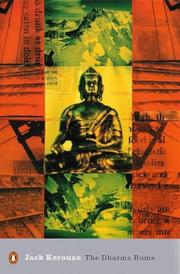
The Dharma Bums
Ray Smith rides freight trains, climbs Matterhorn Peak and argues about Zen with the poet Japhy Ryder in Kerouac's 1958 road novel.
2,729-word summary · 12 min read
The Road Less Traveled: A New Psychology of Love, Traditional Values and Spiritual Growth
M. Scott Peck argues that maturity begins with accepting difficulty, then builds discipline, love, and spiritual growth through honest, often painful work.
2,200-word summary · 10 min read
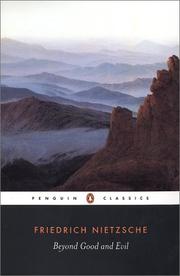
Beyond Good and Evil: Prelude to a Philosophy of the Future
A guide to Friedrich Nietzsche's Beyond Good and Evil: its attack on moral prejudice, the will to power, master and slave morality, and the philosopher of the…
2,597-word summary · 12 min read
The Untethered Soul
Singer names the noisy inner voice and shows how watching thoughts, loosening old hurt, and keeping the heart open through surrender can ease daily suffering…
2,752-word summary · 12 min read
The Art of Happiness
The Dalai Lama and psychiatrist Howard Cutler link lasting happiness to training the mind, human warmth, compassion, and basic spiritual values for daily life.
3,394-word summary · 15 min read
Demian
Hesse's 1919 German classic of Emil Sinclair, from Kromer blackmail to Demian, Abraxas, Beatrice and Frau Eva, ending in war: a short, strange guide to growing…
2,510-word summary · 11 min read
The Tao of Pooh
Hoff explains Taoism through Pooh, Piglet, and Eeyore in gentle chats.
2,006-word summary · 9 min read
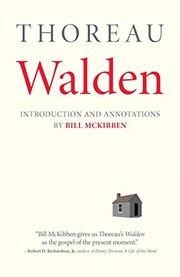
Walden
Thoreau builds a cabin at Walden Pond and spends two years testing what a person really needs to live well.
2,986-word summary · 13 min read
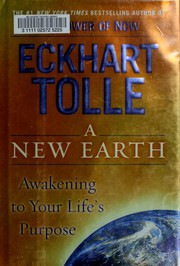
A New Earth
Tolle maps ego pain and shows how presence can loosen roles, thoughts, and suffering.
1,909-word summary · 8 min read
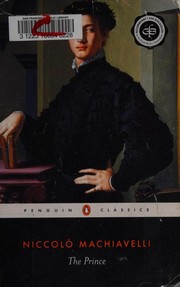
The Prince
Machiavelli advises Lorenzo on rule through fear and love, fortune, cruelty and mercy.
2,204-word summary · 10 min read
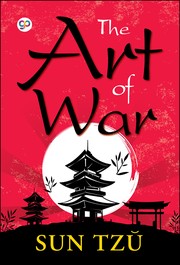
The Art of War
Sun Tzu's thirteen chapters on winning without fighting: laying plans, knowing ground, using spies, and why the best victory costs least, in the classic Giles…
2,029-word summary · 9 min read
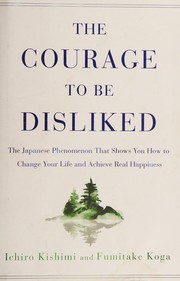
The Courage to Be Disliked: The Japanese Phenomenon That Shows You How to Change Your Life and Achieve Real Happiness
A philosopher and an angry young man argue over five nights about Adlerian psychology, trauma, approval, and the freedom to be disliked.
2,054-word summary · 9 min read
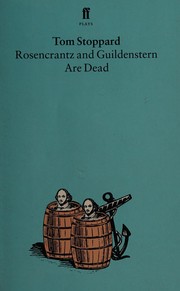
Rosencrantz and Guildenstern Are Dead
Stoppard's 1966 play retells Hamlet from the wings, where two minor courtiers wait, joke, and walk toward a death they cannot see.
2,021-word summary · 9 min read

Fathers and Sons
Arkady brings the nihilist Bazarov home to his father's estate, and a generational argument turns into love, a duel, and an early death.
2,192-word summary · 10 min read
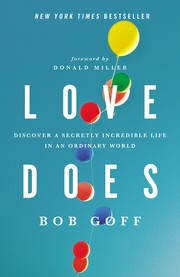
Love Does
A lawyer and activist tells stories of saying yes, showing up, and loving people through ordinary, often ridiculous actions.
2,411-word summary · 11 min read
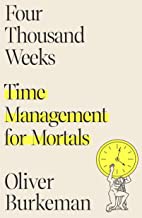
Four Thousand Weeks: Time Management for Mortals
Oliver Burkeman turns the whole productivity project on its head, arguing that a human lifespan of roughly four thousand weeks is not a problem to optimize…
2,447-word summary · 11 min read
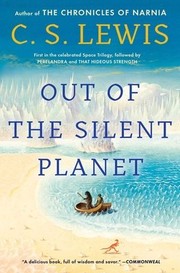
Out of the Silent Planet
A Cambridge philologist is kidnapped and taken to Mars, where the natives are civilized and the humans are the dangerous invaders.
2,612-word summary · 12 min read
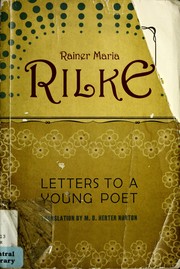
Letters to a Young Poet
Rilke's ten letters to a young officer cadet refuse easy criticism and ask whether he must write, offering patience and solitude as a way of life.
2,530-word summary · 11 min read
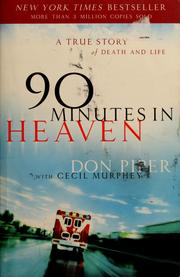
90 Minutes in Heaven: A True Story of Death and Life
A pastor declared dead at a 1989 crash scene describes ninety minutes he says he spent in Heaven, then thirteen months of surgeries, depression, and recovery.
2,246-word summary · 10 min read
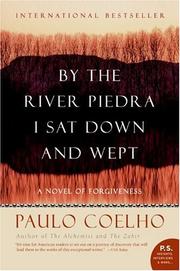
By the River Piedra I Sat Down and Wept
Pilar, 29, meets her childhood friend again in Madrid and finds a rumored miracle worker. One winter week through the Pyrenees to the river Piedra, and the…
2,845-word summary · 13 min read
The Fire Next Time
Baldwin writes his nephew and faith on race in America.
2,463-word summary · 11 min read
The Artist's Way: A Spiritual Path to Higher Creativity
A twelve week course with morning pages and artist dates to recover creativity.
2,345-word summary · 10 min read
Leaves of Grass
Free verse songs of self, America, bodies and democracy.
2,240-word summary · 10 min read
God Is Not Great
Hitchens argues religion poisons life across history and texts.
2,545-word summary · 11 min read
A Canticle for Leibowitz
After nuclear war, monks save books across centuries while the world rebuilds and falls again.
2,381-word summary · 11 min read
10% Happier
An ABC newsman panics on air, then finds meditation without losing his edge.
2,590-word summary · 12 min read
Wild Swans
Three generations of women survive warlords, revolution, and the Cultural Revolution in Jung Chang's family memoir.
2,356-word summary · 10 min read
The Fall
A fallen Paris lawyer confesses in an Amsterdam bar, tracing guilt from Paris success to a bridge he failed to face.
2,220-word summary · 10 min read
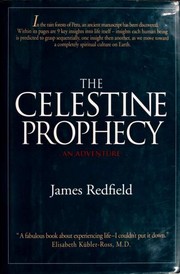
The Celestine Prophecy
A restless American chases a missing manuscript through Peru and learns Nine Insights about coincidence, energy, and how people vie for attention.
2,599-word summary · 12 min read
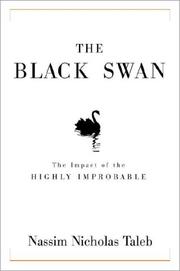
The Black Swan
Taleb argues rare shocks shape history more than models admit, and urges safer exposure over prediction.
2,588-word summary · 12 min read