
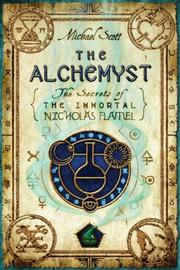
The Alchemyst
2,085-word summary 9 min read 375 pages in the book
- First published
- 2007
- Publisher
- Delacorte Press
- Pages
- 375
- ISBN
- 9780385733571
- Series
- The Secrets of the Immortal Nicholas Flamel (#1)
Reading options
What's inside (12 sections)
- Running with immortals
- San Francisco as myth crossroads
- Codex, Elders, and monthly elixir
- Dee's desperation and Scathach's steel
- What races and what blurs
- Perenelle's absence as presence
- Prophecy mechanics done fairly
- For young readers meeting myth
- Elixir economics and ageless love
- Who should open the Codex
- Key takeaways
- FAQ
I picked up The Alchemyst because Harry Potter taught me Nicholas Flamel's name and I wanted his story. Michael Scott published it in 2007 with Delacorte Press. My reading follows the 375 page hardcover. Fifteen year old twins Sophie and Josh Newman learn their bookstore boss is the immortal alchemist, and a stolen Codex drags them into war between Elders. It is breakneck YA myth soup that never stops to breathe.
Sophie and Josh work summer jobs across the street from each other in San Francisco. She pours coffee. He shelves books for Nick and Perry Fleming, kindly oddities who feel older than they look. In the first chapter, armed golems with dead looking skin storm the shop, take Perry hostage, and steal an ancient Book while Josh snatches its two most important pages. Nick Fleming is really Nicholas Flamel, born 1330, keeper of the Codex with his wife Perenelle. The twins are the Codex's prophesied pair. The two that are one will come either to save or destroy the world.
Running with immortals
What follows is chase across San Francisco and beyond with a huge myth cast. Dr. John Dee, Elizabethan magician turned modern schemer, serves the Dark Elders and wants the Codex to wake them fully. Hekate, three faced goddess living in a Yggdrasill treehouse north of the city, agrees to Awaken Sophie's powers. Scathach, gray warrior woman with endless skill, guards the twins with motorcycles and attitude. Bastet and Morrigan, cat goddess and crow goddess, hunt for Dee. The twins meet figures they read about in school, now armed and arguing.
Sophie's Awakening forms the book's centerpiece. Hekate walks her through memory and pain to ignite Air magic, a process that could kill or remake her. Those chapters slow the chase just enough to breathe mythic air. Smell of the tree. Weight of centuries. Sophie emerges able to taste elements other humans never notice. Josh watches with pride and envy that curdles usefully. The prophecy names both. Only one wakes first. That asymmetry drives sibling tension more honestly than villain speeches do. She glows. He schemes to matter.
Josh's arc balances through loyalty tested by exclusion. He grabbed the Codex pages, which makes him target and asset both. Dee tempts him with clarity about Flamel's lies of omission. Flamel did not tell the twins the elixir must brew monthly or the couple ages a year daily. That ticking clock reframes kindly Nick as desperate user of children. Josh's anger is legitimate even when his choices help villains. Fifteen year olds used as prophecy tools get to rage. Scott lets him without flipping him fully. Not yet.
San Francisco as myth crossroads
The city setting does more than backdrop by stacking myth layers on real streets. A bookstore on a normal block. A coffee shop across from it. Commuters who never look twice at golems in coats. Scott uses that ordinariness to make eruptions startling. Magic hides in plain commercial sight, which suits twins with after school jobs. Readers who know the city will enjoy placed details. Fog. Hills. Bookshop smell. Those textures ground global myth parade in sidewalks. Visitors get tour with teeth. Locals get in jokes about rent even Flamel must pay.
Hekate's world north of the city provides the book's best otherworld. Yggdrasill treehouse grown rather than built. Witches and ancients gathering like farmers market. Time moving sideways. Sophie's Awakening there benefits from setting that feels older than gods themselves. Roots predate pantheons. That depth gives weight to ceremony that could read as mere power up. She joins something that was growing before humanity named it. Josh waiting outside the circle feels the exclusion physically. Sibling bonds strain at thresholds only one crosses. That ache is the book's truest magic. Power divides even as it saves.
Codex, Elders, and monthly elixir
The Codex mechanics give the book its ticking engine. The Book of Abraham holds alchemy, everlasting life formulas, and prophecies all at once. Dee stole it minus two pages Josh holds, which limits summonings but not scheming. Flamel and Perenelle, separated when Perry is taken, age visibly without monthly brew. Their love, centuries deep, frays under countdown. Those stakes humanize immortals better than battles do. Eternity needs refills. Miss one and wrinkles come. That domestication of myth is the book's slyest invention. Gods need prescriptions too.
The Dark Elders hover as vast threat kept mostly off page for later volumes. Bastet's cats. Morrigan's crows. Dagon's teeth in water. They menace through servants while conserving mystery. Some readers will find them vague. I found restraint wise for book one of six. Show teeth. Save faces. Hekate's shadow world destruction at the climax demonstrates what Elder war costs when it actually erupts. A world tree burning. A goddess falling. The twins escape through ashes understanding that adult wars burn playgrounds first. That lesson lands at fifteen with proper weight.
Perry's captivity drives Nick past caution into error. He lies to twins, rushes rituals, and trusts wrong allies. Those mistakes keep him sympathetic rather than saintly. Immortals err longer. His reunion with Perry stays deferred, which frustrates romance readers wanting payoff. The marriage here is devotion across distance rather than scenes together. Letters. Memories. A scent on pages. That restrained love suits a couple who measure time in centuries. Reunion can wait one more volume. Readers may disagree while turning pages fast enough not to mind.
Dee's desperation and Scathach's steel
Dr. John Dee earns attention as villain who works rather than postures. Elizabethan scholar turned immortal operative, he manages golems, gods, and schedules with weary competence. His centuries of service to Elders bought power at the price of perpetual anxiety. Flamel's couple has each other. Dee has employers. That loneliness leaks through menace in moments that almost invite pity. Almost. He kidnaps, threatens children, and burns neighborhoods without pause. Competence without conscience reads scarier than cackling here. Paperwork evil with swords attached.
Scathach provides the book's coolest competence in contrast. Gray clad warrior thousands of years old, she fights golems with motorcycles and sarcasm, guards twins without smothering, and hides weariness behind quips. Young readers adore her instantly for good reason. She treats fifteen year olds as soldiers worth training rather than baggage to shield. Her lessons in parking lot combat and myth orientation double as reader orientation. Listen to Scathach and you learn the world. That pedagogical function never feels forced because her voice entertains while informing. Cool teachers are rare. Value this one.
What races and what blurs
What races is pace, myth density, and twin heart. Short chapters. Cliffhanger cuts. A new legend every thirty pages. Scott, authority on folklore with eighty plus books, deploys world myth like arsenal. Greek, Egyptian, Celtic, Norse all serve. Sophie and Josh's bond, teasing and fierce, grounds the parade. They bicker about music. They cover each other in fights. That sibling truth holds when mythology overwhelms. Family first. Elders later.
What blurs is character depth beyond function. Flamel explains. Dee sneers. Hekate intones. Scathach quips. The twins react. With so many immortals introducing themselves through titles and domains, individuals merge into pantheon soup. Josh's jealousy and Sophie's new senses stand out because they are felt rather than declared. Most others describe themselves at length. Young readers may love the parade. Older ones may skim genealogies. The book ends mid chase by design, which thrills and teases in equal measure. Volume two waits. It assumes you will too.
The prose is plain, fast, and earnest. Dialogue heavy. Myth names dropped with quick glosses. Action blocked clearly across bookshops, treehouses, and shadow worlds. Scott avoids purple even when describing gods, which keeps pages turning for the twelve and up audience. Literary readers may find it thin. Its intended readers will find it exactly calibrated. Prophecy plus motorcycles. What more at fifteen.
Length at 375 pages suits the sprint. No bloat. A time line of Flamel's centuries would help newcomers track lies, but momentum covers gaps. The final pages, with Hekate fallen and twins fled toward new allies, close with earned urgency rather than triumph. Prophecy continues. So must they.
Perenelle's absence as presence
Perry Fleming's captivity shapes the book more through absence than scenes, which deserves notice as structural gamble. Taken in chapter one, she appears in memories, worries, and rescue motives rather than action. That absence risks fridging accusations from modern readers, and the book partly earns them. Yet her off page resistance, hinted through captors' complaints about troublesome prisoner, preserves agency without page time. She fights elsewhere. Readers of later volumes learn how fully. Here trust the hints. The sorceress works unseen. Patience rewards across series.
Flamel's aging without elixir gives absence physical stakes that countdown chapters track visibly. Wrinkles deepen. Hands shake. Magic thins. Those degradations terrify twins more than monsters do because they show time touching immortals who seemed exempt. Eternity proves maintenance heavy. Miss a dose and centuries bill at once. That biological clock drives urgency better than prophecy alone. Save the Codex soon or watch father figure crumble. Fifteen year olds should not watch guardians age visibly in days. They do here, and it sobers adventure with mortality rarely present in chosen one tales. Even legends need refills.
Prophecy mechanics done fairly
The central prophecy about twins who save or destroy deserves examination because chosen one tropes often cheat. Scott states the terms early through Codex lines quoted in full. Two that are one. Save or destroy. That binary pressures every choice the twins make without predetermining outcomes. Sophie's Awakening could serve either end. Josh's pages could ransom or ruin. Adults quote prophecy to recruit children to their preferred reading. Flamel needs saviors. Dee fears destroyers. The twins themselves must decide what the words mean through action rather than exegesis. Do good daily and let scholars argue. That practical response redeems trope through behavior. Prophecy as prompt, not prison.
What the book withholds about the twins' nature sustains series curiosity without cheating this volume. Why these two. What their auras hide. How their parents fit histories Dee hints at disruptively. Those questions get partial answers that reframe rather than resolve. A late revelation about their lineage lands with proper shock because planted details click backward. Rereadable and fair. Scott understands that mysteries should answer enough to satisfy while opening larger doors. Close the Codex chase. Open the family file. Readers will follow both gladly into Paris.
For young readers meeting myth
Newcomers to doorstop fantasy should know this volume respects short attention without insulting intelligence. Chapters end mid chase. Myth names arrive with one line glosses. Action outruns confusion. Those choices welcome twelve year olds that denser fantasies lose. Older readers may want more interiority than breathless plot allows. Take the book as doorway rather than destination. It opens onto six volumes where depth accrues. First doors should swing easily. This one does, with hinges well oiled by an author who wrote eighty books learning how. Enter quickly. Stay for series.
Elixir economics and ageless love
The monthly elixir requirement deserves final emphasis as the book's cleverest constraint on omnipotence. Immortals who must brew or crumble can not posture beyond supply lines. Flamel counts ingredients the way mortals count rent. That economics keeps gods approachable across six volumes. Readers understand running out. Everyone has watched something essential dwindle. The Flamels' love, measured in shared doses across centuries, gains poignancy from dosage schedules. Together or not at all becomes literal prescription. Miss and both fade. That mutual dependence redeems power gaps between ancient alchemist and teenage twins. Need levels all magics. Even legends refill.
Who should open the Codex
Give The Alchemyst to YA fantasy readers twelve and up who like mythology mashed, to Percy Jackson fans wanting denser legends, to twins who enjoy seeing fictional pairs. It suits summer reading with short chapters and big finishes. Do not give it to readers needing deep character study or standalone closure. Pair it with The Magician next, where Paris burns and loyalties split.
At 375 pages I read it in two sittings, marking Hekate pages. Sophie starts pouring coffee and ends tasting Air, while Josh starts shelving books and ends holding pages the world wants. That pair, awakened and armed with paper, is why the series launched across thirty seven countries. Legends are true. Twins are in the middle. Turn fast, then turn to The Magician where Paris awaits with darker bargains and deeper betrayals. The Codex still wants its missing leaves. So will you.
FAQ
When was The Alchemyst published?
Delacorte Press published it in May 2007. The hardcover runs 375 pages and the ISBN is 9780385733571.
Is it the first in a series?
Yes. It opens the six book Secrets of the Immortal Nicholas Flamel, continued in The Magician.
What is the Codex?
The Book of Abraham the Mage, holding alchemy, immortality formulas, and the twins' prophecy.
Similar books
More from The Secrets of the Immortal Nicholas Flamel first, then related titles.
The Magician
Sophie and Josh flee to Paris with Nicholas Flamel, where John Dee, Machiavelli, and an awakened god close in on the missing pages of the Codex.
2,162-word summary · 10 min read
Children of Blood and Bone
White haired Zelie chases magic return with princess Amari hunted by Inan.
2,027-word summary · 9 min read
The Thief
A boastful young thief is pulled from a prison to steal a legendary stone for the king's magus, and the story he tells about himself is not the whole story.
2,514-word summary · 11 min read

Inkdeath
The final Inkworld novel sends Mo into the land of the dead, leaves Meggie choosing between two boys, and ends the Adderhead's immortality with three written…
2,062-word summary · 9 min read

Lioness Rampant
Alanna searches for the Dominion Jewel with the Shang Dragon, then returns to Tortall to face Duke Roger at Jonathan's coronation.
2,478-word summary · 11 min read

The Siren
Saved from a shipwreck in 1930, Kahlen becomes a siren who sings men to their deaths for the Ocean, until a boy in a college library makes her want a life she…
2,369-word summary · 11 min read
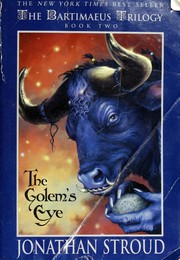
The Golem's Eye
Two years after The Amulet of Samarkand, Nathaniel is a rising bureaucrat, Bartimaeus is his unwilling servant again, and something made of clay is tearing…
2,299-word summary · 10 min read
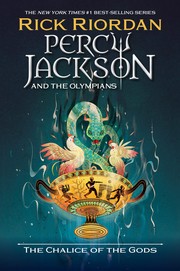
The Chalice of the Gods
Percy needs three recommendation letters from three gods to apply to college, so his first quest is recovering a stolen chalice from the god of old age.
2,106-word summary · 9 min read
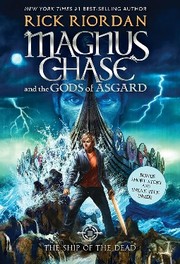
The Ship of the Dead
Magnus and his crew sail to the edges of the Norse worlds to stop Loki from launching Naglfar, the ship of the dead.
2,426-word summary · 11 min read

The Rose & the Dagger
Shahrzad is pulled from her Caliph husband and left in a desert camp of rebels, needing to break his curse and end a war before it ends her.
2,520-word summary · 11 min read

The Queen of the Tearling
Nineteen-year-old Kelsea leaves the woods to take her throne, ends a shipment of human captives, and draws the Red Queen's revenge.
2,357-word summary · 10 min read

We Hunt the Flame
In a fractured Arabia-inspired world, a disguised huntress and a prince-assassin race to find a magic-restoring book and confront an ancient evil.
2,195-word summary · 10 min read
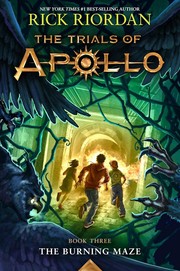
The Burning Maze
Apollo, still trapped in a mortal teenager's body, follows a dangerous prophecy through the Labyrinth with Meg and Grover as the Triumvirate's grip tightens.
2,248-word summary · 10 min read

Lore
Lore Perseous, the last of a hunted bloodline, is pulled back into the Agon when a wounded Athena offers her revenge against the god who killed her family.
2,188-word summary · 10 min read
In the Hand of the Goddess
Alanna, still disguised as a boy, survives war, court plots, and a death duel as the Goddess's chosen warrior in the second Song of the Lioness book.
2,018-word summary · 9 min read
A Fate Inked in Blood
In Norse-inspired Skaland, a fish gutter hiding a goddess's blood is claimed by a jarl, bound by oath, and guarded by the son she cannot want.
1,971-word summary · 9 min read
Furies of Calderon
Furyless Tavi defends Calderon Valley when the Marat return and lords scheme.
2,587-word summary · 11 min read
A Winter's Promise
Ophelia reads objects and is sent to marry Thorn on a cold ark.
2,502-word summary · 11 min read
The Hammer of Thor
Magnus and Sam chase Thor's stolen hammer to a giant wedding heist, with Alex Fierro joining Floor Nineteen as Loki bargains and Ragnarok stirs.
3,068-word summary · 14 min read
Lirael
A Sightless Clayr girl and a prince afraid of Death join the Dog and Mogget to stop necromancers from waking the Destroyer Orannis at the Red Lake while old…
2,692-word summary · 12 min read
Edgedancer
Hungry street thief Lift and her vine-like friend Wyndle cross the Herald Nale in Tashikk when a child emperor shows Radiant signs and she refuses to step…
2,328-word summary · 10 min read
Daughter of No Worlds
A former slave with rare magic hires exiled warrior Max to train her for a daring rescue, sparking slow burn love and wider war in this big 520-page fantasy…
2,529-word summary · 11 min read
Bitterblue
Eighteen-year-old Queen Bitterblue sneaks out to learn why Monsea still suffers after Leck, facing court lies, ciphers, and trials in Cashore's rich third…
2,686-word summary · 12 min read
The Tombs of Atuan
Priestess Arha guards dark Tombs until wizard Ged comes to steal back ring.
2,043-word summary · 9 min read
The Dark Prophecy
Mortal Apollo and Leo cross America to free the Oracle as Commodus hunts them.
2,368-word summary · 11 min read
The City of Brass
Cairo con artist Nahri summons djinn Dara and is drawn to Daevabad where Ali questions pureblood rule.
1,993-word summary · 9 min read

The Amulet of Samarkand
Boy magician Nathaniel summons djinn Bartimaeus to steal the Amulet and stop Lovelace's coup in London.
2,350-word summary · 10 min read
Strange the Dreamer
Orphan librarian Lazlo Strange joins a quest to the lost city of Weep, where blue-skinned godspawn haunt dreams.
2,221-word summary · 10 min read
Inkspell
Meggie and Farid read themselves into the Inkworld, where Mo is wanted as the Bluejay and words can wound.
2,406-word summary · 11 min read
Alanna: The First Adventure
Twins swap roles so Alanna trains as boy page Alan for knighthood while Thom studies sorcery.
2,107-word summary · 9 min read