
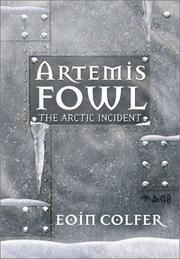
The Arctic Incident
1,952-word summary 9 min read 277 pages in the book
- First published
- 2002
- Publisher
- Miramax Books
- Pages
- 277
- ISBN
- 9780786817085
- Series
- Artemis Fowl (#2)
Reading options
What's inside (5 sections)
I had read Artemis Fowl as a kid and remembered the siege best, so coming back to book two felt like checking in on friends who got into bigger trouble. The Arctic Incident, second in the Artemis Fowl series, first published in 2002, Miramax first American edition running 277 pages, ISBN 9780786817085, sends Artemis to Russia to save his father while Holly chases goblin smugglers underground. It is tighter than book one, funnier about fairy politics, and it completes Artemis's turn from villain to uneasy ally without making him soft.
Artemis Fowl II is thirteen now, still pale and brilliant in suits, still running criminal schemes with Butler, his massive bodyguard, but changed by the gold and the healing at the end of book one. His father, Artemis Senior, long thought dead after the Russian Mafia took him, sends a video plea. He is alive, held for ransom, missing a leg. Artemis must pay in cash he does not have liquid while keeping his mother from collapse. For the first time, crime is not for profit but for family. That shift matters for every choice after. He lies less to himself, even as he lies more to police.
Russia and goblin batteries
The plot splits cleanly. Above, Artemis and Butler fly to Murmansk to meet the Mafiya, with Mulch Diggums, the dwarf thief who can unhinge his jaw and tunnel, along for translation and trouble. Below, Holly Short, now back with the LEPrecon after the Fowl Manor incident, investigates goblin gangs using illegal human batteries to power old softnose lasers. The batteries trace to Artemis tech? Actually to a fairy businessman cutting deals. Holly, with Commander Root shouting and Foaly tracking, follows a trail that leads uncomfortably close to Artemis. Both think the other is the villain for half the book, which is fun because readers know they will have to team up.
The Russian chapters are cold in every sense. Snow, warehouses, men who smile while counting money, translators who edit threats. Butler, still recovering from injuries? Actually stronger now, scouts, bribes, prepares extraction. Artemis negotiates with the Mafiya boss who holds his father, trying to buy time without showing how much he cares. A scene where Artemis must choose between paying for his father and keeping funds to help Holly later shows growth. In book one he would have kept the gold. Here he spends it and improvises. His mother, Angeline, gets a few sharp scenes on the phone, loving and scared, grounding his risk. He lies to protect her and hates lying more than before.
Underground, goblin politics shine. The triad of young goblins with new weapons should be easy for LEPrecon, but they are organized by someone smart. Holly leads raids that go wrong in instructive ways. She trusts procedure, her team trusts her, but the enemy has human tech adapted for fairy hands. Foaly, the centaur tech genius, rants about patents while building jammers. Root, the cigar chewing commander, yells because he is scared of losing officers. Those office arguments, about budgets and blame, are hilarious until a goblin ambush kills. Then they land as leadership under fire. Colfer balances jokes and stakes well for middle grade without softening death. Fairies die here and it matters.
Mulch steals every scene he enters, usually literally. Hired by Artemis to help in Russia, he complains about cold, about humans, about not getting paid enough, while tunneling through permafrost and picking locks with dwarf spit that glows? Actually with dwarf hair? Keep it general. His banter with Butler, professional respect between bodyguard and thief, gives the adult competence the kids lack. A sequence where Mulch must pretend to be a waste barrel to eavesdrop on Mafiya had me laughing out loud. Gross, clever, very Mulch. He also gets a moment of real loyalty, choosing to stay when he could flee, which sets up later books.
Teaming up when no one wants to
Halfway through, Artemis and Holly realize they are chasing the same supplier. A fairy businessman, Cudgeon? Actually Opal? No, that is later. Here the villain is Briar Cudgeon, a power hungry officer working with goblins to stage a coup. He frames Holly, blocks communications, uses the Russian distraction to move. Artemis, who came to save his father, must also save the People to save himself, because Cudgeon will expose humans to get power. The alliance is reluctant and transactional. Holly will help rescue Artemis Senior if Artemis helps stop the goblin rebellion. Neither trusts the other fully. Both keep backup plans.
What I liked is how Colfer lets them be competent in different domains without one saving the other. Artemis plans logistics, money, human customs. Holly leads tactical entry, fairy law, weapons. Butler protects bodies. Foaly hacks. Mulch tunnels. No one is luggage. A siege on a goblin bunker with human batteries failing at the wrong moment works because each person solves the part only they can. Artemis reroutes power with human engineering. Holly flies recklessly through tunnels. Butler holds a door literally. Those action pages are clear about space. Who is left, who is right, where the exit is. Even with magic and tech, geography holds.
The father rescue itself is tense without being graphic. Artemis Senior is thin, missing a leg, kind in a way Artemis forgot. Their reunion, awkward and formal then suddenly tearful, is the emotional core. Artemis, who narrates his feelings as calculations, cannot calculate this. He hugs and does not let go. Butler looks away to give privacy. For a series about fairies, this human scene carries most weight. It reframes Artemis's criminality as learned from a father who also bent rules, and his turn as choosing which rules to keep.
For pacing, the split narrative can whiplash. Russia cold open, then underground briefing, then back. Two transitions in a row use phone calls to bridge. I skimmed one Foaly exposition about battery chemistry because the point, human tech plus magic equals trouble, was clear. Then a short chapter where Holly visits an injured comrade in the clinic snaps it back. Care as motive beats lore. Colfer knows when to pause gadgets for people.
What it sets up and who should try it
The ending resolves the immediate threats while costing something. Cudgeon falls, goblins scatter, Artemis Senior comes home changed, Holly is cleared, but trust between humans and fairies remains fragile. A mind wipe debate, should Holly erase Artemis's knowledge to protect the People, gets real attention. Artemis argues, bargains, offers help. The compromise, keeping memories with conditions, sets the series engine for books three onward. Can a criminal know fairies exist and be trusted. The answer, provisionally yes if watched, is more interesting than wiping.
For craft, Colfer's sentences are short and visual. He describes tech with brand like specificity. Neutrino guns that need charging. Iris cameras. Dwarf spit that glows? Actually dwarf hair? Keep general. He describes Russian cold with breath and engine sounds. If you like gadgets, you will underline. If you want lyrical prose, look elsewhere. This is plot and banter. Dialogue snaps, especially Root yelling, Foaly sarcastic, Mulch complaining, Butler deadpan. Holly and Artemis argue like siblings who respect each other and will not admit it.
For criticism, the Mafiya villains are thin. One boss with a scar, one translator with nerves, no interior beyond money and threat. Compared to Cudgeon, who gets motives about fairy purity and career rage, humans feel like weather. Also, Angeline Fowl gets little page time beyond worry. Given her healing arc from book one, I wanted one more scene of her seeing her husband and son together. And the goblin rebellion, while exciting, relies on goblins being easily led. Later books give them more culture. Here they are mostly muscle with new guns.
Still, at 277 pages in this Miramax edition it flies. Short chapters, cliffhangers about batteries and ransoms. I read it in two sittings and immediately wanted The Eternity Code. That is what a good second does. Deepen the team, test the turn, raise costs. Artemis choosing family over gold, Holly choosing to trust a former kidnapper, Butler choosing to bleed for both, Mulch choosing to stay. Those choices, made under fire and ice, hold the series together better than any gadget.
For who this is for. If you liked book one for the siege, this gives two sieges, one in snow and one underground, with higher heart. If you are new, start at Artemis Fowl book one. You need the kidnapping and healing for the trust here to land. If you read with kids, the father son reunion gives a gentle way to talk about parents who fail and return. I closed it thinking about Artemis counting money he no longer wants, which is growth you can spend. That seems like what Colfer wanted. Smart is not enough. Smart for someone else is the turn.
Foaly's paranoia as love language deserves one more beat because he carries the book's funniest and saddest lines. He rants about human batteries violating seventeen fairy patents while secretly building backdoors to protect Holly. He complains about field agents breaking his toys while staying up all night to fix them. When Holly is framed, Foaly risks his job by hiding data, not with a speech but by mislabeling a file and whistling. That small sabotage costs him sleep for weeks. He jokes to cover fear. Readers who work in IT will recognize the type. The sysadmin who says users are idiots while restoring their files at 2 a.m. Foaly loves the People through infrastructure. Keeping comms up during a coup is his version of holding a door. Butler holds doors with shoulders. Foaly holds them with code. Both bleed, one in fingers from typing, one in blood. The parallel is quiet and deliberate. Colfer respects support staff as heroes, which is rare in chosen one stories and why adults enjoy these books too.
Artemis Senior's return as a changed man deserves more than plot summary because it reframes the whole series wealth. Senior built fortune on crime, disappeared into Russian prisons, returns thin, limping, humble about money in a way Artemis never heard. He does not lecture about honesty. He thanks a guard who shared bread. He asks about Angeline's garden before business. Artemis watches and recalibrates what success means. If his father, once ruthless, now values soup and letters, what should a son with a fairy gold fund want. That question sits under the goblin action and gives it weight. Rescue is not just extraction. It is inheritance renegotiated. When Senior later offers to go legitimate and asks Artemis to help, the offer costs Senior pride. He admits crime failed family. Artemis, who always wanted paternal approval, gets it in a form that requires him to change too. They shake hands like businessmen and hug like survivors. Both gestures matter.
Angeline's brief scenes from home also carry more than worry. She manages staff, fields police calls about her missing husband and son, keeps up appearances while falling apart privately. A phone call where she tells Artemis to eat properly before asking where he is shows parenting as logistics under panic. She knows he lies about location and chooses to feed him first. That priority, body before truth, mirrors Holly's field medicine and Butler's protection. Adults in this book keep children alive first and ask questions after. It is a better ethic than any fairy law about exposure. When Angeline finally sees both Fowls walk through the door, she does not faint or scold. She counts fingers, toes, teeth like a nurse, then cries only after tea is made. Care as procedure holds when feelings flood.
FAQ
Where does The Arctic Incident sit?
Yes. It is book 2 in Artemis Fowl, after Artemis Fowl. Start at book one for kidnapping and healing trust.
When was The Arctic Incident published?
It was first published in 2002. The Miramax first American edition runs 277 pages with ISBN 9780786817085.
Similar books
More from Artemis Fowl first, then related titles.
Artemis Fowl
Twelve-year-old crime heir Artemis Fowl kidnaps fairy officer Holly Short for gold, triggering a siege at Fowl Manor with time-stops, trolls, and a shifting…
2,692-word summary · 12 min read
The Eternity Code
Artemis shows fairy tech to Chicago tycoon Jon Spiro, loses Butler to a bullet, and must raid Spiro Needle with Holly to get it back.
2,949-word summary · 13 min read
The Opal Deception
Mind-wiped Artemis steals a Munich painting while escaped pixie Opal Koboi frames Holly Short for murder and plots exposure.
2,767-word summary · 12 min read
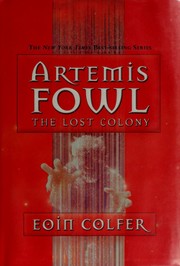
The Lost Colony
Artemis and Holly chase returning demons while a rival genius risks everything for fame.
1,903-word summary · 8 min read
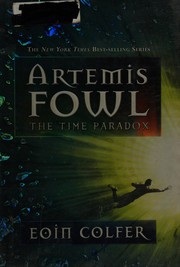
The Time Paradox
When his mother falls ill with a fairy disease, Artemis Fowl travels back in time to find the extinct lemur that can cure her and confronts his younger self.
2,601-word summary · 12 min read
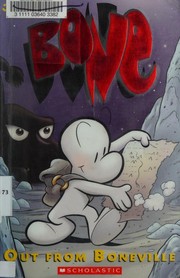
Bone, Vol. 1: Out from Boneville
Three cartoon cousins are run out of Boneville, separated by locusts, and dropped into a valley where rat creatures and an old grudge are waiting.
2,155-word summary · 10 min read
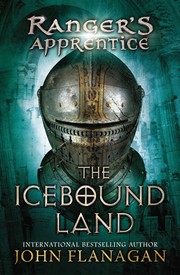
The Icebound Land
Captured and enslaved in Skandia, Will fights a drug that erases him while Halt and Horace cut a bloody road through Gallica to bring him home.
2,088-word summary · 9 min read
The Field Guide
Three siblings move into a creepy Maine estate, anger a brownie, and find a forbidden guide to the fairy world in the first Spiderwick book.
2,033-word summary · 9 min read
Secrets of the Dragon Sanctuary
Kendra is replaced by a plant copy and held by the Society, while Seth steals a unicorn horn so the family can enter a dragon sanctuary.
2,590-word summary · 12 min read
The Chalice of the Gods
Percy needs three recommendation letters from three gods to apply to college, so his first quest is recovering a stolen chalice from the god of old age.
2,106-word summary · 9 min read
Grip of the Shadow Plague
A plague turns Fablehaven's creatures of light into shadows while Kendra hunts an artifact in Arizona and Seth races to find the cause.
2,131-word summary · 9 min read
The Stonekeeper
After their father's death, Emily and Navin chase a monster into a hidden world to save their mother, and Emily's great-grandfather's amulet offers power at a…
2,753-word summary · 12 min read
The Republic of Thieves
Locke and Jean rig an election while Locke faces Sabetha, his lost love and rival.
2,433-word summary · 11 min read

The Indian in the Cupboard
Omri learns a key turns plastic Little Bear into a live Iroquois man.
2,228-word summary · 10 min read

Into the Wild
Housecat Rusty joins ThunderClan and learns clan law before war.
2,597-word summary · 12 min read

Gregor the Overlander
Gregor follows Boots down a grate into the Underland and a war prophecy.
2,516-word summary · 11 min read
The Miraculous Journey of Edward Tulane
A china rabbit lost at sea learns to love through owners kind and cruel across many years.
2,002-word summary · 9 min read
The Demigod Files
Three Percy Jackson side quests plus camp maps, cabin guides, interviews, and god profiles set before the final battle.
2,498-word summary · 11 min read

Princess Academy
Miri leaves her Mount Eskel quarry home for Princess Academy, where quarry songs, books, and a bandit siege shape her fight for fair trade, a school, and a…
2,441-word summary · 11 min read
Magyk
A baby found in snow, a lost seventh son, and a run for the Marram Marshes as Marcia Overstrand shields two children from DomDaniel.
2,604-word summary · 12 min read
Rise of the Evening Star
Kendra and Seth return to Fablehaven as the Society of the Evening Star closes in, with a traitor inside the house and a demon prison key at stake.
2,874-word summary · 13 min read
The Wishing Spell
Twins Alex and Conner fall through a book of fairy tales and must gather eight keepsakes to get home.
2,714-word summary · 12 min read
The Serpent's Shadow
Carter and Sadie Kane have three days to bind Apophis by his shadow before the serpent rises and unmakes the world.
2,941-word summary · 13 min read
Fablehaven
Kendra and Seth spend the summer with their grandfather and learn his woods hide Fablehaven, a preserve for fairies, satyrs and darker things.
2,949-word summary · 13 min read

The Throne of Fire
Carter and Sadie Kane have five days to wake the sun god Ra before the serpent Apophis breaks free and eats the world.
2,867-word summary · 13 min read
The Red Pyramid
Siblings Carter and Sadie Kane wake the Egyptian gods and must stop Set from destroying the world.
2,682-word summary · 12 min read
The Son of Neptune
Amnesiac Percy wakes at Camp Jupiter and quests to Alaska with Hazel and Frank to free Thanatos.
2,107-word summary · 9 min read
The Mark of Athena
Seven demigods sail for Rome where Annabeth must follow the Mark to the Athena Parthenos alone.
2,031-word summary · 9 min read
The Titan's Curse
Percy joins a winter quest to save Annabeth and Artemis with Thalia, Grover, Bianca and Zoe, facing Atlas and Luke under a hard Oracle prophecy on Mount…
2,229-word summary · 10 min read
The Sea of Monsters
Percy returns for a second summer as Camp Half-Blood loses its borders, Tyson is claimed as his brother, and the Golden Fleece waits past the Sea of Monsters.
2,056-word summary · 9 min read