
Reading options
What's inside (8 sections)
- Where this book sits in the Percy Jackson run
- Percy and the Stolen Chariot: Clarisse gets a day in the light
- Percy and the Bronze Dragon: Beckendorf and the machine in the woods
- Percy and the Sword of Hades: Thalia, Nico, and a bad errand
- Maps, interviews, profiles, and the art that holds it together
- How Riordan writes here, what drags, and who will love it
- Key takeaways
- FAQ
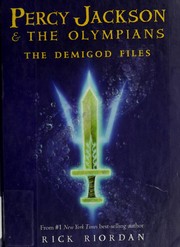
I picked up The Demigod Files because I wanted a breather between the big Percy Jackson novels. At 151 pages it looks slight. It turned out to be more useful than that. It collects three short adventures with Percy plus extras that usually live on an author website. Camp maps. Cabin notes. Short interviews with Percy, Annabeth, and Grover. Profiles of gods and monsters. Color art from John Rocco.
My copy felt like a camp yearbook crossed with a field guide. I read it in one sitting on a rainy afternoon, then went back and reread the Beckendorf story slowly. If you are working through Percy Jackson and the Olympians in order, this is the pause button that fills in character gaps before the last battle.
The book came out in 2009 from Disney-Hyperion, right between The Battle of the Labyrinth and The Last Olympian. That timing matters. Kronos is rising. Camp is nervous. These stories do not move that main war forward much. They show what normal demigod work looks like when the world is not ending that week.
Where this book sits in the Percy Jackson run
Riordan places the three stories in the gaps of the main series. You can feel it in the references. Percy already knows Clarisse and her temper. He already knows Beckendorf from the Hephaestus cabin. He already knows Thalia as a Hunter and Nico as the strange kid who talks to ghosts.
I would read it after book four. The Battle of the Labyrinth leaves camp damaged and short on defenders. The Demigod Files shows the same camp trying to keep routines going. Patrols. Repairs. Chores for gods. New kids arriving with no idea what a Myrmeke is. Then The Last Olympian raises the stakes again.
New readers could start here, but I would not. The humor lands better when you know the cabins and the rivalries. Clarisse acting soft for half a page only surprises you if you remember her shoving Percy years earlier. Beckendorf risking himself for a metal dragon only hurts if you know where his story goes next.
The extras point the same way. The guide to Camp Half-Blood assumes you have heard of the lava wall and the Big House and the strawberry fields. The god profiles skip long origin tales and focus on how each god treats their kids. It is insider material, written for readers who already care.
One practical note. My edition lists 151 pages, but much of that is illustration, maps, and white space. The three stories carry most of the text. The rest is reference. Think of it as three short stories plus a handbook, not as Percy Jackson book five.
Percy and the Stolen Chariot: Clarisse gets a day in the light
The first story pairs Percy with the last person he would choose. Clarisse La Rue, daughter of Ares, tough cabin leader, the girl who once tried to dunk his head in a toilet.
It starts at camp with hurt pride. Clarisse has been given use of a war chariot for a ceremony or parade duty, the kind of honor Ares kids live for. When the chariot goes missing, she cannot report it without looking careless. Percy finds her upset and, against his better judgment, offers to help find it quietly.
I liked this setup because it flips their usual fight pattern. Percy is not trying to beat Clarisse. He is trying to keep her secret. Clarisse is not bullying. She is embarrassed and angry at herself. That small shift lets Riordan show a different side of her without changing who she is. She still barks orders. She still wants to hit things first. But she also cares about her brothers in the Ares cabin and about letting her father down.
The trail leads to a zoo. The thieves turn out to be Phobos and Deimos, the sons of Ares who stand for fear and panic. In myth they drive their father's chariot and spread dread before battle. Here they act like cruel older brothers, stealing Clarisse's ride to shame her and to stir trouble among mortals. They use the animals as cover and let fear do half their fighting.
Percy narrates the search in his usual plain style. He notices smells, crowds, school groups. He notices how Clarisse walks when she is trying not to cry. The fight itself is short and messy, as fights with gods of fear should be.
What stayed with me was the ending, not the punches. Clarisse gets to drive. Percy steps back and lets her have the moment in front of other Ares kids. It does not fix their rivalry. It does not make Clarisse sweet. It gives her respect, which is the only currency she trusts. For Percy, it is a lesson in letting someone else take the win.
If you only know Clarisse as the camp bully, this story adds weight. She is still abrasive. She is also loyal to her cabin and desperate to live up to a father who rarely praises anyone. The story runs fast, maybe thirty pages in spirit, but it reframes her for the final war.
Percy and the Bronze Dragon: Beckendorf and the machine in the woods
The second story is my favorite and the saddest to reread. It centers on Charles Beckendorf, the Hephaestus counselor, big, quiet, skilled with his hands, the kind of leader younger kids follow without being told.
Beckendorf asks Percy for help on a private job. Something is moving in the woods around camp. Metal scrapes. Trees break. Old campers talk about a bronze dragon that used to guard the camp, a creation of Hephaestus that broke down years ago and was lost. Beckendorf thinks it is back, or partly back, and he wants to find it before it hurts someone or before the camp leaders decide to destroy it.
They track it through the forest with Beckendorf reading marks the way Annabeth reads Greek. Claw prints in mud. Snapped branches at shoulder height. Oil spots. Percy handles water and scouting. Beckendorf handles tools and guesses about joints and fuel.
The trouble comes from Myrmekes, giant ants the size of dogs. In older tales they hoard gold and bite hard. Here they nest in the woods and drag shiny metal underground. They have been pulling the dragon apart for parts. They do not hate demigods. They just defend their tunnels and their queen. Percy and Beckendorf have to go in after a missing head or power source, I remember it as the central piece that would let the dragon think again, while ants swarm in waves.
Riordan writes Beckendorf with care. He talks little. He checks straps twice. He puts himself between Percy and danger without a speech. He sees the dragon not as a weapon but as a made thing that deserves repair. When they restart the creature, called Festus in later books, it acts more like a huge dog than a machine. It huffs steam. It nudges Beckendorf with its snout. It follows simple orders and gets confused by new smells.
The action is fun, but the point is character. Percy admires Annabeth for brains and Grover for heart. He admires Beckendorf for steadiness. Beckendorf fixes what others throw away, whether that is a busted shield or a broken automaton.
Craft wise, this is the strongest of the three. The woods feel real. The ant nest is creepy without gore. The dragon reveal earns its pages. If your kid loves machines, animals, or Hephaestus cabin scenes, start here.
Percy and the Sword of Hades: Thalia, Nico, and a bad errand
The third story is the darkest and the most tied to series lore. Hades wants a new sword. Actually he wants his old one back, or a replacement forged in secret, depending on how you read the god politics. Persephone wants something else. Demeter is angry about winter. The dead are restless. Percy gets pulled into the middle with Thalia Grace and Nico di Angelo, two children of the Big Three who each carry heavy family baggage.
Thalia is now a Hunter of Artemis, all pine and lightning and refusal to back down. Nico is Hades own son, younger, prickly, powerful with ghosts, still grieving his sister Bianca. Percy is the odd one out, a son of Poseidon trying to keep these two from snapping at each other while they walk through the Underworld on a job none of them chose.
Their task is simple on paper. Find the thief. Recover the sword. Bring it to the throne room before a deadline the gods love to set. In practice it means crossing gray fields, questioning ghosts who lie, and facing a young demigod working for Kronos.
Nico carries this story. He knows the Underworld paths. He knows which spirits to press and which to leave alone. He also hates being treated as a mascot for his father. Thalia pushes him. Percy covers for him. You also see how lonely he is. Camp does not quite trust him. The dead obey him but do not keep him company.
The climax involves Persephone and Hades and a choice about what to do with a weapon too strong to leave lying around. Without giving away each turn, the sword ends up destroyed or lost in a way that keeps the balance. Hades is not grateful. Percy walks out tired, aware that god favors come with hooks.
I found this story wordier than the first two, with more names and more travel. Younger readers may need help tracking who serves whom. The payoff is worth it if you follow Nico and Thalia. It sets up their roles in the last book and shows why Hades stays apart from Olympus even when war comes.
A small gripe. The villain plan leans on a deadline threat that feels familiar from earlier Percy books. Fetch this by that date or disaster strikes. Riordan knows it and keeps the banter moving to cover the repeat. It works, but you notice the shape.
Maps, interviews, profiles, and the art that holds it together
Half the charm here is not plot. It is the handbook pages between stories.
The Camp Half-Blood map gets the most love in fan circles, and mine is already creased from folding. It marks the Big House, the cabins in their U shape, the dining pavilion, the armory, the forge, the climbing wall with lava, the canoe lake, the woods, the strawberry fields. Reading the map after four novels feels like visiting a school you know from letters.
Cabin descriptions follow, one by one. Each Olympian has a cabin, plus notes on Hades and Hestia and why some beds stay empty. Riordan uses these pages to explain godly parenting in plain terms. Ares kids polish weapons and argue. Athena kids shelve books by topic and argue. Aphrodite kids check mirrors and argue. Hephaestus kids burn their eyebrows off and build. It is funny, but it also answers a real question new readers ask. Why do demigod siblings act alike.
Then come the interviews. Percy answers like Percy, short and sarcastic and loyal. Annabeth answers like an architect, planning and correcting. Grover talks about nature and cheese enchiladas and panic as a survival tool. I smiled at how well the voices hold. They sound like campfire Q and A sessions, not press releases. Clarisse gets a turn too, and hers is all front, with small cracks where she admits fear.
God and monster profiles fill the rest. Short entries, one page or less, with habits, symbols, and warnings. Zeus and his master bolt. Poseidon and horses and storms. Hades and his helm and his anger at being left out. Minor figures get space as well. Hecate. Janus. Morpheus. Empousai. Hellhounds. Drakons. The entries avoid long myth retellings and stick to what a demigod needs to survive a meeting.
John Rocco's art ties it together. Full color plates show camp scenes, armor, creatures, the dragon, the chariot, the Underworld court. His style is painterly without going soft. Metal looks heavy. Fur looks wet. God light looks hot. Kids in my house spent longer on the pictures than on the god list. For reluctant readers, those images do real work. They give faces to names and slow the eye down.
Are these extras filler. A little. Some profiles repeat facts from the novels. The interviews do not reveal major secrets. But for a middle grade reader building a mental world, repetition helps. It is one thing to hear about the cabins in passing. It is another to see them laid out and compare.
How Riordan writes here, what drags, and who will love it
Riordan's craft in short form is easy to spot. First person past tense. Short sentences mixed with longer rolling ones. Jokes that break tension, then a quick return to danger. Chapter style cold opens where Percy is already in trouble, then a rewind to explain.
He is good at jobs and tools. Beckendorf checking a tool strap. Percy testing water pressure in a pipe. Annabeth sketching a plan in dirt. Those concrete bits keep magic grounded. He is also good at sibling talk. Clarisse with Ares brothers. Percy with Tyson off page. Nico with a dead sister he still hears. Family shapes power in these books, and short stories force him to show it fast.
What drags. The middle handbook stretch can stall if you read straight through. Map, then cabins, then gods, then monsters, then interview, then story. I suggest hopping. Read one story, browse art, read a profile, come back. The book invites that. It is built for bedside tables, not for straight marches.
A second limit is stakes. Because these are side quests, you know Percy survives. You know camp stands. That lowers thrill compared with The Titan's Curse or The Battle of the Labyrinth. The tension has to come from smaller things. Will Clarisse keep her honor. Will Festus live. Will Nico speak up. Those matter, but they matter most if you already love these kids.
Who should pick it up. Fans of the main series ages nine to thirteen will get the most. Teachers and librarians can use the profiles for myth units without assigning a full novel. Parents reading aloud can do one story a night. Collectors of Rocco art will want the print edition, since the pictures lose force on a small phone screen.
I would skip it for now if you have not met Percy yet. Start with The Lightning Thief. Come back after book four when you miss camp. This book is a postcard from friends before a hard summer. It reminded me why I stayed with the series. Not for prophecies, but for Beckendorf tightening a bolt twice, for Clarisse refusing to cry in public, for Nico learning to say no to a god. Small loyalties, held under pressure, page after page.
FAQ
Where does The Demigod Files fit in the Percy Jackson order?
Read it after The Battle of the Labyrinth and before The Last Olympian. The stories assume you know Clarisse, Beckendorf, Thalia, and Nico.
What are the three stories in The Demigod Files?
Percy and the Stolen Chariot with Clarisse, Percy and the Bronze Dragon with Charles Beckendorf, and Percy and the Sword of Hades with Thalia and Nico.
Is The Demigod Files good for middle grade readers?
Yes, for readers about nine to thirteen who already follow the series. New readers should start with The Lightning Thief instead.
Similar books
The Chalice of the Gods
Percy needs three recommendation letters from three gods to apply to college, so his first quest is recovering a stolen chalice from the god of old age.
2,106-word summary · 9 min read
The Serpent's Shadow
Carter and Sadie Kane have three days to bind Apophis by his shadow before the serpent rises and unmakes the world.
2,941-word summary · 13 min read
The Throne of Fire
Carter and Sadie Kane have five days to wake the sun god Ra before the serpent Apophis breaks free and eats the world.
2,867-word summary · 13 min read
The Red Pyramid
Siblings Carter and Sadie Kane wake the Egyptian gods and must stop Set from destroying the world.
2,682-word summary · 12 min read
The Son of Neptune
Amnesiac Percy wakes at Camp Jupiter and quests to Alaska with Hazel and Frank to free Thanatos.
2,107-word summary · 9 min read
The Mark of Athena
Seven demigods sail for Rome where Annabeth must follow the Mark to the Athena Parthenos alone.
2,031-word summary · 9 min read
The Titan's Curse
Percy joins a winter quest to save Annabeth and Artemis with Thalia, Grover, Bianca and Zoe, facing Atlas and Luke under a hard Oracle prophecy on Mount…
2,229-word summary · 10 min read
The Sea of Monsters
Percy returns for a second summer as Camp Half-Blood loses its borders, Tyson is claimed as his brother, and the Golden Fleece waits past the Sea of Monsters.
2,056-word summary · 9 min read
The Last Olympian
Percy Jackson turns sixteen as Kronos marches on Manhattan, forcing Camp Half-Blood into a final stand for Olympus beside Annabeth as the old prophecy demands…
2,564-word summary · 11 min read
The Battle of the Labyrinth
Percy and Annabeth enter the shifting Labyrinth with Rachel Dare to stop Luke and Kronos from invading Camp Half-Blood.
2,924-word summary · 13 min read
The Lightning Thief
Rick Riordan's The Lightning Thief retold: Percy Jackson, Camp Half-Blood, the stolen bolt, and the road trip to the Underworld.
2,581-word summary · 11 min read

The Field Guide
Three siblings move into a creepy Maine estate, anger a brownie, and find a forbidden guide to the fairy world in the first Spiderwick book.
2,033-word summary · 9 min read
The Stonekeeper
After their father's death, Emily and Navin chase a monster into a hidden world to save their mother, and Emily's great-grandfather's amulet offers power at a…
2,753-word summary · 12 min read
The Indian in the Cupboard
Omri learns a key turns plastic Little Bear into a live Iroquois man.
2,228-word summary · 10 min read
Into the Wild
Housecat Rusty joins ThunderClan and learns clan law before war.
2,597-word summary · 12 min read
Gregor the Overlander
Gregor follows Boots down a grate into the Underland and a war prophecy.
2,516-word summary · 11 min read
The Miraculous Journey of Edward Tulane
A china rabbit lost at sea learns to love through owners kind and cruel across many years.
2,002-word summary · 9 min read
Princess Academy
Miri leaves her Mount Eskel quarry home for Princess Academy, where quarry songs, books, and a bandit siege shape her fight for fair trade, a school, and a…
2,441-word summary · 11 min read
Magyk
A baby found in snow, a lost seventh son, and a run for the Marram Marshes as Marcia Overstrand shields two children from DomDaniel.
2,604-word summary · 12 min read
The Ship of the Dead
Magnus and his crew sail to the edges of the Norse worlds to stop Loki from launching Naglfar, the ship of the dead.
2,426-word summary · 11 min read
The Burning Maze
Apollo, still trapped in a mortal teenager's body, follows a dangerous prophecy through the Labyrinth with Meg and Grover as the Triumvirate's grip tightens.
2,248-word summary · 10 min read
The Hammer of Thor
Magnus and Sam chase Thor's stolen hammer to a giant wedding heist, with Alex Fierro joining Floor Nineteen as Loki bargains and Ragnarok stirs.
3,068-word summary · 14 min read
The Dark Prophecy
Mortal Apollo and Leo cross America to free the Oracle as Commodus hunts them.
2,368-word summary · 11 min read
The Sword of Summer
A homeless Boston teen learns he is a Norse god son and dies on day one stopping a fire giant.
2,116-word summary · 9 min read
The Hidden Oracle
Apollo lands as a teen in New York with no powers and must earn his way back with Meg and demigods.
1,933-word summary · 9 min read
The Blood of Olympus
Seven demigods stop Gaia waking while Reyna brings Athena statue.
2,196-word summary · 10 min read
The House of Hades
Percy and Annabeth cross Tartarus while the five close the Doors of Death before Gaea wakes.
2,910-word summary · 13 min read
The Lost Hero
Jason wakes with no memory while Piper and Leo learn they are demigods sent to free Hera.
2,734-word summary · 12 min read
The Thief
A boastful young thief is pulled from a prison to steal a legendary stone for the king's magus, and the story he tells about himself is not the whole story.
2,514-word summary · 11 min read
Bone, Vol. 1: Out from Boneville
Three cartoon cousins are run out of Boneville, separated by locusts, and dropped into a valley where rat creatures and an old grudge are waiting.
2,155-word summary · 10 min read