
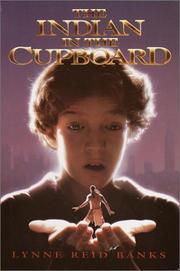
The Indian in the Cupboard
2,228-word summary 10 min read 181 pages in the book
- First published
- 1980
- Publisher
- Doubleday
- Pages
- 181
- ISBN
- 9780385170512
- Series
- The Indian in the Cupboard (#1)
Reading options
What's inside (7 sections)
I came back to this one after years of only half remembering the film. A friend with a nine year old asked if it still holds up, and I said I should reread before I gave an opinion. The Indian in the Cupboard by Lynne Reid Banks, published in 1980 by Doubleday, is the 181 page first book in The Indian in the Cupboard series with ISBN 9780385170512. I read it in two evenings, and then I sat with the ending longer than I expected for such a short book.
The setup is simple enough to tell a child in one breath. Omri gets a plastic Indian figure for his ninth birthday, locks it in an old cupboard with a special key, and the next morning the figure is alive. A three inch Iroquois man stands there, angry and hungry, with a past and a temper. Omri has to feed him, hide him, and learn, fast, that a living person is not a toy.
If you remember only the magic, the book will surprise you. A lot of it is about care. Food in tiny portions. Bedding. Fear of being found out. And a growing unease in Omri that he has taken someone from his own time.
A birthday and a cupboard
Omri is nine, with brothers, a busy house, and the feeling many middle kids know of being slightly overlooked on his own day. His friend Patrick gives him a plastic Indian, which lands flat at first. His brother Gillon gives him a small metal cupboard with a mirror and a lock, found somewhere and passed on. It is the kind of gift adults might call junk and a boy calls treasure.
The key comes from Omri’s mother. She lets him look through her keys for one that fits, and he picks an old one with a ribbon that belonged to his great grandmother. It turns. He puts the Indian inside, locks the door, and goes to bed disappointed with his birthday.
Noise wakes him. A small, real voice. When he opens the cupboard the next morning, the plastic is gone and a tiny man is there, brandishing a knife that is suddenly sharp. Omri is big enough to lift the house and clumsy enough to kill with one wrong move. That size gap shapes everything after.
I liked how Banks handles Omri’s first reaction. He is thrilled, then scared, then sorry. He tries to pick Little Bear up and gets stabbed for his trouble. He offers food and gets orders in return. Little Bear, son of an Iroquois chief, does not act grateful. Why would he? From his side, a giant stole him in his sleep.
One detail I had forgotten: the magic only works one way through the cupboard. Put plastic in, lock with the key, open to find it alive. Put the living person back in, lock, open to find plastic again. Omri learns the second part by accident and it frightens him badly. For a while he is afraid to use the cupboard at all, in case Little Bear stops breathing as plastic. When he hears movement again, his relief is physical.
Little Bear makes demands
Little Bear is not a mascot. He is proud, quick to anger, and used to command. He wants meat, not sweets. He wants a fire, a bed, a place to hide that is not a drawer. Omri tears around the house collecting crumbs of cheese, bits of bread, corn kernels, drops of cola in a bottle cap. Little Bear drinks and glares.
The tipi moment is famous for a reason. Omri proudly makes a little cloth tipi and Little Bear rejects it flat. Iroquois live in longhouses, he says. That sends Omri to his books and to the library in his head. He realizes his picture of Indians came from cowboy films and toy sets. Banks lets Omri feel embarrassed without preaching at him. He just starts asking better questions.
He also learns Little Bear has a history that is not clean or simple. Little Bear boasts about scalps taken in war. He asks for a gun. Omri says no and bargains him down to a bow, arrows, a horse. It is a strange negotiation to read as an adult, a boy trying to set limits for a warrior three inches tall. As a parent reading now, I felt the wobble Banks wants you to feel. Omri wants to please his guest and also keep him from harming anyone.
The horse part nearly ends badly. Omri brings a plastic horse to life, Little Bear tries to ride, the hoof opens his leg. Blood at that scale is terrifying. Omri panics, grabs a plastic medic figure to steal bandages from its kit, and gets a live World War I orderly named Tommy instead. Tommy thinks he is dreaming in France and still does his job, cleaning and wrapping the cut while Omri watches through a magnifying glass. Then Omri sends Tommy back. The whole scene takes maybe ten pages and it taught me more about Omri than any speech could. He improvises, he watches, he puts the other person back where he belongs even when he wants help to stay.
An older plastic chief figure dies of shock when brought to life early on. Little Bear takes the feather headdress, since no one else can hold the rank. Banks does not soften the boy’s reaction. Omri cries. Little Bear gets sterner. That gap between them matters later.
Patrick and Boone
Omri tries to keep the secret. He fails the way nine year olds fail, by telling his best friend. Patrick is the opposite of careful. Loud, funny, hungry for a turn. When Omri says no to sharing the key, Patrick brings his own plastic cowboy and pushes until Omri gives in or gets exposed.
The cowboy is Boone, a lean Old West man with a horse of his own and a head full of slurs about Indians. He calls Little Bear savage and dirty within minutes. Little Bear answers with contempt of his own. Omri puts them in separate corners and they still find ways to fight. Breakfast is an egg and beans split on spoons. Bath is an egg cup of warm water. Both men hate being washed by a giant.
Taking them to school is Patrick’s idea and it goes as badly as you would hope. Omri carries them in pockets. The boys quarrel in class, get sent to the head, and Patrick, pressed, shows Boone to the headmaster. The man looks, blinks, and decides he is overworked and should go home. I laughed out loud at that. Banks trusts adults to miss the impossible right in front of them, which any kid will tell you is accurate.
Boone has his own small grace note. In art class he draws a tiny street scene from his own time, fine lines Omri could never manage. Omri hands it in as his own and the teacher stares through a glass at work no child should be able to do. Omri runs out laughing because there is no other response. For a second the book lets magic be pure fun before it turns serious again.
My honest gripe from this stretch: Patrick can grate. He treats living people as stunts for a long time. Banks knows it and lets Omri get angry about it, but younger readers may find Patrick’s pushiness uncomfortable. I did, even while remembering I was a bit of a Patrick myself at that age.
The Western, the arrow, the rat
The middle turn comes on an ordinary evening. The boys watch an old Western on TV with both tiny men. On screen, cowboys shoot Indians and the music tells you to cheer. Boone cheers. Little Bear goes still, then draws his bow and puts an arrow through Boone’s chest before Omri can move.
Banks stages the aftermath without flinching. No speeches about prejudice. Just panic and work. Do not touch the shaft wrong. Get Little Bear to pull it. Press cloth. Keep Boone warm. Little Bear is horrified at what he did and also frozen, because his medicine cannot reach this deep. Patrick keeps saying they need the key to fetch a proper medic, and the key is gone.
The lost key plot could feel contrived, but here it feels like family life. Omri’s brother Adiel took the cupboard to the attic to get back at Omri over shorts. The shorts turn up behind a radiator. The cupboard turns up dusty. The key slipped under floorboards where Gillon’s pet rat now lives. Omri’s dad lifts boards, finds no rat, gives up. The boys are left listening to scratching under the floor with a dying man on the table.
Little Bear earns his name in these pages. Guided by lamplight, he goes down into the dark with a spear made from a pin, finds the key, and runs it back with the rat behind him. Omri feels small feet hit his palm and closes his hand just in time. I held my breath even knowing how it ends. The image of that run, a chief carrying iron bigger than his arm while something huge hunts him, is the book at its best.
They bring Tommy back through the cupboard a second time. He stitches Boone, leaves medicine and orders, and goes back to his war thinking it was all a dream. Little Bear sits up all night with Boone, damp cloth, sips of water. By morning the fever breaks. Boone, pale and shaky, agrees to hear Little Bear out. They do not become friends at once. They agree to stop trying to kill each other, which in this book counts as progress.
Bright Stars and goodbye
With Boone healing, Little Bear asks for what he sees as his due. A wife. He is chief now, he says, and a chief needs family. Omri and Patrick go to the toy shop with coins and dread, spreading plastic women on the counter while Mr. Yapp watches like they are thieves. They pick one in red. Yapp accuses Omri of pocketing extras. Patrick talks fast and saves him. On the way home Omri whispers to the two tiny men in his pocket to sit still and be plastic, and they do, which is both funny and a little sad. Even Boone knows how to play dead now.
The figure becomes Bright Stars, a young Iroquois woman who wakes frightened and then steady. She and Little Bear speak, look, agree. Banks writes their courtship in few lines. No coy romance. Just recognition. Omri throws a feast with tiny meat and corn and a thimble of drink, plus big food for the boys. Boone eats too much, drinks a little, and offers his arm for the blood brother rite with Little Bear. The knife comes out. Boone goes white. They do it anyway, and Bright Stars binds their wrists with hide.
I expected the book to end on the party. It does not. Little Bear says the happy moment is the right moment to leave. Omri understands before Patrick does. Keeping them would mean more TV fights, more rats, more arrows, more near deaths. Loving them means sending them home.
The goodbye is quiet. Little Bear and Bright Stars step into the cupboard with their horses and goods. Boone steps in with his. Omri locks the door with the old key, opens it, and finds plastic. He keeps the figures. He carries the key back to his mother and tells her, without telling her, that he does not want to be tempted. She looks at him a beat longer than usual. Parents in this book miss a lot and still catch the shape of it.
I will not pretend the dated parts vanish. The word Indian in the title, the broken English dialogue, the scalps boast, Boone’s insults repeated on the page, all of it needs context now. Reading with a child, I would pause and talk about names, about Haudenosaunee life, about why a 1980 book gets some things wrong even while trying to get respect right. Banks has Omri start that work himself when he swaps tipi for longhouse and when he sees Little Bear as a person with a past rather than a brave from a set. It is a start, not a finish. For some families that will be enough to read together. For others it will not, and I respect that.
Who is it for? Confident readers around eight to eleven who like small world play and can handle a hurt cowboy and a hard choice. The chapters are short. The sentences are plain. The scares are domestic, a rat under boards, a lost key, blood you can barely see. The 181 pages move fast, and the magic rules stay clear the whole way.
I finished feeling fond and a little wrung out. Omri gives up the best thing that ever happened to him because it belongs to someone else. That is a large idea for a small book to carry, and Banks lets it land without a moral stamped on top. He puts the cupboard back empty. Patrick suggests leaving it that way, just in case. Omri does not promise. He just goes downstairs for tea.
FAQ
When was The Indian in the Cupboard published?
First published in 1980 by Doubleday. The edition cited here runs 181 pages with ISBN 9780385170512.
Is The Indian in the Cupboard part of a series?
Yes. It is book 1 in The Indian in the Cupboard series, followed by sequels about Omri and the magic key.
Who are the main characters?
Omri, his friend Patrick, Little Bear the Iroquois man, Boone the cowboy, Bright Stars, and medic Tommy.
Similar books
More from The Indian in the Cupboard first, then related titles.

The Field Guide
Three siblings move into a creepy Maine estate, anger a brownie, and find a forbidden guide to the fairy world in the first Spiderwick book.
2,033-word summary · 9 min read
The Stonekeeper
After their father's death, Emily and Navin chase a monster into a hidden world to save their mother, and Emily's great-grandfather's amulet offers power at a…
2,753-word summary · 12 min read
Magyk
A baby found in snow, a lost seventh son, and a run for the Marram Marshes as Marcia Overstrand shields two children from DomDaniel.
2,604-word summary · 12 min read
Secrets of the Dragon Sanctuary
Kendra is replaced by a plant copy and held by the Society, while Seth steals a unicorn horn so the family can enter a dragon sanctuary.
2,590-word summary · 12 min read
The Time Paradox
When his mother falls ill with a fairy disease, Artemis Fowl travels back in time to find the extinct lemur that can cure her and confronts his younger self.
2,601-word summary · 12 min read
Grip of the Shadow Plague
A plague turns Fablehaven's creatures of light into shadows while Kendra hunts an artifact in Arizona and Seth races to find the cause.
2,131-word summary · 9 min read
Into the Wild
Housecat Rusty joins ThunderClan and learns clan law before war.
2,597-word summary · 12 min read
Gregor the Overlander
Gregor follows Boots down a grate into the Underland and a war prophecy.
2,516-word summary · 11 min read
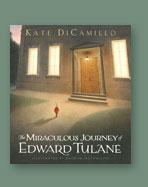
The Miraculous Journey of Edward Tulane
A china rabbit lost at sea learns to love through owners kind and cruel across many years.
2,002-word summary · 9 min read
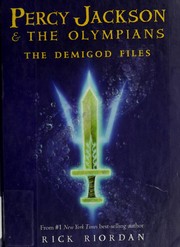
The Demigod Files
Three Percy Jackson side quests plus camp maps, cabin guides, interviews, and god profiles set before the final battle.
2,498-word summary · 11 min read
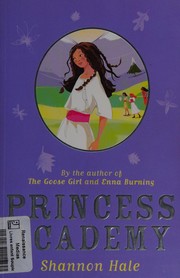
Princess Academy
Miri leaves her Mount Eskel quarry home for Princess Academy, where quarry songs, books, and a bandit siege shape her fight for fair trade, a school, and a…
2,441-word summary · 11 min read
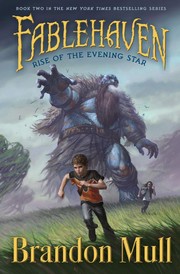
Rise of the Evening Star
Kendra and Seth return to Fablehaven as the Society of the Evening Star closes in, with a traitor inside the house and a demon prison key at stake.
2,874-word summary · 13 min read
Fablehaven
Kendra and Seth spend the summer with their grandfather and learn his woods hide Fablehaven, a preserve for fairies, satyrs and darker things.
2,949-word summary · 13 min read
The Silver Chair
Eustace and Jill retold: four signs, a lost prince, Puddleglum the Marsh-wiggle, giants at Harfang, and the Lady below.
2,940-word summary · 13 min read
The Witches
A boy and his grandmother face the Grand High Witch's plan to turn England's children into mice.
2,738-word summary · 12 min read
The Wonderful Wizard of Oz
Dorothy is carried to Oz by a cyclone and walks the yellow brick road with Scarecrow, Tin Woodman, and Lion.
3,297-word summary · 15 min read
The Lion, the Witch and the Wardrobe
C. S. Lewis's Narnia opener retold: four Pevensies, the White Witch's winter, Aslan's sacrifice, and the crowning at Cair Paravel.
2,502-word summary · 11 min read
The Blinding Knife
Kip trains to join the Blackguard while the Prism hides his true identity, loses his colors, and fights a war against a rogue drafter who wants to birth a god.
2,049-word summary · 9 min read

Inkdeath
The final Inkworld novel sends Mo into the land of the dead, leaves Meggie choosing between two boys, and ends the Adderhead's immortality with three written…
2,062-word summary · 9 min read
Dawnshard
Rysn sails toward forbidden Akinah to save her dying larkin and finds a Dawnshard guarded by the Sleepless.
3,229-word summary · 14 min read
Bone, Vol. 1: Out from Boneville
Three cartoon cousins are run out of Boneville, separated by locusts, and dropped into a valley where rat creatures and an old grudge are waiting.
2,155-word summary · 10 min read
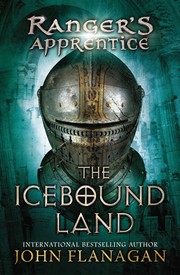
The Icebound Land
Captured and enslaved in Skandia, Will fights a drug that erases him while Halt and Horace cut a bloody road through Gallica to bring him home.
2,088-word summary · 9 min read

Lioness Rampant
Alanna searches for the Dominion Jewel with the Shang Dragon, then returns to Tortall to face Duke Roger at Jonathan's coronation.
2,478-word summary · 11 min read
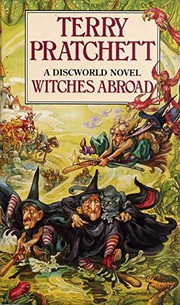
Witches Abroad
Three Lancre witches fly to Genua to stop a fairy godmother from forcing a servant girl into a storybook marriage, and find a city arranged around a happy…
2,651-word summary · 12 min read
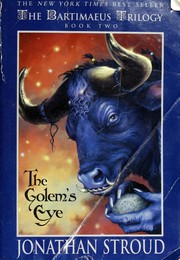
The Golem's Eye
Two years after The Amulet of Samarkand, Nathaniel is a rising bureaucrat, Bartimaeus is his unwilling servant again, and something made of clay is tearing…
2,299-word summary · 10 min read
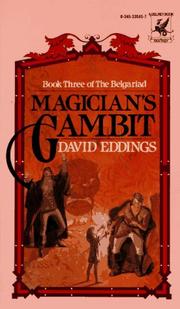
Magician's Gambit
Garion and his companions cross haunted Maragor and the caves beneath Rak Cthol to recover the Orb of Aldur.
2,391-word summary · 11 min read
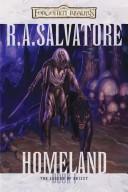
Homeland
Drizzt Do'Urden is born into the cruel drow city of Menzoberranzan, where his father teaches him to fight and to doubt everything his family believes.
2,303-word summary · 10 min read
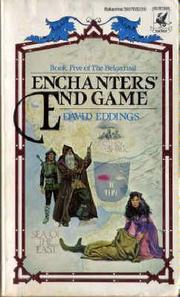
Enchanters' End Game
Garion marches toward Torak while Ce'Nedra leads the West's army in the final Belgariad volume, where prophecy and war meet.
2,557-word summary · 11 min read
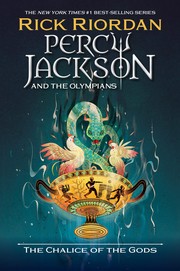
The Chalice of the Gods
Percy needs three recommendation letters from three gods to apply to college, so his first quest is recovering a stolen chalice from the god of old age.
2,106-word summary · 9 min read
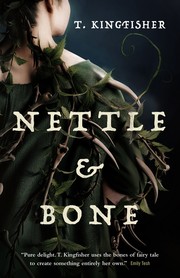
Nettle & Bone
Marra, a princess in a convent, leaves to save her abused sister, but first she must finish three impossible tasks: a bone dog, a nettle cloak, moonlight in a…
2,061-word summary · 9 min read