
Reading options
What's inside (8 sections)
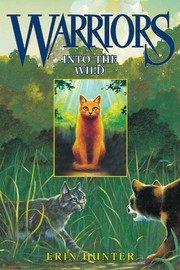
Important to say up front. This is not the Jon Krakauer book about Chris McCandless in Alaska. That book is already on this site under the slug into-the-wild, published in 1996 by Villard. This is a different book with the same title. Into the Wild by Erin Hunter, published in 2003 by HarperCollins, 272 pages in hardcover, ISBN 9780060000028, opens the Warriors series about feral cats living in forest clans. Housecat Rusty joins ThunderClan and learns clan law before war, which is the short version on the cover. The full version runs much longer and smells of pine and blood.
I picked it up because a fourth grade neighbor pressed it on me at a barbecue and said it was about cats with rules. I expected a cute animal story. What I got was clan politics with teeth. Alliances break. Mentors die. A kittypet with soft paws has to prove he belongs among cats who hunt for every meal. I read most of it in two sittings, then went back to track who was who.
Erin Hunter is a shared pen name for several writers working with editor Victoria Holmes. The lore stays tight across chapters. The prose stays plain and quick. You never get lost about what StarClan wants or what a Gathering means for long, because someone explains it again.
Rusty hears Graypaw in the woods
Rusty is a bright orange kittypet living with housefolk at the edge of the woods. He hunts mice for fun and dreams about pine forest past the garden fence. His friend Smudge, a plump housecat, warns him that wild cats are dangerous and that housefolk provide food for a reason. Rusty listens, then ignores him. He slips out at night and meets Graypaw, a gray apprentice out training with two other ThunderClan apprentices.
The first fight is short and telling. Rusty holds his own better than expected despite clipped claws and a full belly. Graypaw respects the nerve. Bluestar, the blue gray leader of ThunderClan, watches from the trees with her deputy Lionheart and senior warrior Tigerclaw. She sees a possible answer to a prophecy Spottedleaf the medicine cat received about fire saving the clan. She invites Rusty to join.
Rusty hesitates for about a day. He loves his housefolk. He hates the collar. He dreams of hunting without fences. He returns to the woods, accepts Bluestar's offer, and takes the apprentice name Firepaw. His housefolk collar comes off. That removal scene carries more weight than expected. No speech. Just a small strip of red left in the dirt while Smudge stares. For a book aimed at middle grade readers, it understands what leaving home costs.
I don't recall the exact order of every talk that leads him to stay, probably because Hunter spreads it across several short scenes. One with Smudge. One with Graypaw. One with Bluestar. The effect is clear enough. Comfort against hunger. Safety against pride. A bowl by the door against cold nights under stars. Firepaw chooses hunger and stars. Young readers who ever wanted to run past the yard will get it at once.
ThunderClan camp and the apprentice load
ThunderClan camp sits in a sandy hollow ringed by gorse and brambles, with dens for leader and medicine cat and warriors and apprentices tucked under roots and rock. Hunter walks Firepaw through each den the way a new kid gets walked through a school. Here is where you sleep. Here is where you eat. Here is the medicine store with herbs you must not touch. Here is the fresh kill pile where prey goes first to elders and kits.
Clan law gets taught in chunks. A warrior does not hunt on another clan's ground. Kits and elders eat first. The deputy organizes patrols. The medicine cat answers to StarClan, the spirit ancestors who send omens through dreams and signs. The leader holds nine lives granted at a moonstone ceremony. Breaking the code brings shame or exile. Firepaw soaks it up while older apprentices smirk at his smell of housefolk and carpet.
Training scenes pile up fast. Hunting crouches. Stalking leaves without crackle. Battle moves with names like belly rake and front paw blow. Graypaw, now his closest friend alongside Ravenpaw, a shy black apprentice, shows him shortcuts and covers his mistakes. Mentor Lionheart corrects his footing. Tigerclaw watches with cold appraisal that reads as menace from the start. Whitestorm, a big white warrior, offers steadier kindness. Spottedleaf patches cuts and speaks softly about fire.
What works here is concrete sensory writing. Hunter knows how a forest sounds at dawn. Paws on leaf mold. Bird alarm calls. Scent lines after rain. Firepaw learning to read wind direction before a pounce gives the book texture beyond talking cats. Kids who hunt for crawdads or track rabbits will recognize the patience involved.
What drags is name overload. Bluestar, Lionheart, Tigerclaw, Whitestorm, Graypaw, Ravenpaw, Dustpaw, Sandpaw, Longtail, Darkstripe, Willowpelt, Spottedleaf, Yellowfang. Within forty pages you meet more cats than most adult novels introduce in full. Similar coat colors blur. Similar paw suffixes blur more. I kept a list on scrap paper. Graypaw the friend. Ravenpaw the nervous one. Dustpaw the bully. Sandpaw the sharp tongued. Without that list I would have mixed up who insulted Firepaw in which scene. Younger readers with strong memory for animal casts may cope better. I needed help.
Hunting, patrols, and first blood
Daily life settles into patrols and hunting and border marking. ThunderClan shares the forest with three other clans. RiverClan fishes the river and grows sleek on good prey. WindClan runs the open moor and hunts rabbits. ShadowClan lurks in darker pines and has a reputation for harsh leaders. Each clan meets at Fourtrees under truce each full moon for a Gathering where leaders report news and StarClan is honored.
Firepaw messes up plenty. He chases prey across the Thunder path into ShadowClan ground. He eats before elders once and gets scolded. He speaks out of turn at a training session. He gets clawed by Longtail in a dominance test and wins by luck and grit more than skill. Graypaw cheers. Ravenpaw hangs back. Tigerclaw criticizes the form. Lionheart praises the heart. That split between Tigerclaw chill and Lionheart warmth becomes a pattern you can track without being told.
A RiverClan patrol clash gives the book its first real taste of war talk. Oakheart of RiverClan claims sunning rocks. ThunderClan disputes it. Claws come out. No one dies here, but ears tear and tempers flare. Firepaw discovers battle rage that scares him after. He shakes. He pants. He wants to go again. Hunter does not glorify it exactly, but she does not look away either. Kits in camp hear the stories and beg for moves. Elders brag about old scars. Violence is currency here, and Firepaw is learning to spend it.
Hunter also threads in herb lore through Spottedleaf and later Yellowfang, a grouchy old ShadowClan medicine cat who seeks refuge. Poppy seeds for pain. Catmint for greencough. Cobwebs for bleeding. Tansy, thyme, juniper. Some of this draws on real plant uses. Some is invented for clan life. Either way it gives nonfighter scenes purpose. Sick cats need care. Kitting queens need quiet. A clan is not only patrols. It is also nests and coughs and shared tongues grooming at dusk.
I admired how Hunter shows hunger as a plot engine rather than background color. Leaf bare approaches. Prey thins. Twolegs, meaning humans, encroach with monsters, meaning machines and road gear, on the edges. When bellies empty, tempers shorten and old border deals crack. That link between food and temper gives the later battles motive beyond pride. Cats do not fight only because the plot needs a fight. They fight because kits cry at night.
Tigerclaw, Ravenpaw, and a murder
The middle turn belongs to Tigerclaw and poor Ravenpaw. Ravenpaw sees Tigerclaw kill Redtail, the ThunderClan deputy, on the way back from a RiverClan skirmish and claim that Oakheart did it. Firepaw and Graypaw piece it together slowly. Ravenpaw shakes when Tigerclaw enters camp. He stops eating. He jumps at twig snaps. Firepaw presses him until the story spills.
This is the strongest writing in the book because Hunter trusts fear without explaining it to death. Ravenpaw is not brave in the patrol sense. He is loyal in the trembling sense. He tells what he saw even though his voice breaks. He agrees to lie low. Firepaw and Graypaw smuggle him food. They promise to protect him. The promise is too big for apprentices, which is exactly why it hurts.
Tigerclaw looms as a villain cut from old mold but effective. Huge tabby. Long claws. Scarred nose. Polite to Bluestar. Cruel to apprentices when no senior watches. He singles out Firepaw for extra drills that border on punishment. He praises RiverClan strength in ways that sound like threats. Adults reading along will spot the power grab early. Kids may enjoy the slow burn of knowing more than Bluestar does for a while.
Bluestar herself is well drawn as a leader under strain. She believes the fire prophecy. She shields Firepaw from prejudice about kittypet blood. She also misses signs about Tigerclaw because she needs strong fighters with WindClan gone and ShadowClan pushing. Her blind spot is human in cat terms. She trusts senior warriors to handle apprentice squabbles. That trust nearly gets Ravenpaw killed.
The solution for Ravenpaw is exile by kindness. With help from an old loner named Barley who lives on a farm, Firepaw and Graypaw sneak Ravenpaw out of ThunderClan territory to live as a barn cat. It is a sad and practical fix. Ravenpaw lives. ThunderClan loses a witness. Tigerclaw stays. That moral mess lingers longer than any battle wound. Doing the right thing does not fix the camp. It only saves one cat.
ShadowClan war and Brokenstar
While ThunderClan nurses its own trouble, ShadowClan under Brokenstar turns brutal. Brokenstar is a young leader who drives out elders, trains kits too early for battle, and pushes WindClan off the moor entirely. Refugees stagger into ThunderClan asking for aid. RiverClan stays neutral. Tensions rise at the Gathering when Brokenstar demands hunting rights and mocks Bluestar for taking in a kittypet.
Brokenstar raids ThunderClan camp directly, which violates every norm Hunter set up. Kits go missing in the chaos. Spottedleaf dies defending them. Lionheart dies in a later clash after fighting bravely. These deaths hit because Hunter spent pages making Lionheart a steady mentor and Spottedleaf a gentle presence with hinted affection for Firepaw. Losing both in quick chapters hollows the camp.
Yellowfang enters here as the book's prickliest gift. Cast out from ShadowClan after opposing Brokenstar, she arrives starved and snarling and is taken in as prisoner turned helper. She knows herbs. She knows Brokenstar. She spars with Firepaw and respects his nerve. Her scenes with old ThunderClan elders crackle. She calls out self pity. She demands more fresh kill for kits. She carries guilt about apprenticing Brokenstar years back. If there is a character adults will steal the book for, it is her.
The counterattack on ShadowClan camp is long and bloody and hard to skim. Firepaw fights despite a hurt leg. Graypaw fights beside him. Tigerclaw leads one group with chilling efficiency. Bluestar leads the whole push. ShadowClan kits and elders cower while young trainees throw themselves at invaders because Brokenstar ordered it. Hunter does not hide that horror. Kits should not be in battle. When ThunderClan wins and deposes Brokenstar, the victory tastes of ash. Yellowfang refuses leadership of ShadowClan and stays with ThunderClan. That choice says a lot about where loyalty lives after failure.
If I have a complaint about this stretch, it is body count management. Major deaths arrive close together with little space to grieve. Spottedleaf dies off page in camp chaos and gets a short vigil. Lionheart dies and gets a longer one, but the plot rushes to the next raid. The book wants both shock and momentum, and shock loses. A few quiet pages with Firepaw sitting vigil would have deepened both losses. Instead we march.
Fireheart and what the series promises
Bluestar names Firepaw a warrior at the end under the name Fireheart, with Graypaw becoming Graystripe at the same ceremony. The new names signal full membership. No more kittypet taunts, or fewer. No more apprentice den. Fireheart keeps vigil through the night in silence while clanmates guard him, a custom Hunter renders with unusual stillness after so much claw work. Dawn comes. The clan cheers. Tigerclaw watches.
That closing beat works because the book earned it through small humiliations. Fireheart learned to hunt without scaring every bird in the wood. He learned the code well enough to argue about it. He chose clan over comfort more than once. He saved Ravenpaw by letting him go. He fought for kits who once mocked his collar. None of that erases kittypet birth. It reframes it as a different kind of strength. He knows Twoleg ways and forest ways both.
Still, new readers should know what kind of series this starts. Warriors is long, earnest, and repetitive by design. Each book adds omens and patrols and border fights and a Gathering with posturing. Cats gain suffixes and lose lives. Villains scheme. Medicine cats dream. If you love intricate social rules and tracking many characters across volumes, you will be happy for many books. If you want tight single volume arcs with clean ends, you may tire by book three or four. I say that as someone who went on to book two at once.
Criticism beyond the name blur. The prose leans on telling verbs when showing would bite harder. He snarled. She meowed softly. He hissed in rage. Dialogue tags do a lot of lifting. Battles sometimes blur into claw and fur and yowl without clear geography. Fourtrees is vivid. ShadowClan camp less so. I sometimes lost track of who stood where during the final raid. A simple sketch map in early editions helps, and I recommend using it.
Who will love this. Kids around eight to twelve who adore animals and rules and secret societies. Cat owners who recognize hunting crouches and tail signals. Parents who want adventure without human gore. Who may bounce off. Readers who want morally gray leads from page one. Fireheart is good to the bone. Readers who dislike animal death on page. Cats die here, including cats you care about. The book does not hide that.
Facts for the shelf to keep straight against the other Into the Wild. This book is Into the Wild by Erin Hunter, first in the Warriors series, series order 1. First published in 2003 by HarperCollins. Hardcover runs 272 pages. ISBN 9780060000028. Author slug erin-hunter. Slug on this site must be into-the-wild-warriors to avoid clash with the Krakauer slug into-the-wild. Tags that fit from the site list are fantasy and animals plus adventure and children and middle grade. Excerpt notes housecat Rusty joining ThunderClan and learning clan law before war.
I closed it with pine sap in my head and a new respect for barn cats. Fireheart stays because he chooses the code even after seeing its costs. Brokenstar falls because he treats the code as a tool. Tigerclaw waits because men like him always wait. That triangle will carry the next books, and it is strong enough to hold. Just keep the name list handy. You will need it when Graystripe teases and Dustpelt sneers and Sandstorm softens and Yellowfang grumbles over herbs.
FAQ
Is this the same Into the Wild as Jon Krakauer?
No. The Krakauer 1996 book about Chris McCandless is already on site as into-the-wild. This Hunter 2003 book starts Warriors about cats.
What series and order is the Erin Hunter book?
Warriors book 1, published in 2003 by HarperCollins in a 272 page edition with ISBN 9780060000028.
Who is Rusty?
An orange housecat who joins ThunderClan as Firepaw and trains with Graypaw under Lionheart.
Similar books
More from Warriors first, then related titles.
Gregor the Overlander
Gregor follows Boots down a grate into the Underland and a war prophecy.
2,516-word summary · 11 min read
The Miraculous Journey of Edward Tulane
A china rabbit lost at sea learns to love through owners kind and cruel across many years.
2,002-word summary · 9 min read

The Field Guide
Three siblings move into a creepy Maine estate, anger a brownie, and find a forbidden guide to the fairy world in the first Spiderwick book.
2,033-word summary · 9 min read
The Stonekeeper
After their father's death, Emily and Navin chase a monster into a hidden world to save their mother, and Emily's great-grandfather's amulet offers power at a…
2,753-word summary · 12 min read
The Indian in the Cupboard
Omri learns a key turns plastic Little Bear into a live Iroquois man.
2,228-word summary · 10 min read
Hoot
Roy tracks a shoeless boy to save burrowing owls from a pancake house.
2,290-word summary · 10 min read
The Demigod Files
Three Percy Jackson side quests plus camp maps, cabin guides, interviews, and god profiles set before the final battle.
2,498-word summary · 11 min read
Redwall
A novice mouse hunts for Martin the Warrior's lost sword while Cluny the Scourge besieges Redwall Abbey.
2,727-word summary · 12 min read
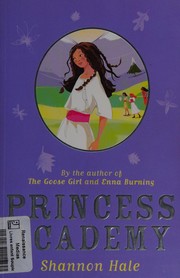
Princess Academy
Miri leaves her Mount Eskel quarry home for Princess Academy, where quarry songs, books, and a bandit siege shape her fight for fair trade, a school, and a…
2,441-word summary · 11 min read
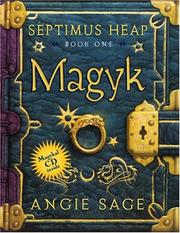
Magyk
A baby found in snow, a lost seventh son, and a run for the Marram Marshes as Marcia Overstrand shields two children from DomDaniel.
2,604-word summary · 12 min read

Bone, Vol. 1: Out from Boneville
Three cartoon cousins are run out of Boneville, separated by locusts, and dropped into a valley where rat creatures and an old grudge are waiting.
2,155-word summary · 10 min read

The Icebound Land
Captured and enslaved in Skandia, Will fights a drug that erases him while Halt and Horace cut a bloody road through Gallica to bring him home.
2,088-word summary · 9 min read

Secrets of the Dragon Sanctuary
Kendra is replaced by a plant copy and held by the Society, while Seth steals a unicorn horn so the family can enter a dragon sanctuary.
2,590-word summary · 12 min read
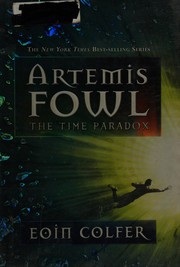
The Time Paradox
When his mother falls ill with a fairy disease, Artemis Fowl travels back in time to find the extinct lemur that can cure her and confronts his younger self.
2,601-word summary · 12 min read
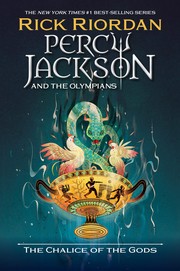
The Chalice of the Gods
Percy needs three recommendation letters from three gods to apply to college, so his first quest is recovering a stolen chalice from the god of old age.
2,106-word summary · 9 min read

Grip of the Shadow Plague
A plague turns Fablehaven's creatures of light into shadows while Kendra hunts an artifact in Arizona and Seth races to find the cause.
2,131-word summary · 9 min read
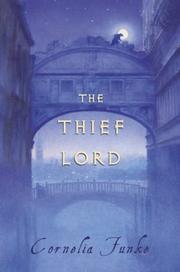
The Thief Lord
Orphaned brothers join a gang of Venice street kids and a masked Thief Lord, chasing a magic merry-go-round that can change a person's age.
2,040-word summary · 9 min read
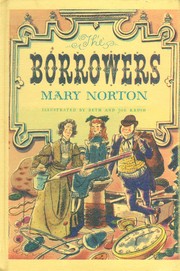
The Borrowers
A family of tiny people live under the floorboards of an English house, borrowing what they need until a lonely boy and a suspicious housekeeper change…
2,164-word summary · 10 min read
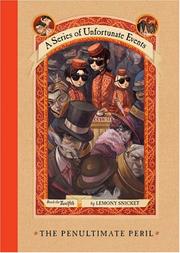
The Penultimate Peril
Baudelaires as concierges in a hotel sort friends from foes before the end.
2,234-word summary · 10 min read
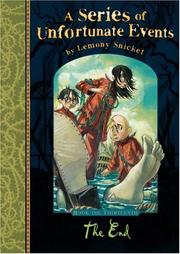
The End
Baudelaires wash on an island where others decide what safe means.
2,320-word summary · 10 min read

A Swiftly Tilting Planet
Charles Wallace rides time with a unicorn to stop a dictator before birth.
2,193-word summary · 10 min read

Charlie and the Great Glass Elevator
Charlie and Wonka overshoot Earth in the glass elevator, meet alien Knids, then risk age pills and Minusland.
2,514-word summary · 11 min read
The Hostile Hospital
The Baudelaires hide in half-built Heimlich Hospital, uncover a thirteen-page file hinting a parent survived, and flee Olaf's surgery trap through fire.
2,658-word summary · 12 min read
The Grim Grotto
Snicket eleventh Baudelaire book, Sept 2004 HarperCollins, 323 pages: the Queequeg crew, Gorgonian Grotto fungus, Fiona choice, and Sunny wasabi cure that…
2,789-word summary · 12 min read
The Jungle Book
Mowgli, raised by wolves in the Seeonee Hills, learns the Law from Baloo and Bagheera while Shere Khan circles. Kipling's 1894 story collection.
2,799-word summary · 12 min read
The Carnivorous Carnival
Baudelaires hide as carnival freaks to find V.F.D. clues, facing lions, Olaf, and a fateful cliff split.
2,027-word summary · 9 min read
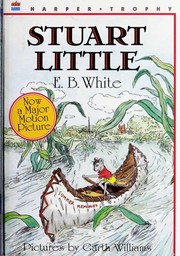
Stuart Little
A two-inch boy in a New York family befriends a canary, loses her, and drives off alone to find her.
2,591-word summary · 12 min read
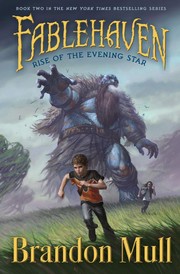
Rise of the Evening Star
Kendra and Seth return to Fablehaven as the Society of the Evening Star closes in, with a traitor inside the house and a demon prison key at stake.
2,874-word summary · 13 min read
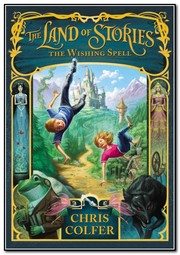
The Wishing Spell
Twins Alex and Conner fall through a book of fairy tales and must gather eight keepsakes to get home.
2,714-word summary · 12 min read
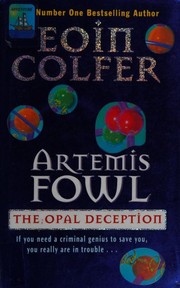
The Opal Deception
Mind-wiped Artemis steals a Munich painting while escaped pixie Opal Koboi frames Holly Short for murder and plots exposure.
2,767-word summary · 12 min read