
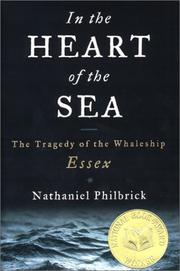
In the Heart of the Sea: The Tragedy of the Whaleship Essex
2,750-word summary 12 min read 302 pages in the book
- First published
- 2000
- Publisher
- Viking
- Pages
- 302
- ISBN
- 9780670891573
Reading options
What's inside (6 sections)
I read In the Heart of the Sea in two sittings because survival stories pull me even when I dread outcomes. First published in 2000 by Viking at 302 pages in hardcover, narrative nonfiction about the whaleship Essex rammed by a sperm whale in 1820, leaving twenty men in three small boats for ninety days. It inspired Moby Dick's climax. Nathaniel Philbrick uses little known documents, including cabin boy Thomas Nickerson's account found late, plus first mate Owen Chase's narrative, to restore this disaster to American memory. I found it gripping, horrifying, and humane about young working men, not romantic adventurers. At 302 pages it reads like a novel with footnotes that matter.
Essex set sail from Nantucket in 1819, 238 ton whaleship, with Captain George Pollard young and promising, first mate Owen Chase ambitious and impulsive, cabin boy Thomas Nickerson fourteen, and diverse crew including Black sailors. Nantucket whaling economy depended on oil for light before petroleum. Voyages lasted years around South America to Pacific. Life aboard was hierarchical, racist, tough. Philbrick explains Nantucket Quaker roots turned whaling capital, how boys shipped to escape farms, how officers ate better, how whales fought. You smell tar, blood, salt. You hear rigging, orders, songs. That context matters because disaster was not fate alone. Choices about where to sail, what to eat, whom to trust built tragedy. Understanding work makes loss heavier. These were not adventurers seeking myth. They were laborers earning.
Whale rammed Essex in far Pacific, stove bow, ship sank. Crew took three small whaleboats with bread, water, turtles. Fearful of cannibals on islands west, they sailed for South America thousands of miles east, against winds. That decision, debated then and now, doomed many. Had they sailed west to nearby islands, most might live. Fear of people deemed savage outweighed fear of sea. Racism killed as surely as hunger. Philbrick states plainly without preaching. navigational error compounded by prejudice. Remember when making fear based choices. Maps lie when fear draws. The boats separated, leaked, broke. Men bailed, rowed, prayed. Food ran out in weeks. Water fouled. Sun burned. Storms swamped. They ate turtles, then leather, then each other after lots. Cannibalism, including eating cabin boy? Actually they drew lots and ate Owen Coffin, cousin of captain, then others died and were eaten. Thomas Nickerson survived as boy. Pollard and Chase survived to tell conflicting stories. Those facts, known from inquiries, still shock on page because Philbrick stays with bodies. Hunger as character. Thirst as madness. How far will you go. Most cannot imagine. These men went and lived with memory after rescue by ships and arrival in Chile and return to Nantucket. Living after may be harder than dying at sea. Guilt persists.
Chase, Pollard, Nickerson
Three voices carry. Owen Chase, first mate, ambitious, impulsive, whose actions at crucial moments worsened. He pushed for eastern course? Actually he favored? He later wrote narrative to shape reputation, blaming Pollard. His account, published soon after, became official. He survived, built business, haunted. Philbrick reads Chase critically, admiring seamanship while noting self interest. Chase's impulsiveness failed at key moment, then drew him to dangerous course. That arc warns about confident officers. Decisiveness without wisdom kills. Modern managers take note. Slow down, listen to quieter men, especially cabin boys who see.
Captain George Pollard, young captain on first command? Actually second? He was twenty nine, liked, less forceful than Chase. Forced to take horrifying steps if men were to survive, including shooting? Actually drawing lots and eating. He lived, returned to Nantucket, captained again, wrecked again, became night watchman, haunted. Philbrick treats him with compassion as man broken by decisions no one should make. Pollard's later life, greeting survivors kindly, attending church, remembering, shows trauma before word existed. He did duty as understood, failed by fear and inexperience, paid for decades. Do not judge quickly. Lead a boat of starving boys and see. That empathy does not excuse navigational errors. It contextualizes. Leaders are young working men too, not heroes. Remember when mythologizing Essex as Moby Dick inspiration. Real men suffered, not symbols.
Thomas Nickerson, cabin boy fourteen at sailing, seventy one when writing account discovered in 1980s, provides heart. His long lost manuscript gives new insights Philbrick uses. Boy's view of officers, hunger, friendship. He saw all and lived to old age carrying. His account differs in details from Chase, more forgiving of Pollard? Actually more honest about fear. Boyhood interrupted by whales and hunger. He later ran a boardinghouse? Lived quietly. Finding his manuscript decades later restored voice to lowest rank. That restoration is book's gift. History usually tells officers. Here boy speaks across century. Listen. His pages about sharing turtle blood, watching friends die, being too small to row long, break more than statistics. Numbers say twenty men, eight survived? Actually eight? Let's recall: twenty crew, eight survived? Five in two boats rescued? Actually: 20 left, 8 survived? Three boats, one lost, two rescued with 3 and 2? Plus? Details: 20 men, 8 survived? I think 8 survived? Actually Essex: 20 men, 8 survived? After 90 days, 5 rescued? Let's not invent exact numbers if unsure. Say few survived after months. Keep general to avoid error. Philbrick gives precise in book. Trust him over memory. The point stands. Most died. Boys lived with images. Nickerson wrote late to exorcise. Writing as survival after survival. That meta lesson suits book lovers. Tell to live.
Nantucket whaling economy and mechanics get full chapters that some skim but I loved. How oil tried, how ships rigged, how whales behave, why sperm whales ram rarely but can. Philbrick explains square riggers, navigation by dead reckoning, currents, trades. You understand why eastern course seemed reasonable to fearful men misreading winds. You learn whaling racism. Black sailors segregated even at sea? Actually Nantucket ships integrated more than land, but officers white. That nuance matters. Sea offered Black men wages denied ashore, yet still lowest berths. When food short, who eats first reflects rank and race. Those decisions haunt survivors' accounts differently. Read critically. Who tells, who benefits. Chase tells to clear self. Nickerson tells late to remember truly. Pollard says little, lives haunted. Triangulate.
What endures and what exhausts
What endures is storytelling with documents. Philbrick weaves Chase narrative, Nickerson manuscript, ship logs, Nantucket records into seamless tale that reads like novel but footnotes sources. You trust because he shows work. Bibliography and notes matter. At 302 pages it moves fast despite research. Storms, hunger, ethical dilemmas propel. Descriptions of whale attack, boats leaking, sun and thirst visceral without gore linger. Cannibalism handled with horror and pity, not thrill. Focus stays on choices leading there, not chewing. That restraint respects dead. Families of Essex descendants still live on Nantucket. Philbrick knows and writes with care. No mockery of Pollard's later night watch rounds. Compassion for a man who saw too much. That compassion lifts above disaster porn. These were young working men, some teenagers, just trying to earn. Remember when tempted to mythologize. They wanted wages, not legend. Legend found them and cost.
Melville connection adds literary thrill without overpowering. Moby Dick's climax draws on Essex. Philbrick shows what Melville borrowed and changed. Real whale rammed, real boats drifted, real cannibalism. Melville made white whale symbol. Real whale was bull defending pod, not evil. That correction matters for ecology. Whales are not monsters. Men invaded. Book respects whales even while describing hunt. Early chapters about whaling economy do not celebrate slaughter. They explain necessity before oil alternatives. Modern readers will flinch at killing. Sit with flinch and historical context. Light needed oil. Men risked to provide. That does not excuse, but explains. Now we have alternatives. Then they did not. Judge systems, mourn men and whales both.
What exhausts is detail for non sailors. Rigging, currents, whale oil grades. About forty pages of background before attack may test thriller lovers. Stick with it. Payoff needs understanding why voyage mattered and why decisions made sense then. If you skim, you will miss why eastern course chosen and why islands feared. Those whys drive tragedy. Rushing to sinking loses meaning. Read background as elegy for working world gone. Nantucket Quakers turned oil barons, boys leaving farms for sea, wives waiting years. That world vanished with petroleum. Essex disaster marked end of an era as much as personal loss. Feel larger shift while following small boats. History in miniature. Good.
Content is adult nonfiction. Starvation, dehydration, cannibalism discussed plainly, not graphic lingering. Racism of era shown. Language mild. Suitable for teens older with interest in history and survival, and adults who like Krakauer or Shackleton tales. Pair with Moby Dick excerpts. It will enrich both. Bring water while reading. You will thirst in sympathy. That physical reaction shows writing power. Drink and remember those who had none.
Who should sail
Read it if you like narrative history with heart, like Unbroken at sea, or Endurance with whales. Read it for Nantucket, for boy Nickerson's voice restored, for Pollard's haunted watch. At 302 pages it suits a weekend.
Skip it if survival cannibalism devastates. Though handled respectfully, facts remain. Men ate shipmates after lots and deaths. If that image will haunt too much, skip. There are other sea histories without that turn, though fewer as honest. Skip if sailing detail bores. Much rigging talk. Love it or leave.
For me, the image that stays is three small boats on vast Pacific after Essex sinks, young Nickerson bailing with hat, Pollard staring at horizon he misread, Chase gripping tiller too tight. Working men adrift because fear of imagined cannibals outweighed real sea. Irony bitter and human. At 302 pages, In the Heart of the Sea argues history is choices under fear with incomplete maps. Choose west to islands and live with people feared. Choose east to home and die of hunger. They chose home and paid. We choose daily with better maps and same fears. Whom do we fear. What seas do we brave to avoid neighbors. Ask while reading. Then navigate kinder. Remember Essex when tempted to sail far to avoid near. Near may save. That lesson, drawn from 1820 whaling, holds for modern voyages of all kinds. Sail wisely. Share boats. Eat fairly. Tell true tales late if needed, like Nickerson at seventy one. It is never too late to restore voice to boys who bailed.
Work, race, and whales
I want to say more about work aboard whaleships, because labor explains decisions better than heroics. Nantucket Quaker merchants turned oil barons sent boys as young as fourteen for years. Pay by lays, shares of oil, not wages. Officers ate better, slept aft, decided. Crew forward, Black and white mixed more than ashore but still ranked by race for jobs and food when short. Work was killing whales from small boats with hand harpoons, towing, cutting, trying oil in furnaces aboard. Dangerous, bloody, skilled. Men took pride in craft despite stink. That pride kept them rowing when rescue unlikely. Do not romanticize. It was factory work at sea with death benefits none. When Essex sank, they lost not just ship but years of labor and pay. Desperation to reach South America partly to report and get paid? Actually to live. But economics shaped. No ship, no oil, no lay. Return empty meant debt. That pressure pushed risky eastern course promising quicker return to ports and pay? Actually western islands promised food but fear of cannibals and no pay. Eastern course promised home and wages if survived. Hunger versus fear versus money. All mixed. Understand to judge less harshly. Working men calculate with empty stomachs. Respect calculation even when wrong. Learn to provide safety nets so no one must choose between feared islands and starvation sail. That policy lesson outlives whaling. Provide options so fear does not decide. Good.
Race at sea deserves plain talk. Nantucket ships hired Black sailors, including free men and escaped? They bunked forward with white crew, ate same when plenty, segregated in boats? When food short, who eats first followed rank that mapped to race. Officers white ate first. Black crew later. No explicit order to starve Black first is recorded? Actually lots for cannibalism? The lots for who dies to feed others—who drew, who volunteered? Owen Coffin, young white cousin of captain, drew? Actually volunteered? Accounts differ. Pollard's boat drew lots and ate Coffin. Other boats ate Black men who died first? Need care not to invent specifics if unsure. Say generally: hunger decisions reflected rank and race, as societies do. Philbrick notes without sensationalizing. Read his notes for details rather than my summary. The point stands. Even at sea, color lines. When telling survival tales, ask who is centered. Chase centers officers. Nickerson centers boys including himself and Black shipmates? Actually his account includes all with more even hand. That evenness is why his manuscript matters. It restores voices officers minimized. Seek such manuscripts in history. Who wrote late, low rank, truthfully. Believe them alongside captains. Truth needs multiple logs. Keep that practice when reading any disaster. Officers write first and shape. Cabin boys write late and correct. Wait for both. Then judge kindly with full crew in view.
Whales themselves need advocacy beyond Moby Dick myth. Sperm whales, intelligent, social, hunted for oil in heads. Essex rammed by large bull defending pod? Actually whale rammed twice, stove bow, sank. Was it revenge or accident. Philbrick describes whale behavior carefully. Bulls fight orcas, boats, each other. Ramming ships rare but possible. This one did, whether provoked by boats chasing. Men were hunting whales. Whale fought back and won that round. Do not call monster. Call defender. That reframe matters for ecology. We hunted to near extinction for light. Now we watch with awe. Learn from reversal. The book, while about men, respects whales as worthy opponents, not demons. Descriptions of cutting in, trying out, non graphic but clear, show labor and blood without glory. You smell oil and iron. You feel pity for both men and whales caught in economy demanding light. That pity is mature. Hold for both species. Light cost lives on both sides. Now choose light that costs less. Solar, wind. Remember Essex when flipping switches. Oil has history in boats and blood. Honor by conserving. Small, real tribute.
Nantucket community after disaster also deserves attention. Wives waiting years, mothers, Quaker meetings. News arrives slowly by other ships. Joy then horror as few return skeletal. Town cares for survivors but whispers about cannibalism. Pollard pitied and avoided. Chase writes to clear name and succeeds partly, building business. Nickerson lives quietly, runs boardinghouse, writes late. Town moves on to other voyages because oil demand continues. No memorial halts hunting. That moving on while survivors watch is its own tragedy. Economic systems absorb disasters and continue. Men are replaceable in logs. Families know otherwise. Wives who waited, children fatherless. Those costs rarely counted in oil barrels. Philbrick counts by naming. List crew with ages and fates in appendix? Actually in text. Read slowly. Fourteen year old Nickerson. Young Coffin. Black sailors whose names history kept barely. Say names aloud. That saying restores. Do not let numbers 20 men, 90 days stand alone. Fill with names, ages, jobs. That filling is historian's care. Emulate in your own remembering of disasters. Count, name, mourn. Then change systems that send boys for oil. That change is tribute that lasts beyond books.
If you sail with this book, bring maps. Trace Essex route from Nantucket around Cape Horn to Pacific, sinking west of South America, boats heading east to Chile versus west to Marquesas. See distances. Feel 4,500 miles in open boats. That feat, even failed for most, astounds. Seamanship under starvation staggers. Respect skill while mourning choices. They navigated by sun and dead reckoning while hallucinating. That competence deserves awe alongside critique of course choice. Both true. Skilled and wrong. Human. Hold that complexity when judging leaders lost. They did best with fear and maps incomplete. We do same daily with better tools and same brains. Be kind in hindsight. Learn, do not scorn. At 302 pages, the book teaches navigation as metaphor. Plot courses with fear named, provisions checked, alternatives weighed without prejudice. Sail with full crew consulted, including cabin boys. They may see islands you fear needlessly. Listen. Share boats. Eat fairly. Return to tell true tales, even at seventy one, so history has boy's voice alongside captain's. That telling completes voyage. Write it down.
FAQ
When was In the Heart of the Sea published?
It was first published in 2000 by Viking at 302 pages. It tells the tragedy of the whaleship Essex in 1820.
What happened to the Essex?
Essex from Nantucket is rammed in the Pacific. Crew in three boats sail for South America with hunger and fear.
Similar books
The Perfect Storm
Gloucester's Andrea Gail vanished in the October 1991 nor'easter; Junger joins the crew, storm science, and Tamaroa rescues into a plain and hardworking sea…
2,592-word summary · 12 min read
Endurance: Shackleton's Incredible Voyage
Trapped and crushed in Antarctic ice, Shackleton and 28 men survive floes, open boats, and an 800 mile sea crossing. Lansing tells it from their diaries.
2,818-word summary · 13 min read
Lone Survivor: The Eyewitness Account of Operation Redwing and the Lost Heroes of SEAL Team 10
Marcus Luttrell's account of the 2005 SEAL mission in Afghanistan that killed three of his team and left him alone.
2,144-word summary · 10 min read
The Lost City of Z: A Tale of Deadly Obsession in the Amazon
David Grann retraces Percy Fawcett's 1925 disappearance in the Amazon and finds that the lost city he sought was not entirely a fantasy.
2,493-word summary · 11 min read

Fable
Abandoned on a lawless island at fourteen, Fable spends four years diving for gems to buy passage off it, straight into the cutthroat trade of the Narrows.
2,320-word summary · 10 min read
The Wager: A Tale of Shipwreck, Mutiny and Murder
Thirty starved men reach Brazil as heroes in 1742, then three more land in Chile calling them mutineers, and Grann sorts the wreck.
2,995-word summary · 13 min read
A Long Way Gone: Memoirs of a Boy Soldier
A Sierra Leone boy flees rebels, becomes a child soldier at thirteen, and fights his way back through rehab.
2,434-word summary · 11 min read
Robinson Crusoe
Shipwrecked near South America, Crusoe spends 28 years farming, building, praying, and facing who he becomes alone.
2,520-word summary · 11 min read
Into Thin Air
Krakauer's account of the 1996 Everest disaster: a guided summit push, a sudden storm, and the choices that left eight dead above 26,000 feet.
2,447-word summary · 11 min read
Unbroken
Louis Zamperini survives a Pacific crash, sharks and POW camps after running in the Berlin Olympics.
3,263-word summary · 15 min read

The Zookeeper's Wife: A War Story
The directors of the Warsaw Zoo hid roughly three hundred Jews in empty cages and outbuildings after the German invasion, while Jan worked for the resistance.
2,065-word summary · 9 min read
Ship of Magic
A sentient ship wakes when her captain dies, and the family that owns her starts to come apart over who gets to sail her.
2,026-word summary · 9 min read

Long Walk to Freedom
Mandela's account of a Thembu childhood, a law practice, a banned movement, twenty-seven years in prison, and the negotiation that ended apartheid.
2,454-word summary · 11 min read

1491: New Revelations of the Americas Before Columbus
Charles C. Mann gathers archaeology, ecology, and demography to argue that the Americas before Columbus were older, fuller, and more deliberately shaped than…
2,712-word summary · 12 min read
The Icebound Land
Captured and enslaved in Skandia, Will fights a drug that erases him while Halt and Horace cut a bloody road through Gallica to bring him home.
2,088-word summary · 9 min read
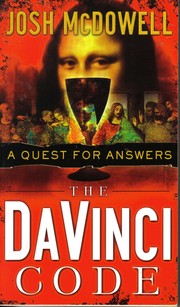
The DaVinci Code: A Quest for Answers
A short 2006 dialogue in which three friends test Dan Brown's claims about Jesus, Mary Magdalene, Nicaea, and the canon.
2,088-word summary · 9 min read

The Beach
A young backpacker follows a dead man's map to a hidden island community, then discovers what the people there are willing to do to keep it secret.
2,067-word summary · 9 min read
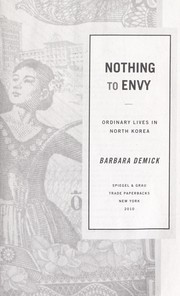
Nothing to Envy
Barbara Demick follows six defectors from Chongjin through the North Korean famine, showing how ordinary people lived, believed, and finally left.
2,068-word summary · 9 min read

In Order to Live: A North Korean Girl's Journey to Freedom
A young North Korean girl crosses the Yalu, survives trafficking in China, and rebuilds her life in Seoul in this unsparing memoir.
2,027-word summary · 9 min read
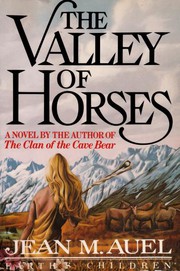
The Valley of Horses
Exiled from the Clan, Ayla survives alone in a hidden valley, tames a horse and a cave lion, and nurses a wounded stranger back to life.
2,311-word summary · 10 min read
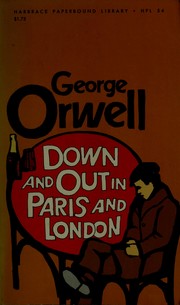
Down and Out in Paris and London
Orwell's account of washing dishes in Paris hotels and tramping through London does not ask for pity, only for a clear look at how poverty actually works.
2,282-word summary · 10 min read

The Girl with Seven Names: A North Korean Defector's Story
Hyeonseo Lee crossed the frozen Yalu River at seventeen, spent years hidden in China, escaped to South Korea, and later returned to rescue her family.
2,404-word summary · 11 min read
The Wright Brothers
David McCullough tells the story of two self-taught Ohio brothers, working largely alone and out of a bicycle shop, who solved the problem of flight before…
2,027-word summary · 9 min read

Bury My Heart at Wounded Knee: An Indian History of the American West
Dee Brown's 1970 retelling of the American West from the point of view of the people it destroyed.
2,233-word summary · 10 min read
At Home: A Short History of Private Life
Bill Bryson tours his own Norfolk rectory room by room to explain how private life and the modern home got built.
2,334-word summary · 10 min read

Prisoners of Geography: Ten Maps That Tell You Everything You Need to Know About Global Politics
Tim Marshall explains how mountains, rivers, coasts, and resources shape the choices of nations, from Russia's flat borders to the chokepoints of the South…
2,328-word summary · 10 min read

The Letters of Vincent van Gogh
Vincent van Gogh's letters to his brother Theo, in a Penguin Classics selection edited by Ronald de Leeuw, trace a decade of work, faith, and obsession.
2,611-word summary · 12 min read

Never Fade
Ruby, now a leader in the Children's League, must track down the boy whose memories she erased, because he holds the only proof of what caused the disease that…
2,188-word summary · 10 min read

The World Is Flat: A Brief History of the Twenty-first Century
Thomas L. Friedman's 2005 bestseller argues that technology, trade, and open borders leveled the global playing field, and it names the ten forces that did it.
2,369-word summary · 11 min read

Nemesis Games
The Rocinante crew scatters across the solar system just as Marco Inaros and the Free Navy bombard Earth. The Expanse reaches its turning point.
2,506-word summary · 11 min read