
Reading options
What's inside (5 sections)
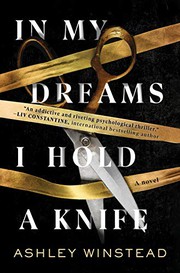
I read In My Dreams I Hold a Knife on a weekend with phone off because campus reunion thrillers demand no interruptions. First published in 2021 by Sourcebooks Landmark at 352 pages in hardcover, standalone thriller about college friends reuniting ten years after a murder. Jessica Miller plans to triumphantly return to Duquette University for reunion as most successful of East House Seven. Heather, one of their own, was murdered a decade ago, fracturing group after another friend accused. Someone set elaborate trap to catch real killer and close cold case. Old hookups and grudges resurface fast. Killer reveal reframes every friendship. I found it propulsive, bitchy in fun ways, sad about ambition and guilt. At 352 pages it parties and bleeds.
Jessica starts as striver with secrets. Scholarship girl who became successful entrepreneur? Actually most successful through hustle and image crafting. She returns to Duquette with designer clothes, practiced smile, plan to bask. Inside she is scared girl who loved Heather and envied her ease. East House Seven were inseparable junior year. Heather golden, magnetic, kind and careless. Mint? Actually friends: Jessica, Heather, Jack, Coop, Frankie, Caro, Glo? Names blur without list, but dynamics clear. Rich and poor, athletes and artists, lovers and rivals. Junior year they partied in East House, drank, hooked up, competed. Heather murdered one night. Another friend accused based on flimsy evidence and whispers. Group shattered, blaming each other and selves for not seeing. Ten years later, invitation to reunion with promise of answers lures all back. Jessica thinks she is coming to gloat. Actually she is walking into trap set by someone who knows truth and wants confrontation. That trap structure delights. Locked campus mystery with adult baggage. No one can leave till past faced. Good.
Reunion weekend unfolds with dual timelines. Present chapters in Jessica first person, sharp and anxious, navigating welcome drinks, campus tours, memorials. Past chapters third person? Actually past junior year events leading to murder night. That braiding builds dread because you know Heather dies but not how or who. Each past party adds motive. Who loved Heather. Who envied. Who owed. Present reunion adds new motives. Who succeeded by burying. Who needs truth to live. Jessica investigates while performing success. She interviews old friends with compliments that probe. Tell me about Heather. What do you remember. Those questions sound innocent at reunion and land as accusations. Friends deflect, drink, hook up again. Old patterns return fast. Ten years vanish in dorm halls. That regression feels true to reunions. You become twenty again, for better and worse. Insecurities resurface. Crushes reignite. Grudges sharpen. Winstead captures without caricature. Adults playing college selves while hiding adult scars. Watch hands shake holding wine. Good.
East House Seven
Seven friends need distinguishing to follow, so attend to sketches. Heather, golden girl murdered, magnetic, generous with attention that felt like love and could withdraw. Everyone loved and resented. Jessica, striver who loved Heather fiercely and envied ease. Jack, golden boy athlete with secrets? Actually Heather's boyfriend? Coop, funny stoner with heart? Frankie, activist? Caro, rich? Glo, quiet? Details blur in ensemble, but functions clear. Lover, rival, witness, accuser, accused. The accused friend, Jack? Actually another friend was accused of Heather murder based on circumstantial and whispers, shattering group. He returns to reunion under cloud, insisting innocence. Jessica believes and doubts by turns. That doubt poisons old love. Did he. Could he. She watches him for tells while remembering kisses. That watching while loving aches. How to love someone possibly guilty. Ask while reading. Would you. Sit with discomfort. Good.
Heather as victim center deserves care to avoid manic pixie dead girl trope. She is more than beautiful corpse to motivate. Flashbacks show flaws. She could be careless with hearts, drunk, entitled. She could also be generous, listening to strivers, defending outsiders. Both true. Friends loved real person, not saint. That complexity makes loss heavier. You mourn flawed friend, not ideal. Good writing avoids sainting to justify grief. Grief needs no justification. Love flawed and miss. Jessica's envy of Heather's ease is honest and ugly. She wanted Heather's confidence, looks, love. She admits while loving. That admission prevents catty stereotype. Envy and love coexist. Name both. Many female friendships hold both. Honor by naming, not shaming. Talk with friends about envy kindly. It lessens when spoken. Hide and it festers into suspicion. Jessica hid then, speaks now through investigation. Growth.
Trap setter reveal reframes all. Someone invited all with promise of answers and set elaborate game to force confession. Clues in rooms, timed messages, locked doors. Who set. Why now. I will avoid naming to preserve, except motive is love for Heather and rage at silence. Setter watched friends succeed while Heather dead and could not bear performance of success without truth. That rage is understandable even when methods extreme. Locking friends to force talk risks harm to heal. Does end justify. Book asks without preaching. Victims of trap learn truths needed, but trauma renewed. Is forced confrontation healing or harming. Both. Sit with. Real cold cases sometimes need pressure to break silence. Podcasts, reunions, books do similar with less locks. Question ethics while enjoying thrill. Would you trap friends to find killer. Probably not with locks, but with questions, yes. We all probe at reunions. This just literalizes. Enjoy literal while noting real boundaries. Do not lock doors. Do ask hard questions with care. Good.
What shines is pace and voice. Jessica narrates in first person, ambitious and anxious, funny about success performance. Short chapters ending on reveals propel through 352 pages in sittings. Campus described with autumn light and brick that triggers memory. Parties with cheap beer and expensive secrets. Dual timelines braid without confusing because past labeled by months before murder. Countdown to death night builds dread even though you know date. How will night unfold given what you know. That dramatic irony works like horror. Watch friends laugh knowing one will die. Ache with knowledge. Good.
What strains is likability. Jessica and friends are ambitious, status conscious, sometimes cruel about looks and money. They cheat, lie, use. If you need kind heroes, you will struggle. They grow by end, but start shiny and sharp. Stick past gloss to find guilt underneath. All loved Heather truly despite flaws. That love redeems ambition. They built successes to outrun grief night. Success as avoidance. Recognize in yourself while judging. Do you work to avoid loss. Many do. Forgive while pushing to face. That compassion helps finish despite unlikeable starts. Also, ensemble of seven blurs. Jack, Coop, Frankie names swap in tired heads. Keep list or focus on Jessica, Heather, accused, setter. Others orbit. Accept blur for momentum. Good.
Content is adult thriller. Murder of young woman discussed, not graphic lingered. Sex consensual among college students then and adults now, described with heat but not explicit long. Drinking, drugs in college flashbacks. Language strong. Good for thriller readers who like Ruth Ware campus reunions with sharper elbows. Not for cozy only. Secrets cut here. Take care if college assault triggers. Heather's murder involves violence discussed with care but directly. Past party consent blurred? Actually murder, not assault central, but party culture with blurred lines present. Read with care. It handles with respect, centering victim as person not plot device, though plot needs her dead to start. That tension inevitable in murder mysteries. Honor by remembering Heather as flawed friend, not body. Book tries. Meet halfway.
Who should reunite
Read it if you like reunion thrillers where friends lie well, like The Guest List on campus, or One of Us Is Lying grown up. Read it for Jessica's ambition and guilt. At 352 pages it parties fast.
Skip it if you need likable heroes from page one. These strivers shine and cut. You must tolerate gloss to find grief. If that tires, skip. There are kinder campus books that may suit better. Honor preference. Skip if cold case with trap feels contrived. It is, delightfully. Accept game or choose realistic procedurals instead.
For me, the image that stays is Jessica standing in East House room ten years later, success dress wrinkled, holding Heather's old sweater found in closet, smelling faintly of college perfume and dust, while friends argue in hall about who set trap. Past in hands, present shouting. At 352 pages, In My Dreams I Hold a Knife argues reunions force dreams to face knives hidden. You dreamed of success to outrun night. Night waits in dorm rooms. Face with friends, even broken ones, to lay to rest. Jessica does, trembling and brave, learning killer was not who accused whispers said. That learning reframes every friendship. Who to trust now. Trust those who stayed to face trap despite fear. Staying matters more than past mistakes. Stay with those who stay. Leave dorms together into daylight, carrying Heather kindly not as haunt but as friend missed. That carrying, gentle not gripping, lets go while remembering. Do so after last page. Remember Heather flawed and loved. Hold knife dreams lightly till they dull into memory. Sleep better. Good.
Ambition, envy, and trap
I want to say more about Jessica's ambition, because striver heroines divide readers who see hustle as admirable or anxious. Scholarship girl who became successful entrepreneur through image crafting and overwork. Designer clothes, practiced smile, plan to bask at reunion. Inside scared girl who loved Heather and envied ease. That envy is honest and ugly. She wanted Heather's confidence, looks, love. She admits while loving. That admission prevents catty stereotype. Envy and love coexist. Name both. Many female friendships hold both. Honor by naming, not shaming. Talk with friends about envy kindly. It lessens when spoken. Hide and it festers into suspicion. Jessica hid then, speaks now through investigation. Growth. Her success built to outrun Heather night. Work to avoid grief. Many do. Forgive while pushing to face. That compassion helps finish despite gloss. Look past shine to guilt underneath. All seven shine to hide. Heather shone brightest and died. Success does not protect. Remember when envying successful friends. They carry nights too. Ask kindly. Listen.
East House Seven dynamics need mapping to follow, so attend to sketches. Heather golden, magnetic, generous with attention that felt like love and could withdraw. Everyone loved and resented. Jessica striver who loved fiercely and envied. Jack golden boy athlete with secrets. Coop funny stoner with heart. Frankie activist? Caro rich? Glo quiet? Details blur in ensemble, but functions clear. Lover, rival, witness, accuser, accused. The accused friend, Jack? Actually another friend was accused of Heather murder based on circumstantial and whispers, shattering group. He returns to reunion under cloud, insisting innocence. Jessica believes and doubts by turns. That doubt poisons old love. Did he. Could he. She watches him for tells while remembering kisses. That watching while loving aches. How to love someone possibly guilty. Ask while reading. Would you. Sit with discomfort. Good. Heather as victim center deserves care to avoid manic pixie dead girl trope. She is more than beautiful corpse to motivate. Flashbacks show flaws. Careless with hearts, drunk, entitled, generous, listening. Both true. Friends loved real person, not saint. That complexity makes loss heavier. You mourn flawed friend, not ideal. Good writing avoids sainting to justify grief. Grief needs no justification. Love flawed and miss. Jessica's envy of Heather's ease is honest. She wanted confidence. She admits while loving. That admission prevents catty. Envy and love coexist. Name both.
Trap setter reveal reframes all. Someone invited all with promise of answers and set elaborate game to force confession. Clues in rooms, timed messages, locked doors. Who set. Why now. Motive is love for Heather and rage at silence. Setter watched friends succeed while Heather dead and could not bear performance of success without truth. That rage is understandable even when methods extreme. Locking friends to force talk risks harm to heal. Does end justify. Book asks without preaching. Victims of trap learn truths needed, but trauma renewed. Is forced confrontation healing or harming. Both. Sit with. Real cold cases sometimes need pressure to break silence. Podcasts, reunions, books do similar with less locks. Question ethics while enjoying thrill. Would you trap friends to find killer. Probably not with locks, but with questions, yes. We all probe at reunions. This just literalizes. Enjoy literal while noting real boundaries. Do not lock doors. Do ask hard questions with care. Good.
If you reread, watch for sweaters. Heather's sweater found in closet smells of perfume and dust. Past in hands. Who kept it. Why. Objects hold hope when people cannot. Sweater as tea cake? Actually as token like Li-yan's tea? Different book, same function. Objects carry where people cannot go. Hold sweaters, notes, photos to remember. Then lay to rest by carrying kindly not gripping. Jessica learns to hold Heather lightly after gripping success tightly to outrun. That loosening lets sleep better. Knife dreams dull into memory. Good. At 352 pages, the book parties fast with dual timelines braiding without confusing because past labeled by months before murder. Countdown to death night builds dread even though you know date. How will night unfold given what you know. That dramatic irony works like horror. Watch friends laugh knowing one will die. Ache with knowledge. Good. Read in sittings with phone off. No interruptions till trap springs and killer named. Then sleep better after facing dorm ghosts with friends, even broken ones. Stay with those who stay. Leave together into daylight.
FAQ
When was In My Dreams I Hold a Knife published?
It was first published in 2021 by Sourcebooks Landmark at 352 pages. It is a standalone thriller.
Who returns?
Jessica Miller returns to Duquette for reunion with East House Seven after Heather's murder fractured all.
Similar books

What She Knew
Rachel lets her eight-year-old son run ahead in a Bristol park, and the nine-day search turns her into a suspect in the public eye.
2,952-word summary · 13 min read

Still Missing
A realtor is abducted at a Vancouver Island open house and held for more than a year. Told through therapy sessions, the novel follows her escape and the hunt…
2,466-word summary · 11 min read
The End of Her
A sleep-deprived mother of twins faces a stranger's accusation that her husband murdered his first wife in Shari Lapena's domestic suspense novel.
2,383-word summary · 11 min read

The Widow
A widow of a suspected criminal faces reporters and police while hiding what her marriage really cost.
2,599-word summary · 12 min read
The Therapist
A couple moves to a gated street where the previous therapist was murdered in their house.
2,437-word summary · 11 min read
The Night Swim
A true crime podcaster covers a rape trial while probing an old drowning in a small town.
2,260-word summary · 10 min read
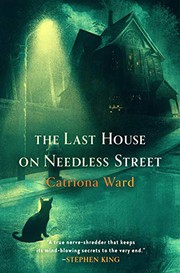
The Last House on Needless Street
A lonely man, a cat and a mysterious neighbor pull you into a house full of buried trauma.
2,627-word summary · 12 min read
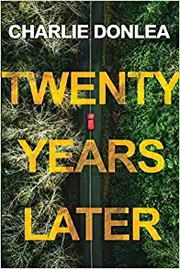
Twenty Years Later
A TV host reinvestigates a 20-year-old murder after a 9/11 victim ID names the accused, and the case pulls her own hidden past into view.
2,726-word summary · 12 min read
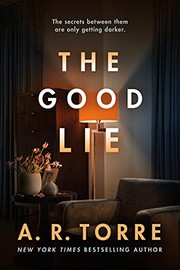
The Good Lie
A psychiatrist and a grieving lawyer reopen a closed serial killer case in California and find the profile points somewhere painful.
2,964-word summary · 13 min read
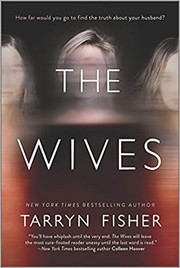
The Wives
A woman who sees her husband only on Thursdays tracks down his other wives and learns her marriage is not what she believed.
2,454-word summary · 11 min read
The Turn of the Key
A nanny writes from prison about a smart Highland house, four girls, and the night one child died.
3,207-word summary · 14 min read
Before I Go to Sleep
Christine wakes each day with no memory, and her secret journal reveals her husband lies.
2,577-word summary · 11 min read
Into the Water
A drowning pool, eleven narrators, and sisters divided in Hawkins's murky second thriller.
2,598-word summary · 12 min read
Verity
Colleen Hoover's Verity explained: Lowen, injured Verity Crawford, the hidden autobiography, and the letter that flips everything.
2,593-word summary · 12 min read
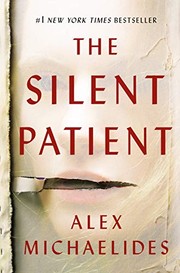
The Silent Patient
Alex Michaelides's The Silent Patient retold: Alicia's silence, Theo's obsession, the Alcestis clue, and the final flip.
2,412-word summary · 11 min read
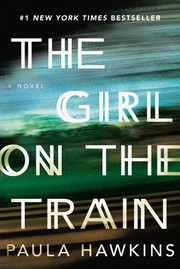
The Girl on the Train
Paula Hawkins's The Girl on the Train retold: Rachel's commute, Jess and Jason, Megan missing, and what really happened that night.
2,391-word summary · 11 min read
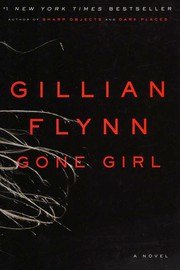
Gone Girl
Gillian Flynn's Gone Girl fully retold: Nick and Amy Dunne, the diary, Desi, the treasure hunt, and why the ending stays ugly.
2,334-word summary · 10 min read

The Beach House
A young valet is beaten to death at a Hamptons party, and his law-student brother spends a year building a case against the family that covered it up.
2,049-word summary · 9 min read

Six Years
A professor who promised to forget the woman he loved sees her husband's obituary and discovers that the wedding, the marriage, and the woman herself may never…
2,076-word summary · 9 min read

Rules of Prey
Minneapolis detective Lucas Davenport hunts a killer who leaves a new rule at every scene and treats murder as a game of wits.
1,914-word summary · 9 min read

4th of July
Lindsay Boxer shoots two armed teenagers in self-defense, faces a wrongful-death trial, and spends her leave chasing a string of throat-slashing murders in…
2,192-word summary · 10 min read

61 Hours
A bus crash strands Jack Reacher in a snowbound South Dakota town where a drug gang, a corrupt police force, and a single witness are on a collision course.
2,227-word summary · 10 min read

Saving Noah
A seventeen-year-old swimmer confesses to molesting two girls he coached, and his mother must decide what unconditional love is worth.
2,976-word summary · 13 min read

Bad Luck and Trouble
A deposit of $1,030 summons Jack Reacher back to his old army unit, which is being picked off one name at a time.
2,366-word summary · 11 min read

3rd Degree
The third Women's Murder Club novel follows a San Francisco terror cell and a three-day killing schedule, and it costs the club a member.
2,685-word summary · 12 min read

Worth Dying For
Reacher stops for one night in rural Nebraska and finds a family that runs the county, a missing girl and a shipment worth killing for.
2,021-word summary · 9 min read

Tinker, Tailor, Soldier, Spy
Retired spymaster George Smiley is brought back to find a Soviet mole inside British intelligence, and the trail leads through old friends, old betrayals, and…
2,092-word summary · 9 min read

The Ex
Cassie thinks her new boyfriend's ex is the woman harassing her, but Freida McFadden's thriller keeps rearranging who the ex actually is.
2,103-word summary · 9 min read

The Best of Friends
Three lifelong friends discover their teenage sons were hiding more than anyone knew after a night that leaves one dead, one in a coma and one silent.
2,040-word summary · 9 min read

Say You're Sorry
A widowed prosecutor defends the teenager accused of killing her babysitter, uncovering a small town's secrets and a killer hiding in plain sight.
2,116-word summary · 9 min read