
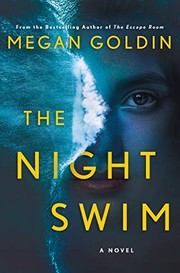
The Night Swim
2,260-word summary 10 min read 352 pages in the book
- First published
- 2020
- Publisher
- St. Martin's Press
- Pages
- 352
- ISBN
- 9781250219688
- Series
- Rachel Krall (#1)
Reading options
What's inside (6 sections)
I listened to The Night Swim in pieces and kept pausing to think, because it handles hard topics with care. First published in 2020 by St. Martin's Press at 352 pages in hardcover, it is book one in the Rachel Krall series. Rachel is a true crime podcaster who covers trials. She comes to Neapolis, a small coastal town, for the rape trial of a star athlete, and gets letters about Jenny Stills, a girl who drowned years ago. Two cases, decades apart, echo. I found it tense, sad, and respectful toward survivors.
Rachel Krall is not a detective with a badge. She hosts a show, interviews lawyers, explains procedure to listeners, reads letters. She is successful but tired, used to threats from fans and families. In Neapolis she rents a room, runs in mornings, records at night. The current trial involves K, a sixteen year old girl accusing star swimmer Scott Blair of rape at a party. Town splits. Supporters wear team colors to court. K and her family face stares. Defense says it was consensual. Prosecution says she said no and he did not stop. Rachel covers daily, careful to report without prejudging, while feeling pull.
Letters come without return address. Someone, later revealed as Hannah, sister of the accused in the old case, asks Rachel to look at Jenny Stills. Jenny was found drowned years ago. Officially accident or suicide. Hannah believes her brother Daniel was wrongly suspected, or that truth was buried to protect powerful boys. She sends clippings, photos, notes in the margins. Do not let them forget her. Rachel, busy with the trial, reads at first out of curiosity, then cannot stop. The parallels ache. Popular boys, quiet girls, parties, water, towns that close ranks.
Two girls, one town
Neapolis lives on swimming and tourism. Coaches are heroes. Boosters pay for pools. Girls who accuse stars risk exile. K testifies bravely, shaking, clear about no. Defense picks at texts, clothes, drinking. Rachel reports fairly but notes cruelty in questions. Listeners write in, some kind, some vile. Hannah, who works locally and watches the trial, sees herself in K. Years ago her family broke when Jenny died and Daniel was whispered about. Her parents aged fast. Daniel left or stayed damaged, depending who tells. She wants Rachel to say Jenny's name on air, to force reopening.
Jenny's story unfolds in letters and flashbacks. Bright, lonely, wanting to belong with older kids who swim. A party at the beach. Boys with beer. A swim at night that ended with a body. Police called it drowning, possibly accidental. No charges. Hannah kept a box. Newspaper lines, a bracelet, a photo with faces scratched. She remembers Jenny laughing, then quiet in the weeks before. Was there assault before death. Did town hurry to close to protect season. Rachel digs gently, asking retired cops, teachers, lifeguards. Memories shift. One remembers Jenny crying. Another remembers Daniel fighting with a coach's son. Small details add.
Hannah herself is key. She believes K even though her brother stands where Scott stands, accused and hated. That belief costs with family who think she betrays blood. She tells Rachel, I know what it is to be the sister. People look at you like you raised him wrong. But I also know what it is to doubt a girl and live with it after she dies. Her letters are plain and devastating. She does not ask Rachel to convict on podcast. She asks to investigate, to say Jenny mattered. That request drives the middle. Rachel balances trial coverage with side digging, risking her credibility if seen as biased.
The trial scenes are strong without sensationalism. Lawyers open, doctors explain, friends testify about party timelines. K describes freezing, a detail many survivors recognize. Defense says freeze means consent or confusion. Prosecution brings expert to explain freeze as common trauma response. Judge controls tightly. Jury watches. Rachel explains to listeners what objections mean, why some evidence is barred. Goldin, a former journalist, writes procedure clearly. You learn without lecture. Tension builds not from twists but from waiting. Will jury believe. Will town punish K regardless.
Water as memory
Water runs through both cases. Pools, ocean, night swim as dare and freedom. Kids sneak to swim, show off, drink. Water washes evidence and holds secrets. Jenny loved swimming, felt free in water in a way she did not on land. K swam competitively before quitting after assault. Rachel runs by the sea mornings to clear head, hearing waves while thinking of testimony. That repetition is intentional. Places that give joy become crime scenes. Towns that sell sun hide dark.
Rachel's own past surfaces lightly. She does not share much, but hints at why she podcasts. A friend unheard, a case mishandled. She knows fame helps and harms. Saying a name can bring tips or trolls. She debates with her producer whether to name Jenny on air. Ethics of true crime run underneath. Are we helping or using. Goldin does not preach, but lets Rachel worry. She verifies before airing, protects sources, corrects errors. That care models better podcasting than many real shows. Listeners in the book fund tips that help. Trolls also threaten K. Both true.
The reveals about Jenny come slowly and fairly. No hidden basement, just old lies. A car seen, a phone call ignored, a coach who moved boys along, a report rewritten. Hannah's brother Daniel did not do what rumors said, but others did, and power covered. When Rachel finally pieces it, she brings to police, not just microphone. That choice matters. Podcast does not replace court. It pressures system to do work. The ending gives some justice, not all. Current trial verdict and old case resolution both land with costs. K is believed by some, doubted by others, forever marked. Hannah loses family closeness but gains truth about Jenny. Rachel leaves town changed, promising to say names carefully.
What shines is sensitivity. Assault is described without graphic detail, focusing on after. Freezing, showering, telling a friend, facing court. Goldin centers survivors' choices and costs. Friends who stand by K lose team spots. Mothers who support daughters lose friends. Hannah supporting K while loving her brother shows complexity. Believing women does not mean hating men you love. It means holding both. That nuance will help many readers, especially young women who fear not being believed if they froze or drank. The book says freeze is normal, drinking does not equal consent, clear no is enough but even without, lack of yes matters.
What strains is pacing in the middle. Trial days repeat, letters repeat, runs repeat. About sixty pages could tighten. Some side characters blur. Two coaches, two lawyers, several swimmers with similar names. I flipped back to check who was who. Podcast transcripts help break, but also repeat summaries for listeners who missed. If you need fast twists, you may find it slow. This is steady procedural with emotional weight, not shock reveals.
Content warnings are needed. Rape of a teen described in testimony, past death of a teen, bullying, victim blaming, threats. No graphic play by play, but testimony is detailed enough to upset. Suitable for adults and older teens with care. It handles with respect, never titillating, always centering consent and trauma. Teachers could pair with discussions about freeze response and bystander action. The book shows boys who watched and did nothing, men who covered, women who whispered. It asks what you would do. That question lingers.
Who should listen or read
Read it if you like true crime with ethics, like Sadie or A Good Girl's Guide to Murder but adult and slower. Read it if you like courtroom procedurals with heart. Listen as audio if you can, because podcast parts shine in audio. The print works too, with transcripts set apart.
Skip it if you need action or dislike dual timelines. This stays in courtrooms, rentals, beaches. No chases, just interviews and testimony. Skip if trial injustice will wreck you. Verdicts here are mixed, like real life. Hope exists but not triumph.
For me, the image that stays is Hannah writing late at a kitchen table, copying old articles for a stranger, hands shaking, wanting her sister's friend named Jenny to matter to someone beyond family. Then Rachel reading on air, voice steady, saying Jenny Stills liked to swim at night because water held her when people did not. Naming as rescue. At 352 pages, The Night Swim argues that saying names, believing freezes, and sitting through trials matter even when towns prefer silence. I closed it thinking of girls I knew who stopped swimming after parties, who quit teams to avoid boys. I hope they find Rachels and Hannahs who listen and write down. Water forgets nothing, the book says, unless we let it. Do not let it. Remember Jenny. Believe K. Keep swimming toward truth, even at night, even alone. That pull, gentle and firm, is why the book stays after verdicts fade.
Podcast ethics and small towns
I want to say more about Rachel as podcaster, because Goldin gets ethics right in ways many true crime stories miss. Rachel verifies before airing, protects K's privacy while naming public facts, corrects errors on air, refuses to pay for interviews that would taint. Her producer pushes for speed and emotion. She pushes back for accuracy. That tension feels real to journalism now. Clicks reward certainty. Truth needs caveats. When Rachel decides to name Jenny on air, she does it after talking to police and family, not for ratings alone but to generate tips that official channels missed. Tips come, some useful, some cruel. She reads useful ones, ignores cruel, reports threats. That modeling matters. True crime can help if done carefully, harm if done carelessly. The book shows both.
Small town dynamics also ring true. Neapolis needs tourism and swim prestige. Coaches sit on councils. Boosters own restaurants where jurors eat. Teachers fear losing jobs if they testify about boys. Girls who accuse lose friends, spots, scholarships. K's mother loses catering orders. Hannah's family lost business years ago after Jenny. These costs are not subplots. They are the system that protects athletes. Goldin shows how silence is enforced without conspiracy meetings. Just looks, dropped invitations, grades slipping, whispers. No one orders cover up. Everyone understands. Breaking that understanding takes outsiders like Rachel and insiders like Hannah together. One brings microphone. One brings box of clippings. Both risk.
The defense strategy in the current trial deserves attention for how familiar it feels. Ask what K wore. Why she texted friendly after. Why she drank. Why she went to the party. Each question implies consent or blame. Prosecution counters with expert on freeze and trauma, with timeline, with friends who saw fear. Jury watches, hard to read. Rachel explains to listeners why rape shield laws bar some questions but not all, why judges allow what feels cruel. That explanation helped me understand real trials better. Law is not comfort. It is process with rules that sometimes wound to protect fairness. Watching K endure cross while Hannah watches from gallery, seeing her younger self in K, doubled the ache. Two girls, decades apart, same questions.
Hannah's family split also deserves more. Her parents loved Daniel and Jenny both, then lost Jenny and nearly lost Daniel to rumor. They coped by not speaking Jenny's name, by moving photos, by telling Hannah to move on. Hannah experiences that silence as betrayal. She loves her parents but needs truth more than peace. Her brother Daniel, damaged by suspicion whether guilty or not, drinks, works odd jobs, avoids town center. He loves Hannah but fears what she digs will confirm worst about friends or himself. Their talks are stilted, loving, painful. He says leave it. She says I cannot. He says you will ruin us. She says we are already ruined by not knowing. That sibling bind, loyalty versus truth, drives the book as much as trial. There is no good choice, only honest one.
Water imagery ties all. Night swim as teenage dare, as freedom, as danger. Jenny loved night water because day land judged. K swam to compete till assault made pools feel watched. Rachel runs by sea to think, waves steady while testimony shakes. Hannah keeps Jenny's bracelet that smells of salt. These details repeat without hammering. Goldin trusts readers to feel. When Rachel finally swims at night herself, alone but safe, to understand Jenny, I held breath. She floats, listens, gets out. Small communion, not solution. Grief needs such acts. Bodies remember what minds cannot prove. Water holds what towns drop. That poetry lifts procedural without softening. Truth still needs paper, testimony, verdicts. Feeling alone does not convict. Both needed. Swim and file. Mourn and report.
If you listen, try audio. Podcast parts with theme music and callers feel real. Print transcripts work too, set in different type. Either way, pay attention to episode numbers. They mark time in trial and in Rachel's growing involvement with Jenny. Early episodes are crisp and distant. Later ones shake. That change tracks Rachel caring beyond assignment. By the end she is not neutral observer. She is witness who will be called. That shift asks what journalism owes subjects. Distance or duty. Goldin suggests duty to truth over balance when evidence points. Rachel still gives defense voice, but names patterns. That stance feels brave in bothsides times. Some will call biased. I call honest. Believe evidence, name power, sit with costs. That is the book's ethic, and it holds.
FAQ
When was The Night Swim published?
It was first published in 2020 by St. Martin's Press at 352 pages. It is book one in the Rachel Krall series.
What is the setup?
Rachel Krall covers a current trial in Neapolis while letters ask her to look at Jenny Stills, who died years ago.
Similar books
More from Rachel Krall first, then related titles.

What She Knew
Rachel lets her eight-year-old son run ahead in a Bristol park, and the nine-day search turns her into a suspect in the public eye.
2,952-word summary · 13 min read

Still Missing
A realtor is abducted at a Vancouver Island open house and held for more than a year. Told through therapy sessions, the novel follows her escape and the hunt…
2,466-word summary · 11 min read

The Widow
A widow of a suspected criminal faces reporters and police while hiding what her marriage really cost.
2,599-word summary · 12 min read
Twenty Years Later
A TV host reinvestigates a 20-year-old murder after a 9/11 victim ID names the accused, and the case pulls her own hidden past into view.
2,726-word summary · 12 min read
The Good Lie
A psychiatrist and a grieving lawyer reopen a closed serial killer case in California and find the profile points somewhere painful.
2,964-word summary · 13 min read
The Silent Patient
Alex Michaelides's The Silent Patient retold: Alicia's silence, Theo's obsession, the Alcestis clue, and the final flip.
2,412-word summary · 11 min read
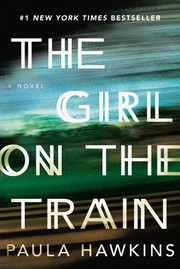
The Girl on the Train
Paula Hawkins's The Girl on the Train retold: Rachel's commute, Jess and Jason, Megan missing, and what really happened that night.
2,391-word summary · 11 min read
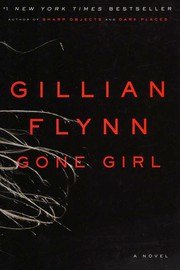
Gone Girl
Gillian Flynn's Gone Girl fully retold: Nick and Amy Dunne, the diary, Desi, the treasure hunt, and why the ending stays ugly.
2,334-word summary · 10 min read

The Beach House
A young valet is beaten to death at a Hamptons party, and his law-student brother spends a year building a case against the family that covered it up.
2,049-word summary · 9 min read

Six Years
A professor who promised to forget the woman he loved sees her husband's obituary and discovers that the wedding, the marriage, and the woman herself may never…
2,076-word summary · 9 min read

Rules of Prey
Minneapolis detective Lucas Davenport hunts a killer who leaves a new rule at every scene and treats murder as a game of wits.
1,914-word summary · 9 min read

4th of July
Lindsay Boxer shoots two armed teenagers in self-defense, faces a wrongful-death trial, and spends her leave chasing a string of throat-slashing murders in…
2,192-word summary · 10 min read

61 Hours
A bus crash strands Jack Reacher in a snowbound South Dakota town where a drug gang, a corrupt police force, and a single witness are on a collision course.
2,227-word summary · 10 min read

Bad Luck and Trouble
A deposit of $1,030 summons Jack Reacher back to his old army unit, which is being picked off one name at a time.
2,366-word summary · 11 min read

3rd Degree
The third Women's Murder Club novel follows a San Francisco terror cell and a three-day killing schedule, and it costs the club a member.
2,685-word summary · 12 min read

Worth Dying For
Reacher stops for one night in rural Nebraska and finds a family that runs the county, a missing girl and a shipment worth killing for.
2,021-word summary · 9 min read

The Ex
Cassie thinks her new boyfriend's ex is the woman harassing her, but Freida McFadden's thriller keeps rearranging who the ex actually is.
2,103-word summary · 9 min read

Say You're Sorry
A widowed prosecutor defends the teenager accused of killing her babysitter, uncovering a small town's secrets and a killer hiding in plain sight.
2,116-word summary · 9 min read

Echo Burning
Reacher hitches a ride with a Texas woman who wants her abusive husband killed, then has to prove she did not murder him when he comes home.
2,209-word summary · 10 min read

The End of Her
A sleep-deprived mother of twins faces a stranger's accusation that her husband murdered his first wife in Shari Lapena's domestic suspense novel.
2,383-word summary · 11 min read
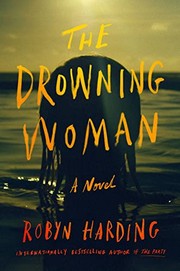
The Drowning Woman
Living in her car in Seattle, Lee saves a wealthy stranger from drowning. The friendship that follows draws her into abuse, murder, and a plan to disappear.
2,578-word summary · 11 min read

Girl, Forgotten
A rookie US marshal guards a judge with a stalker and ends up reopening the 1982 prom-night murder of the judge's pregnant daughter.
2,111-word summary · 9 min read

The Woods
Twenty years after two teenagers were murdered and two vanished at summer camp, prosecutor Paul Copeland identifies a fresh corpse as one of the missing.
2,490-word summary · 11 min read

The Boy from the Woods
Wilde, found feral in a New Jersey forest in 1986, hunts for a missing teenager while a senator's secrets tear a wealthy town apart.
2,270-word summary · 10 min read
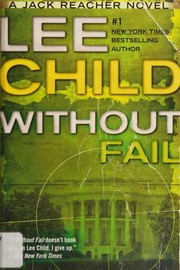
Without Fail
Reacher is asked to test vice presidential security by planning to kill.
2,084-word summary · 9 min read
Things We Do in the Dark
A comedian kills her husband, then a podcaster digs up her teen murder past.
2,427-word summary · 11 min read
The Therapist
A couple moves to a gated street where the previous therapist was murdered in their house.
2,437-word summary · 11 min read
The Racketeer
A jailed lawyer trades a judge murder secret for freedom and revenge.
2,434-word summary · 11 min read
The Last House on Needless Street
A lonely man, a cat and a mysterious neighbor pull you into a house full of buried trauma.
2,627-word summary · 12 min read
The Judge's List
Lacy Stoltz hunts a sitting judge who murders off his list.
2,513-word summary · 11 min read