
Reading options
What's inside (6 sections)
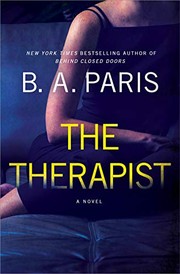
I read The Therapist in one sitting on a rainy Sunday because gated community dread suits grey light. First published in 2021 by St. Martin's Press at 368 pages in hardcover, it is a standalone thriller by B.A. Paris, who wrote Behind Closed Doors. Alice and Leo move to The Circle, an exclusive gated street in London, for a fresh start. Their house was home two years ago to Nina, a therapist who was murdered there. Alice becomes obsessed with what happened, while neighbors smile and withhold. I guessed parts and still felt uneasy till the end, which is a good balance for this kind of book.
Alice starts tired. She lived in the city, worked hard, wanted quiet and safety after a difficult time. Leo works long hours in Kenya? Actually Leo works away often, leaving Alice alone in a big renovated house with a garden backing onto others. The Circle has twelve houses around a communal garden, security gates, WhatsApp groups, summer barbecues. It looks perfect. New neighbors bring wine, ask about jobs, mention Nina lightly. Oh, you know about Nina. Such a shame. Then change subject. Alice notices curtains twitch, dogs bark, someone watches. She tells herself new house nerves. She also cannot stop asking. What happened to Nina exactly. Why did her husband move. Did anyone hear.
Leo loves Alice but is absent a lot for work. He reassures by phone. Do not read old articles. Do not bother neighbors. Focus on settling. He means well and misses cues. When Alice finds Nina's old therapy notes? Actually finds things in house, hears sounds, sees a man outside, Leo says stress. Their talks loop. She feels dismissed. He feels accused of not caring. That strain felt real to me. Moving is stressful. Grief plus new place plus partner away equals paranoia, justified or not. Paris uses that ambiguity well. Is Alice uncovering or unraveling. Both, at times.
The Circle
Neighbors are the best and worst part. There is the older couple who knows all, the young mum with perfect lawn, the single man who drinks, the curtain twitcher with a dog. They welcome with casseroles and warnings. Do not go in gardens after dark. Do not ask about Nina's husband. Join the barbecue. Alice tries. She brings cake, remembers names, asks about schools she does not need. Small talk hides interview. Who was Nina. What was she like as therapist. Did clients come to house. Did husband fight. Answers slide. Lovely woman. Tragic. Best not dwell. That sliding increases dread more than threats. Polite stonewalling scares because you cannot call it out without seeming rude. Alice, new and eager to belong, feels trapped between needing friends and needing truth.
Nina as figure grows through others. Therapist in her thirties, warm, professional, married to Oliver? Actually Nina's partner? She saw clients in a garden room. She was found dead in the house Alice now owns. Officially murdered, husband suspected then cleared? Details shift depending who tells. One neighbor says burglary. Another says husband. Another says client obsessed. Alice collects versions like puzzle pieces that do not fit. She finds an old photo, a note in a drawer, a stain under rug. Each discovery feels big at night, small by day. That day night split captures obsession. At 2 a.m. everything means. At noon, embarrassed. I recognized that cycle from anxious times. Paris nails it without mocking. Alice is not silly. She is scared and curious in a house where someone died. Who would not ask.
Leo's absence matters structurally. He is loving on calls, distant in person. He forgets to mention he knew about Nina before buying. He says he did not want to scare her. She hears lie. He works late during key scares. She wonders if he arranges. That doubt poisons. Is partner protecting or hiding. Paris plays fair with clues. Leo's phone records, receipts, talks with neighbors. You can suspect him and feel guilty, which is intended. Marriage under new house stress is its own thriller. Trust frays faster than love. I felt for both. He wants fresh start without ghosts. She needs ghosts named to feel safe. Neither wrong. Both mishandle.
Alice's own memory wobbles. She drinks wine to sleep, takes pills, forgets if she locked doors. She writes notes to track. Did I hear footsteps or dream. Did I move that box. That unreliability could annoy, but Paris grounds in grief and perimenopause? Actually Alice has past trauma that affects recall. She admits gaps. That honesty keeps sympathy. She does not pretend certainty. She says I think I saw, help me check. When neighbors dismiss as hysterical new woman, readers side with her because she doubts herself first. Gaslighting works best when target already doubts. The Circle knows, consciously or not.
What happened to Nina
Without spoiling the turns, I can say the solution reframes every barbecue chat. Who was in the house that night. Who wanted Nina quiet. What therapy secrets threatened. The final reveal involves identities and motives hidden in plain sight through neighbor lies. Paris plants fairly. A comment about keys, a dog that barks at one person, a garden gate left open. On reread, you will kick yourself. First time, you will suspect three people wrongly before right. That is good thriller construction. Not cheat, just misdirection through politeness. Everyone had reason to want Nina to stop listening, because therapists hear too much. In a closed street, secrets are currency. Nina banked many.
The last fifty pages move fast. Confrontation in house, then garden, then communal hall. Alice runs, hides, calls Leo who finally shows. Truth about Nina's murder and about Alice's own past collide. I gasped once, which is rare for me in this subgenre. The twist about who Alice is, or what she remembers, reframes earlier forgetfulness. It is not just stress. It is protection. That psychological layer lifts above standard stalker story. Are we reliable to ourselves. What do we bury to live in a nice house. Paris asks without jargon. Just scenes where Alice remembers differently after trigger. That felt true to trauma. Memory returns in flashes, not files.
What shines is pace and domestic detail. Short chapters, alternating then and now? Actually mostly now with Nina past through interviews. Houses described with estate agent love. Kitchen islands, bi folds, garden rooms. That HGTV gloss makes murder jarring. You expect coffee mornings, get crime scenes. Paris knows this world from Behind Closed Doors. Closed streets hide control. The Circle's WhatsApp group acts as chorus and court. Who is in, who muted. Those modern touches date but work. Security gates do not stop insiders. Cameras miss angles. Community can be cage.
Neighbor dynamics feel lived. Borrowed ladders, parcel holding, school runs. Alice tries to belong by baking and babysitting. Small kindnesses earn trust that later breaks. One neighbor confides about marriage while lying about Nina. That double talk aches. People can be kind and complicit. Paris does not make them monsters. They protect property values and friendships by omitting. Omission feels safer than lie until someone dies again. That moral grey suits suburbs. No one orders murder. Many allow silence that enables. Recognizing that complicity in myself as reader who also wants nice streets was uncomfortable and good.
What strains is repetition. Alice asks, neighbor deflects, Leo soothes, night scare, morning doubt. Cycle repeats for 200 pages. About thirty could cut. Leo's work trips blur. Wine count rises. If you dislike heroines who do not call police sooner, you may fume. Alice delays reporting because she lacks proof and fears seeming mad. Understandable, but frustrating when she enters dark gardens alone. I shouted once. Do not go there. She went. Thriller rules require bad choices. Accept or skip genre.
Ending divides. Some find final twist about Alice too much. I found it earned by earlier gaps, though fast. It reframes why she chose this house, why Nina obsesses her. It also risks making her less sympathetic if you feel tricked. I felt sadder for her, not tricked. Trauma explains without excusing snooping. She needed truth to heal, even if truth hurts neighbors. That need is human. The book lets her live with answers, not happily ever after. Houses do not cleanse. Streets remember. She stays or leaves? I will not say. Choice fits healing, not triumph.
Content is adult thriller. Murder, domestic abuse mentioned, gaslighting, alcohol use, some language. No graphic gore. Fear is psychological. Good for fans of Behind Closed Doors, The Breakdown, The Guest List. Not for those needing likable neighbors. Almost everyone here lies about something. You must enjoy doubting casseroles.
Who should read it
Read it if you like gated community thrillers where nice streets hide. Read it for rainy Sundays, with doors locked, enjoying being scared safe. Read it if you like unreliable narrators who admit gaps.
Skip it if you need fast police work or dislike repetition. This is Alice asking around while Leo works. No detective lead. Skip if gaslighting triggers. It is central and sustained. Take care.
For me, the image that stays is Alice at a kitchen island at night, notes spread, wine untouched, listening to house creaks in a street gone quiet behind gates. Safe and watched at once. At 368 pages, The Therapist argues secure places are not safe places. Safety is knowing who around you and what they hide. Gates keep strangers out. They lock secrets in. Alice learns by asking till answers hurt. I closed it checking my own street's WhatsApp with new eyes. Who knows what about whom. What would I ask if someone died next door. Would neighbors tell. Probably not over cake. That unease, ordinary and lingering, is why the book works after twists fade. Nice streets remember. Listen.
Memory and trauma
I want to say more about Alice's memory, because Paris uses gaps as both plot and compassion. Alice drinks to sleep, takes pills for anxiety, wakes unsure if she locked doors or heard footsteps. She writes notes to verify. Did I move that box. Did Leo call. That note taking feels familiar to anyone with trauma or new motherhood or grief brain. You distrust mind so you outsource to paper. Neighbors call it hysterical. Readers recognize coping. When final reveal reframes gaps as protection, not failure, I felt relief for her. She was not making up. She was remembering selectively to survive. That reframing respects survivors. Forgetting can be mind guarding till safe to know. Therapy language without jargon. Nina as therapist who died adds layer. Alice seeks a therapist's story to heal her own mind. She reads Nina's notes, imagines sessions, wonders what Nina heard that got her killed. Listening as danger. In a street where everyone talks to therapists or needs to, being heard threatens. Secrets pay mortgages. Alice threatens by asking. That threat is real even when memory wobbles. She asks anyway. Courage is not certainty. It is asking while unsure.
Leo's role as husband who works away needs nuance. He loves Alice, chose the house to give her quiet, works long hours to pay for gates. He forgets to mention Nina's murder before buying because he fears scaring her off a good investment. That omission, meant as kindness, poisons trust. When Alice finds out from neighbors, not him, every later reassurance sounds like cover. He says gates are safe. She hears sales pitch. He says Nina's case closed. She hears shut up. Their calls loop with love and static. He asks about dinner. She asks about dead woman. Neither meets. That mismatch is marriage under stress, not villainy. Paris lets Leo be decent and disappointing. He shows up late but shows up. He believes finally when proof undeniable. That delay costs, but not all. Forgiveness possible if honesty starts. Whether they stay after truth, I will not spoil, but choice respects both. Staying requires new rules. Leaving requires courage too. Either is valid after lies. That openness to both outcomes felt adult. Not every thriller must save marriage to satisfy. Truth must save self first.
The Circle as community deserves study for how nice excludes. Twelve houses share garden, gates, group chat. Rules about bins, noise, parties. Newcomers prove by hosting, baking, volunteering. Alice tries hard, bringing wine, offering babysitting. She is accepted provisionally, always new girl whose house has history. Old residents share Nina stories in pieces to test loyalty. Will she drop it to belong. She will not, so belonging stalls. That test is familiar to anyone who moved to tight streets. Fit in or find out. Alice chooses find out, losing invitations but gaining self. That trade will resonate with readers who chose truth over popularity. Lonely but upright. The WhatsApp group as Greek chorus amuses and chills. Emoji wishes after tragedy. Who is typing. Who seen. Digital gates mirror iron ones. Both lock.
Nina's work as therapist raises ethics. Clients came to her home garden room. Did she keep notes properly. Did she tell husband details. Did a client kill to silence. Alice wonders if therapy itself endangers in small streets where anonymity impossible. If your therapist lives three doors down and sees you at barbecues, can you speak free. Probably not fully. That boundary blur may have gotten Nina killed, or may be red herring. Paris does not resolve with lecture about remote therapy. She lets unease sit. Where do you confess when everyone knows your therapist. That question lingers after plot. In an age of local Facebook groups and school gate talk, privacy is scarce. We all live in Circles now. Gates digital. Neighbors watching. What do we tell, to whom, at what cost. Alice's obsession models both warning and need. Ask, but know asking has price. Pay willingly or stay quiet knowingly. Either is choice. Pretending no cost is lie.
If you reread, watch keys and dogs. Who has spare keys to whose house. Who walks whose dog. Access equals trust in gated streets. Nina gave keys to someone she should not. Alice gives keys too fast to belong. Dogs bark at those they fear, not just strangers. A dog growling at a friendly neighbor tells more than gossip. Paris plants such tells quietly. Notice on second pass and you will kick yourself for missing. First pass you dismiss as neighbor color. That misdirection through domestic detail is skill. Mundane hides crucial. Learn to notice who waters whose plants when away. Care reveals access. Access reveals motive. Look at carrier bags, not just alibis. Thrillers live in kitchens, not just alleys. Paris knows. Stay in kitchen. Watch hands. Listen.
FAQ
When was The Therapist published?
It was first published in 2021 by St. Martin's Press at 368 pages. It is a standalone thriller.
What is the setup?
Alice and Leo move to The Circle in London. Alice obsesses over Nina, the therapist killed there before them.
Similar books
The End of Her
A sleep-deprived mother of twins faces a stranger's accusation that her husband murdered his first wife in Shari Lapena's domestic suspense novel.
2,383-word summary · 11 min read
The Breakdown
After driving past a stranded driver who is found dead, teacher Cass forgets pills and codes while silent calls mount.
2,424-word summary · 11 min read
Behind Closed Doors
Grace seems to have a perfect marriage to Jack, until her sister and a friend see the locks and rules.
2,056-word summary · 9 min read

What She Knew
Rachel lets her eight-year-old son run ahead in a Bristol park, and the nine-day search turns her into a suspect in the public eye.
2,952-word summary · 13 min read

Still Missing
A realtor is abducted at a Vancouver Island open house and held for more than a year. Told through therapy sessions, the novel follows her escape and the hunt…
2,466-word summary · 11 min read
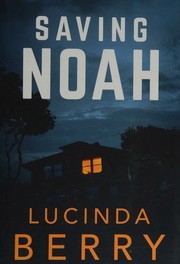
Saving Noah
A seventeen-year-old swimmer confesses to molesting two girls he coached, and his mother must decide what unconditional love is worth.
2,976-word summary · 13 min read

The Best of Friends
Three lifelong friends discover their teenage sons were hiding more than anyone knew after a night that leaves one dead, one in a coma and one silent.
2,040-word summary · 9 min read
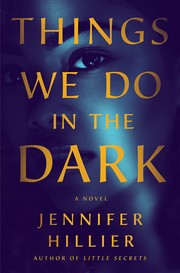
Things We Do in the Dark
A comedian kills her husband, then a podcaster digs up her teen murder past.
2,427-word summary · 11 min read

The Widow
A widow of a suspected criminal faces reporters and police while hiding what her marriage really cost.
2,599-word summary · 12 min read
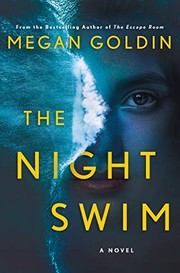
The Night Swim
A true crime podcaster covers a rape trial while probing an old drowning in a small town.
2,260-word summary · 10 min read
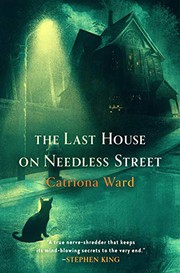
The Last House on Needless Street
A lonely man, a cat and a mysterious neighbor pull you into a house full of buried trauma.
2,627-word summary · 12 min read
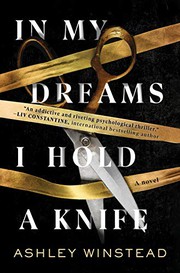
In My Dreams I Hold a Knife
College friends reunite ten years after a murder with a trap set.
2,252-word summary · 10 min read
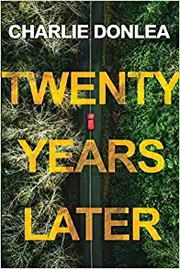
Twenty Years Later
A TV host reinvestigates a 20-year-old murder after a 9/11 victim ID names the accused, and the case pulls her own hidden past into view.
2,726-word summary · 12 min read
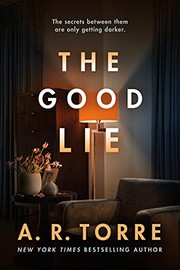
The Good Lie
A psychiatrist and a grieving lawyer reopen a closed serial killer case in California and find the profile points somewhere painful.
2,964-word summary · 13 min read
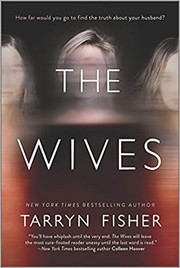
The Wives
A woman who sees her husband only on Thursdays tracks down his other wives and learns her marriage is not what she believed.
2,454-word summary · 11 min read
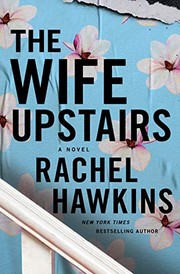
The Wife Upstairs
A struggling dog walker falls for a wealthy widower in Alabama, but his missing wife may still be alive upstairs.
3,255-word summary · 14 min read
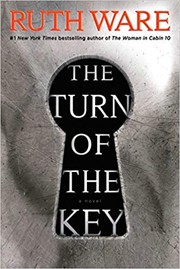
The Turn of the Key
A nanny writes from prison about a smart Highland house, four girls, and the night one child died.
3,207-word summary · 14 min read
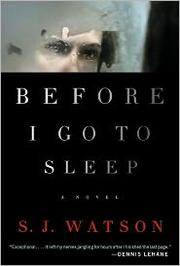
Before I Go to Sleep
Christine wakes each day with no memory, and her secret journal reveals her husband lies.
2,577-word summary · 11 min read
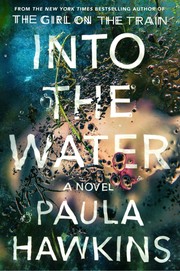
Into the Water
A drowning pool, eleven narrators, and sisters divided in Hawkins's murky second thriller.
2,598-word summary · 12 min read
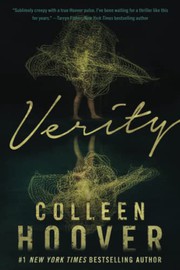
Verity
Colleen Hoover's Verity explained: Lowen, injured Verity Crawford, the hidden autobiography, and the letter that flips everything.
2,593-word summary · 12 min read
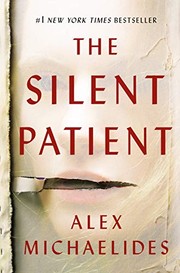
The Silent Patient
Alex Michaelides's The Silent Patient retold: Alicia's silence, Theo's obsession, the Alcestis clue, and the final flip.
2,412-word summary · 11 min read
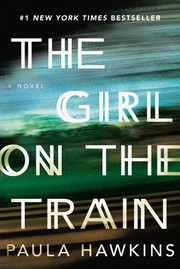
The Girl on the Train
Paula Hawkins's The Girl on the Train retold: Rachel's commute, Jess and Jason, Megan missing, and what really happened that night.
2,391-word summary · 11 min read
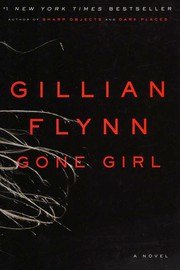
Gone Girl
Gillian Flynn's Gone Girl fully retold: Nick and Amy Dunne, the diary, Desi, the treasure hunt, and why the ending stays ugly.
2,334-word summary · 10 min read
Bring Me Back
Finn lost Layla at a French rest stop twelve years ago. Now engaged to her sister Ellen, he faces sightings, emails and Russian dolls that reopen everything.
2,912-word summary · 13 min read

The Beach House
A young valet is beaten to death at a Hamptons party, and his law-student brother spends a year building a case against the family that covered it up.
2,049-word summary · 9 min read

Six Years
A professor who promised to forget the woman he loved sees her husband's obituary and discovers that the wedding, the marriage, and the woman herself may never…
2,076-word summary · 9 min read

Rules of Prey
Minneapolis detective Lucas Davenport hunts a killer who leaves a new rule at every scene and treats murder as a game of wits.
1,914-word summary · 9 min read

4th of July
Lindsay Boxer shoots two armed teenagers in self-defense, faces a wrongful-death trial, and spends her leave chasing a string of throat-slashing murders in…
2,192-word summary · 10 min read

61 Hours
A bus crash strands Jack Reacher in a snowbound South Dakota town where a drug gang, a corrupt police force, and a single witness are on a collision course.
2,227-word summary · 10 min read

Bad Luck and Trouble
A deposit of $1,030 summons Jack Reacher back to his old army unit, which is being picked off one name at a time.
2,366-word summary · 11 min read