
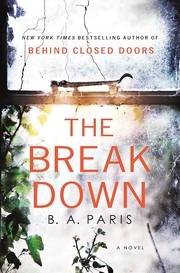
The Breakdown
2,424-word summary 11 min read 328 pages in the book
- First published
- 2017
- Publisher
- St. Martin's Press
- Pages
- 328
- ISBN
- 9781250122469
Reading options
What's inside (8 sections)
I picked up The Breakdown because Behind Closed Doors had kept me up late, and I wanted to see what B.A. Paris did next. This one came out with St. Martin's Press in 2017, a 328 page thriller about Cass Anderson, a teacher who lives with her husband Matthew in a quiet English community near woods and narrow lanes. I expected another marriage pressure cooker. What I got was a story about guilt sliding into self doubt, and how other people learn to use that doubt.
One rainy night Cass drives home late from an end of school year party. She calls Matthew first. He is in bed with a migraine and asks her to avoid the shortcut through the woods. She means to obey. Then rain thickens, traffic crawls, and she turns onto the dark country road anyway to save time.
Through the downpour she sees a car pulled over with a woman sitting inside. Cass slows and waits for a wave or an open door. Nothing comes. She worries about stopping alone at night, about a trick, about mud and no signal. She worries Matthew will be angry she took the road at all. She drives on, telling herself the woman likely has help coming. It feels defensible for a minute. It feels terrible by morning.
The news says a woman was killed on that road that night. Her name is Jane Walters, and Cass realizes she knows her. They had lunch the week before, a new and friendly connection. Now the image of the stopped car will not leave. Could she have helped. Would she have been hurt if she tried. She turns it over and over without finding rest.
She does not tell Matthew she took the shortcut. He had asked her plainly to stay off it, and admitting it now feels like admitting blame. She does not tell her best friend Rachel either. Shame keeps her quiet, and quiet leaves her exposed to everything that follows.
What frightened me early was what Cass already carried before that night. Her mother died after early onset dementia. Cass watched that decline closely, the missed steps and the thinning personality, and since then she tracks her own slips with dread. A lost key never feels small to her. Paris sets this up patiently, so when lapses grow after Jane dies, Cass does not first think of an intruder. She thinks her mind is going.
The night in the woods
The party itself gets little space. Colleagues, tired jokes, someone pouring too much, Cass checking her phone and wanting home. The call with Matthew is brief and domestic. She promises the main road. He says good. Small promises rarely feel heavy until they do.
Paris writes the drive with rain and failing wipers, headlights catching wet bark. Then the stopped car, a woman inside, still and facing forward. Cass pulls close enough to look and expects a plea for help. None comes. She acts less like a hero than a tired woman alone who was told not to stop. That choice read true to me, even as I knew she would regret it.
Morning arrives in stages. A headline about a body near the woods road. Then a name. Jane Walters. Then recognition and a punch of guilt. Lunch, a laugh, numbers exchanged, vague plans to meet again. Now there will be no meeting, only the knowledge that she saw Jane sitting in that car and kept driving.
She later returns to the spot and finds one of her own earrings on the ground. Did she drop it that night without noticing. Did she drop it on a later visit and misremember. She cannot say, which is the point. A small object becomes evidence that her recall slips.
Keeping the secret cuts her off from help. Matthew cannot reassure her about something he does not know. Rachel cannot help her test what is real. Instead Cass rehearses talks in her head and cancels them, afraid people will judge her for passing by. That private loop drives the first third, and it worked for me because guilt makes her an unreliable witness to her own life before anyone else interferes.
Forgetting small things
After Jane dies, ordinary life starts to fray.
She loses track of where she left the car. She stares at her pill bottle, unsure if she took a dose. The alarm code she has used for months blanks, and she has to ask for help and feel foolish. Each slip alone could be stress. Together they point, in her mind, toward her mother.
Then stranger events pile on. A pram arrives she supposedly ordered, though she has no baby. She supposedly signed a contract for an alarm system with no recall of signing. Rachel snaps when Cass forgets an agreement to buy a gift for a mutual friend. Paris keeps these incidents domestic and daylight, which makes them sting more than a shadowy figure would.
At the same time the phone rings with no voice on the line. Silent calls, early and late. She checks numbers and gets nothing useful. She starts to feel watched in the house and on walks, alert to creaks and shifted objects. She wonders if the killer saw her that night and remembered her. Guilt says you should have stopped. Fear says someone knows you did not.
Rachel turns sharp when comfort is needed. She calls Cass dramatic, then goes distant. Matthew swings between care and irritation. He asks about sleep and food, then goes short when her stories shift. He does not believe someone entered the house. He does not believe the calls mean what she thinks. From his side the doubt looks reasonable. From hers it feels like abandonment. The house grows tense less through rules than through constant monitoring, which kept me reading even as I tired on her behalf.
Doctor visits and pills
Matthew talks Cass into seeing a doctor. She resists because a label feels permanent. What if tests confirm her fear. What if they show nothing and pity remains. Exhaustion wins and she goes.
The doctor prescribes something to calm her and help her sleep. Cass hates the idea of pills that add fog when fog is the problem. Then she thinks she sees the murder weapon in her kitchen and breaks down, and after that she takes the prescription. Soon she sleeps through large parts of the day and wakes groggy with hours missing. She tries to log doses on paper and loses the paper. She wonders if she takes too much, and whether someone adjusts what she takes. Paris lets both ideas sit together for a while, which holds tension well.
The break comes after a fight about an intruder. Cass insists someone was inside. Matthew dismisses it. Next morning she wakes extremely ill and ends up in hospital, where tests show a high level of sedative in her blood. Staff raise self harm as a possibility. Cass denies it and feels the ground tilt. How do you argue with a lab result when you cannot account for your evenings.
One steadier scene has her visiting Jane's husband to confess she saw Jane shortly before the murder. He responds with more kindness than she expects and says she carries no blame for what happened. For a day or two she breathes easier. Perhaps grief plus lack of sleep plus fear built ghosts. Then another silent call comes and relief collapses.
I will say this stretch sags. Paris wants us to feel repeated foggy mornings, but several chapters circle the same beats. Wake confused, check the bottle, argue, sleep. The sedation idea is strong and the hospital turn hits hard. It just needed fewer near identical days to keep dread sharp.
Cracks at home
Home stops feeling safe in small ways first.
A stair creaks with no one there. A cupboard stands open though she thought she closed it. Objects move short distances. Nothing she could photograph for a neighbor. Just enough to keep her checking locks twice and standing in rooms trying to recall how she left them. If you have walked into a kitchen and wondered about the burner, you know this fear, only hers does not fade after checking.
Meals grow strained. Matthew watches her take pills. She watches him watch her. Questions about fuel, doors left unlatched, missed calls from school, each land like accusations even when they start as concern. Rachel offers no relief. Lunches shift, calls shorten, and when they meet Rachel can be cutting before smoothing it with a laugh that misses.
This is where Cass frustrated me, with sympathy for what Paris tried. She withholds the woods road story long past usefulness. She hides worsening lapses from the doctor while resenting Matthew for not grasping them. Shame and fear of a dementia tag explain much, yet after several missed chances the silence feels maintained by plot as much as by character. Readers who want practical heroines may chafe here. I did in patches.
She still shows fight in flashes. She retraces routes, asks careful questions about Jane, holds onto the earring detail. She pushes back when spoken to like a patient rather than a partner. Those efforts kept me with her. She reads less as passive than as frightened, testing reality with tools that keep slipping.
The burner phone
The reframe arrives on an ordinary evening out.
Cass dines with Rachel, who leaves earlier than expected. Soon after, a girl from another table brings Cass a phone and says her friend took it from Rachel's purse on a dare. It looks like a cheap extra rather than Rachel's usual phone, with only one saved number. On impulse Cass calls it and hangs up fast when Matthew answers.
That answered call changes everything.
On the phone she finds exchanges between Matthew and Rachel. They are having an affair, and worse, they discuss her memory in a way that looks arranged rather than worried. Small tricks and staged confusion meant to make her doubt what she did and when. After so much fog, holding words on a screen feels solid. Not a feeling. Evidence.
She gathers what she can quietly. Times, notes, the phone itself. She replays the drugged afternoons with new eyes. Who handled pills. Who knew codes. Who stayed kind in public and cold at home. The affair alone would wound. The added effort to make her seem unstable gives it a cruel edge suited to this kind of thriller.
She goes to the police and points them toward Matthew and Rachel over Jane's death. Her tips help officers look harder at Rachel, and what surfaces shifts the case. Rachel killed Jane. In confession Rachel says Jane knew about the affair and threatened to tell Cass. That threat supplies a motive rooted in secrecy rather than chance.
A money motive sits beside it. Rachel and Matthew meant to have Cass declared unstable so they could reach her inheritance, with Rachel feeling entitled through closeness to Cass's parents. This pull together satisfied me emotionally while stretching belief. Two people drugging and confusing someone daily, plus hiding a murder tied to the same secret, would need luck and nerve that Paris moves past quickly. Momentum carries it, but I wanted one near miss, a pharmacist asking questions or a neighbor noticing, to make the risk feel real.
What worked was that the twist does not erase the first night. Cass still drove past Jane. Lapses may have been shaped by others, yet that choice remains hers. She was targeted and grieving at once, and Paris lets both truths stand rather than letting discovery wipe her clean.
What holds and what slips
The strongest pairing here is guilt with fear of dementia. Either could carry a thriller alone. Together they trap Cass from two sides. Guilt says you failed Jane. Fear says you cannot trust your recall of failing her. Add silent calls and watched feelings, and normal forgetfulness starts to look like proof. The pram, the alarm contract, the missed gift, the blank on codes. Daylight details unsettle more than shadows because they touch daily competence.
The prose stays plain and fast. Short chapters, tired couple talk, busy friend talk, enough rain and fluorescent light and pill rattle before moving on. Readers who liked the pace of Behind Closed Doors will recognize the pull. I read the last third in one sitting to see how Cass would use the phone once she had it.
What slips is surprise. I guessed the shape of the affair well before the restaurant scene. Rachel's edge plus Matthew's impatience plus inheritance talk made that pairing likely. The book also leans long on Cass telling no one about seeing Jane, which strains belief once danger nears. Shame explains it, but after repeated chances the story holds her back more than she holds herself back.
Plausibility around the scheme wobbles too. Steady drugging, moved items, arranged calls, a burner phone kept with a readable thread, all while looking normal at school and dinners, takes coordination Paris hurries past. I would have traded a few foggy mornings for a chapter where their plan nearly fails.
Who should read it. Fans of domestic thrillers with a narrator who has reason to doubt herself will find plenty here. Anyone who wanted another quick Paris story about a woman thinking clearly inside a confusing house will feel at home, though the villainy is more scheming than stark. Those wanting procedure or courtroom detail should look elsewhere. This stays close to Cass throughout.
A care note matters. Sedation, a hospital stay where self harm is raised, and a mother lost to dementia drive much dread. Paris neither lingers cruelly nor looks away. If those topics are raw right now, pace yourself or save this for later. Skipping would thin the story since they are central.
I left thinking about the woods road rather than the reveal. Paris does not use the twist to excuse Cass for driving on. That restraint gives the ending weight. She did not kill Jane. She also did not stop. Learning to trust her mind again while carrying that middle truth feels like the right place to stop. The film version called Blackwater Lane arrived in 2024, and the novel earned thriller prize attention in 2017, but what stayed with me was smaller. A code she should know, a phone with no voice, and the slow work of writing things down until the world steadies.
FAQ
When was The Breakdown published?
HarperCollins published it in the UK in February 2017 and St. Martin's Press published the US hardcover in July 2017. The US hardcover runs 328 pages and the ISBN is 9781250122469.
Who are the main characters?
Cass Anderson, her husband Matthew, her best friend Rachel and Jane Walters, the woman killed in the woods.
Is it part of a series?
No, it stands alone as B.A. Paris's second novel after Behind Closed Doors.
Similar books
The Therapist
A couple moves to a gated street where the previous therapist was murdered in their house.
2,437-word summary · 11 min read
Behind Closed Doors
Grace seems to have a perfect marriage to Jack, until her sister and a friend see the locks and rules.
2,056-word summary · 9 min read
Saving Noah
A seventeen-year-old swimmer confesses to molesting two girls he coached, and his mother must decide what unconditional love is worth.
2,976-word summary · 13 min read
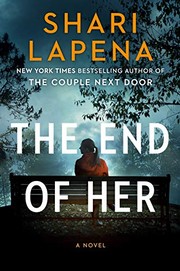
The End of Her
A sleep-deprived mother of twins faces a stranger's accusation that her husband murdered his first wife in Shari Lapena's domestic suspense novel.
2,383-word summary · 11 min read

What She Knew
Rachel lets her eight-year-old son run ahead in a Bristol park, and the nine-day search turns her into a suspect in the public eye.
2,952-word summary · 13 min read

Still Missing
A realtor is abducted at a Vancouver Island open house and held for more than a year. Told through therapy sessions, the novel follows her escape and the hunt…
2,466-word summary · 11 min read

The Ex
Cassie thinks her new boyfriend's ex is the woman harassing her, but Freida McFadden's thriller keeps rearranging who the ex actually is.
2,103-word summary · 9 min read

The Best of Friends
Three lifelong friends discover their teenage sons were hiding more than anyone knew after a night that leaves one dead, one in a coma and one silent.
2,040-word summary · 9 min read
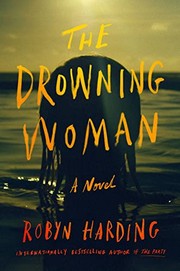
The Drowning Woman
Living in her car in Seattle, Lee saves a wealthy stranger from drowning. The friendship that follows draws her into abuse, murder, and a plan to disappear.
2,578-word summary · 11 min read
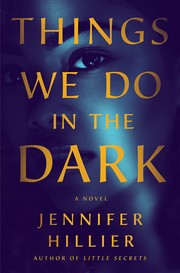
Things We Do in the Dark
A comedian kills her husband, then a podcaster digs up her teen murder past.
2,427-word summary · 11 min read

The Widow
A widow of a suspected criminal faces reporters and police while hiding what her marriage really cost.
2,599-word summary · 12 min read
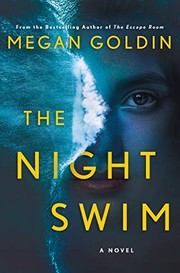
The Night Swim
A true crime podcaster covers a rape trial while probing an old drowning in a small town.
2,260-word summary · 10 min read
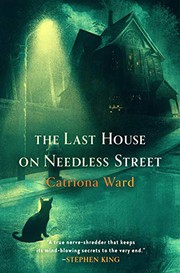
The Last House on Needless Street
A lonely man, a cat and a mysterious neighbor pull you into a house full of buried trauma.
2,627-word summary · 12 min read
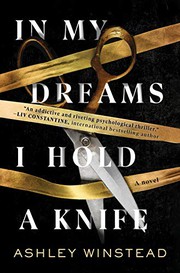
In My Dreams I Hold a Knife
College friends reunite ten years after a murder with a trap set.
2,252-word summary · 10 min read
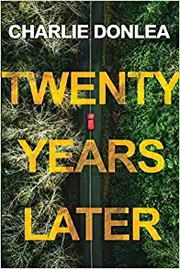
Twenty Years Later
A TV host reinvestigates a 20-year-old murder after a 9/11 victim ID names the accused, and the case pulls her own hidden past into view.
2,726-word summary · 12 min read
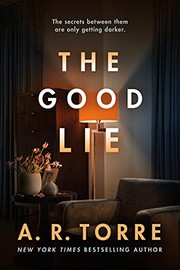
The Good Lie
A psychiatrist and a grieving lawyer reopen a closed serial killer case in California and find the profile points somewhere painful.
2,964-word summary · 13 min read
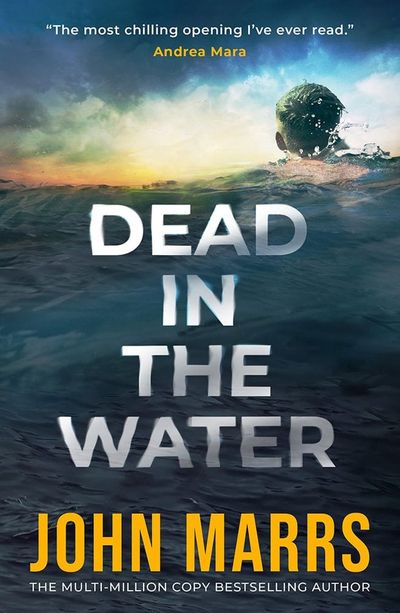
Dead in the Water
After Damon survives drowning, one strange memory of a dead boy pulls him back toward death again and again to find the truth.
2,358-word summary · 10 min read
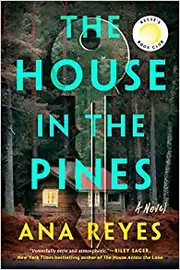
The House in the Pines
Maya's best friend died at seventeen; seven years later a video of Frank with another dead girl pulls her home.
2,081-word summary · 9 min read
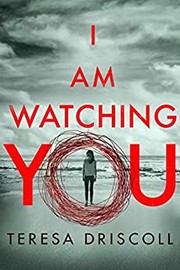
I Am Watching You
A florist watches two schoolgirls chat with ex cons on a train and stays silent. A year later one girl is still missing and someone starts watching her.
2,939-word summary · 13 min read

The Wives
A woman who sees her husband only on Thursdays tracks down his other wives and learns her marriage is not what she believed.
2,454-word summary · 11 min read
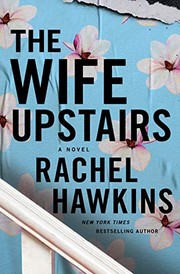
The Wife Upstairs
A struggling dog walker falls for a wealthy widower in Alabama, but his missing wife may still be alive upstairs.
3,255-word summary · 14 min read
The Turn of the Key
A nanny writes from prison about a smart Highland house, four girls, and the night one child died.
3,207-word summary · 14 min read
The Push
Blythe fears daughter Violet is dangerous while husband Fox doubts her.
2,260-word summary · 10 min read
Before I Go to Sleep
Christine wakes each day with no memory, and her secret journal reveals her husband lies.
2,577-word summary · 11 min read
Into the Water
A drowning pool, eleven narrators, and sisters divided in Hawkins's murky second thriller.
2,598-word summary · 12 min read
Verity
Colleen Hoover's Verity explained: Lowen, injured Verity Crawford, the hidden autobiography, and the letter that flips everything.
2,593-word summary · 12 min read
The Silent Patient
Alex Michaelides's The Silent Patient retold: Alicia's silence, Theo's obsession, the Alcestis clue, and the final flip.
2,412-word summary · 11 min read
The Girl on the Train
Paula Hawkins's The Girl on the Train retold: Rachel's commute, Jess and Jason, Megan missing, and what really happened that night.
2,391-word summary · 11 min read
Gone Girl
Gillian Flynn's Gone Girl fully retold: Nick and Amy Dunne, the diary, Desi, the treasure hunt, and why the ending stays ugly.
2,334-word summary · 10 min read
Bring Me Back
Finn lost Layla at a French rest stop twelve years ago. Now engaged to her sister Ellen, he faces sightings, emails and Russian dolls that reopen everything.
2,912-word summary · 13 min read