
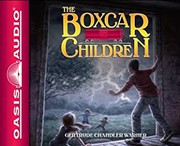
The Boxcar Children
2,892-word summary 13 min read 154 pages in the book
- First published
- 1942
- Publisher
- Albert Whitman & Company
- Pages
- 154
- ISBN
- 9780807508527
- Series
- The Boxcar Children (#1)
Reading options
What's inside (9 sections)
I picked up The Boxcar Children because I kept seeing it on classroom shelves and I wanted to know why it sticks around. I expected a thin old reader with a moral on every page. What I found was stranger and warmer. Four kids run away, live in a rusted boxcar, wash in a stream, and seem happier than most adults I know. The book was first published in its familiar revised form in 1942 by Scott, Foresman and Company for school use, and Albert Whitman and Company kept the standard 154 page edition in print that most of us meet today. Gertrude Chandler Warner wrote it for her first grade pupils, many of whom were learning English, so the sentences stay short and the actions stay clear. It is the first book in The Boxcar Children series, and it reads like an invitation to a secret place.
The plot sounds simple from a distance. Henry, Jessie, Violet and Benny Alden lose their parents and refuse to live with their grandfather. They find a boxcar. They make it home. A kind doctor helps. The grandfather turns out to be kind after all. That outline misses why children reread it. The pleasure sits in the small jobs. Finding a cup in a dump feels like treasure. Cutting pine needles for beds feels like camping that never ends. Warner walks through each day in order, and the order matters because the kids earn every comfort.
A bakery door on a warm night
The book opens on one warm night with four children standing in front of a bakery. No one knows them. No one knows where they came from. Henry is fourteen, Jessie is twelve, Violet is ten, and Benny is six. They are thin and tired. They ask the baker woman for food and a place to sleep.
She feeds them and lets them stay the night in the bakery. At first she seems decent. Then the kids overhear her and her husband talking late. The couple plan to keep the three older children to work in the shop and send little Benny to a home for children. It is not a cartoon villain scene. It is worse in a quiet way, because the adults sound practical about splitting them up.
Jessie wakes the others before dawn and they slip out. That decision sets the tone for the whole book. The Aldens would rather be hungry together in the woods than fed and separated in town. They walk until the houses thin out. They sleep one night on pine needles under trees. Jessie worries about rain and starts looking for cover while the others rest.
I love how little fuss Warner makes here. There is no long talk about grief. Their parents are gone. Their grandfather, James Henry Alden, is rich and, in their minds, hard hearted. They believe he disliked their mother and will be cold to them, so they will not go to him. A child reading this gets the logic at once. If grown ups can decide to split you up, you stop trusting grown ups for a while.
The boxcar in the woods
Jessie finds the boxcar while searching for shelter from rain. It sits alone among trees, old and red, with rust on the wheels and grass growing close. The door slides. Inside it smells of dust and oil. To an adult it looks like junk. To four tired kids it looks like walls and a roof that no one else wants.
They clean it with what they have. They sweep with branches. They lay down pine needles and soft hay for beds. They find a dead stump nearby that the younger ones can climb inside for play. A stream runs not far off, which gives them water for drinking and washing. They learn its path quickly, where it runs shallow and where it pools.
Food comes next. They pick blueberries and cherries in season. They catch the rhythm of gathering in the morning before heat. Henry walks to the town called Silver City to look for work. Jessie stays as housekeeper, cook, and nurse in one. Violet helps with mending and keeping Benny close. Benny, at six, carries small loads, sorts berries, and guards his favorite find from the town dump, a cracked pink cup that becomes his own dish.
The dump trip is one of my favorite stretches. Warner lets them be practical without shame. They haul back a kettle with a hole that still boils, cups with chips, a broken table leg that works as a shelf prop, and cloth for curtains. Henry fixes what he can with wire and nails. Jessie washes everything in the stream and lays it in sun. When the boxcar gets curtains and a shelf and a line for clothes, it stops looking abandoned. It looks claimed.
Henry also builds small comforts with a hammer Dr Moore later gives him and a few nails he collects. He and the others shape a small dam in the stream to make a pool for bathing and washing. He makes a cart from boxes and old wheels so Benny can ride and so they can haul wood. These scenes take time. Some readers will wish for more danger. I came to enjoy the slowness because each improvement feels earned. No adult drops supplies by helicopter. The kids solve the next small problem with hands and patience.
Work, berries and a dog named Watch
Silver City gives the book its second home base. Henry finds odd jobs for a young doctor named Dr Moore. He mows, runs errands, stacks wood, and carries parcels. Dr Moore often pays in spare food and clothes as well as money. He notices Henry hides something. Henry will not say where he lives or why he needs so much bread for a boy alone.
Dr Moore follows him once in secret to see for himself. He watches the four kids share supper in the boxcar clearing and decides they are safe for now. He does not call anyone. He waits for Henry to trust him. That restraint matters. A different book would bring police in chapter three. Warner lets the kids keep their freedom a little longer, which is exactly why young readers trust her.
While Henry works, Jessie runs the boxcar kitchen. She stews berries, bakes rough bread when flour allows, boils water for washing, and keeps a strict cleaning round. Violet sews torn shirts, paints pictures of trees, and plays with Benny. Benny learns letters with Jessie, eats with famous appetite, and talks to everyone as if they are old friends. His pink cup shows up again and again. He drinks from it, feeds crumbs from it, and cries when it cracks further.
Watch arrives in the middle of this routine. The kids hear whining in the woods and find a stray dog with a thorn in his paw. Jessie pulls the thorn out gently and cleans the cut. The dog follows her from then on. They name him Watch because he barks at strangers and sleeps across the boxcar door. In the revised text he is a Wire Fox Terrier. In the very first 1924 version of the story, which used the family name Cordyce instead of Alden, the dog was an Airedale and the doctor was called McAllister instead of Moore. Those old details changed in the school revision, but the core stayed. A hurt animal trusts a careful girl, and the family grows by one.
One light scene breaks the work pattern and I still smile thinking about it. Benny's hair grows shaggy, so Jessie trims it with Violet's scissors. Benny wants to help in return, so he trims Watch's hair and tries to cut a letter J for Jessie into the fur. He is learning to read and he thinks of Watch as Jessie's dog, so the letter feels like a gift. Jessie and Violet laugh hard. It is a rare loud laugh in a book full of quiet chores, and Warner places it well before trouble comes.
Field Day and the grandfather they feared
Dr Moore invites Henry to a Field Day competition without telling him who runs it. The event is put on by James Henry Alden, the same grandfather the children fear. Stalls sell food. Men hammer posts for races. Boys gather for running events. Henry hears about a free for all race with no age limit and signs up because the prize money could feed the family for weeks.
Henry runs his fastest and wins. His lungs burn. His legs shake. James Henry Alden himself hands him a silver cup and twenty five dollars. Neither knows the other is family. Henry carries the cup back through the woods like it might break if he breathes wrong. Jessie polishes it with a cloth. Violet sets wildflowers around it. Benny wants to drink milk from it at once.
The scene works because Warner does not force a reunion. The grandfather watches a strong polite boy and admires him. The boy sees a kind old man and thanks him. Readers know what they do not. That gap creates warmth without melodrama. I felt proud for Henry and a little sad too, because the money solves short hunger while the larger loneliness stays.
This is also where Warner shows her teaching roots. She explains the race in plain steps. Runners line up. The starter calls. Feet slip on grass. Henry paces himself, then sprints near the end. A child who has never seen a track meet can picture it. A child who struggles with reading can follow it. Warner read drafts aloud to her classes and rewrote until the words sat easy. You can feel that care in passages like this. Nothing fancy blocks the action.
My one complaint about this stretch is how neatly the coins land. Twenty five dollars in that era covers a lot for runaways who count pennies for bread. The win feels a touch lucky after so many careful earned gains. I accept it because Henry trains by walking miles daily and working hard jobs, so his speed makes sense. Still, part of me wishes the money had come from two weeks of stacked wood rather than one afternoon race.
Violet gets sick and the secret comes out
After the laughter over Benny's haircut, Violet falls seriously ill. She grows pale and weak. She coughs. She cannot keep food down. Jessie tries cool cloths and berry tea. Henry sits up at night to listen to her breathing. They do not want to go to a hospital because they lack money and fear questions that would reveal who they are. For the first time their system fails. Love and pine needles cannot cure this.
Henry runs to Dr Moore and tells the truth at last. He says they are four orphans living in a boxcar and his sister may die. Dr Moore does not scold. He brings Violet to his own house instead of a hospital ward. Mrs Moore makes broth, airs sheets, and keeps the room quiet. Henry, Jessie and Benny stay as guests with Watch curled near the porch. The Moores feed them without making them feel like charity cases.
Meanwhile James Henry Alden has offered a reward for news of his four missing grandchildren. He has searched since their parents died. Dr Moore hears the description and connects the boxcar kids to the lost Aldens. He goes to see the old man and warns him plainly. Your grandchildren fear you. They think you are cruel because you quarreled with their mother. Do not arrive as a rich claimant. Meet them first as a friend.
Alden agrees. Dr Moore brings him to the house as a friend of the family. The old man talks with Henry about work, praises Jessie's cooking, admires Violet's sewing, laughs at Benny's stories about his pink cup, and pats Watch. He is warm and a bit shy. The kids like him at once. When the truth comes out, that this kind visitor is their grandfather, surprise gives way to relief. They agree to live with him. Fear built over months falls in one evening because experience beats rumor.
Benny misses the boxcar most. He says so openly. He misses the stream sound and the stump and his shelf. As a surprise, Mr Alden has the boxcar moved to his backyard, cleaned, painted, and set among trees with the old stump placed nearby. The kids can sleep in the house and play in the boxcar whenever they want. It is a clever adult move. He does not mock their wild home. He honors it. The book ends with the family whole and the boxcar kept as a clubhouse rather than left to rust.
What holds up and what creaks
What holds up best is the daily survival logic. Warner respects process. She shows how to wash clothes in a stream without soap waste, how to store berries so they last, how to bank a fire, how to mend with small stitches. Modern kids who have never built a dam or swept a dirt floor can still follow each step. The Aldens argue little and share a lot, which makes the book feel safe for new readers. Henry protects without bossing. Jessie mothers without nagging. Violet soothes stray tempers. Benny asks the questions a younger sibling would ask.
Watch helps too. He is not a magic dog who rescues anyone from a well. He barks, guards, and leans against Jessie when she is tired. That modesty keeps him believable. The pink cup does similar work. It is cracked and worthless to anyone else. To Benny it means he has a place at the table. Warner understood how children attach to small objects when big things feel shaky. Teachers still tell me that cup gets more class talk than the race.
The mystery element stays light here compared with later books in the series. After this first story the Aldens become young sleuths who solve thefts and odd events on trips and holidays. Only the first nineteen titles were written by Warner herself. Later books kept her byline as creator while other writers continued the adventures. Knowing that helped me read book one on its own terms. It is less a puzzle and more a home making story with one race and one illness for shape.
Now for fair criticism, because the book needs it. The middle can drag for readers past eight or nine. Several chapters repeat the same loop of gather, cook, wash, sleep with small changes. If you want twists, hidden clues, or sharp dialogue, you will wait long. The adults apart from Dr Moore stay thin. The baker couple vanish after the escape. Mrs Moore is kind in one register. Even James Henry Alden turns from feared to perfect rather fast. One warm visit erases years of dread, which feels quick after Warner spent half the book building that fear.
Some modern readers will also notice the roles. Jessie cooks and cleans while Henry earns outside. Violet sews and soothes. Those jobs fit the era and the kids choose them freely, but the pattern repeats without comment. I did not mind it as history, yet I wanted one scene where Henry burns bread or Jessie tries paid work in town to balance the picture. The book never quite gives that.
The language can feel dated in spots as well. Sentences run short and plain by design, which helps beginners but can flatten emotion for older readers. Violet's illness scared me less on the page than it should have, because Warner reports symptoms in calm schoolbook terms. I had to supply the worry myself. Younger kids may actually prefer that distance. I felt it as a gap.
Still, I finished fond of these four. I liked that Warner trusted restless kids to read about patience. I liked that the grandfather earns them instead of claiming them. I liked that the boxcar stays, because too many growing up stories tell children to leave wild places behind. Here the adult moves the wild place into the yard and says it mattered. On my last page I thought about my own childhood fort under a porch, with a chipped mug I would not share, and I understood why this plain story keeps its shelf. It tells a child that home is not walls. It is people who keep your cup safe.
A note on editions for careful readers
If you hunt for copies you will meet two histories. The very first telling appeared in 1924 from Rand McNally as The Box-Car Children with the surname Cordyce. Warner later cut and rewrote it for classroom use, and that shorter text is the one most of us know. The school edition dates to 1942, and Albert Whitman and Company kept it in print through the century in the familiar illustrated form. Page counts shift a little by printing, but the standard Whitman paperback and its Scholastic reprints run 154 pages with the same chapters retold here. Collectors chase the 1924 printing for curiosity. Readers who want the story as schools taught it should reach for the Whitman text with ISBN 9780807508527, which is the basis for the facts above.
FAQ
When was The Boxcar Children published and who published it?
Gertrude Chandler Warner published the revised story in 1942 with Scott, Foresman and Company for schools, and Albert Whitman and Company kept the standard 154 page edition in print. The summary follows that text and keeps its facts aligned.
Who are the Alden children and how old are they?
Henry is fourteen, Jessie is twelve, Violet is ten and Benny is six, plus their dog Watch. They are orphans who run from a bakery and live in a boxcar before meeting their grandfather James Henry Alden.
Is The Boxcar Children only for small children?
It suits readers in grades two to six, but older readers who enjoy quiet survival detail and early series mysteries also return to it. The pace is gentle and the stakes stay domestic, so teens wanting fast twists may find it slow.
Similar books
More from The Boxcar Children first, then related titles.
From the Mixed-Up Files of Mrs. Basil E. Frankweiler
Claudia and Jamie run away to the Met, chase whether a 225 dollar Angel is a Michelangelo, and trade secrets with Mrs. Frankweiler.
2,774-word summary · 12 min read
The Borrowers
A family of tiny people live under the floorboards of an English house, borrowing what they need until a lonely boy and a suspicious housekeeper change…
2,164-word summary · 10 min read

The Swiss Family Robinson
Shipwrecked Robinsons build treehouses and tame island beasts.
2,400-word summary · 11 min read

The Penultimate Peril
Baudelaires as concierges in a hotel sort friends from foes before the end.
2,234-word summary · 10 min read
The End
Baudelaires wash on an island where others decide what safe means.
2,320-word summary · 10 min read
Charlie and the Great Glass Elevator
Charlie and Wonka overshoot Earth in the glass elevator, meet alien Knids, then risk age pills and Minusland.
2,514-word summary · 11 min read
The Prince and the Pauper
Tom Canty and Prince Edward swap clothes in Tudor London and live each other's lives, from palace dinners to prison cells, until a hidden seal decides the…
2,979-word summary · 13 min read
The Hostile Hospital
The Baudelaires hide in half-built Heimlich Hospital, uncover a thirteen-page file hinting a parent survived, and flee Olaf's surgery trap through fire.
2,658-word summary · 12 min read
The Grim Grotto
Snicket eleventh Baudelaire book, Sept 2004 HarperCollins, 323 pages: the Queequeg crew, Gorgonian Grotto fungus, Fiona choice, and Sunny wasabi cure that…
2,789-word summary · 12 min read
The Slippery Slope
Violet and Klaus climb icy peaks to rescue Sunny while Quigley and V.F.D. ruins change what they know.
2,678-word summary · 12 min read

The Jungle Book
Mowgli, raised by wolves in the Seeonee Hills, learns the Law from Baloo and Bagheera while Shere Khan circles. Kipling's 1894 story collection.
2,799-word summary · 12 min read

The Carnivorous Carnival
Baudelaires hide as carnival freaks to find V.F.D. clues, facing lions, Olaf, and a fateful cliff split.
2,027-word summary · 9 min read
The Sign of Four
Mary Morstan's pearls lead Holmes and Watson from foggy London to Agra treasure and a Thames chase.
2,114-word summary · 9 min read

The Mysterious Benedict Society
Four gifted children pass strange tests and go undercover at a school hiding a mind control machine.
2,130-word summary · 9 min read
The Miserable Mill
Sent to work at the Lucky Smells Lumbermill, the Baudelaires face harsh labor, strange hypnotism, and a familiar villain in a new disguise.
2,662-word summary · 12 min read
Mrs. Frisby and the Rats of NIMH
A widowed mouse races the spring plow to save her sick son Timothy, and finds help from the intelligent rats of NIMH hiding under the rosebush.
3,159-word summary · 14 min read
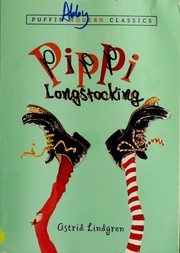
Pippi Longstocking
A super-strong nine-year-old lives alone in Villa Villekulla, upending school, circus and town rules with neighbors Tommy and Annika.
3,115-word summary · 14 min read

The Neverending Story
Bastian steals a book about Fantastica dying and learns he must name and wish to save it.
1,941-word summary · 9 min read

The Silver Chair
Eustace and Jill retold: four signs, a lost prince, Puddleglum the Marsh-wiggle, giants at Harfang, and the Lady below.
2,940-word summary · 13 min read
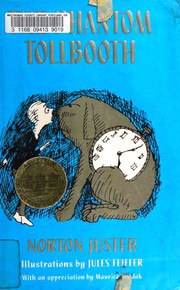
The Phantom Tollbooth
A bored boy drives a toy car through a magic tollbooth into the Kingdom of Wisdom and learns to care about words, numbers and time.
2,765-word summary · 12 min read

The Last Battle
Lewis ends Narnia: Shift ape false Aslan, King Tirian last stand, Jill and Eustace at Stable Hill, and a morning beyond the world.
3,037-word summary · 13 min read

The Horse and His Boy
Shasta and Bree flee Calormen to Narnia with Aravis and Hwin.
2,594-word summary · 12 min read

Peter Pan
Wendy, John and Michael fly to Neverland with Peter, face Hook, and learn what growing up costs.
2,502-word summary · 11 min read
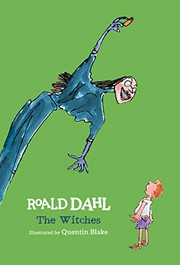
The Witches
A boy and his grandmother face the Grand High Witch's plan to turn England's children into mice.
2,738-word summary · 12 min read

The Wonderful Wizard of Oz
Dorothy is carried to Oz by a cyclone and walks the yellow brick road with Scarecrow, Tin Woodman, and Lion.
3,297-word summary · 15 min read

The Voyage of the Dawn Treader
Lewis sends Lucy, Edmund and Eustace aboard Caspian's Dawn Treader to find seven lost lords, past dragon gold, dark dreams and the world's edge.
2,330-word summary · 10 min read
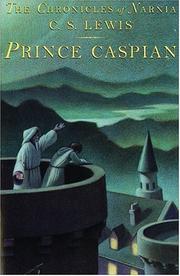
Prince Caspian
The Pevensies return to ruins at Cair Paravel and help Caspian take back Narnia from Miraz.
2,304-word summary · 10 min read
James and the Giant Peach
Lonely James escapes two cruel aunts inside a giant peach with huge insect friends, rolling to the sea and floating on gulls to New York City.
2,384-word summary · 11 min read
A Study in Scarlet
Watson meets Holmes in Baker Street, a Brixton body bears the word Rache, and a Utah revenge tale explains it.
2,208-word summary · 10 min read
The Magician's Nephew
C. S. Lewis's Narnia origin story retold: Digory and Polly, the Wood between the Worlds, the waking of Jadis in Charn, Aslan's singing creation, and the apple…
2,528-word summary · 11 min read