
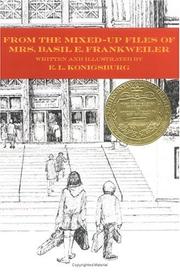
Reading options
What's inside (8 sections)
I came to this book late, after hearing grown ups describe it as their childhood escape plan. Someone would mention hiding in a museum and someone else would smile in recognition. I wanted to know if it still worked past nostalgia. E.L. Konigsburg first published it in 1967 with Atheneum, and the standard hardcover most readers find today runs 176 pages with ISBN 9780689205866. The true first edition was 162 pages. It won the Newbery Medal in 1968. My question going in was simple. Could a story about two kids camping in the Met carry a real mystery and a complicated old woman without turning sugary.
It can, largely because Claudia Kincaid feels so specific. She is almost twelve, a sixth grade straight A student who corrects grammar and loves comfort. She is the oldest of four in Greenwich, Connecticut, and the only girl, so she sets the table and empties the dishwasher while her brothers vanish. She feels filed away as the responsible one. Her response is to run away, but comfortably. She will teach her parents a lesson in Claudia appreciation and she will do it without being cold or hungry.
That bargain hooked me. She wants freedom with plumbing.
Planning a comfortable runaway
Claudia plans carefully. She saves what she can, though she spends too much on sweets. She studies train times. She looks for a place where two children can blend by day and go quiet by night. The Metropolitan Museum of Art answers every need. Warm rooms, benches, bathrooms, crowds of school tours to hide beside.
She picks Jamie to bring along. He is nine, quiet when it suits him, and careful with money in a way Claudia is not. He saves his allowance and wins at War on the school bus, especially against his friend Bruce, building a stash around twenty four dollars and change. That sum meant a lot in the mid sixties. Claudia resents needing his cash. Jamie resents following her rules. She organizes, he finances, and both keep score.
The trip itself is very much of its period. They slip away after the school bus, catch the commuter train to Grand Central, and walk a long way to the museum with heavy bags. Claudia has found a discarded adult ticket with rides left on it, which helps with fare. Konigsburg writes the tired feet part well. Bags drag, legs ache, Jamie grumbles in practical bursts, Claudia refuses to turn back early and spoil the plan.
I appreciated how plain the motives stay. Claudia is not escaping cruelty. She protests feeling ordinary. Jamie is not brave in any showy sense. He goes because it sounds interesting and makes him matter. They are suburban kids with bus fare and opinions, and that honesty keeps the start from feeling cute.
How to live in a museum
The middle chapters are a manual for disappearing, still the famous part. By day the kids drift at the edges of school groups, study one gallery at a time, rest when guards look bored, stash their case out of sight. Before closing they step into a bathroom stall, stand on the seat, wait through the check, then slip out when the halls go still. One cough at the wrong time would end it.
Nights give the book its glow. They sleep in a grand display bed with a canopy, tied in the label copy to Amy Robsart and a suspicious death in 1560. Mornings they wash in the Fountain of the Muses before staff arrive. They collect wishing coins visitors have tossed in and spend them on food outside, at automats and counters that have mostly vanished now. They rinse socks and underwear in the fountain and dry them behind statues. Glamorous and grubby at once.
Jamie runs the budget in a notebook. He counts fountain coins, sets limits, decides when they can afford a hot meal. Claudia, full of ideas and loose with cash, has to bargain. Those small talks about who pays and who decides rang truer than any speech about independence. Any sibling will know the ledger. Who chose last, who paid last, who carried.
Slowly they start to look at art rather than just use the building. Claudia assigns a gallery a day. Jamie feigns boredom longer than he feels it. They watch light on marble, listen to guides from a few feet away, notice how sound moves in a hall. Konigsburg illustrated the book herself and writes about seeing with patience. If you were ever dragged to a museum as a kid, you know the moment when counting minutes gives way to noticing one thing. She catches that without turning it into a lesson.
Modern readers will feel the date. No phones, no cameras everywhere, no timed tickets scanned at entry. Everything runs on cash, paper tickets, pay phones, and guards with flashlights. The logistics have aged into history, which is fine. The wish underneath has not. Privacy inside a crowd, a place large and quiet enough to belong to for a while.
The Angel no expert can place
Just as routine settles, a new display redirects the story. The museum shows a small marble angel, graceful with folded wings, listed as sculptor unknown. Word around the galleries and in the Times suggests it could be an early Michelangelo. It came at auction for only 225 dollars from Mrs. Basil E. Frankweiler, who had bought it in Bologna before the Second World War and later closed her Manhattan house.
That price stuns everyone. Claudia fastens on it at once. She came to feel different and still feels the same, only with better scenery. Solving what scholars cannot solve would give the trip meaning. Jamie cares less at first, then warms to the puzzle and the thought of being the kid who cracked it.
Their methods are charmingly analog. They visit the statue at different hours, study hands and drapery, compare photos in the museum shop books, then walk to the Donnell Library branch to page through volumes on Renaissance sculpture and workshop practice. They wrestle with words like attribution and provenance and get them half right in the way bright kids do.
The break comes at the base of the figure. On the velvet underneath they notice the dent of a letter M. Books mention a mason mark tied to Michelangelo, and to them this looks like proof. They rent a post office box at Grand Central under cover, write an anonymous note to the museum, and arrange for a passing school group to carry it to the office. At one point they hear a tour from their own Greenwich school, a scare that tightens the scene.
The reply is kind and crushing. The public relations office thanks them, notes the mark has been known for some time, and explains it does not settle authorship. It might show design rather than carving, or reuse by another hand. Claudia cries. That sting felt true to me, the moment a young researcher learns a big find was already filed. Jamie asks if this means home. Claudia says she cannot go back unchanged, because she came to return different. Tired and stubborn at twelve, that reads as honest rather than grand.
The seed for this plot was real. In October 1965 the Times reported the Met had bought a Renaissance era plaster work for 225 dollars, a bargain that set off debate. Scholars now connect that object with Leonardo's circle rather than Michelangelo, but Konigsburg borrowed the price and the puzzle and recast the piece as marble and the possible maker as Michelangelo. The book never pretends to be scholarship. It uses an argument about evidence to give two kids a question worth chasing.
Farmington and the woman with the files
Nearly broke, Claudia makes the bold call. Rather than buy tickets home, they will spend the last money reaching the seller herself in Farmington, Connecticut. It is rash and, inside the story, inevitable. Only the former owner knows what the files do not.
Mrs. Frankweiler lives in a country estate full of antiques, with a butler named Parks and a chauffeur named Sheldon. She is eighty two, wealthy and sharp, odd by choice. Her office startles the kids. It looks like a lab, with long banks of filing cabinets. She works in a lab coat over good clothes, with a baroque pearl necklace, which tells you where work sits among display.
She places them quickly. Papers have reported missing children from Greenwich. She does not call the police at once, partly from curiosity and partly from dislike of dull questions. When Jamie mumbles about the Renaissance and Claudia says she cannot go home until she knows who made the Angel, Mrs. Frankweiler warms. Here are children holding a secret and hunting one of hers. That trade appeals to her.
Lunch exposes the sibling crack. Left briefly alone while Claudia takes a bath, Jamie tells Mrs. Frankweiler where they hid all week. He is hungry and flattered and tired of carrying it solo. Claudia is furious when she understands. Konigsburg lets that anger stand. To Claudia, once someone else holds their method, the adventure thins. Mrs. Frankweiler watches and names the deeper snag with dry accuracy. Running away did not alter Claudia's role. At home she managed brothers and chores. In the museum she managed Jamie and cash and schedules. Same job, grander rooms.
The whole novel sits inside a frame that explains the title. What we read is Mrs. Frankweiler's long account to her lawyer, Saxonberg, written to justify changes to her will. The mixed up files are hers, and this story is one of them. The device lets an adult view comment without stealing the kids' section for long. She is fond and clear eyed, fond enough to help, clear eyed enough to say what she sees.
Her files are the test. She calls them mixed up because she files by association rather than library rule. Italy might sit beside insurance or a menu because the meal ties to a memory of a trip. A tidy researcher will flounder. Sideways thinkers might manage. She grants the children one hour to find the Angel material. It is part game and part test, generous in her fashion. She wants to watch how they think under pressure.
A sketch, a trade, and the ride home
The search turns on character, which is why it works. Claudia lists headings, pulls drawers, loses time, grows short. Jamie drifts and jokes and gets on her nerves. Then a grumble of his that sounds like baloney steers her to Bologna, the city where the statue was bought. She abandons art terms, looks under place, and finds a folder holding a preserved sketch of an angel with a mark tied to Michelangelo.
Claudia weeps, and on second reading I understood. It reads as relief after days of strain. The drawing points strongly to Michelangelo's hand behind the marble, though the book keeps the art history soft for young readers. The mechanism matters less than the motive. Proof was kept quiet on purpose.
Mrs. Frankweiler admits she always knew. She let the museum take the marble for a small sum because she prized the secret above money or credit. That may sound strange until you picture her position. A widow with more objects than hours, she enjoys what scholars debate in public while she smiles in private. Anyone who has saved good news to savor will follow the feeling.
Then the closing trade. She will leave the sketch and its file to Claudia and Jamie in her will, so the proof becomes theirs in time, if they keep it quiet while she lives and if they give her their full week in return. She counts on Jamie to hold terms because he respects a deal with money attached. She counts on Claudia to hold because a rare secret held privately will give her the inward difference she craved, not applause.
They agree and record the account. Next morning Sheldon drives them to Greenwich in the Rolls Royce. On the way they plot to adopt Mrs. Frankweiler as a grandmother and save toward visits. Home gets little stage time, wisely. A long reunion with tears and lectures would break tone. We see enough to know they land altered in small visible ways.
The frame gets the final turn. Mrs. Frankweiler asks Saxonberg, her lawyer of forty one years, to meet for lunch in the museum restaurant to sign the new will. Then she adds that Saxonberg is the children's maternal grandfather. The kids do not know. He does not yet know her plan. Konigsburg leaves it there, a neat knot for the reader to carry out.
What lasts and what creaks
Much lasts. The sibling terms feel observed. Claudia is fussy and principled, often right on logistics and slow on people. Jamie is tight with cash and loose with talk. Their talks about food and baths and research carry the weight. Who paid, who chose, who got them lost. Siblings will know that ledger by heart.
The museum craft lasts too. Konigsburg respects how kids learn a place. Guard rounds, tour flow, fountain drains, post boxes, one library book leading to the next. That patience is rarer now and I found it restful. The Angel gives the routine point without forcing a thriller. No chase, no villain, only the pull of an open question.
Mrs. Frankweiler lasts best of all. Older eccentrics in children's books can slide into caricature. She stays concrete. Lab coat, pearl, cabinets, good lunch, hard questions, plain need for company. She enjoys knowing and enjoys being surprised. Her one hour offer is fair in its unfairness. It tests what she prizes, which is nimble thought under time.
The creaks deserve plain words. Safety reads as period bound. Two kids vanish for a week, sleep in a public building, travel to a stranger's estate, and the tone stays airy. Konigsburg wrote in 1967 for a world that let a careful twelve year old manage transit alone. I did not want scolding, but I wanted one adult to name the risk out loud. Parks and his employer seem amused more than alarmed, and that amusement has aged less well than the humor.
Money has shifted too. Fountain coins for meals, cheap counters, paper fares stretched with a found ticket, all belong to a New York gone in that form. A child trying this now would meet cameras by dinner. That moves the book into historical fiction though it began as contemporary. New readers may need a note on prices and phones and why no one simply calls home.
The file solution comes fast after slow looking. An hour among odd drawers, a sound alike that points to a city, a sketch that steadies the case. After chapters of patient study, the answer lands neatly. I forgave it because the book cares more about why Claudia needs truth than about connoisseurship. Still, mystery fans may want one more check on the sketch before tears. The earlier museum letter is the stronger mind moment, since it shows evidence can be genuine and still fall short.
The narrator frame sometimes explains Claudia a touch too firmly. Mrs. Frankweiler tells Saxonberg what the girl truly wanted and how secrets alter a person inside. Those lines hold the book's best known idea, that a held secret can shift you privately. They also narrow room for the reader. I wanted space to judge whether Claudia changed or only found a story that lets her claim change. Young readers likely will not mind. Older rereaders may feel guided.
None of that spoiled the close for me. The car ride, the savings plan for return visits, the grandfather who does not yet know he is one, all settle softly. The claim is modest and sound. A careful girl learned she could work a hard problem, a careful boy learned when to speak and when to hold back, and an old woman who filed life her own way added two people under future. For 176 pages in the Atheneum hardcover, that is plenty to bring home.
If you share it with a child, let them plan a paper runaway. What to pack, where to sleep, what puzzle to chase when hiding dulls. My list ran heavy on snacks and light on socks, which is likely why Claudia would have left me behind. She took Jamie. He held the funds and, when it counted, the stray word that led to the right drawer.
FAQ
When was From the Mixed-Up Files of Mrs. Basil E. Frankweiler published?
Atheneum published it in 1967. The first edition runs 162 pages and the standard hardcover cited here runs 176 pages with ISBN 9780689205866.
Who are the main characters?
Claudia Kincaid, almost twelve, who plans a comfortable runaway, her nine year old brother Jamie, who funds it, and eighty two year old collector Mrs. Basil E. Frankweiler of Farmington, with her lawyer Saxonberg.
Is it part of a series?
No. It is a standalone novel. Konigsburg wrote no sequel, though the museum and file frame close with an invitation to visit again.
Similar books
The Borrowers
A family of tiny people live under the floorboards of an English house, borrowing what they need until a lonely boy and a suspicious housekeeper change…
2,164-word summary · 10 min read
The Boxcar Children
Four Alden orphans run from a bakery, settle in an old boxcar in the woods, and learn to live on work, berries, and each other.
2,892-word summary · 13 min read
Make Way for Ducklings
A pair of mallards raise eight ducklings on the Charles River and lead them across Boston to the Public Garden, with a little help from a friendly policeman.
2,044-word summary · 9 min read

Little Town on the Prairie
In the spring after the Long Winter, fifteen-year-old Laura sews shirts, studies for a teaching certificate, and helps send her blind sister Mary to college.
2,071-word summary · 9 min read
The Stonekeeper
After their father's death, Emily and Navin chase a monster into a hidden world to save their mother, and Emily's great-grandfather's amulet offers power at a…
2,753-word summary · 12 min read
The Swiss Family Robinson
Shipwrecked Robinsons build treehouses and tame island beasts.
2,400-word summary · 11 min read
The Penultimate Peril
Baudelaires as concierges in a hotel sort friends from foes before the end.
2,234-word summary · 10 min read
The End
Baudelaires wash on an island where others decide what safe means.
2,320-word summary · 10 min read
Charlie and the Great Glass Elevator
Charlie and Wonka overshoot Earth in the glass elevator, meet alien Knids, then risk age pills and Minusland.
2,514-word summary · 11 min read
The Prince and the Pauper
Tom Canty and Prince Edward swap clothes in Tudor London and live each other's lives, from palace dinners to prison cells, until a hidden seal decides the…
2,979-word summary · 13 min read
The Hostile Hospital
The Baudelaires hide in half-built Heimlich Hospital, uncover a thirteen-page file hinting a parent survived, and flee Olaf's surgery trap through fire.
2,658-word summary · 12 min read
The Grim Grotto
Snicket eleventh Baudelaire book, Sept 2004 HarperCollins, 323 pages: the Queequeg crew, Gorgonian Grotto fungus, Fiona choice, and Sunny wasabi cure that…
2,789-word summary · 12 min read
The Slippery Slope
Violet and Klaus climb icy peaks to rescue Sunny while Quigley and V.F.D. ruins change what they know.
2,678-word summary · 12 min read
The Jungle Book
Mowgli, raised by wolves in the Seeonee Hills, learns the Law from Baloo and Bagheera while Shere Khan circles. Kipling's 1894 story collection.
2,799-word summary · 12 min read
The Carnivorous Carnival
Baudelaires hide as carnival freaks to find V.F.D. clues, facing lions, Olaf, and a fateful cliff split.
2,027-word summary · 9 min read
Stuart Little
A two-inch boy in a New York family befriends a canary, loses her, and drives off alone to find her.
2,591-word summary · 12 min read
Roll of Thunder, Hear My Cry
In Depression-era Mississippi, nine-year-old Cassie Logan learns what her Black family's land costs and why they keep it.
2,273-word summary · 10 min read

Fantastic Mr. Fox
Mr. Fox raids three cruel farmers to feed his family, then outdigs tractors and a siege to host a feast underground.
2,910-word summary · 13 min read
The Sign of Four
Mary Morstan's pearls lead Holmes and Watson from foggy London to Agra treasure and a Thames chase.
2,114-word summary · 9 min read
The Mysterious Benedict Society
Four gifted children pass strange tests and go undercover at a school hiding a mind control machine.
2,130-word summary · 9 min read
Mrs. Frisby and the Rats of NIMH
A widowed mouse races the spring plow to save her sick son Timothy, and finds help from the intelligent rats of NIMH hiding under the rosebush.
3,159-word summary · 14 min read
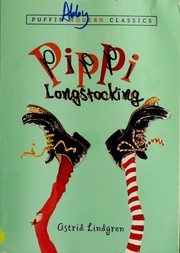
Pippi Longstocking
A super-strong nine-year-old lives alone in Villa Villekulla, upending school, circus and town rules with neighbors Tommy and Annika.
3,115-word summary · 14 min read

Heidi
Orphan Heidi blooms with her grandfather in the Swiss Alps, wilts in Frankfurt as a companion, then helps Klara walk.
2,952-word summary · 13 min read
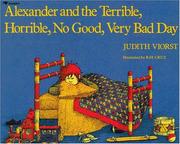
Alexander and the Terrible, Horrible, No Good, Very Bad Day
Alexander has one bad day from gum in his hair to bedtime, while his family copes and his mother stays honest.
2,548-word summary · 11 min read
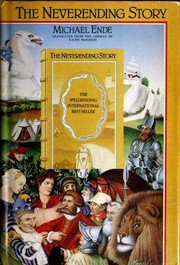
The Neverending Story
Bastian steals a book about Fantastica dying and learns he must name and wish to save it.
1,941-word summary · 9 min read
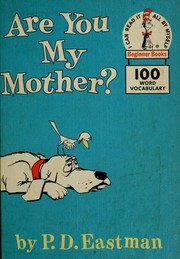
Are You My Mother?
A newborn bird falls from the nest and asks a kitten, a hen, a dog, a cow, a plane and a giant Snort if any will be his mother.
2,351-word summary · 10 min read

Tuck Everlasting
Winnie Foster meets the immortal Tuck family in the woods and must decide whether to drink from their spring.
2,750-word summary · 12 min read
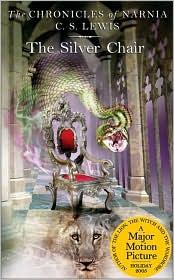
The Silver Chair
Eustace and Jill retold: four signs, a lost prince, Puddleglum the Marsh-wiggle, giants at Harfang, and the Lady below.
2,940-word summary · 13 min read
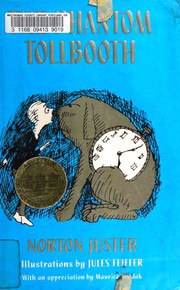
The Phantom Tollbooth
A bored boy drives a toy car through a magic tollbooth into the Kingdom of Wisdom and learns to care about words, numbers and time.
2,765-word summary · 12 min read
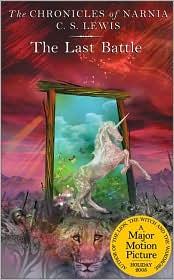
The Last Battle
Lewis ends Narnia: Shift ape false Aslan, King Tirian last stand, Jill and Eustace at Stable Hill, and a morning beyond the world.
3,037-word summary · 13 min read