
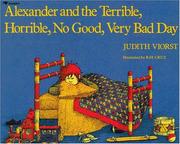
Alexander and the Terrible, Horrible, No Good, Very Bad Day
2,548-word summary 11 min read 32 pages in the book
- First published
- 1972
- Publisher
- Atheneum Books for Young Readers
- Pages
- 32
- ISBN
- 9780689711732
Reading options
What's inside (10 sections)
I reread Alexander the way most parents do, tired, on a couch, with a kid leaning on my arm and laughing at the wrong parts. Judith Viorst published it in 1972 with Atheneum Books for Young Readers, illustrated by Ray Cruz, in the standard 32 page edition with ISBN 9780689711732. It is a standalone picture book, not part of a long series at the start, though Viorst later wrote more about Alexander and his brothers. The whole story covers a single day. Alexander wakes up grumpy and goes to bed grumpy, and his mother tells him some days are like that. That is almost the entire plot. I still needed more than two thousand words to explain why it stuck around for fifty years, because the simplicity is the point, and the history around it is richer than the page count suggests.
If you have never read it, here is the shape. A boy named Alexander has everything go wrong from breakfast to bedtime. His brothers Anthony and Nick do fine. His parents cope. Alexander decides he wants to move to Australia. His mother does not fix the day. She stays kind and honest. That ending is why teachers keep the book and why kids remember it.
A twelve minute book with a long tail
Viorst was already known in 1972 for sharp poems about family life, and she later wrote the adult bestseller about loss that many parents had on their shelves. Alexander came from that same eye for domestic comedy. She wrote it in plain sentences a five year old can follow. Cruz drew it in loose black and white sketches with a seventies family apartment feel. No bright cartoon colors. No winks at adults in the margins. Just a boy, his hair, his clothes, his classroom, his kitchen.
The book was named an ALA Notable Children's Book, which helped it stay in libraries. Then it stayed because it works aloud. Each mishap gets a sentence or two. Each page turn adds another small disaster. Kids can predict the pattern and shout along. Teachers can pause and ask what Alexander feels. Parents can finish it in about ten minutes without skipping.
The edition most families own now is the Atheneum paperback reprint, 32 pages, ISBN 9780689711732, first issued in 1987 and reprinted ever since. The original 1972 hardcover from Atheneum had the same text and art, same length, same beats. Later came board books, lap editions, anniversary covers, audio with songs, a stage musical adaptation that schools still perform, and two film versions. Viorst wrote follow ups too, including the one where Alexander was rich last Sunday and spent it all, and the nineties book where the family thinks about moving and Alexander objects loudly. None of them replaced this one. This is the one classrooms buy in sets.
Bold fact that helps: the pictures never solve the problems. Cruz shows Alexander slumped, ignored, or mid complaint while life goes on around him. That visual choice keeps the book from turning into a lesson. No adult swoops in with a plan. No page tells kids to breathe and count. The art lets the bad mood sit there.
Morning, or gum and no prize
Alexander wakes with gum in his hair. That is page one energy and every kid understands it. He trips on a skateboard. His sweater falls in the sink while water runs. At breakfast there is no prize in his cereal box, while his brothers Anthony and Nick both find prizes in theirs. Viorst stacks these fast. Nothing huge. Nothing dangerous. Just enough to feel targeted if you are seven.
Then the car. The family drives somewhere and Alexander does not get the window seat. Anyone who has driven siblings anywhere knows this fight. Cruz draws the squeeze in the back seat well, three boys and a mother up front, Alexander pressed middle or sulking. Alexander decides this proves the day is rigged. He says he wants to move to Australia. It becomes his refrain all day, his escape plan. Not running away to the woods. Moving continents. I love that detail because it sounds exactly like a kid who heard Australia is far and decided far is good.
What works here is proportion. Viorst does not give Alexander a broken arm or a lost dog. She gives him sticky hair and a boring breakfast. Adult readers sometimes call the book slight for that reason. I think they miss how big small things feel before school. When you are small, the cereal prize matters. The window seat matters. The day can tilt before eight in the morning and never straighten. Viorst respects that without mocking it.
Classroom teachers tell me this opening is the part kids retell best. They list their own mornings back. Gum becomes toast crusts. Cereal becomes wrong color cup. The pattern invites comparison without forcing confession. That is useful craft, even if it looks simple.
School, or nobody likes your drawing
School goes no better. Alexander has trouble with singing too loud, with counting, with a teacher who prefers another child's work. Lunch includes lima beans he hates. There is a moment with kissing on the playground that embarrasses him, the kind of cootie age humiliation that dates the book a little and still gets laughs.
None of these scenes get long explanations. Viorst gives each a line or two and moves on. The effect builds. One bad thing is funny. Six in a row feels personal. Alexander starts narrating like a reporter from inside a cloud. Everything happens to him. Nothing happens for him.
Cruz helps here. His classroom spreads are busy without being crowded. Desks, faces, a teacher bending over work that is not Alexander's. Alexander often sits a little apart in the frame, smaller than his brothers were at home. You can see the day pressing on him even when the words stay flat and comic.
I read this section twice to check my memory against classroom copies. What struck me the second time is how little blame Viorst assigns. The teacher is not cruel. The other kids are not bullies. The cooks did not poison the beans on purpose. Things just go sideways. That is rarer in picture books than it sounds. Many books from the same era would add a villain or a lesson about sharing. Viorst leaves the world neutral and lets Alexander be mad at it anyway. Kids notice the fairness of that. Adults who want a clear cause and fix sometimes do not.
If you use the book in class, this is the place to pause. Ask who had a morning like this. Ask what Alexander wants the teacher to do. You will get better answers than if you jump to the moral at the end.
Afternoon and evening, or shoes and the elevator
Home does not reset the day. There are errands and waiting. An elevator door closes without him. He hears about new shoes he does not want, plain white shoes for school instead of the cool ones he hoped for. At home his brothers play and fight and get attention. His father works and comes home with his own frustrations. His mother runs the house and absorbs everyone.
Bath time brings another classic beat. Water too hot or too cold, soap in eyes, toy lost, brother splashing. Then dinner, then bed. Alexander's brothers get small wins. Nick finds things. Anthony jokes. Alexander spills or drops or misses. He repeats his Australia plan with more feeling. Australia sounds dry and far and free of lima beans.
Parents reading this sometimes wince at how passive the adults are. No one offers Alexander coping tools. No one names feelings beyond cranky and mad. The father in particular has little to do except arrive late and be tired. That is a fair criticism and also historically honest. This is a 1972 apartment, not a modern parenting manual. Viorst was writing about how families actually muddle through, not how they should coach emotions. The mother gets the best lines because she watches and waits. The father gets to be human and worn out. The brothers get to be normal siblings, sometimes kind, sometimes oblivious.
I like that the book does not pretend equity. Anthony and Nick have good days while Alexander has a bad one. No one redistributes prizes to make it fair. Life does that. One child melts down while others hum. Parents who try to balance every cereal prize will recognize themselves and laugh in a tired way.
Why Cruz drawings still work
Ray Cruz illustrated this book and the next Alexander book, and his style defines how many of us picture the family. Loose ink lines. Big hair. Tired eyes. A mother in a dress with an apron feel. A father with a tie loosened. Boys in striped shirts and seventies collars. Backgrounds suggest furniture without filling every inch.
The lack of color matters. Many modern reprints keep the interior black and white even when covers go bright. That restraint keeps the mood from tipping into slapstick. If every disaster were rendered in hot colors with motion lines, Alexander would look like a cartoon. In black and white he looks like a real kid having a real day. The gum in hair is gross. The bath is steamy. The bed at the end is soft.
Cruz also paces the book. He gives full spreads to pile ups, like the car or the classroom, and small boxed images to quick hits, like the sweater in the sink. That rhythm teaches new readers how to read pictures. Big means stay. Small means next. Teachers use this when they teach sequencing. Find what happened first. Find what happened because of that. The art supports it without labels.
One more thing worth saying. Cruz drew a middle class family that many kids could see themselves in, but not all kids. The apartment, the clothes, the food, the school all read as white suburban seventies. Later editions did not redraw to modernize. The Disney adaptations did update casting, which helped new audiences, but the book itself remains of its time. That is not a reason to drop it, but it is a reason to pair it. Put it next to books where other families have bad days in other apartments. Kids will get the point fast.
Movies, stage, and Australia explained
The book's afterlife is unusually big for 32 pages. Schools turned it into a short musical that is easy to stage with a chorus of kids chanting terrible horrible lines. Libraries run bad day programs around it. Therapists and counselors use it to open talks about feelings because Alexander names mad without acting dangerously. He complains. He does not hit. He does not break things on purpose. That makes him safe to discuss.
Hollywood came twice. A 2014 family comedy with Steve Carell and Jennifer Garner took the premise and stretched it to a whole family having a bad day at once, with road trips and disasters. It kept the title and the Australia joke and added modern set pieces. A later Disney streaming version centered a Latino family and brought the story to new viewers. Both change a lot. Neither replaces the book's quiet. If you only know the movies, the book will feel slower and smaller. That is intentional. The book is about one child's perspective, not a house falling apart.
Sequels exist but never caught the same way. The rich last Sunday book teaches spending in a funny punishing loop. The moving book revisits Australia, since Alexander once wanted to go there and now does not want to move at all. Classrooms like them. Collectors buy them. But ask a room of adults to finish the sentence Alexander and the, and almost everyone says terrible horrible no good very bad day in one breath. That is rare air, shared with only a handful of picture books.
Australia itself deserves a note. Kids fix on it because it is concrete. Not I hate my life. I will move to Australia. Teachers say children offer their own Australias. Grandma's house. The moon. A tent. The joke holds because Viorst never treats it as naughty. Wanting to leave for a while is normal. Coming home for bed is normal too.
What bugs me, fairly
I love this book and I still argue with it, which is probably why it lasts.
First, repetition can drag for adults. The structure is one damn thing after another by design. Reading it three nights in a row, you will memorize the beats and start paraphrasing to save time. Kids do not mind. They want the same order. But bedtime readers should know what they are signing up for.
Second, coping skills are thin. Alexander never learns to fix anything. His mother closes with acceptance, not strategy. Some days are like that, even in Australia. That line is famous because it is true and kind. It is also incomplete as guidance. Modern social emotional programs want kids to name feelings, try tools, repair harm. This book stops at naming. I do not think that is a flaw for 1972, but if you teach it now, pair it with a second book or a short talk about what helps on bad days. Let kids suggest ideas Alexander could try tomorrow.
Third, family roles feel dated. Mother soothes. Father provides. Brothers tease. No one outside that box appears. Cruz art locks it in. Again, context matters. Viorst later wrote more complex women and families. Here she wrote the apartment she saw. You can name the date with kids without lecturing. Look at the phone. Look at the clothes. What is same now. What is different.
Fourth, the humor leans on misery. Most jokes land because Alexander suffers. Sensitive kids sometimes hear mockery where others hear sympathy. Reading aloud, watch faces. If a child winces at the lima beans page, pause. Say that part is gross for you too. The book gives permission to dislike days. It should not become permission to laugh at a classmate having one.
None of that stops me recommending it. It means read it like a friend, not a curriculum. Laugh at gum. Groan at shoes. Nod at the elevator. Then close with the mother line and mean it. Some days are like that. Tomorrow might be better. Or might be Australia.
Why I keep a copy
I keep a paperback in the living room because it ends arguments. When everyone is cranky and no one knows why, I can read it in ten minutes and reset the room. Kids hear their day described back to them without judgment. Adults hear that they do not have to fix every prize box.
Viorst wrote many books, poems, and musicals, but this is the one strangers quote to each other in grocery lines. Cruz drew many pages, but these inked boys are the ones people recognize. Together they made a bad day shareable, which is a kinder achievement than it sounds. You cannot stop terrible horrible days. You can survive them, name them, sleep, and try again. For a 32 page book from 1972, that is plenty.
FAQ
When was Alexander and the Terrible, Horrible, No Good, Very Bad Day published?
It was first published in 1972 by Atheneum with pictures by Ray Cruz. The standard 32-page edition carries ISBN 9780689711732.
Is it part of a series?
No. It is a standalone picture book. Viorst later wrote more Alexander books, but this one reads complete on its own.
Are there film versions?
A 2014 family comedy with Steve Carell and Jennifer Garner used the premise, followed by a Disney streaming version centered on a Latino family.
Similar books
Make Way for Ducklings
A pair of mallards raise eight ducklings on the Charles River and lead them across Boston to the Public Garden, with a little help from a friendly policeman.
2,044-word summary · 9 min read
Cloudy with a Chance of Meatballs
A grandfather tells of Chewandswallow, where soup rains and meatballs fall, until giant food storms force everyone to flee.
2,873-word summary · 13 min read
True Story of the Three Little Pigs
A. Wolf tells his side from the Pig Pen: he only wanted sugar for a cake, had a bad cold, and sneezed. You decide.
2,975-word summary · 13 min read
Are You My Mother?
A newborn bird falls from the nest and asks a kitten, a hen, a dog, a cow, a plane and a giant Snort if any will be his mother.
2,351-word summary · 10 min read
Goodnight Moon
A small bunny says goodnight to each object in the green room in this 1947 bedtime classic.
2,600-word summary · 12 min read

Little Town on the Prairie
In the spring after the Long Winter, fifteen-year-old Laura sews shirts, studies for a teaching certificate, and helps send her blind sister Mary to college.
2,071-word summary · 9 min read
Amelia Bedelia
A literal-minded housekeeper follows her employer's list to disastrous and funny effect in the 1963 picture book that made wordplay a children's staple.
2,038-word summary · 9 min read
The Mitten
Jan Brett retells a Ukrainian folktale about a boy, a lost white mitten, and the woodland animals that crowd inside until a bear sneezes.
2,609-word summary · 12 min read
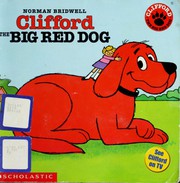
Clifford the Big Red Dog
Emily Elizabeth picks the smallest puppy in the litter, loves him as hard as she can, and wakes up to a dog the size of a house.
2,092-word summary · 9 min read
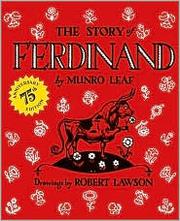
The Story of Ferdinand
A gentle Spanish bull would rather smell flowers than fight, and when he is taken to the bullring he simply sits down among the flowers in the ladies' hats.
2,135-word summary · 9 min read
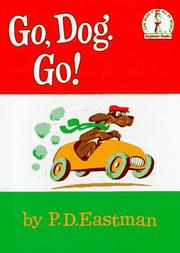
Go, Dog. Go!
Dogs drive, work, play, and climb a tree for a party in this Beginner Book built on repetition, opposites, and one very unpopular hat.
2,196-word summary · 10 min read
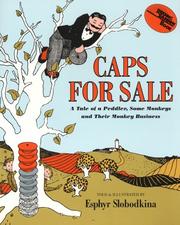
Caps for Sale
A peddler balances his caps on his head, naps under a tree, and wakes to find monkeys wearing his stock in this 1940 picture book.
2,787-word summary · 12 min read
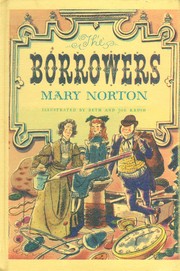
The Borrowers
A family of tiny people live under the floorboards of an English house, borrowing what they need until a lonely boy and a suspicious housekeeper change…
2,164-word summary · 10 min read
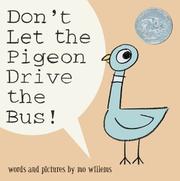
Don't Let the Pigeon Drive the Bus!
A bus driver leaves the reader in charge with one rule, and a very persuasive pigeon spends the rest of the book trying to break it.
2,084-word summary · 9 min read
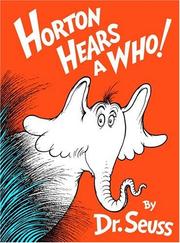
Horton Hears a Who!
An elephant protects tiny Whos on a clover while jungle mocks.
2,375-word summary · 11 min read
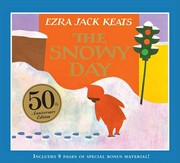
The Snowy Day
Peter in his red snowsuit explores fresh snow, from footprints and angels to a melted pocket snowball, in Keats classic winter day.
2,375-word summary · 11 min read
The Little Engine That Could
Watty Piper follows a stranded toy train past proud engines that refuse, to a small blue switcher who agrees to try the mountain and pulls her chanting load…
2,311-word summary · 10 min read
Stellaluna
A baby fruit bat falls into a bird nest, learns to perch and eat bugs, then reunites with her mother in Cannon's acclaimed 1993 picture book about difference…
2,486-word summary · 11 min read
Roll of Thunder, Hear My Cry
In Depression-era Mississippi, nine-year-old Cassie Logan learns what her Black family's land costs and why they keep it.
2,273-word summary · 10 min read
Guess How Much I Love You
Two nutbrown hares try to outshow their love at bedtime in this gentle picture book classic.
2,282-word summary · 10 min read
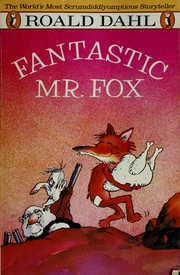
Fantastic Mr. Fox
Mr. Fox raids three cruel farmers to feed his family, then outdigs tractors and a siege to host a feast underground.
2,910-word summary · 13 min read
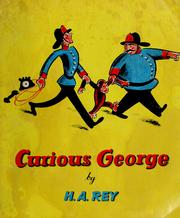
Curious George
Curious George retold: a monkey sails from Africa to the city, phones the fire station, floats off on balloons, and finds home.
2,979-word summary · 13 min read
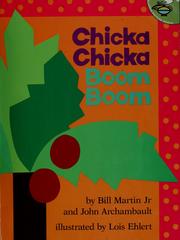
Chicka Chicka Boom Boom
Letters race up a coconut tree, tumble down with a boom, then climb again with help in this chant classic.
2,120-word summary · 9 min read
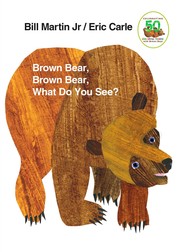
Brown Bear, Brown Bear, What Do You See?
A rhythmic animal parade teaches colors and names, from brown bear to schoolchildren.
3,226-word summary · 14 min read
Heidi
Orphan Heidi blooms with her grandfather in the Swiss Alps, wilts in Frankfurt as a companion, then helps Klara walk.
2,952-word summary · 13 min read
One Fish, Two Fish, Red Fish, Blue Fish
Counting fish and silly creatures from here to there, with rhymes for beginning readers.
1,900-word summary · 8 min read
Madeline
Ludwig Bemelmans's 1939 Madeline: the twelve girls in Paris, Miss Clavel, the midnight appendix scare, and why the smallest girl became a classic.
2,944-word summary · 13 min read
From the Mixed-Up Files of Mrs. Basil E. Frankweiler
Claudia and Jamie run away to the Met, chase whether a 225 dollar Angel is a Michelangelo, and trade secrets with Mrs. Frankweiler.
2,774-word summary · 12 min read
The Tale of Peter Rabbit
Peter Rabbit disobeys his mother, squeezes under the gate into Mr. McGregor garden, and ends in a chase back home to chamomile tea.
2,157-word summary · 10 min read

The Polar Express
A doubting boy rides a night train to the North Pole and keeps a bell only believers hear.
2,195-word summary · 10 min read