
Stellaluna
2,486-word summary 11 min read 48 pages in the book
- First published
- 1993
- Publisher
- Harcourt Brace
- Pages
- 48
- ISBN
- 9780152802172
Reading options
What's inside (8 sections)
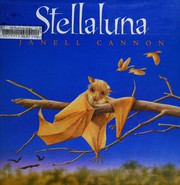
I read Stellaluna on a small chair that creaked every time I shifted, with a four year old leaning against my shoulder and pointing at every wing on the page. She had picked it because of the bat on the cover, wide eyed and rust colored, hanging upside down with its thumbs tucked in. I expected ten minutes and a simple moral. We stayed much longer, flipping back to compare night skies and day nests, and she asked why the baby bat had to eat bugs if bugs made her feel sick. Janell Cannon wrote and illustrated the book, published in 1993 by Harcourt Brace, and the standard edition runs 48 pages. It became an acclaimed bestseller, much taught and much reread, with art by Cannon herself. That short span carries more weight than its page count suggests, because almost every spread asks a child to notice how bodies fit habits.
The premise is plain enough to tell in a minute and rich enough to talk about for a week. Stellaluna is a baby fruit bat, newly furred, clinging to her Mother Bat as they fly at dusk over a forest in Africa. An owl strikes in the dark, hard and fast, knocking the baby loose. Mother Bat twists and calls, the owl wheels away, and Stellaluna drops through leaves and branches into a soft nest far below. She lands among strangers. What follows is a story about copying others to survive, then learning when to stop copying, then finding a way to hold both kinds of life at once.
Cannon made the pictures before she settled the words, working from photographs of Gambian epauletted fruit bats, and it shows in how the animals move. The bats have doglike faces, broad noses, folded wings that read as cloaks when they roost. The birds are round and bright eyed, beaks open in complaint or song. Day pages glow warm with browns and greens. Night pages go deep blue and black with pale moon edges. My small listener tracked that shift before she tracked plot. Dark means bats, she said. Light means birds. She was right, and the book uses that contrast on purpose.
Knocked from Mother Bat wings
The opening moves fast. Mother Bat hunts ripe fruit at night with Stellaluna clinging to her chest, the way real fruit bat pups ride. The forest smells of figs and damp leaves. Then the owl comes. Cannon does not soften the fright. Talons flash, wings beat, the mother shrieks and tries to hold on, and the baby falls. In the pictures the fall is a tumble of wings against branches, not a clean drop. Stellaluna lands by luck in a nest built for smaller bodies.
I linger here when I read aloud because the fear is honest without being cruel. The owl does not chase the baby to the nest. It strikes and is gone. Mother Bat searches the dark, calling, circling the trees where she lost her child. Along the top of later text pages, small black and white vignettes show her still hunting, a thin line of worry running beside the main story. A child can follow the color story while a parent can point to those small frames and say, she has not stopped looking. That parallel track gives comfort before the plot earns it.
The separation also sets up the body facts that drive everything after. Stellaluna hangs by her thumbs when she rests. She sleeps by day. She nurses, then later seeks fruit. She sees well in dim light and flinches at noon glare. None of this is stated as lecture at first. It arrives as action. She dangles where others perch. She blinks where others stare. Difference here is physical before it is social, which helps young listeners accept it without judgment.
The nest of Pip, Flitter, and Flap
The nest belongs to Mother Bird and her three chicks, Pip, Flitter, and Flap. They are sparrow sized beside the bat, loud, hungry, tipped back with mouths open. Mother Bird finds a furry stranger among her brood and makes a quick, practical choice. The baby can stay if she follows bird rules. Cannon gives the rules in plain speech that children remember. Eat bugs and worms like the rest of us. Do not hang upside down by your feet. Sleep at night, not by day. Behave, in short, like a bird.
Mother Bird is not painted as cruel. She is tired, feeding four mouths with a beak built for insects, trying to keep order in a crowded cup of twigs. She enforces the rules because rules keep chicks alive. If a baby sleeps while hawks hunt by day, or dangles where owls hunt by night, trouble follows. I tell kids she is doing her best with what she knows, and most nod. They have met that kind of care before, firm and a little blind.
Stellaluna agrees because she has no other choice. Pip watches her with open curiosity. Flitter copies her sounds. Flap, the boldest, dares her to try flying headfirst from the edge. The pictures in this stretch are funny and tender. A bat trying to perch upright looks as uncomfortable as a toddler in stiff shoes. She grips the rim with her feet, wobbles, flaps to steady herself, and finally sits the way birds sit, miserable and polite. My listener laughed at the face Cannon gives her, mouth pinched around a beetle, and then said, she misses her mom. Both things are true on the same page.
Eating bugs and sleeping by night
The middle of the 48 pages follows Stellaluna as she tries hard to be good in the wrong shape. She eats crawly food that turns her stomach because the nest shares one menu. She stays awake when her eyelids droop because birds are day creatures. She practices landing on her feet instead of flipping to hang. She learns to fly with the chicks, beating her bat wings beside feathered wings, keeping up over meadows and ponds. Cannon paints these flights with care, the four small forms strung across a pale sky, shadows slipping over grass.
Two details carry the theme without preaching. First, Stellaluna cannot help hanging by her thumbs when she thinks no one watches. It is how her body rests. When Mother Bird scolds, she flips upright, but her shoulders stay tight. Second, she cannot see well at night no longer, or rather she can, but the birds cannot, and that split will matter later. For now the cost is quiet. She is loved and fed and lonely in her skin.
Read aloud, this is where voices help. I give Mother Bird a low, busy tone, Pip a quick chirp, Flap a swagger, Flitter a soft echo. Stellaluna gets a smaller voice that steadies as the book goes on. Children join in on the rules because they are repeated. They also start to protest. She is not a bird, one boy told me during a library reading, with real annoyance. Why does she have to eat bugs. That protest is the book working. It lets a child feel the rub between belonging and self before any adult names it.
Cannon slips in accurate natural history without footnotes. Fruit bats do not eat insects by choice. They drink nectar and eat fruit. They roost head down. They are social and vocal. Birds in turn do sleep at night and hunt by day, and many small birds feed insects to chicks. A teacher can pull those threads after the story with pictures of real bats, and the book supports it because the drawings respect anatomy. Wing thumbs, ear shape, fur texture, all read true while staying sweet enough to hug.
Bats in the dark and Mother Bat found
The turn comes on an evening play flight. Pip, Flitter, Flap, and Stellaluna chase and loop until the light thins. The birds, unable to see in the dark, turn for home. Stellaluna, whose eyes open wider as dusk deepens, keeps flying because flight feels good and the air smells of fruit. Her wings ache. She drops to a branch to rest and, without thinking, hangs by her thumbs. Relief spreads across her face in the art. For the first time in many pages her body matches her posture.
Other bats arrive, chattering, tumbling through the dark in a stream. One notices her odd perch, thumbs instead of feet, and asks why. Stellaluna pours out her story, owl and fall and nest and bugs, in a rush. The pictures fill with wings and ears and bright eyes. Then, through the crowd, Mother Bat pushes forward. Cannon stages the reunion simply. No long speech. Clinging, calling, the small ink mother from the page tops now large and in color, wrapping her baby close. My young listener clapped at this page. So did I.
What follows matters more than the hug. The bats show Stellaluna how to be a bat without shame. They hang by their feet when they roost, which looks upside down to birds and right side up to them. They fly at night and sleep by day. They eat fruit, and Cannon paints mango and fig with juice shining. Stellaluna tries and remembers. Her landings smooth out. Her sleep deepens. She learns names for what she is. The text keeps the language plain. She is not fixed. She is found. That choice of emphasis lifts the book above a simple lesson about manners.
I pause here with groups to ask what Stellaluna can do now that she could not do in the nest, and what she could do in the nest that is harder now. Kids list fast. She can hang without hiding. She can fly at night without fear. She misses daytime games. The point lands without pushing. Gaining one fluency can mean losing easy access to another, and love has to bridge the gap.
Night flight and friends who differ
Stellaluna does not drop her bird siblings after the reunion. She flies back by day to show them her mother and her roost, proud and a little nervous, like a child bringing home two families for dinner. Pip, Flitter, and Flap agree to try night flight to meet the bats. It goes badly in a way that is scary for a page and then funny. The birds cannot see, they wobble, they nearly crash into branches. Stellaluna dives and steadies them, wing under wing, guiding them down. Mother Bat and the other bats gather round, and the birds stare at hanging bats the way bats once stared at perching birds.
The ending is gentle. The birds admit night is not for them. The bats admit day is not for them. They agree to meet at dusk and dawn, the shared edges of their worlds, and to remain friends and, in the book words, family of a sort. Mother Bird watches from a branch, no longer in charge of the bat, but present. The final spreads show both groups feeding near each other, awkward and kind. No one pretends difference has vanished. They plan around it.
Craft wise, Cannon earns that close by keeping sentiment short. She does not give a speech about tolerance. She gives a rescue and a schedule. Meet when light changes. Eat what suits you. Watch out for each other. For very young readers that concreteness works better than any maxim. It also gives adults a clean way to talk about friendship after the book shuts. When do we meet. What do you need to feel well. What can I do that you cannot, and back again.
Pictures, reading aloud, and what creaks
Across 48 pages Cannon art does heavy lifting. She works in wax based pencil with airbrushed acrylic on Bristol board, building fur strand by strand and skies in soft gradients. Scientists have praised the accuracy, and children respond to the faces. Stellaluna reads as vulnerable without being pitiful. Mother Bird reads as firm without being hard. The owl reads as danger, not evil. The small searching mother vignettes at the top of text pages are the cleverest device, letting a pre reader track hope even when the main picture shows a lonely bat in a bird nest.
For read aloud, the book sits well in the four to eight range, with toddlers enjoying pictures and older primary kids catching the jokes about bugs and hanging. Keep a steady pace through the rule passages and slow down for the reunion. Let children make bat ears with hands on heads during night flights. Have them perch like birds, feet flat, then hang like bats, knees bent over a couch arm with care, to feel the contrast in their own joints. In classrooms the book pairs cleanly with simple science. Day and night habits, fruit versus insect diets, feet versus thumbs, owl predators, echolocation in broad strokes. Cannon includes bat notes in many editions, and those pages support a lesson without hijacking story time.
Now the fair criticism, because a book this loved still has seams. The plot is thin once you step back. Fall, adapt, reunite, befriend. There is little surprise after the owl, and older readers may guess the reunion many pages early. The final pages lean didactic. After pages of showing, Cannon tells the moral about sameness and difference a touch too plainly for my taste, as if worried a child might miss it. Adult framing around Mother Bird also narrows. She feeds and shelters a stranger child, which is generous, yet the text leaves her on the edge at the end, unthanked while the young ones bond. Scholars have noted that mothers here sort too neatly into good and bad, and I feel that pinch even as I admire the warmth.
The bug eating stretch can also trouble sensitive eaters and younger toddlers. Stellaluna gags, and some children gag with her. It is honest, and it passes, but preview if your group is squeamish. The owl attack on page one can startle threes. I cover the talons with a thumb on first readings and reveal more on repeats.
None of that kept us from rereading. On our third pass my small partner narrated the owl page herself, softly, and then turned to the reunion and pressed her palm to Mother Bat. She understood the arc without needing the closing lines explained. She is a bat with bird friends, she said. Like me at school and home. I could not have asked for a clearer summary of what Janell Cannon 1993 Harcourt Brace book tries to do in its 48 pages. It gives children an image for feeling out of place and a practice for staying kind inside it. It shows bodies as facts, not faults. It lets day and night both belong. For a picture book shelf, that is plenty, and the art makes plenty feel rich.
FAQ
When was Stellaluna published?
Harcourt Brace published it in 1993. The standard edition runs 48 pages with ISBN 9780152802172, written and illustrated by Janell Cannon.
What ages suit Stellaluna?
It fits ages four to eight best. Toddlers enjoy the bat and bird pictures, while early primary kids catch the day night contrasts and friendship talk.
What does Stellaluna teach?
That bodies differ and friendship can bridge habits. Bats hang and fly by night, birds perch and fly by day, and both meet at dusk.
Similar books

Make Way for Ducklings
A pair of mallards raise eight ducklings on the Charles River and lead them across Boston to the Public Garden, with a little help from a friendly policeman.
2,044-word summary · 9 min read

Clifford the Big Red Dog
Emily Elizabeth picks the smallest puppy in the litter, loves him as hard as she can, and wakes up to a dog the size of a house.
2,092-word summary · 9 min read
Frog and Toad Are Friends
Five short stories about a cheerful frog and a grumpy toad who need each other for waking up, swimming, and waiting for the mail.
1,969-word summary · 9 min read
Are You My Mother?
A newborn bird falls from the nest and asks a kitten, a hen, a dog, a cow, a plane and a giant Snort if any will be his mother.
2,351-word summary · 10 min read

Hard Luck
Rowley has a girlfriend, so Greg turns to a Magic 8 Ball, a family Easter hunt and the school yearbook for answers.
2,586-word summary · 11 min read
The Mitten
Jan Brett retells a Ukrainian folktale about a boy, a lost white mitten, and the woodland animals that crowd inside until a bear sneezes.
2,609-word summary · 12 min read
The Story of Ferdinand
A gentle Spanish bull would rather smell flowers than fight, and when he is taken to the bullring he simply sits down among the flowers in the ladies' hats.
2,135-word summary · 9 min read
Click, Clack, Moo: Cows That Type
Cows learn to type, demand electric blankets, and go on strike in a deadpan picture book about negotiation and withheld labor.
2,617-word summary · 12 min read
Caps for Sale
A peddler balances his caps on his head, naps under a tree, and wakes to find monkeys wearing his stock in this 1940 picture book.
2,787-word summary · 12 min read
Redwall
A novice mouse hunts for Martin the Warrior's lost sword while Cluny the Scourge besieges Redwall Abbey.
2,727-word summary · 12 min read
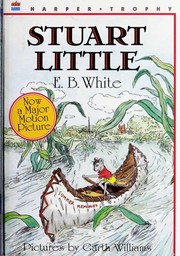
Stuart Little
A two-inch boy in a New York family befriends a canary, loses her, and drives off alone to find her.
2,591-word summary · 12 min read
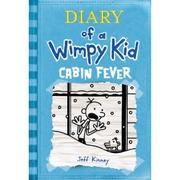
Cabin Fever
Greg Heffley gets snowed in with his family before Christmas while dodging blame for school property damage.
2,221-word summary · 10 min read
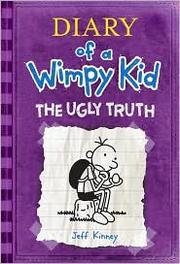
The Ugly Truth
Greg faces puberty, a school lock-in and Uncle Gary's wedding while Mom returns to college in Wimpy Kid book five.
2,766-word summary · 12 min read
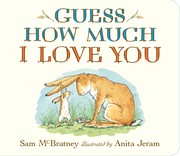
Guess How Much I Love You
Two nutbrown hares try to outshow their love at bedtime in this gentle picture book classic.
2,282-word summary · 10 min read
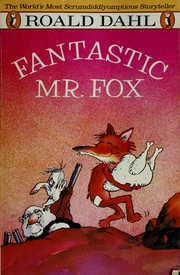
Fantastic Mr. Fox
Mr. Fox raids three cruel farmers to feed his family, then outdigs tractors and a siege to host a feast underground.
2,910-word summary · 13 min read
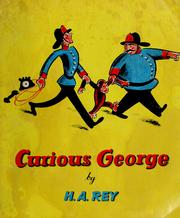
Curious George
Curious George retold: a monkey sails from Africa to the city, phones the fire station, floats off on balloons, and finds home.
2,979-word summary · 13 min read
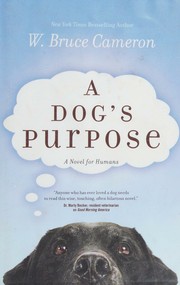
A Dog's Purpose
A reincarnated dog lives four lives as Toby, Bailey, Ellie and Buddy while searching for his purpose with Ethan.
2,962-word summary · 13 min read
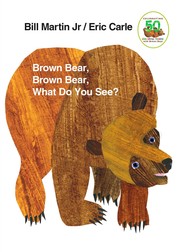
Brown Bear, Brown Bear, What Do You See?
A rhythmic animal parade teaches colors and names, from brown bear to schoolchildren.
3,226-word summary · 14 min read
The Tale of Despereaux
A bookish mouse, a light loving rat, and a servant girl meet in a castle where soup is banned to save Princess Pea.
2,680-word summary · 12 min read
The One and Only Ivan
A mall gorilla who paints promises a dying elephant friend to get baby Ruby to a better home.
2,178-word summary · 10 min read
Heidi
Orphan Heidi blooms with her grandfather in the Swiss Alps, wilts in Frankfurt as a companion, then helps Klara walk.
2,952-word summary · 13 min read
Alexander and the Terrible, Horrible, No Good, Very Bad Day
Alexander has one bad day from gum in his hair to bedtime, while his family copes and his mother stays honest.
2,548-word summary · 11 min read
The Wind in the Willows
Mole, Rat, Badger, and Toad mess about in boats, lose themselves in the Wild Wood, and retake Toad Hall.
2,033-word summary · 9 min read
Corduroy
A teddy bear missing a button searches a department store at night for a friend to take him home.
2,035-word summary · 9 min read
The Tale of Peter Rabbit
Peter Rabbit disobeys his mother, squeezes under the gate into Mr. McGregor garden, and ends in a chase back home to chamomile tea.
2,157-word summary · 10 min read
Love You Forever
A mother sings the same song through a lifetime until her son sings it back.
2,235-word summary · 10 min read
Because of Winn-Dixie
Lonely Opal names a stray Winn-Dixie and finds ten friends, plus a way to ask her preacher father hard things.
2,024-word summary · 9 min read
If You Give a Mouse a Cookie
A mouse gets a cookie and turns one small favor into a whole busy day.
2,560-word summary · 11 min read
Goodnight Moon
A small bunny says goodnight to each object in the green room in this 1947 bedtime classic.
2,600-word summary · 12 min read
Winnie-the-Pooh
Edward Bear comes downstairs bump-bump-bump and into the Hundred Acre Wood for honey, hunneys, and heffalumps.
2,068-word summary · 9 min read