
Corduroy
2,035-word summary 9 min read 32 pages in the book
- First published
- 1968
- Publisher
- Puffin
- Pages
- 32
- ISBN
- 9780140501735
Reading options
What's inside (11 sections)
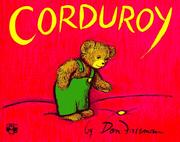
I read Corduroy to a four year old who asked why the bear is sad on the first page, and that question is the whole book. Don Freeman published it with Viking Press in 1968. The Puffin picture book I cite runs 32 pages with ISBN 9780140501735. A teddy bear on a department store shelf misses a button and believes no child will want him. A girl named Lisa wants him anyway but has no money. At night the bear searches for his button through escalators and furniture displays. He does not find it. Lisa returns next day with her own savings and takes him home. Simple plot. Deep feeling about being chosen despite missing pieces.
Corduroy waits on a shelf with other bears, overalls bright, eyes hopeful. Freeman draws him with soft lines that show wear. One suspender button gone. Shoppers pass. A girl stops. Lisa, maybe six, Black, lovely in Freeman matter of fact illustrations that were notable in 1968 for centering a Black child without comment, pulls her mother to the bear. I want him. Her mother says no. Not tonight. No money for extras. Lisa leaves. Corduroy, who heard everything, decides the button is the problem. If he finds it, someone will take him home. That night, after the store closes, he climbs down to look.
The night search
The night chapters are a small epic for toddlers. Corduroy rides the escalator by stepping on and tumbling with a bump. He searches the furniture floor, mistaking buttons on mattresses for his own. He pulls one and topples a lamp. He hides from the night watchman under a bed. He wakes in the morning on a shelf he did not choose. Freeman paces it with one surprise per spread. Escalator. Lamp. Mattress buttons. Watchman flashlight. Each illustration shows scale from a bear view. Huge furniture legs. Endless aisles. A child listening understands bravery without being told. Going down is scary. Looking is worth it.
The watchman is kind in the way good picture books allow. He finds Corduroy, sees the mess, and returns him to the toy shelf rather than the lost and found. No punishment. No lecture. Just a large hand setting a small bear right. That gentleness matters because Corduroy already punishes himself enough. He believes a missing button makes him unlovable. Adults know better. Children feel it fiercely. A lost mitten. A torn shoe. Small flaws feel huge at four. Freeman lets the bear learn through Lisa rather than through finding the button. He never finds it on the night search. Love arrives anyway.
Lisa returns
Lisa comes back next morning with money from her piggy bank. Freeman does not say how she saved it. Did she skip candy. Do chores. The gap lets young readers fill with their own saving stories. She buys Corduroy herself, hugs him to her coat, and takes him home. There her mother sews a button from a box onto his overalls. Then Lisa names the truth Corduroy missed. You are my friend. I like you as you are. The sewn button is not a fix for worth. It is care after choosing. That order matters and Freeman gets it exactly right for children. Chosen first. Mended second.
The illustrations deserve a paragraph because they carry half the story. Freeman worked in muted greens, browns, and department store fluorescents. Corduroy fur is textured with short strokes that invite touching the page. Lisa coat is red enough to find in crowds. The store at night is shadowed but never scary. The watchman flashlight makes a warm circle rather than a threat beam. Diverse shoppers appear without comment. A 1968 book that shows a Black girl as the hero of an ordinary story, not a lesson about race, was quietly radical. Freeman never winks. Lisa wants a bear. She saves. She returns. That normality is the point and the gift.
What works and what strains
What works is emotional honesty at picture book length. Thirty two pages, few sentences per spread, yet the arc holds want, obstacle, quest, failure, and return. Corduroy agency drives it. He does not wait passively after Lisa leaves. He searches. He fails. He is found. Children learn that trying matters even when the button stays lost. Lisa agency matters equally. She does not beg or steal. She saves and returns. Parents get a model for saying no without shame and yes when the child solves it. The mother first no is kind and firm. Her later yes includes sewing. Boundaries plus help. That is good parenting in four lines.
The strain is only for adults reading with modern eyes. Store detectives and night searches raise safety questions no child asks. Why did the watchman not lock the toy aisle. Why does a bear ride escalators alone. Let those go. This is a bear story, not a manual. Some readers note Lisa mother first refusal as class pain, and it is, but Freeman treats poverty without pity. No money for extras is stated plainly. Piggy bank savings solve it without charity or theft. That respect for a child solving money problems feels dated in the best way. Earn. Choose. Keep.
How to read it now
Read it on a lap with pauses for button hunting. Where is Corduroy button on this page. Let the child point. Do escalator sounds together. Talk about times you felt missing a piece. A lost tooth. A scuffed shoe. Ask what Lisa did right. Saved. Returned. Named him friend. The sequel A Pocket for Corduroy continues with a laundry adventure that teaches pockets and patience. Pair them on consecutive nights. Freeman also wrote quiet New York books like Hattie the Backstage Bat. If Corduroy lands, try those for city gentleness.
Content notes are minimal. Brief night fear with a flashlight quickly resolved. No villains. No deaths. Suitable for toddlers and up. The store closing scene may worry very small children about being left. Reassure with the watchman kindness. He puts bears back where they belong.
I finished with the four year old hugging a bear with one eye loose and announcing he is perfect. That is Corduroy working as intended across fifty years. Freeman, who lost work in the Depression and drew on subways for practice, understood wanting and waiting. A bear on a shelf. A girl with a piggy bank. A mother with a needle. Small people solving small problems with love that fits in a pocket. Keep a button box at home. You will need it for bears and for children who feel like bears. Sew kindly. Name them friend.
Text note
The 32 page Puffin edition is complete and unabridged. Board book versions trim night search spreads. Choose paperback or hardcover for first reads so the escalator sequence lands. Freeman wrote and illustrated. Later sequels with other illustrators vary in warmth. Start here, with the original bear on the original shelf, missing the original button.
Race on the shelf
Corduroy place in history deserves a plain paragraph for adults choosing books. Published in 1968, the same year as riots after King murder, it centered a Black girl in an ordinary story without making race the lesson. Lisa is not a symbol. She is a child who wants a bear, saves money, and returns. Her mother is firm and loving, not a type. Shoppers around them include white, Black, and brown faces doing normal shopping. Freeman, white, did not preach about it in interviews. He drew the city he saw. That normality was radical when children books rarely showed Black children at all, and it remains a reason teachers reach for Corduroy alongside later classics. Windows and mirrors, as Rudine Sims Bishop wrote. Lisa is a mirror for Black girls and a window for others, with no sermon attached. Just a bear and a button and a girl who keeps her word.
The escalator as adventure
The escalator sequence earns its fame through mechanics toddlers understand. Up is exciting. Down is scary. Corduroy steps on, tumbles, and rides with ears back. Freeman draws the steps as moving stairs that swallow feet if you hesitate. Children who fear escalators see a bear conquer one badly and survive. Parents can talk about holding rails and asking for hands. The mattress floor search that follows teaches counting and colors without a lesson plan. Which button is round. Which is blue. Corduroy pulls the wrong ones and learns by trying. That trial and error models learning better than any correct answer would. Try. Fail kindly. Go home to someone who likes you anyway. For a 32 page book, that is a full curriculum in courage.
Reading with small children
Corduroy works best with pauses that let toddlers lead. Ask where the button might be before turning pages. Let them thump the escalator step in the illustration. Count mattresses with Corduroy as he pulls buttons. When Lisa mother says no money for extras, ask what the child would do. Save. Wait. Choose something else. Most suggest saving, which opens talk about piggy banks without lectures. When the watchman finds Corduroy, ask if the bear is in trouble. Most say no, he was looking. That distinction between naughty and curious matters at three. Freeman gives adults language for it. He was looking for his button. Looking is good. Breaking lamps is accident. Clean and continue. End by finding all the buttons in the room you read in. Sew one on a stuffed friend together. Name the friend chosen. Keep the ritual for nights when something feels missing. Bears help. So do buttons. So do mothers with needles who stay up late to mend.
The department store at night
The store setting works as more than backdrop. By day it is bright aisles and tired clerks. By night it becomes a landscape for a small bear. Freeman draws after hours with care. Dimmed lights. Covered registers. An escalator still running for cleaners. Corduroy smallness against furniture giants teaches scale without numbers. Children learn big and little by seeing a bear dwarfed by mattresses. The watchman rounds complete the world. Keys. Flashlight. Kindly return to shelf. No police. No scolding. Stores at night in picture books often frighten. Freeman makes his safe enough for adventure and real enough for wonder. Adults who work nights will recognize the quiet pride of keeping big places. The watchman keeps toys where children can find them. That is night work worth doing.
Freeman life feeds the book in ways worth naming. He drove a jazz trumpet, worked Depression jobs, and drew on subways for practice. He knew wanting without money. Corduroy missing button mirrors Freeman early career, talented but missing connections that open doors. Lisa piggy bank mirrors the small savings that let him self publish first stories. The department store mirrors cities where poor children window shop dreams they cannot buy yet. None of this appears on the page as message. It lives in the tenderness toward small strivers. A bear. A girl. A mother mending late. Freeman drew what he knew. Wanting. Waiting. Mending together after.
Teachers use Corduroy for lessons that never feel like lessons. Counting buttons. Naming colors. Predicting what happens after the escalator. The book supports early literacy through repetition with variation. Up. Down. Lost. Found. Each spread adds one new word to try. Bear. Button. Shelf. Friend. Reading aloud with pointing builds vocabulary faster than flashcards because story carries words. Keep a basket of bears for acting out. Let children be Lisa, the mother, the watchman in turn. Play teaches empathy better than discussion at four. Freeman knew. He left room for voices.
Freeman drew the store from New York shops he knew on Broadway, with clerks who watch children the way the watchman watches Corduroy. That city kindness, gruff and quick, runs through his other books too. A bat in a theater. A rooster lost uptown. Each finds a child who notices. Corduroy remains the purest version. Want. Search. Be found. Go home mended. Tell it again tomorrow when the button loosens, as buttons do. The story stretches to hold repeat readings without thinning. That stretch is the mark of a classic built from ordinary streets.
FAQ
When was Corduroy published?
Viking Press published it in 1968. The Puffin picture book runs 32 pages and the ISBN is 9780140501735.
Who are the main characters in Corduroy?
Corduroy the bear, Lisa the girl, and Lisa mother.
Is it part of a series?
No. It stands alone, followed by the sequel A Pocket for Corduroy.
Similar books

Clifford the Big Red Dog
Emily Elizabeth picks the smallest puppy in the litter, loves him as hard as she can, and wakes up to a dog the size of a house.
2,092-word summary · 9 min read
Frog and Toad Are Friends
Five short stories about a cheerful frog and a grumpy toad who need each other for waking up, swimming, and waiting for the mail.
1,969-word summary · 9 min read
Stellaluna
A baby fruit bat falls into a bird nest, learns to perch and eat bugs, then reunites with her mother in Cannon's acclaimed 1993 picture book about difference…
2,486-word summary · 11 min read

Make Way for Ducklings
A pair of mallards raise eight ducklings on the Charles River and lead them across Boston to the Public Garden, with a little help from a friendly policeman.
2,044-word summary · 9 min read
Amelia Bedelia
A literal-minded housekeeper follows her employer's list to disastrous and funny effect in the 1963 picture book that made wordplay a children's staple.
2,038-word summary · 9 min read

Hard Luck
Rowley has a girlfriend, so Greg turns to a Magic 8 Ball, a family Easter hunt and the school yearbook for answers.
2,586-word summary · 11 min read
The Mitten
Jan Brett retells a Ukrainian folktale about a boy, a lost white mitten, and the woodland animals that crowd inside until a bear sneezes.
2,609-word summary · 12 min read
The Story of Ferdinand
A gentle Spanish bull would rather smell flowers than fight, and when he is taken to the bullring he simply sits down among the flowers in the ladies' hats.
2,135-word summary · 9 min read
Go, Dog. Go!
Dogs drive, work, play, and climb a tree for a party in this Beginner Book built on repetition, opposites, and one very unpopular hat.
2,196-word summary · 10 min read
Click, Clack, Moo: Cows That Type
Cows learn to type, demand electric blankets, and go on strike in a deadpan picture book about negotiation and withheld labor.
2,617-word summary · 12 min read
Caps for Sale
A peddler balances his caps on his head, naps under a tree, and wakes to find monkeys wearing his stock in this 1940 picture book.
2,787-word summary · 12 min read
The Stinky Cheese Man and Other Fairly Stupid Tales
Scieszka and Lane Smith take nine fairy tales apart, joke by joke, while Jack, the narrator, keeps losing the pages.
2,206-word summary · 10 min read
The Third Wheel
Greg tries to find a date for the Valentine's dance, ends up the third wheel in his own plan, and watches Rowley get the girl.
2,019-word summary · 9 min read
Harriet the Spy
Eleven year old Harriet Welsch fills notebooks with honest, often cruel observations about her neighbors, until her classmates read one and turn her spy route…
2,510-word summary · 11 min read
Don't Let the Pigeon Drive the Bus!
A bus driver leaves the reader in charge with one rule, and a very persuasive pigeon spends the rest of the book trying to break it.
2,084-word summary · 9 min read
When You Reach Me
A sixth grader in 1970s New York gets strange notes that seem to predict the future.
2,456-word summary · 11 min read
Miss Nelson Is Missing!
Room 207 gets kind Miss Nelson, then terrible Viola Swamp instead.
2,597-word summary · 12 min read
Horton Hears a Who!
An elephant protects tiny Whos on a clover while jungle mocks.
2,375-word summary · 11 min read
Bud, Not Buddy
A ten year old orphan in the Depression walks to find a jazzman he thinks is his father.
2,568-word summary · 11 min read
The Snowy Day
Peter in his red snowsuit explores fresh snow, from footprints and angels to a melted pocket snowball, in Keats classic winter day.
2,375-word summary · 11 min read
The Little Engine That Could
Watty Piper follows a stranded toy train past proud engines that refuse, to a small blue switcher who agrees to try the mountain and pulls her chanting load…
2,311-word summary · 10 min read
Redwall
A novice mouse hunts for Martin the Warrior's lost sword while Cluny the Scourge besieges Redwall Abbey.
2,727-word summary · 12 min read
The Night Before Christmas
A father watches St Nicholas arrive with reindeer on Christmas Eve in classic poem.
1,986-word summary · 9 min read
The Monster at the End of This Book
Grover begs readers not to turn pages for fear of a monster, until the ending reveals himself.
2,061-word summary · 9 min read
Maniac Magee
Orphaned Jeffrey Magee runs to Two Mills, becomes a playground legend, and tests a town split by race while hunting for a real home.
2,219-word summary · 10 min read
Cabin Fever
Greg Heffley gets snowed in with his family before Christmas while dodging blame for school property damage.
2,221-word summary · 10 min read
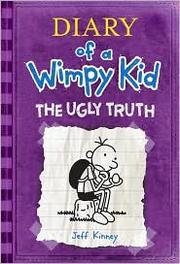
The Ugly Truth
Greg faces puberty, a school lock-in and Uncle Gary's wedding while Mom returns to college in Wimpy Kid book five.
2,766-word summary · 12 min read
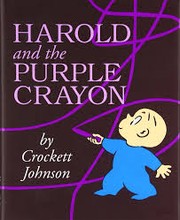
Harold and the Purple Crayon
Harold draws a moon and a path with one purple crayon and walks into the night, through woods and water until he finds his way home.
2,941-word summary · 13 min read
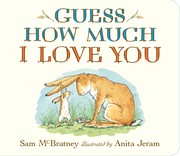
Guess How Much I Love You
Two nutbrown hares try to outshow their love at bedtime in this gentle picture book classic.
2,282-word summary · 10 min read
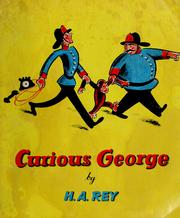
Curious George
Curious George retold: a monkey sails from Africa to the city, phones the fire station, floats off on balloons, and finds home.
2,979-word summary · 13 min read