
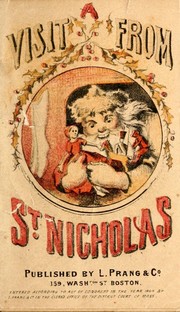
The Night Before Christmas
1,986-word summary 9 min read 26 pages in the book
- First published
- 1823
- Publisher
- Running Press Kids
- Pages
- 26
- ISBN
- 9780762430147
Reading options
What's inside (7 sections)
I have read The Night Before Christmas aloud every December since I was six, first as listener, then as reader, now as the adult who does voices. Clement Clarke Moore poem was first published anonymously in 1823. The Running Press Kids board book runs 26 pages with ISBN 9780762430147. It is a standalone Christmas poem about a father watching St Nicholas arrive. It names reindeer, fills stockings, and leaves before dawn. If you need one holiday book, this is it. Keep it where kids can reach.
The story fits in one night. House asleep. Father awake. Clatter on roof. Sleigh, eight reindeer, little old driver. Down chimney with a bound. Stockings filled. Nose like cherry. Goodbye with Merry Christmas to all, and to all a good night. That is all. It endures because rhythm carries wonder. Anapests gallop like hooves. Lists name reindeer like friends. Details, stockings, sash, smoke, feel seen. Children hear and see. Adults hear and remember being children. No moral appended. Just visitation and joy.
Moore authorship story adds flavor. Professor at General Theological Seminary, he wrote for children, included in anthology in 1844. Debate with Henry Livingston Jr claim persists. Scholars argue. Kids do not care. Read the poem, not the footnote, on Christmas Eve. Save debate for after kids sleep. The poem transformed Santa from stern bishop to jolly elf, from church to chimney. That shift shaped modern Christmas more than any ad. Know it while reading. You voice history.
Reading it aloud
Reading tips from decades of repeats. Start after stockings hung, lights low, tree on. Let kids lie near. Read slowly. Pause before reindeer names so kids shout them. Dasher, Dancer, Prancer, Vixen, Comet, Cupid, Dunder and Blixem, now Donner and Blitzen. Let them shout. Do St Nick voice different, higher and breathless from chimney. Act the wink. Lay finger aside of nose. Nod. They will copy. On last line, whisper good night. Close book. No encore though they beg. Tradition needs ending to be tradition. Promise tomorrow again.
Illustrations change the book, so choose with care. Jessie Willcox Smith 1912 version is cozy and old. Anita Lobel urban version delights city kids. Christian Birmingham oversized version stuns with light. Corinne Malvern Little Golden version is pocket classic many grandparents know. Our house keeps two, one sturdy board for babies, one big for lap. Kids compare Santas. Is he thin. Fat. Red. Brown. That comparison teaches art varies while words stay. Let them pick favorite. No wrong Santa except mean one, and Moore Santa is never mean.
Rhythm teaches early literacy without lessons. Anapestic beat, twas the NIGHT before CHRISTmas, invites clapping. Rhymes pair house mouse, snow glow, hood wood. Children predict. They fill lines. Pre readers memorize and pretend read, which builds confidence. Teachers use it for print concepts. Left to right. Front to back. Point as you read after many repeats. They will track. Do not quiz during first reads. Let music happen. Lessons can wait till January. Wonder cannot.
Ages fit from babies to grandparents. Board books for 0 to 3 survive chewing. Picture books for 4 to 8 invite pointing. Older kids read to younger, practicing fluency with easy win. Adults read for nostalgia that catches throat. At 26 pages, it fits bedtime even on busy Eve. If kids are wired, read twice, second faster. They will sleep after, dreaming of clatter. If they ask if Santa true, answer as Moore would. What do you hear. Let ears decide. Wonder needs room, not proof.
History and home
History enriches without burdening. First published 1823 in Troy Sentinel newspaper, then in school readers, then alone with pictures, translated, brailled. Each version adds layers. Our 2007 Running Press board book is small for hands. Our 1975 Random House paperback with Malvern art is nostalgic. Both tell same visit. Keep one to gift. Children who receive their own copy remember giver each December. Write name and year inside. It becomes archive. My copy has my grandmother hand. I read her note yearly before poem. That ritual matters more than edition.
Home setting adapts across years. Farmhouse, Brooklyn apartment, suburb, high rise. Santa fits all because poem leaves house vague. Stockings hung by chimney with care becomes stockings hung where you can. Our apartment has no chimney. Kids asked. We said Santa uses fire escape. They accepted because magic adjusts. Diverse retellings now show families of all kinds, which is good. Moore text stays while art widens. Choose art that mirrors your kids. They should see themselves visited. All children deserve clatter on roof, however roof looks.
Fair criticism is almost none because poem is short. Language dates a little. Kerchief, cap, peddler? Few words need explaining. Breast of new fallen snow confuses. Explain quickly and move. Santa smoking a pipe bothers some now. Most editions minimize smoke. Focus stays on joy, not habit. Authorship debate can distract adults. Let it go on Eve. The poem belongs to kids that night, not scholars. At 26 pages, older kids may call it babyish. Invite them to read to younger. They will love performing. Leadership beats age shame.
Editions, gifts, and keeping time
Editions multiply and each serves a use worth naming. Board books survive chewing and baths. Picture books with big art suit laps. Pocket hardcovers suit stockings. Pop ups suit wow mornings though they tear by noon. Our house rule is one sturdy, one beautiful. Sturdy lives low where babies reach. Beautiful lives high where adults fetch for Eve reading. Both get love. Both cost less than toys that break. Libraries lend dozens of versions in December. Browse with kids. Let them choose Santa face. Choice builds ownership. They will listen harder to words they picked pictures for.
Gifting copies builds tradition that outlasts toys. Write name and year inside. Note who read. My copy has grandmother hand, then mother, then mine. Three generations in margins. When I read her note yearly before poem, kids listen differently. They hear time. They will add their names someday. Suggest this to new parents. Do not wrap in haste. Write slowly. Date it. The book becomes archive of Decembers. Toys break. Batteries die. Inscribed poems stay. Children who receive their own copy remember giver each Eve. That memory is the true gift, not paper.
Keeping time with the poem marks growth kindly. Record first recitation on phone. They lisp reindeer. Years later play it back. Laugh together, not at. Note when they start reading to you. Note when they explain kerchief to younger. Those milestones matter more than grades. The poem, same words yearly, measures change in voices around it. Father voice ages. Child voice deepens. Santa stays. That constancy comforts in years when much changes. Moves, divorces, losses all bend around Eve reading that persists. Hold the book steady when life shakes. Read even if tired. Especially if tired. Wonder needs showing up. Good night, all, every year, together.
Voices, names, and Santa face
Voices make the poem and deserve direction because every family performs differently. Father narrator starts sleepy, then alert at clatter, then amazed at sight. St Nick speaks little, mostly exclaims and laughs. Try higher, breathless from chimney, with a wink in tone. Reindeer names chant fast like roll call. Happy Christmas to all whispers, not shouts, to keep house asleep. Kids will direct you. Louder. Faster. Again. Follow their notes. They are the audience and stage managers both. My St Nick evolved over years from booming to conspiratorial. Kids prefer conspiratorial. Santa shares secrets with witnesses. Shout less. Wink more. They lean in closer. Wonder grows in quiet.
Reindeer names carry history worth a breath between shouts. Dasher, Dancer, Prancer, Vixen, Comet, Cupid, Dunder and Blixem, Dutch for thunder and lightning, now Donner and Blitzen. Moore borrowed Dutch from New York roots. Santa shouts each by name because names matter to teams. Kids memorize in order and correct adults who skip. Let them. That correcting builds mastery. Later they learn Rudolph was added much later for a store booklet, not by Moore. Some feel betrayed. Explain stories grow. New reindeer join when needed. Ours added a ninth for the dog once. Santa laughed, in our telling. Canon bends for love. Keep core eight. Welcome extras kindly.
Santa face changes by art and each teaches something. Smith jolly elf. Birmingham luminous saint. Malvern cozy grandfather. Isadora African Santa in bright pants. Goodman modern dad in apartment. Show kids several. Ask which feels true. They will pick different years. That picking teaches art as choice, not fact. Words stay by Moore. Faces shift by illustrator. Both matter. Santa lives between. When kids ask which Santa true, answer as poem does. What do you hear on roof. Let ears decide. Faces in books are invitations, not IDs. The true Santa visits in the space between page and giggle. Keep that space open yearly. Shout names. Wink. Whisper good night. Merry to all, however Santa looks at your house.
Stockings, chimneys, and belief
Stockings hung by chimney with care deserve a moment because ritual teaches hope with props. Kids choose stockings, hang crooked, check twice. Parents fill after sleep with small things that fit. Morning finds bulges. That cause and effect, care plus mystery, builds trust in giving. Our house lets kids hang one each, plus one for dog. Dog stocking holds treats. No one questions dog belief. All believe together. When kids ask how Santa fits chimneys, or houses without, answer as poem models. He lays finger aside and nods. Mystery, not mechanics. Let physics rest one night. Wonder needs no floor plan. Santa fits because story says. Enough. Morning proves by bulges. Believe with eyes open to love behind. Someone filled. Thank them sideways with extra hug. That thanks is the true stocking stuffer.
Chimneys as portals charm and puzzle modern kids in apartments. Our fire escape answer works. Others use magic keys, Santa dust, front doors left cracked. Any solution works if told confidently. The poem says down chimney with a bound. Keep that line even without chimney. Kids picture bound, not architecture. Act it. Jump. Land soft. They laugh. Belief lives in motion, not masonry. When they ask if Santa true, reflect as Moore would. What did you hear. What did you find. Who loves you enough to fill. Let answers come from them. Wonder needs room, not proof. Keep room yearly by reading before doubting aloud. Doubt later, kindly, when they ask directly. Even then, keep Santa spirit as giving game. Play forever. Merry to all means all who give and giggle. Join them. Wink. Nod. Whisper good night. The house sleeps full.
I love that the site, full of novels, makes room for this poem. It reminds me summaries are about use, not just plot. This poem is used to mark time, to gather, to whisper. Moore wrote for his children one Christmas. Two hundred years later, we all borrow his night. Read it silly. Shout reindeer. Wink. Nod. Whisper good night. You are the father watching and the child listening both. That double feeling is Christmas. Keep it reachable. Merry to all.
Keep the book reachable all December. Read when tired. Read when wired. Read when missing someone. Santa visits in words even when snow fails. Merry to all, yearly, always. Record voices changing year to year. Keep notes in margins about who laughed loudest. Those margins become family history more precious than gifts. Toys break. Poem stays. Read it together even when apart by phone. Santa travels by signal too. Teach reindeer names to grandparents who forget. Let them stumble and laugh. That laughter is the true gift, better than perfect recitation. Keep cocoa warm. Keep lights low. Keep hearts open. Merry Christmas to all means all who gather, near or far, in person or memory.
Read it yearly. Keep it close. Pass it on.
FAQ
When was it published?
First published anonymously in 1823. The Running Press Kids board book runs 26 pages with ISBN 9780762430147.
Is it part of a series?
No. It is a standalone Christmas poem, reprinted in many editions.
What age is it for?
Ages 0 to 7 fits best. No content issues.
Similar books
How the Grinch Stole Christmas!
The Grinch steals Who presents and learns Christmas means more than gifts.
2,998-word summary · 13 min read
Miss Nelson Is Missing!
Room 207 gets kind Miss Nelson, then terrible Viola Swamp instead.
2,597-word summary · 12 min read
Horton Hears a Who!
An elephant protects tiny Whos on a clover while jungle mocks.
2,375-word summary · 11 min read
The Monster at the End of This Book
Grover begs readers not to turn pages for fear of a monster, until the ending reveals himself.
2,061-word summary · 9 min read
Harold and the Purple Crayon
Harold draws a moon and a path with one purple crayon and walks into the night, through woods and water until he finds his way home.
2,941-word summary · 13 min read
The Polar Express
A doubting boy rides a night train to the North Pole and keeps a bell only believers hear.
2,195-word summary · 10 min read

Make Way for Ducklings
A pair of mallards raise eight ducklings on the Charles River and lead them across Boston to the Public Garden, with a little help from a friendly policeman.
2,044-word summary · 9 min read

Amelia Bedelia
A literal-minded housekeeper follows her employer's list to disastrous and funny effect in the 1963 picture book that made wordplay a children's staple.
2,038-word summary · 9 min read
The Mitten
Jan Brett retells a Ukrainian folktale about a boy, a lost white mitten, and the woodland animals that crowd inside until a bear sneezes.
2,609-word summary · 12 min read
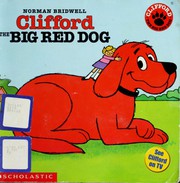
Clifford the Big Red Dog
Emily Elizabeth picks the smallest puppy in the litter, loves him as hard as she can, and wakes up to a dog the size of a house.
2,092-word summary · 9 min read
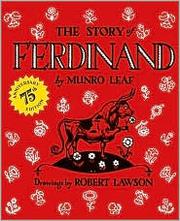
The Story of Ferdinand
A gentle Spanish bull would rather smell flowers than fight, and when he is taken to the bullring he simply sits down among the flowers in the ladies' hats.
2,135-word summary · 9 min read
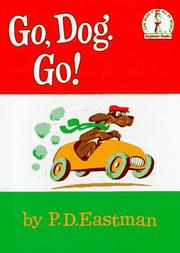
Go, Dog. Go!
Dogs drive, work, play, and climb a tree for a party in this Beginner Book built on repetition, opposites, and one very unpopular hat.
2,196-word summary · 10 min read
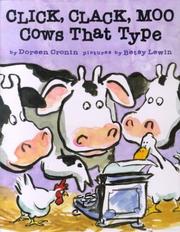
Click, Clack, Moo: Cows That Type
Cows learn to type, demand electric blankets, and go on strike in a deadpan picture book about negotiation and withheld labor.
2,617-word summary · 12 min read
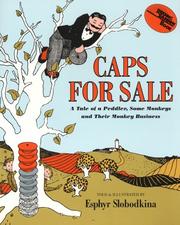
Caps for Sale
A peddler balances his caps on his head, naps under a tree, and wakes to find monkeys wearing his stock in this 1940 picture book.
2,787-word summary · 12 min read
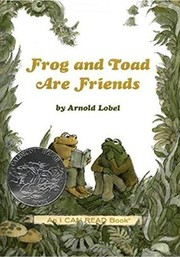
Frog and Toad Are Friends
Five short stories about a cheerful frog and a grumpy toad who need each other for waking up, swimming, and waiting for the mail.
1,969-word summary · 9 min read
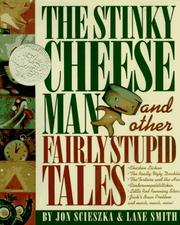
The Stinky Cheese Man and Other Fairly Stupid Tales
Scieszka and Lane Smith take nine fairy tales apart, joke by joke, while Jack, the narrator, keeps losing the pages.
2,206-word summary · 10 min read
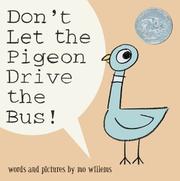
Don't Let the Pigeon Drive the Bus!
A bus driver leaves the reader in charge with one rule, and a very persuasive pigeon spends the rest of the book trying to break it.
2,084-word summary · 9 min read
The Swiss Family Robinson
Shipwrecked Robinsons build treehouses and tame island beasts.
2,400-word summary · 11 min read
The Epic of Gilgamesh
Gilgamesh loses Enkidu, then seeks endless life past the flood.
2,246-word summary · 10 min read
The Snowy Day
Peter in his red snowsuit explores fresh snow, from footprints and angels to a melted pocket snowball, in Keats classic winter day.
2,375-word summary · 11 min read
The Little Engine That Could
Watty Piper follows a stranded toy train past proud engines that refuse, to a small blue switcher who agrees to try the mountain and pulls her chanting load…
2,311-word summary · 10 min read

Sonnets & Poems
154 sonnets plus Venus and Adonis and other poems on time, love, and fading beauty.
2,341-word summary · 10 min read
Stellaluna
A baby fruit bat falls into a bird nest, learns to perch and eat bugs, then reunites with her mother in Cannon's acclaimed 1993 picture book about difference…
2,486-word summary · 11 min read
Guess How Much I Love You
Two nutbrown hares try to outshow their love at bedtime in this gentle picture book classic.
2,282-word summary · 10 min read
Curious George
Curious George retold: a monkey sails from Africa to the city, phones the fire station, floats off on balloons, and finds home.
2,979-word summary · 13 min read
Cloudy with a Chance of Meatballs
A grandfather tells of Chewandswallow, where soup rains and meatballs fall, until giant food storms force everyone to flee.
2,873-word summary · 13 min read
The Divine Comedy
Lost, guided by Virgil then Beatrice, Dante crosses Hell, climbs Purgatory, and rises to light.
2,199-word summary · 10 min read
Falling Up
Poems about falling up, messes that win and tender goodbyes in between.
2,055-word summary · 9 min read
Chicka Chicka Boom Boom
Letters race up a coconut tree, tumble down with a boom, then climb again with help in this chant classic.
2,120-word summary · 9 min read
Brown Bear, Brown Bear, What Do You See?
A rhythmic animal parade teaches colors and names, from brown bear to schoolchildren.
3,226-word summary · 14 min read