
Reading options
What's inside (10 sections)
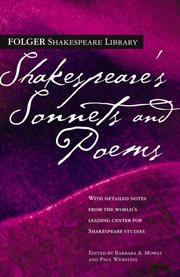
I first met these poems in school through a single sonnet on a worksheet, and I thought they would feel distant. Reading them straight through changed that. They are funny, jealous, sweet, and rude by turns, obsessed with aging and with being remembered. The Sonnets first appeared in 1609 printed for Thomas Thorpe. The Folger Sonnets and Poems volume from Simon and Schuster runs 704 pages and pairs the 154 sonnets with Venus and Adonis, The Rape of Lucrece, and shorter pieces.
This is not a story with one plot. It is a sequence that circles a few people. A young man praised and scolded. A dark haired woman desired and blamed. A rival poet who threatens friendship. Around them stand time, which ruins beauty, and verse, which claims to save it. Shakespeare argues with himself across poems, which is why they still feel alive.
You do not need old English fluency to start. The Folger notes face the text and explain puns, plants, and law terms. Read slowly, aloud when you can, and let sound carry sense. Many lines click on second reading once the rhythm settles.
The shape of a sonnet
Most of the 154 follow the English form. Three quatrains plus a couplet, fourteen lines, iambic beat that sounds like a heart when read well. The turn often comes near line nine or in the final two lines, where praise flips to warning or love flips to accounting. Once you hear that turn, many hard poems open.
Take the famous openings. Shall I compare thee to a summer's day starts as flattery, then admits summers fade, then claims the poem will keep the youth fresh. Let me not to the marriage of true minds sounds steady, then tests love against storms and time. My mistress' eyes are nothing like the sun starts by refusing praise, then lands on rare honesty. The pattern is promise, trouble, and a closing twist that reframes both.
Shakespeare loves wordplay that notes help unpack. Will, fair, debt, use, and time each carry legal and sexual hints. A line about lending beauty to the future can mean children, poems, or both. That double sense is not a trick to catch you. It is how the poems think. Love and money, beauty and age, truth and flattery keep trading clothes.
Sound matters as much as sense. Alliteration, repeated vowels, and short punches in the couplet make lines stick. When lost, read for music first. Mark the line you hear even if you cannot parse it. Then check the note. Often the note confirms what your ear guessed.
New readers sometimes expect each sonnet to stand alone. Many do, but reading in order adds force. Praise curdles into jealousy. Jealousy cools into grief. Grief hardens into spite, then softens toward acceptance. You watch a mind change over months or years, which feels more human than any single perfect poem.
The Fair Youth: praise with strings
Sonnets 1 through 126 mostly address a young man, often called the Fair Youth. The speaker urges him to marry and have children so beauty survives. Those early poems mix admiration with accounting. Beauty is a loan, time charges interest, and children or verse must repay. It sounds cold until you hear fear under it. The speaker dreads being forgotten when youth fades.
As the sequence grows, praise turns personal. The speaker misses the youth at night, defends him to others, and begs for continued favor. Absence poems ache. Travel, court duties, and rivals keep them apart. The speaker writes to bridge distance, then worries letters sound needy. Anyone who has waited for a reply will recognize the spiral.
Jealousy enters around the rival poet and the youth's affairs. The speaker claims not to mind, then minds deeply. He excuses the youth's faults as the fault of youth itself, then resents the excuse. That back and forth can frustrate modern readers who want clear boundaries. Shakespeare leaves it messy, which is honest about desire that mixes friendship, admiration, and want.
Time is the real rival. Tides, clocks, flowers, and seasons crowd these poems. The speaker watches lines form on a loved face and feels his own age. He offers verse as shelter. While I live, you live in my lines. It is bold and a little desperate. Four centuries later, the boast holds, which gives those lines a strange power when read today.
My favorite in this run are the quiet ones about sleeplessness and travel. They show a working mind, not just a lover. The speaker counts hours, maps roads, and bargains with dawn to stay longer. Fame feels far. A shared morning feels near. That scale keeps big themes tender.
The Dark Lady: sharper love
Around sonnet 127 the tone shifts to a woman often called the Dark Lady. These poems are earthier and funnier than the youth poems, and less idealizing. Her eyes are not suns, her lips are not coral, and the speaker loves her anyway, or because of it. Readers tired of perfect mistresses often prefer this run.
Desire here is frank about bodies and about shame. The speaker wants her, judges himself for wanting, judges her for wanting others, then wants again. Jealousy is uglier here, tangled with class and reputation. He calls her false and returns. She keeps power by refusing to be owned in verse. That refusal gives these poems bite.
The triangle with the Fair Youth stings most. The speaker suspects the two he loves may want each other. Whether true or feared, the thought poisons praise. A few sonnets read like letters never sent, full of accusations crossed out and rewritten as jokes. I found them painful and funny at once, which seems intended.
Language gets rougher, with puns on will as name, wish, and anatomy. Editors note these with care. Modern readers may blush or laugh. Both are fine. Shakespeare wrote for mixed crowds who liked wit that could turn dirty in a beat. The Folger notes help without killing the joke, which is a hard balance.
Criticism belongs here. Some Dark Lady poems repeat misogynist tropes of the period, blaming the woman for the speaker's lack of control. Reading now, you can admire craft while naming the unfairness. The book endures partly because it lets us see that flaw in a great mind, not because the flaw is fine.
The Rival Poet and friendship under test
A smaller run worries about a rival poet winning the youth's favor. The speaker feels outwritten and outshone, praises the rival to seem generous, then undercuts him. Professional jealousy mixes with personal fear. Am I losing a friend or a contest. Both, and the poems know it.
These sonnets speak to anyone who makes things. Praise for a peer can hide panic. Silence from a patron feels like verdict. The speaker tries humility as strategy, offering to be second, then hates the offer. That swing between grace and grasping feels observed from life, not invented for theme.
There is also legal talk of bonds, debts, and gifts. Patronage ran on favor and money, and poets knew it. Shakespeare asks what praise costs and who owes whom. Those lines read colder than love poems, which fits. Friendship with power inside it needs contracts as well as affection.
If you write or perform, these poems may hit hardest. They name the shame of wanting praise while pretending not to need it. They show a master worried he is ordinary. That worry humanizes the monument and makes the big claims about eternal verse feel earned rather than arrogant.
Time softens this thread. By the end of the youth run, the speaker accepts change. Love remains, but possession loosens. The poems turn from请你 argue to record. I will write what I saw while it lasted. That shift prepares the darker, funnier Lady poems and the late reckonings about lust and love.
Venus and Adonis: a long chase
Venus and Adonis, first printed in 1593, tells of the goddess Venus pursuing the young hunter Adonis, who would rather hunt boar. It is playful, lush, and sad. Venus talks circles around a boy who answers in short refusals. Desire meets disinterest, and rhetoric fails where a spear will later succeed.
The poem delights in nature. Hares, horses, and morning light fill stanzas that move fast despite length. Venus compares Adonis to flowers and jewels, then scolds him for coldness. Adonis asks to be left alone to hunt. Readers used to pursued women may feel the flip. Shakespeare enjoys the reversal and the comedy inside it.
Under jokes sits grief about time. Venus knows beauty dies. She wants to use it now. Adonis wants honor in action, not in bed. Both have points, and the boar ends debate cruelly. The closing transformation of Adonis into a flower reads as both comfort and warning. Love unreturned still marks the world.
This poem was hugely popular in its day, reprinted often while plays stayed in manuscript. Knowing that helps. Shakespeare was first famous as a narrative poet, not as the playhouse god we imagine. Reading Venus restores that younger writer, eager to show skill in description and speech.
Some passages run long for modern taste. Venus repeats arguments, and Adonis repeats no. Skim the middle debates without guilt, then slow for the hunt and the mourning. The final lament earns its space and echoes in the sonnets about time and flowers.
Lucrece and shorter pieces
The Rape of Lucrece, from 1594, is harder and graver. Tarquin assaults Lucrece, who speaks a long complaint about night, shame, and justice before taking her life, sparking revolt. It is a Roman story about power, consent, and honor. Modern readers should approach with care. The poetry is strong, the subject is brutal, and Shakespeare gives Lucrece voice and thought rather than silence.
Lucrece's long speeches debate whether to live with shame or die to prove truth. Those debates can feel slow, but they matter. They show a mind working under horror to claim meaning. The political ending, where men carry her body to rouse Rome, raises fair questions about using a woman's pain for male revolt. Read with those questions open.
Shorter poems in the volume include The Phoenix and Turtle and excerpts that show occasional verse. They are denser and stranger than the narratives. Do not worry if they resist quick sense. Scholars still argue about them. Enjoy images and music, check notes, and move on. They add range rather than plot.
Together the long poems balance the sonnets. Sonnets compress. Narratives expand. One gives lightning, the other weather. Reading both shows Shakespeare's range with love, from a two line sting to a thousand line chase. That range is why one volume can hold many moods without breaking.
For classroom or book club, pairing one narrative with twenty sonnets works better than marching cover to cover. Try Venus with sonnets on summer and time, then Lucrece with sonnets on lust and shame. Themes will rhyme across forms and make both easier.
Language, notes, and how to hear it
Early modern words shift just enough to trip us. Let for hinder, presently for at once, and silly for plain. Pronouns mark closeness and rank. Thou can be tender or insulting by context. Folger margins gloss these fast so you keep rhythm. Trust them and keep moving.
Puns need a beat. When a line seems flat, assume a second sense. Light puns as coin, interest puns as both money and care, will puns as name and desire. Say the line aloud with stress in different spots. Often the joke pops on third try. Laughter is a good sign you got it.
Performance helps. Sonnets were shared among friends and read aloud. Try two voices for Venus and Adonis. Try a tired voice for sleepless sonnets and a sharp one for Dark Lady jests. Your throat will find turns your eyes miss. If a poem still resists, set it aside. Return after ten more. The sequence teaches how to read it as it goes.
Do not chase biography too hard. We do not know who the youth or lady were, if anyone. Candidates fill books, from patrons to rivals, but proof stays thin. The poems work without names. They are about wanting to matter to someone who may leave, and fearing time more than any rival. That needs no key.
A fair warning: old spelling in quotes and uneven meter in a few lines can irk newcomers. Modern Folger text smooths much, but keeps some rough edges from quarto printing. Treat those as texture, not failure. Even masters nod, and printers err.
Why it lasts and where it drags
The strength is honesty about mixed motives. Love wants eternity and tonight. Praise wants favor and truth. Jealousy wants proof and mercy. Shakespeare lets those wants share lines without sorting them into lessons. That mess feels like inner life rather than moral.
The time argument also lands because it proved true. Poems that begged to preserve beauty did preserve it, at least on pages readers still open. Reading them now completes a loop the speaker hoped for. We are the future he begged. That can give simple lines weight out of proportion to words, which is rare and moving.
Drag is real too. One hundred fifty four poems on similar themes repeat. Even good wine cloys in large cups. Read in tens, not hundreds. Skip and return. No one grades completion. The narratives also test patience with long complaints and debates. Admire craft, note the point, and keep walking.
At 704 pages with notes, this volume looks heavy but reads in sips. Keep it near a chair, not a desk. Read a sonnet with coffee, a stanza of Venus before bed. Let lines surface later while cooking or walking. That slow use fits poems written to be carried. If plays show Shakespeare in crowds, Sonnets and Poems show him alone at night, worried, witty, and unwilling to let beauty pass without a fight.
FAQ
When were Shakespeare's sonnets first published?
The Sonnets first appeared in 1609 printed for Thomas Thorpe. The Simon and Schuster Folger Sonnets and Poems edition runs 704 pages.
Who are the sonnets addressed to?
The Fair Youth, the Dark Lady, and the Rival Poet. Most critics read them as linked figures rather than firm biography.
Similar books

The Epic of Gilgamesh
Gilgamesh loses Enkidu, then seeks endless life past the flood.
2,246-word summary · 10 min read
The Taming of the Shrew
Petruchio woos sharp-tongued Kate while suitors scheme for sweet Bianca in Shakespeare's rowdy early comedy of marriage and disguise, first printed in 1623.
3,605-word summary · 16 min read
Twelfth Night
Viola disguised as Cesario woos Olivia for Orsino while a forged letter ruins Malvolio in Illyria.
2,546-word summary · 11 min read
The Merchant of Venice
Antonio borrows from Shylock to fund Bassanio, Portia picks suitors by chests, and a courtroom bond comes due.
2,950-word summary · 13 min read

The Tempest
Prospero raises a storm to wreck his enemies on his island, where his daughter meets a prince and old wrongs face trial.
2,890-word summary · 13 min read
King Lear
An old king divides his realm by flattery, and learns too late which daughter loved him in silence.
2,123-word summary · 9 min read
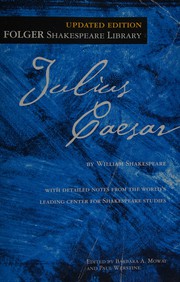
Julius Caesar
Brutus joins Cassius to kill Caesar for Rome, then loses Rome to Antony words and Octavius swords.
1,916-word summary · 9 min read
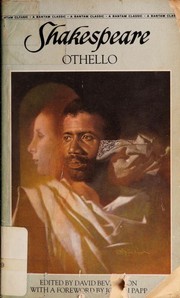
Othello
Iago's lies drive the Moor of Venice to murder his innocent wife in Shakespeare's tragedy of jealousy.
2,409-word summary · 11 min read

A Midsummer Night's Dream
Four lovers flee to a forest where fairies mix them up, while workmen rehearse a play for a duke's wedding.
2,597-word summary · 12 min read
Macbeth
Macbeth hears witches hail him king and murders Duncan with Lady Macbeth pushing him on.
4,056-word summary · 18 min read
Hamlet
Hamlet sees his father's ghost in Elsinore and pretends madness to test Claudius and Gertrude while Denmark slides toward duel and death.
2,996-word summary · 13 min read
Romeo and Juliet
Shakespeare's Romeo and Juliet retold: Verona feud, balcony, Friar's plan, and why the last minutes collapse.
2,531-word summary · 11 min read
Rosencrantz and Guildenstern Are Dead
Stoppard's 1966 play retells Hamlet from the wings, where two minor courtiers wait, joke, and walk toward a death they cannot see.
2,021-word summary · 9 min read

Doctor Zhivago
A doctor and poet lives through revolution, war, and love in Pasternak's novel of private life under the pressure of Russian history.
2,213-word summary · 10 min read
The Complete Poems of Emily Dickinson
Thomas H. Johnson's one-volume edition gathers all 1,775 of Emily Dickinson's poems in their restored texts, the standard reading edition since 1960.
2,191-word summary · 10 min read

The Swiss Family Robinson
Shipwrecked Robinsons build treehouses and tame island beasts.
2,400-word summary · 11 min read
The Red Badge of Courage
Henry Fleming runs at Chancellorsville, then returns to stand.
2,486-word summary · 11 min read

Pygmalion
Higgins bets he can pass flower girl Eliza off as a duchess.
2,521-word summary · 11 min read
Leaves of Grass
Free verse songs of self, America, bodies and democracy.
2,240-word summary · 10 min read
Howl and Other Poems
Ginsberg's 1956 City Lights debut: Howl for outcasts plus tender shorter poems, in 48 pages that survived an obscenity trial.
2,570-word summary · 11 min read

Ulysses
Bloom, Stephen, and Molly cross Dublin on June 16 1904 in parallel to Odyssey, from breakfast to night bed yes.
2,222-word summary · 10 min read

The Night Before Christmas
A father watches St Nicholas arrive with reindeer on Christmas Eve in classic poem.
1,986-word summary · 9 min read
The Aeneid
Trojan Aeneas flees burning Troy for Italy, losing Dido and friends before warring to found a line that becomes Rome.
2,080-word summary · 9 min read

Dead Poets Society
Keating tells Welton boys to seize the day and his secret club costs more than grades.
2,031-word summary · 9 min read
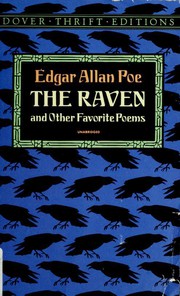
The Raven
A grieving student asks a midnight raven and hears only Nevermore.
2,141-word summary · 10 min read
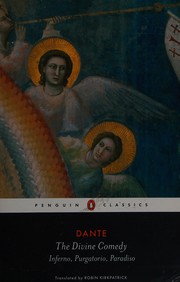
The Divine Comedy
Lost, guided by Virgil then Beatrice, Dante crosses Hell, climbs Purgatory, and rises to light.
2,199-word summary · 10 min read
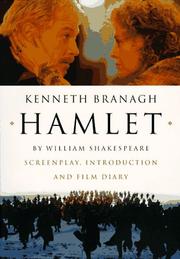
Hamlet: Screenplay, Introduction and Film Diary
Kenneth Branagh's 1996 book pairs his full four hour Hamlet screenplay with an intro on staging it uncut and a diary from the 70mm shoot at Blenheim Palace.
2,903-word summary · 13 min read
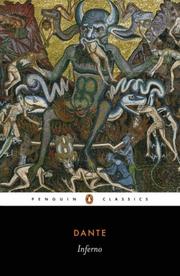
Inferno
Dante, lost at thirty-five, follows Virgil down through nine circles of Hell, from Limbo to the ice, and climbs back toward the stars.
3,131-word summary · 14 min read

The Canterbury Tales
Pilgrims riding to Canterbury trade bawdy, holy, and sly tales while the Host keeps score at the Tabard Inn.
2,002-word summary · 9 min read

The Tell-Tale Heart and Other Writings
Mad narrators, Dupin puzzles, mournful poems, and Pym in one Bantam collection.
2,333-word summary · 10 min read