
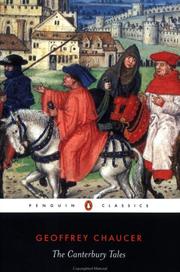
Reading options
What's inside (9 sections)
I first met The Canterbury Tales in a classroom where the teacher made us read the opening in Middle English aloud, and the room went from giggling to quiet as the rhythm took over. Geoffrey Chaucer wrote these stories between 1387 and 1400, leaving them unfinished at his death. They were first printed in 1476 by Caxton. The edition I cite is the Penguin Books Nevill Coghill modern translation, 504 pages, ISBN 9780140424386, which turns the verse into readable prose and poetry mix. Twenty four tales told on the road to Canterbury by pilgrims who lie, flirt, preach, and interrupt. Bawdy, holy, sly by turns. Fourteenth century England in all its noise.
The frame is simple and brilliant. Harry Bailey, host of the Tabard Inn in Southwark, joins a group riding to the shrine of Thomas Becket and proposes a contest. Each pilgrim tells two tales going and two returning. Whoever tells the best gets a free supper on return. Thirty pilgrims are described in the General Prologue, from Knight to Plowman, each sketched in a few lines that still feel like character acting. The Knight in travel stained tunic. The Squire with curly hair and songs. The Prioress who feeds her dogs roast meat. The Wife of Bath with red stockings and five husbands. The Pardoner with long yellow hair and relics in a bag. You could cast a film from these paragraphs alone.
We never get 120 tales. We get 24 in fragments, order disputed, some clearly unfinished. Scholars divide them into ten fragments. Modern editions follow the Ellesmere manuscript order, but no one thinks Chaucer fixed it. That incompleteness is part of the charm. The pilgrimage never arrives. The contest never awards its supper. We live on the road, in talk, which is where Chaucer wants us.
Knight, Miller, Reeve
The Knight goes first, as rank demands, with a romance of order. Palamon and Arcite, two Theban cousins imprisoned in Athens, fall for Emily through a tower window and fight for her under Duke Theseus noble rules. Tournaments, prayers to gods, a grand funeral. The moral is Boethian. Accept providence. The telling is dignified and a little long, which is the point. This is how the ruling class likes its stories. Fate managed by ceremony.
The Miller refuses ceremony. Drunk, he insists on going next and tells of John the carpenter, his young wife Alison, and two clerks who plot to bed her. A tub hung from the ceiling for a fake flood. A kiss in the dark through a window that goes to the wrong mouth. A red hot poker applied to a bare backside. Students still laugh aloud at this after six hundred years. The Reeve, himself a carpenter by trade, takes offense and answers with a tale where a miller is cuckolded by two students. Payne follows pay. The Knight tale order is already broken. Class revenge drives the storytelling. Harry Bailey tries to keep peace and fails cheerfully.
I love this opening trio because it teaches you how to read the rest. No tale stands alone. Each responds to the teller before it. High style invites low parody. Insult invites counter insult. Chaucer does not judge from above. He lets the Knight nobility and the Miller crudeness coexist and lets you feel the road jolt between them.
Wife, Friar, Summoner
The Wife of Bath is the star for most modern readers, and for good reason. Alison of Bath, cloth maker, five times married, deaf in one ear from a husband blow, takes the pulpit to defend experience against authority. Her Prologue is longer than her tale, a joyful, angry autobiography about marrying old rich men for money, then a young clerk for love, learning to manage husbands with sex, tears, and selective deafness. Then she tells a romance where a rapist knight must learn what women most desire. Answer. Sovereignty. The queen court spares him when an old woman teaches him to yield. On their wedding night, given the choice between a faithful old wife and a false young one, he lets her choose. She becomes both fair and true. It is a fantasy of power from a woman who knows power is rarely given.
The Friar and Summoner then tear each other apart. The Friar tells of a summoner who befriends a devil disguised as a yeoman and ends dragged to hell because he will not repent extortion. The Summoner answers with a friar who cons a sick man out of money and is humiliated by a fart divided among twelve brothers with a wheel. Yes, really. A fart as legal problem. Medieval audiences roared. Modern students do too, then feel uneasy about the anticlerical bite. Chaucer, who worked for the court and knew friars who begged aggressively, lets both men be corrupt and funny. No one is clean here except, perhaps, the poor widow in the Friar tale who refuses to bribe.
What matters is voice. The Wife speaks in proverbs twisted to her use. The Friar speaks in oily flattery. The Summoner speaks in threats. You could cover the names and still know who talks. Chaucer ear for occupational speech, built over years as customs official dealing with merchants, sailors, and clergy, is unmatched in his time.
Pardoner, Prioress, Nun Priest
The Pardoner is the darkest portrait. He sells fake relics, pig bones as saints bones, and admits it to the pilgrims over wine. I preach against greed for gain, he says, and shows his technique. Then he tells a perfect sermon tale. Three rioters seek Death, find gold under a tree, plot to kill each other for it, and all die by poison and knives. They find Death indeed. The pilgrims are moved despite themselves. The Pardoner then tries to sell them pardons. The Host explodes. The Knight smooths it over with a kiss of peace. It is a scene about performance swallowing belief. The Pardoner knows he is false and cannot stop. His body, described as beardless and high voiced, has led centuries of debate about gender and sexuality that Chaucer leaves open.
The Prioress tells a miracle of a murdered choir boy who keeps singing after his throat is cut, which moves medieval hearts and troubles modern ones with its antisemitism. Do not skip that trouble. The tale repeats a blood libel where Jews are blamed for the murder. Teach it with context or not at all. Chaucer Prioress is sentimental about dogs and blind to people, and the tale reflects both her piety and her prejudice. It is a test case for loving old books honestly. Admire the craft. Name the harm.
Relief comes with the Nun Priest, who tells of Chauntecleer the rooster, Pertelote the hen, and a fox named Russell who flatters the cock into crowing with eyes shut and then carries him off. A chase with dogs, hens, villagers. The cock tricks the fox into boasting and escapes. Moral upon moral is offered and mocked. Take what you like. The barnyard epic parodies heroic romance while smuggling real advice about flattery and pride. After the Pardoner weight, it feels like air. Students who were bored wake up here.
Parson, Host, and the road that stops
Other tales fill out the range. The Clerk tells of patient Griselda, tested cruelly by her husband, a story modern readers find horrifying and medieval readers found edifying. Argue about it. The Merchant tells a bitter fabliau about January and May. The Franklin tells a gentler romance about promises. The Second Nun tells a saint life. The Canon Yeoman, joining late, exposes alchemy fraud with insider detail. The Manciple tells of a crow turned black for telling truth. The Parson ends with a long prose treatise on penitence, no tale at all, just a call to repent before the journey ends.
Chaucer Retraction follows, where the poet asks forgiveness for vain works including these tales. Scholars debate sincerity. Is it pious humility, ironic bow, or a scribe addition. Read it as part of the frame. A man who spent his career managing wool customs and writing love poems knows his book mixes holy and bawdy. He lets the Parson have the last word without erasing the Miller laugh. Both stand.
Harry Bailey deserves a final note. He is not a neutral MC. He jokes, bullies, changes rules, takes sides. He silences the Monk when tragedy bores him. He teases the Nun Priest. He begs the Parson for plain speech. He is us as readers, impatient, hungry, wanting the next story to be better. His inn promise of supper never pays out because the road never ends. That is Chaucer quiet point. Judgment is deferred. Talk continues.
How to read it now
Do not try to read all 24 straight through in old spelling unless you love that labor. Use Coghill or another modern version first for story, then dip into Middle English for sound. Read the General Prologue slowly. Pick two portraits a night and picture them. Then read Knight, Miller, Wife, Pardoner, Nun Priest. That spine gives you high, low, female, dark, comic. Fill in others as appetite allows. Listen to recordings of the opening. Whan that Aprill with his shoures soote. The music carries meaning before sense does.
Classroom baggage is real. Some teachers treat this as quaint heritage. It is not quaint. It is rude, devout, sexist, feminist, hilarious, cruel. The Wife wants control of her body and purse. The Miller wants a laugh at a husband expense. The Pardoner wants your coin while telling you he wants your coin. Meet them as people on a bus trip who cannot get off. You will recognize coworkers, relatives, yourself.
Content notes span centuries. Rape in the Wife tale discussed as crime and then as lesson. Antisemitism in the Prioress tale. Domestic violence in several prologues. Scatology in the Summoner reply. Animal death played for laughs in the Nun Priest chase. None of it is gratuitous by medieval standards, but all of it needs framing now. Read with notes, teach with care, argue aloud.
I keep my battered Penguin because it reminds me that English literature starts not with a king but with a crowd. A knight, a miller wife, a cook who tells too little, a squire who loves too much. They ride toward a saint shrine and never arrive, telling stories to pass time and to settle scores. Six hundred years later we still tell stories for the same reasons on longer roads with faster horses. Chaucer knew. He put an innkeeper in charge and let the tab run. We are still drinking to it.
A word on text
Coghill translation first appeared in 1951 and stays popular for clarity, though it smooths some Middle English bite. The Riverside or Norton editions give the original with glosses if you want the full texture. Manuscript order varies. Ellesmere is the pretty illustrated copy. Hengwrt is earlier and plainer. Caxton 1476 print made the tales public in a new way as one of England first books. Any of these details can deepen reading, none is required to enjoy the ride. Start with people, then tales, then history. The road will hold you.
The Host dinner that never comes
Harry Bailey promise of a free supper for the best tale is easy to forget, but it shapes every interruption. Pilgrims play to win food as well as honor. The Miller wants to outdo the Knight for ale. The Reeve wants to sting the Miller back. The Pardoner wants coin on top of supper. That hunger keeps the contest earthy. No one tells a tale purely for art. They tell to settle scores, impress a crush, or avoid paying. When the Knight stops the Host and Pardoner fight with a kiss of peace, he is saving the dinner as much as the peace. Supper matters on a long ride. Chaucer, who fed courts and counted wool, knew that stories are clearest when stomachs are involved.
FAQ
When were The Canterbury Tales written?
Written between 1387 and 1400 and first printed in 1476. The Penguin Coghill translation runs 504 pages and the ISBN is 9780140424386.
Who tells the tales?
Harry Bailey the Host, the Knight, the Miller, the Wife of Bath, the Pardoner, and the Prioress.
Is it part of a series?
No. It is a single unfinished frame collection, often read with 24 tales across ten fragments.
Similar books
The Divine Comedy
Lost, guided by Virgil then Beatrice, Dante crosses Hell, climbs Purgatory, and rises to light.
2,199-word summary · 10 min read
The Epic of Gilgamesh
Gilgamesh loses Enkidu, then seeks endless life past the flood.
2,246-word summary · 10 min read
Sonnets & Poems
154 sonnets plus Venus and Adonis and other poems on time, love, and fading beauty.
2,341-word summary · 10 min read
The Night Before Christmas
A father watches St Nicholas arrive with reindeer on Christmas Eve in classic poem.
1,986-word summary · 9 min read
The Sirens of Titan
A ruined playboy is herded from Mars to Titan while a stranded robot waits for a spare part.
2,663-word summary · 12 min read
Inferno
Dante, lost at thirty-five, follows Virgil down through nine circles of Hell, from Limbo to the ice, and climbs back toward the stars.
3,131-word summary · 14 min read
The Tell-Tale Heart and Other Writings
Mad narrators, Dupin puzzles, mournful poems, and Pym in one Bantam collection.
2,333-word summary · 10 min read
The Prophet
A prophet delayed twelve years answers his city on love, work, sorrow and freedom before his ship sails.
2,852-word summary · 13 min read

The Complete Works of Edgar Allan Poe
The full Poe shelf in one volume: mad narrators, rotting houses, Dupin, and the Raven.
2,183-word summary · 10 min read
Don Quixote
A poor gentleman maddened by knight romances rides out as Don Quixote with Sancho Panza, until the world answers back.
3,785-word summary · 17 min read
Candide
Voltaire's Candide follows a sheltered boy across earthquakes, wars, and Eldorado as his tutor's sunny optimism falls apart. Short, savage, and still funny.
2,614-word summary · 12 min read
American Psycho
Patrick Bateman hides violent urges behind suits and reservations in Ellis's 1991 satire of 1980s Manhattan wealth, brands, and moral blankness.
2,837-word summary · 13 min read
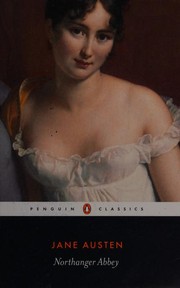
Northanger Abbey
Naive Catherine Morland mixes gothic novels with real Bath society and love.
2,650-word summary · 12 min read
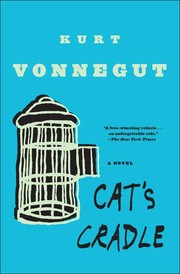
Cat's Cradle
Jonah researches the atom bomb and finds ice-nine and Bokononism on San Lorenzo.
2,583-word summary · 11 min read

The Crying of Lot 49
A California woman named executor of her ex-lover's estate follows a muted post horn into a possible centuries-old postal conspiracy, and Pynchon refuses to…
2,003-word summary · 9 min read
Go the Fuck to Sleep
A rhyming bedtime book for adults in which an exhausted father narrates the fourth hour of a toddler's stalling, one profane couplet at a time.
2,291-word summary · 10 min read
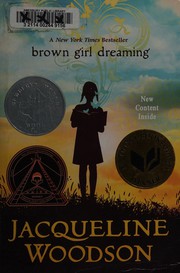
Brown Girl Dreaming
Jacqueline Woodson retells her childhood in verse, moving from Ohio to South Carolina to Brooklyn while the civil rights movement reshapes the world around her.
2,727-word summary · 12 min read
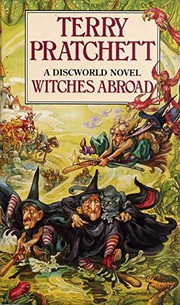
Witches Abroad
Three Lancre witches fly to Genua to stop a fairy godmother from forcing a servant girl into a storybook marriage, and find a city arranged around a happy…
2,651-word summary · 12 min read
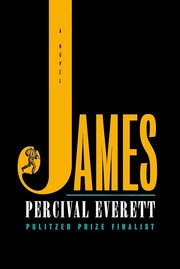
James
Percival Everett retells Huckleberry Finn from Jim's side, giving him a library, a hidden school, and a voice the novel lets loose.
2,211-word summary · 10 min read
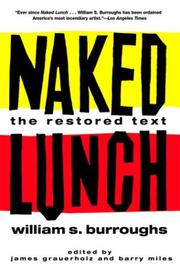
Naked Lunch
Burroughs's banned 1959 collage novel follows Bill Lee through addiction, Tangier, and the nightmare bureaucracy of the Interzone.
2,082-word summary · 9 min read
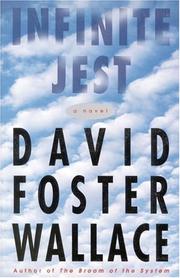
Infinite Jest
A film that kills its viewers, a tennis academy, a halfway house for addicts, and a future America where corporations name the years, all tangled together.
2,084-word summary · 9 min read

Ivanhoe
A disinherited Saxon knight, a great tournament, a besieged castle and a trial by combat. Scott's most famous novel, set in England in 1194.
2,834-word summary · 13 min read
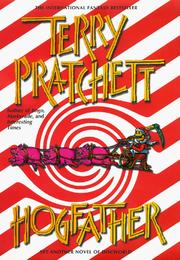
Hogfather
Death fills in for a missing Father Christmas, Susan Sto Helit hunts the Hogfather, and the twentieth Discworld novel turns Santa into a management problem.
2,871-word summary · 13 min read
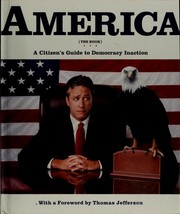
America (The Book): A Citizen's Guide to Democracy Inaction
Jon Stewart and the Daily Show writers turn a high school civics textbook inside out, with a foreword from beyond the grave.
2,511-word summary · 11 min read
The Sisters Brothers
Two hired killers ride from Oregon to Gold Rush California to murder a prospector, and find their trade, their brotherhood, and the frontier myth coming apart.
2,095-word summary · 9 min read
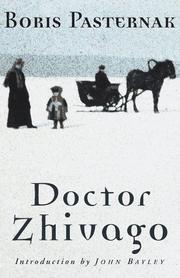
Doctor Zhivago
A doctor and poet lives through revolution, war, and love in Pasternak's novel of private life under the pressure of Russian history.
2,213-word summary · 10 min read
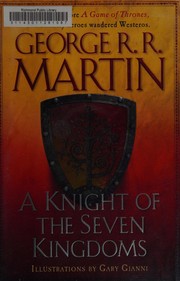
A Knight of the Seven Kingdoms
Three novellas follow Ser Duncan the Tall and his squire, Egg, through tourneys, feuds, and conspiracies in Westeros ninety years before A Game of Thrones.
2,059-word summary · 9 min read
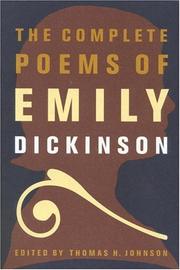
The Complete Poems of Emily Dickinson
Thomas H. Johnson's one-volume edition gathers all 1,775 of Emily Dickinson's poems in their restored texts, the standard reading edition since 1960.
2,191-word summary · 10 min read
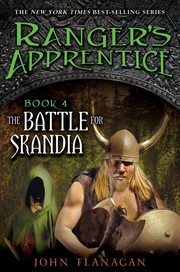
The Battle for Skandia
Will and Evanlyn are still hiding in the Skandian mountains when Halt and Horace arrive with word of a Temujai invasion that could roll on to Araluen next.
2,248-word summary · 10 min read
Lullaby
A reporter discovers that a poem in a children's book kills anyone who hears it, and his attempt to destroy every copy turns into a road trip through grief,…
2,147-word summary · 10 min read